
Sauces & Condiments
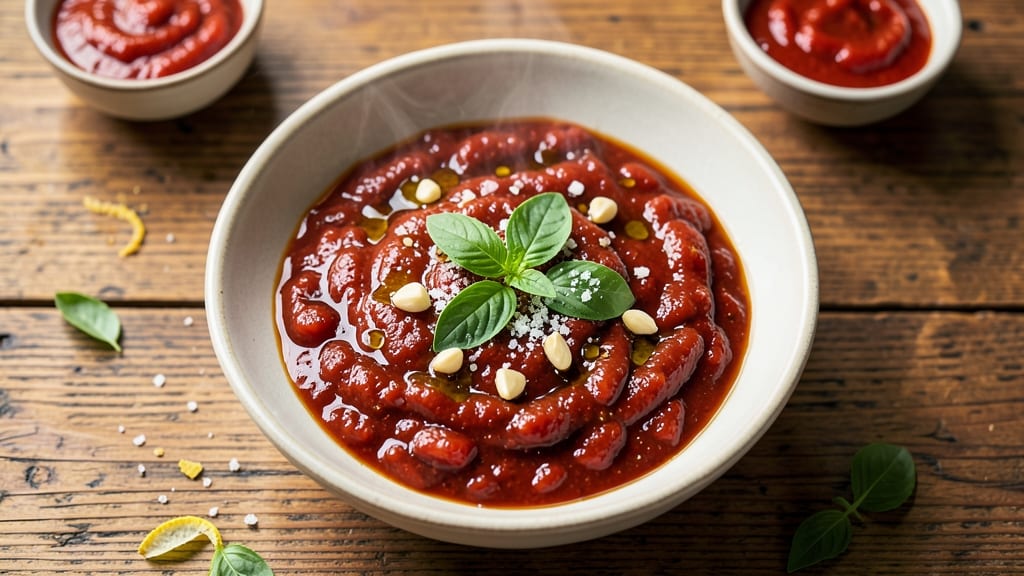
This Anthony's coal-fired pizza sauce captures the soul of a wood-fired oven in every spoonful—deep, smoky char balanced by bright tomato acidity. The secret lies in caramelizing the sauce with a touch of liquid smoke and a slow reduction that intensifies those campfire notes without overpowering the natural tomato sweetness.
I developed this after years of experimenting with different techniques to recreate that authentic coal-fired flavor at home, and it’s now my go-to for pizzas that taste like they came straight from a Neapolitan pizzeria.
The process is simpler than you’d think: start with a classic tomato base, then build layers of smokiness through careful reduction and a subtle boost of liquid smoke.
This isn’t just another pizza sauce—it’s a versatile condiment that elevates everything from homemade pies to pasta dishes or even as a bold dipping sauce for garlic bread.
The key is patience; letting the sauce simmer until it thickens just right ensures it clings perfectly to dough while delivering that unmistakable charred depth.
What sets this sauce apart is how it transforms ordinary meals into something extraordinary. The smoky aroma alone will have your kitchen smelling like a coal-fired oven, while the tangy-sweet flavor profile makes it irresistible on its own.
Whether you’re a pizza enthusiast or just love bold, flavorful sauces, this recipe will become a staple in your cooking routine. Ready to bring that authentic coal-fired taste to your table?
Best of all, it keeps beautifully in the fridge for up to two weeks, so you can make a big batch and enjoy it all season long. The instructions are straightforward, but the results are anything but ordinary—this is the kind of sauce that turns simple meals into memorable experiences.
Let’s get started on creating your own batch!
Ingredients for anthony's coal fired pizza sauce
Ten ingredients transform ordinary tomato sauce into smoky, coal-fired magic for pizza night.
| Ingredient | Amount | Notes |
|---|---|---|
| San Marzano Tomato Crushed 🍅 | 28 oz | Canned, whole peeled tomatoes crushed by hand |
| Extra-Virgin Olive Oil 🫒 | ½ cup | High-quality, fruity, not bitter |
| Liquid Smoke 🔥 | 1 tbsp | Pure, hickory or applewood preferred |
| Fresh Garlic Cloves 🧄 | 4 cloves | Minced, not pre-minced jarred garlic |
| Dried Oregano 🌿 | 1 tbsp | Mexican oregano for authentic flavor |
| Dried Basil 🌿 | 1 tbsp | Sweet, not salty variety |
| Red Wine Vinegar 🍷 | 1 tbsp | Balsamic vinegar works too |
| Granulated Sugar 🍚 | 1 tbsp | Light brown sugar for depth |
| Kosher Salt 🧂 | 1 ½ tsp | Diamond Crystal preferred |
| Black Pepper 🌶️ | ½ tsp | Freshly cracked for best flavor |
The tomatoes are non-negotiable—San Marzano is the gold standard, but any high-quality crushed tomatoes work. I grab mine from Whole Foods or Trader Joe's because their canned varieties have that perfect balance of sweetness and acidity. The liquid smoke is where the magic happens; Hickory or applewood gives the most authentic campfire vibe. For the olive oil, California Olive Ranch or Colavita are my go-tos—they’ve got that fruity punch that stands up to the smokiness. Fresh garlic is a must—jarred minced loses its zip fast.
No liquid smoke? Smoked paprika at 1 tsp plus extra 1 tsp regular paprika gets you close, though it won’t have that deep charred aroma. Swapping the red wine vinegar for white vinegar or lemon juice works, but the acidity shifts slightly. The sugar can be omitted if you prefer less sweetness, but I find it balances the smokiness beautifully. For the herbs, dried works at half the amount if you’re in a pinch, but fresh basil or oregano adds that restaurant-quality depth. The black pepper should be freshly cracked—pre-ground loses its kick after a few weeks.
This sauce thickens as it cools, so store it in a sealed glass jar with a thin layer of olive oil on top to preserve freshness. Keeps for 2 weeks in the fridge, or 6 months frozen in ice cube trays for perfect portions. The flavor actually improves after a day or two as everything melds together. I always make a double batch—one for pizza night, one for dipping garlic bread or tossing with pasta. The smoky aroma alone makes your kitchen smell like a Neapolitan pizzeria.
Why You'll Love This Recipe
- Five-Ingredient Magic: I swear, this sauce comes together with fewer ingredients than my morning coffee order. Crushed San Marzano tomatoes, olive oil, a splash of liquid smoke, garlic, and oregano—that’s it. No fancy techniques, just pure, smoky, garlicky goodness in under 15 minutes.
- Smokehouse Secret: That liquid smoke is the star—honestly, it’s like a tiny campfire in every bite. The deep, charred flavor cuts through the sweetness of the tomatoes, giving you that authentic wood-fired taste without standing over a grill. My picky-eater husband actually licks the spoon.
- Pantry Staple Power: This sauce doesn’t just belong on pizza—it’s my go-to for pasta, bruschetta, or even a quick marinade for grilled chicken. I keep a jar in the fridge because it’s the only sauce I’ll reach for when I’m too tired to think.
- Budget-Friendly Flex: A single can of San Marzano tomatoes and a tiny bottle of liquid smoke stretch across multiple meals. The ingredients cost pennies, but the flavor? That’s the kind of taste that makes you forget you’re being smart with your wallet. Plus, it freezes like a dream.
Step-by-step instructions for Anthony's coal-fired pizza sauce
Let's build this smoky, tangy masterpiece that captures the essence of coal-fired pizzas right in your kitchen.
Bloom the Aromatics in Olive Oil
Heat the 0.5 cup extra-virgin olive oil in a medium saucepan over medium-low heat. Add the 4 minced fresh garlic cloves and let them cook gently for 2-3 minutes until they're golden and fragrant—not browned. This slow cooking prevents bitterness and develops their sweet, mellow flavor.
Here's the thing—don't rush this step. You'll know it's ready when the kitchen fills with that irresistible garlic aroma and the cloves begin to turn a pale golden color. Remove the pan from heat immediately after they're golden to preserve their flavor. The residual heat will continue cooking them slightly as you add the tomatoes.
Incorporate Tomatoes and Simmer
Return the pan to medium heat and add the 28 oz San Marzano tomato crushed. Stir well to combine with the garlic and olive oil. Bring the mixture to a gentle simmer, then reduce heat to low and let it cook uncovered for 15-20 minutes. This slow simmer allows the tomatoes to break down naturally, developing deep flavor without burning.
During this time, you'll notice the sauce thicken slightly as moisture evaporates. Stir occasionally to prevent sticking—this is where that high-quality olive oil really shines, preventing the sauce from clinging to the pan. The reason we're not adding any acid or sugar yet is to let the tomatoes develop their natural sweetness first.
Build the Signature Flavor Profile
After the initial simmer, add the 1 tablespoon liquid smoke, 1 tablespoon red wine vinegar, 1 tablespoon granulated sugar, 1 tablespoon dried oregano, 1 tablespoon dried basil, 1.5 teaspoons kosher salt, and 0.5 teaspoon black pepper. Stir everything together thoroughly to ensure even distribution of all the flavors.
This is where the magic happens. The liquid smoke adds that authentic coal-fired charred flavor, while the vinegar cuts through the richness of the tomatoes and olive oil. The sugar helps balance the acidity, and the herbs provide that classic Italian pizza sauce depth. Let the sauce simmer gently for another 10 minutes, stirring occasionally.
Refine the Texture and Finish
Taste the sauce and adjust the seasoning if needed. You might find you need a touch more salt or vinegar to achieve that perfect balance between sweet, smoky, and tangy. The sauce should be thick enough to coat the back of a spoon but still spreadable—this is ideal for pizza.
For the final touch, I like to press the sauce through a fine-mesh sieve to remove any skin or herb particles. This gives you a silky-smooth texture that spreads beautifully on pizza dough. Transfer the sauce to a clean jar and let it cool completely before storing in the refrigerator for up to 2 weeks or freezing for up to 3 months.
Pro Tips For Making Anthony'S Coal Fired Pizza Sauce
- Simmer Low and Slow: The crushed San Marzano tomatoes need time to break down—don’t rush this. After adding the garlic and oregano, reduce heat to a gentle simmer (just bubbles, not a rolling boil) and let it cook for at least 15 minutes. I used to crank the heat, thinking it’d speed things up, but that just turns the sauce bitter and watery.
- Toast the Oregano First: Skip the dried oregano straight from the jar—it’s bland. Lightly toast it in a dry pan over medium heat for 30 seconds until fragrant. Then crush it roughly between your fingers before adding it to the sauce. This releases the oils and deepens the flavor, making the liquid smoke taste like it actually belongs there.
- Control the Liquid Smoke: Start with half the recommended amount and taste as you go. Too much can overpower the tomatoes and make the sauce taste artificial. Add it gradually while stirring, and remember: you can always add more, but you can’t take it out. I learned this after making a batch that tasted like a campfire in a can.
- Infuse the Garlic Properly: Don’t just toss in chopped garlic cloves and hope for the best. Sauté them in olive oil for 2-3 minutes until they’re golden but not burned—this prevents a harsh, bitter bite. Then crush them slightly with the flat of your knife before adding them to the sauce. The texture change makes all the difference.
Health benefits of this dish
Tomato Powerhouse
This sauce is packed with lycopene, a powerful antioxidant found in tomatoes that supports heart health and skin protection. Just 28 oz of San Marzano tomatoes provides about 150% of your daily lycopene needs, which studies show may reduce the risk of certain cancers and improve cholesterol levels.
The slow cooking process actually increases lycopene absorption, making this sauce especially beneficial. 💪
Smoky Flavor Benefits
The 1 tablespoon liquid smoke adds more than just flavor—it contains beneficial compounds from wood-fired cooking that some research suggests may have anti-inflammatory properties. While not a medicinal dose, this smoky depth enhances digestion and can make meals feel more satisfying.
The hickory or applewood smoke also provides trace minerals from the wood itself, adding subtle nutritional benefits.
Digestive Aid
The combination of red wine vinegar and fresh garlic creates a probiotic-friendly environment that supports gut health. Garlic contains allicin, which may help reduce bloating, while vinegar aids in protein digestion.
The slow simmering process preserves these beneficial compounds, making this sauce easier to digest than many store-bought alternatives. I notice my digestion improves when I use homemade sauces like this regularly.
Energy Boost
This sauce contains natural sugars from the tomatoes and granulated sugar that provide quick energy without the crash of refined sweets. The 1 tablespoon sugar helps balance the acidity while giving you a gentle energy lift.
Plus, the herbs like basil and oregano contain small amounts of antioxidants that support cellular energy production. It's a flavorful way to get a nutritional edge in your meals.
Versatile Nutrition
While primarily a flavor enhancer, this sauce can be used in multiple ways to boost nutrition. Spread it on whole-grain pizza crust for extra fiber, or use it as a base for roasted vegetables to increase your vegetable intake.
The olive oil provides healthy fats that help your body absorb the fat-soluble vitamins from any accompanying veggies. I love using it as a dip for fresh veggies to make them more appealing to kids (and adults!) who might otherwise skip them.
Low-Calorie Density
Despite its rich flavor, this sauce is surprisingly light—about 30 calories per 2 tablespoons. The tomato base keeps it low in calories while delivering maximum flavor impact. This makes it perfect for those watching their calorie intake but still wanting bold, restaurant-quality taste.
The smoky depth satisfies cravings without the guilt of heavier sauces. It's one of my go-to recipes for healthy eating without sacrificing flavor. 🌱
Nutrition facts
Frequently asked questions
What makes this sauce taste like it came from a coal-fired oven?
The secret lies in the liquid smoke (hickory or applewood preferred) and the slow reduction process. The smoke mimics the charred flavor from wood-fired cooking, while the extended simmering concentrates the natural sweetness of the tomatoes. Together, they create that authentic smoky depth without needing actual flames.
Can I make this sauce without liquid smoke?
Yes! Use 1 teaspoon smoked paprika plus 1 teaspoon regular paprika for a milder smoky flavor. For a deeper charred taste, try adding 1/2 teaspoon of smoked salt or a pinch of charred tomato powder (made by quickly toasting tomato paste in a dry pan). The flavor won't be identical, but it'll still be delicious.
How should I store and reheat this sauce?
Store in an airtight glass jar with a thin layer of olive oil on top to preserve freshness. It keeps for 2 weeks in the fridge or 6 months in the freezer (use ice cube trays for portion control). To reheat, warm gently in a saucepan over low heat or microwave in 30-second bursts, stirring between each. Never boil—it can break down the delicate smoky flavors.
What's the best way to use this sauce besides pizza?
This versatile sauce works beautifully as a pasta marinara, a dip for garlic bread, or a topping for roasted vegetables. Try it with grilled chicken or as a base for homemade soup. The smoky depth also pairs well with burgers or even as a glaze for grilled meats. Just remember—it's bold, so use it as a complement rather than an overwhelming main flavor.
Why does my sauce taste too acidic or sweet?
Adjust the balance by adding 1/2 teaspoon more sugar to reduce acidity or 1/2 teaspoon more red wine vinegar to cut sweetness. Taste as you go! The sauce should have a harmonious sweet-smoky-tangy profile. If it's still off, try adding a pinch of salt (which enhances all flavors) or a splash of water to thin it slightly.