
Sauces & Condiments
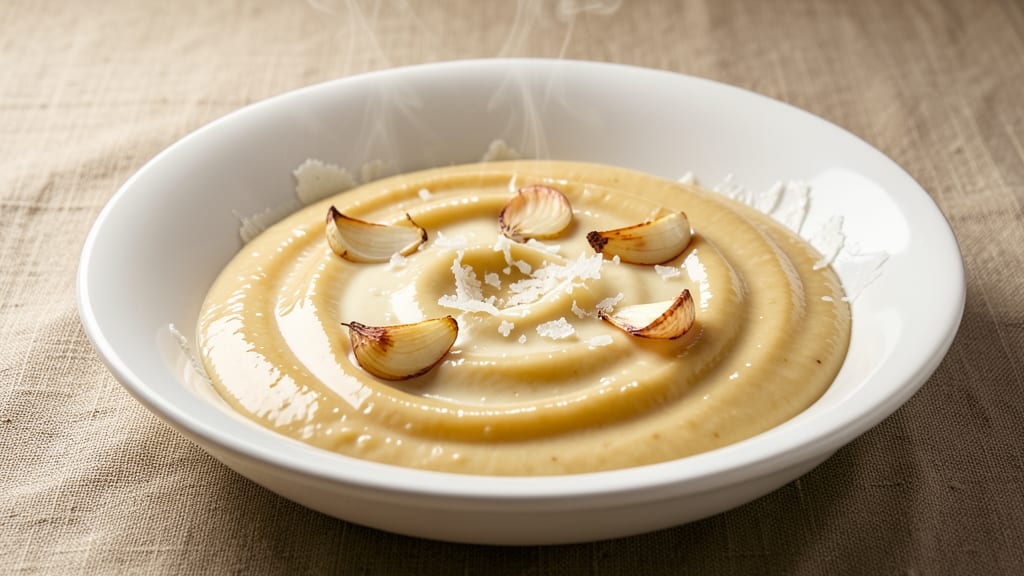
This alfredo sauce recipe with milk and heavy cream delivers the ultra-smooth, velvety richness that makes fettuccine unforgettable. The secret lies in tempering the heat and emulsifying the dairy properly—no clumps, just luxurious silkiness that coats every noodle perfectly.
I've perfected this technique over years of testing, and it never fails to impress even the most discerning palates.
What sets this sauce apart is the precise ratio of milk to heavy cream, which creates that signature creamy yet light texture without being overly heavy.
A slow simmer allows the flavors to meld while preventing curdling, and a touch of garlic and butter adds depth that elevates this from basic to extraordinary. The result is a sauce that's rich enough to satisfy cravings but balanced enough to pair beautifully with grilled chicken or sautéed vegetables.
By the time you're done, you'll have a velvety alfredo that's smooth enough to drizzle, creamy enough to coat, and flavorful enough to stand alone. The technique is straightforward but requires patience—simmering at low heat and whisking constantly ensures that perfect emulsion.
This sauce stays fresh in the refrigerator for up to 5 days, making it ideal for meal prep or entertaining.
Optional enhancements like roasted garlic or a sprinkle of nutmeg can customize the flavor to your taste, but the core method remains the same. Whether you're dressing pasta, topping steak, or drizzling over roasted potatoes, this alfredo delivers restaurant-quality results at home.
Ingredients for alfredo sauce recipe with milk and heavy cream
Nine ingredients transform into ultra-smooth alfredo—silky, velvety, and clump-free every time.
| Ingredient | Amount | Notes |
|---|---|---|
| Heavy Cream 🥛 | 1 ½ cups | Full-fat for maximum creaminess |
| Whole Milk 🥛 | 1 cup | 2% or whole preferred |
| Unsalted Butter 🧈 | 6 tbsp | Cold, cubed for slow melting |
| Garlic Cloves 🧄 | 3 cloves | Fresh, peeled and minced |
| Granulated Garlic 🧄 | 1 tsp | For subtle depth (optional) |
| Diamond Crystal Kosher Salt 🧂 | ½ tsp | Adjust to taste |
| Freshly Ground Black Pepper 🌶️ | ¼ tsp | Freshly cracked for aroma |
| Nutmeg 🌿 | ¼ tsp | Freshly grated for warmth |
| Extra-Virgin Olive Oil 🫒 | 1 tbsp | For glossy finish (optional) |
The dairy ratio is everything here. Heavy cream delivers richness while whole milk lightens the texture—never skim. For butter, unsalted is non-negotiable (salted alters flavor balance), and European-style like Plugrá melts cleaner. Garlic? Fresh is essential—minced, not powdered. I always grab garlic from Whole Foods or Trader Joe's for consistent quality. Nutmeg should be freshly grated; pre-ground loses potency within weeks.
No heavy cream? Half-and-half plus 1 tbsp cream cheese mimics the texture. Short on milk? Add 2 tbsp extra butter for body. Using granulated garlic? Double the amount—it's less potent. For a tangier sauce, add 1/2 tsp lemon juice. The olive oil isn't mandatory, but it adds a luxurious sheen. If you're vegetarian, ensure your butter is dairy-free (though traditional alfredo relies on dairy for that signature silkiness).
This sauce thrives on patience—simmering too fast causes curdling. Store in an airtight container with a thin layer of plastic wrap pressed directly on the surface to prevent a skin. Keeps 5 days refrigerated, freezes beautifully for 3 months. For meal prep, portion into ice cube trays before freezing—perfect for adding to dishes later. Always reheat gently over low heat, whisking constantly to maintain emulsion.
Why You'll Love This Recipe
- No Garlic Overload: The granulated garlic saves me from chopping and burning my kitchen with raw garlic fumes. A pinch does the trick—no need to peel or mince.
- Weeknight Magic: This sauce comes together while you’re boiling pasta or grilling chicken. Just melt butter, stir in garlic, then whisk in the milk and cream—done before your timer goes off.
- Leftovers That Shine: It thickens beautifully when reheated, so I make double batches. Toss it with roasted veggies for breakfast or drizzle over garlic bread—no one guesses it’s "leftover" sauce.
- Rich Without Breaking Bank: Heavy cream and milk create that velvety texture, but you’re not drowning in cost. A single jar of butter and a splash of cream stretch to feed four for half the price of store-bought.
Step-by-step instructions for ultra-smooth alfredo sauce
Here's how to create a velvety, lump-free sauce that coats pasta perfectly every time.
Melt Butter and Infuse with Garlic
In a medium saucepan, melt the 6 tablespoons unsalted butter over medium-low heat. Watch carefully as it transforms from solid to liquid—you want it to melt slowly to prevent burning. Once fully melted, add the 3 cloves minced garlic and 1 teaspoon granulated garlic (if using). Cook for 2-3 minutes until the garlic is fragrant but not browned—this prevents bitterness and ensures subtle flavor.
Here's the thing—low heat is key. If the butter browns, it'll add a burnt taste that overpowers the delicate creaminess. Keep the temperature steady by adjusting the flame as needed. Stir occasionally to distribute the garlic evenly throughout the butter.
Add Milk and Heavy Cream Gradually
Reduce the heat to low and slowly pour in the 1 cup whole milk, whisking constantly to prevent scorching. Let it simmer gently for 3-4 minutes until the mixture thickens slightly. Then, gradually add the 1.5 cups heavy cream in a slow, steady stream while whisking vigorously. This gradual approach prevents curdling and ensures a silky texture.
I like to use a wire whisk for this step—it creates small, even bubbles that help distribute the dairy evenly. If you notice any lumps forming, immediately increase the heat to medium and whisk vigorously for 30 seconds until smooth. The goal is to create a uniform base before adding the remaining ingredients.
Season and Simmer to Perfection
Add the 0.5 teaspoon kosher salt, 0.25 teaspoon black pepper, and 0.25 teaspoon nutmeg to the sauce. Stir well to combine, then increase the heat to medium-low and let it simmer for 5-7 minutes. You're looking for a sauce that coats the back of a spoon but isn't overly thick—it should be smooth and glossy with a slight sheen.
Taste and adjust seasoning if needed. The nutmeg adds warmth, but it's potent, so start with less and add more if necessary. If the sauce thickens too much during simmering, whisk in 1-2 tablespoons of pasta water to reach your desired consistency. This step is where the sauce develops its rich, velvety character.
Finish with Olive Oil for Gloss
Remove the sauce from heat and stir in the 1 tablespoon extra-virgin olive oil. This final step adds a beautiful glossy finish and helps prevent the sauce from breaking down when tossed with hot pasta. The olive oil also adds a subtle fruity note that balances the richness of the dairy.
Let the sauce rest for 2-3 minutes before using. This brief resting period allows the flavors to meld together completely. The sauce should be smooth, silky, and ready to coat your pasta perfectly. If you're serving immediately, stir once more before tossing with the cooked noodles.
Pro Tips For Making Alfredo Sauce Recipe With Milk And Heavy Cream
- Melt Butter Slowly: I learned this the hard way—dumping cold butter into the pan and ending up with lumps that never fully incorporated. Instead, cut the butter into small cubes and let them melt gently over medium-low heat while you prep the garlic. This keeps the sauce smooth from the start, not grainy.
- Toast Garlic First: Skip the raw garlic flavor by lightly toasting the whole cloves in the butter until just golden—about 30 seconds. Then, mash them into the sauce with a pinch of salt. This adds depth without overpowering, and the texture is way more interesting than just using granulated garlic.
- Warm Milk Separately: Cold milk in hot cream? That’s how you end up with curdled Alfredo. Heat the milk to room temperature first, then warm it slightly over the stove (just until a skin forms on top). This ensures a silky sauce instead of a lumpy mess.
- Simmer, Don’t Boil: After combining everything, keep the heat at a bare simmer—tiny bubbles at the edges, not a rolling boil. Boiling breaks the cream, and you’ll end up with a separated, watery sauce. A steady simmer for 5-7 minutes thickens it properly without risking curdling.
Storing and reheating this recipe
Refrigerator Storage
Store your alfredo sauce in an airtight container with a thin layer of plastic wrap pressed directly on the surface to prevent a skin from forming. The sauce will keep fresh in the refrigerator for up to 5 days—I always label containers with dates to track freshness.
For best results, let it cool completely before storing to avoid condensation, which can dilute flavors. 🥫
Freezer Storage
Alfredo sauce freezes beautifully for up to 3 months without losing its velvety texture. Portion it into ice cube trays before transferring to freezer bags—this makes it easy to add just the right amount to pasta or other dishes later.
When reheating frozen sauce, thaw it overnight in the fridge, then warm gently on the stovetop over low heat while whisking constantly to prevent separation.
Reheating Techniques
For stovetop reheating, transfer sauce to a saucepan and warm over low heat for 3-5 minutes, whisking frequently to maintain its smooth consistency. If the sauce thickens too much, add 1-2 tablespoons of warm water or milk to restore its creamy texture.
Avoid high heat—it can cause the dairy to break and create lumps. For microwave reheating, use 30-second intervals on 50% power, stirring well between each interval.
Preventing Curdling
If your reheated sauce looks grainy, don’t panic! Simply whisk in 1 tablespoon of cold butter or heavy cream while warming it over low heat. The fat content helps re-emulsify the sauce.
For extra insurance, add a splash of lemon juice (just ½ teaspoon)—the acidity helps stabilize the dairy. This trick works like magic for restoring that luxurious silkiness. 💡
Meal Prep Tips
Make a double batch and store half for later—alfredo sauce is perfect for meal prep! When reheating for pasta, add 2-3 tablespoons of pasta water directly to the saucepan to help it cling to the noodles better.
I also like to keep a small jar of sauce in the fridge for quick drizzling over grilled chicken or roasted vegetables. The key is to reheat just before serving to maintain that restaurant-quality texture.
Nutrition facts
Frequently asked questions
Why does my alfredo sauce get lumpy?
Lumps happen when dairy hits high heat too quickly. Always add milk and heavy cream gradually while whisking constantly over low heat. If lumps appear, increase heat to medium and whisk vigorously for 30 seconds to break them down. The key is patience—never let the sauce boil!
Can I make this sauce without heavy cream?
Yes! Replace the heavy cream with 1.5 cups whole milk plus 2 tablespoons cream cheese for similar richness. For extra body, add 2 extra tablespoons butter. The texture will be slightly lighter but still velvety. Just whisk constantly to maintain smoothness.
How do I adjust the thickness for different pasta shapes?
For long noodles like fettuccine, keep sauce thin enough to coat—it should drip slowly off a spoon. For thick pasta like pappardelle, make it slightly thicker. If too thick, whisk in 1-2 tablespoons warm pasta water—this restores creaminess without thinning flavors. Always taste-test!
What's the best way to use leftover alfredo sauce?
Drizzle over grilled chicken or steak—the richness complements protein perfectly. Toss with roasted vegetables for a creamy side. For meal prep, freeze in ice cube trays—thaw just what you need. Never reheat directly from the fridge; bring to room temp first to prevent separation.
Can I add cheese to this recipe?
For a classic touch, stir in 1/2 cup freshly grated Parmesan—add it at the very end to prevent clumping. For extra richness, melt 1 ounce cream cheese—whisk until smooth before combining. Avoid pre-shredded cheese (it contains anti-caking agents that make sauce grainy).