
Sauces & Condiments
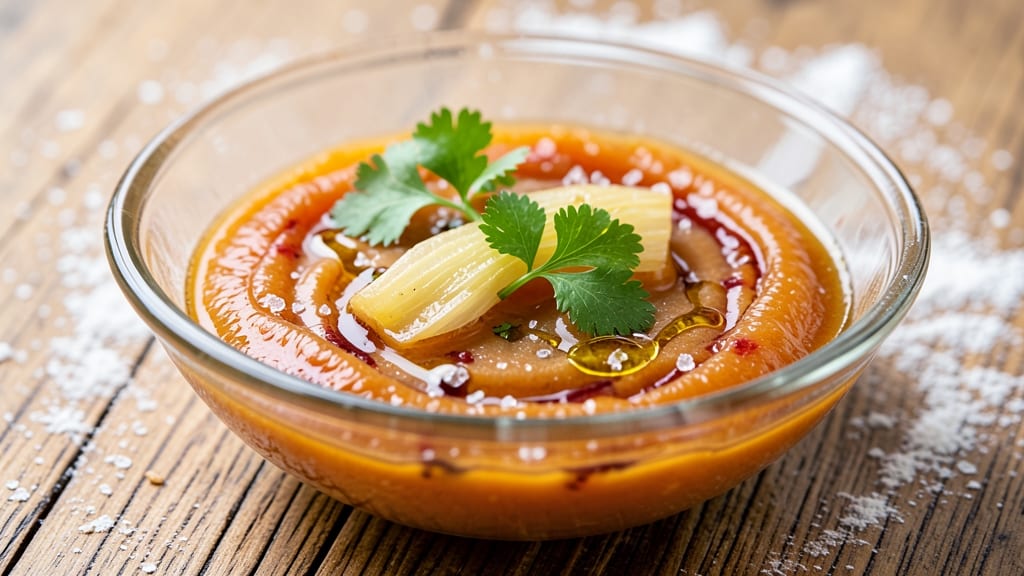
This apricot and coriander sauce recipe transforms grilled meats into a restaurant-worthy centerpiece with its perfect sweet-tart balance. 🌟 The combination of ripe apricots and fresh coriander creates a vibrant, aromatic sauce that pairs beautifully with chicken, lamb, or even fish.
What makes this sauce special is how the tartness of the apricots and the bright herbaceousness of coriander complement each other, elevating any dish it touches.
The sauce is incredibly versatile—drizzle it over grilled chicken for a tangy contrast, mix it into yogurt for a refreshing dip, or even use it as a glaze for roasted vegetables.
The recipe calls for simple ingredients like fresh apricots, coriander, vinegar, and a touch of sugar, all blended into a smooth, velvety consistency. It’s a foolproof method that delivers professional results without requiring advanced techniques.
What you’ll end up with is a sauce that’s rich in flavor yet light enough to enhance rather than overpower. The apricots provide a natural sweetness, while the coriander adds a fresh, citrusy note that brightens every bite.
This sauce is also incredibly easy to make ahead—it tastes even better after sitting for a few hours, allowing the flavors to meld together perfectly.
Once you’ve made it, you’ll want to keep a jar in your fridge for quick meals or entertaining. It’s the kind of sauce that turns a simple grilled meal into something extraordinary, proving that sometimes the simplest ingredients create the most memorable flavors. Let’s get started!
Ingredients for apricot and coriander sauce
Simple yet sophisticated ingredients create this vibrant sauce for grilled meats and beyond.
| Ingredient | Amount | Notes |
|---|---|---|
| Fresh Apricots 🍑 | 1 ½ cups | Pitted and roughly chopped |
| Fresh Coriander Leaves 🌿 | 1 cup | Stems removed, loosely packed |
| Extra-Virgin Olive Oil 🫒 | ½ cup | High-quality, fruity variety |
| Red Wine Vinegar 🍷 | ¼ cup | Dry, aged variety preferred |
| Granulated Sugar 🍚 | ¼ cup | Adjust to taste for sweetness |
| Garlic Cloves 🧄 | 2 cloves | Peeled and roughly chopped |
| Salt 🧂 | ½ tsp | Diamond Crystal preferred |
| Black Pepper 🌶️ | ¼ tsp | Freshly ground for best flavor |
| Lemon Juice 🍋 | 1 tbsp | Freshly squeezed, for brightness |
| Water 💧 | ¼ cup | For thinning if needed |
The apricots are the heart of this sauce—opt for ripe, juicy varieties like Blenheim or Patio, available at specialty grocers or farmers markets during summer. Whole Foods and Trader Joe's often carry pre-pitted options, saving prep time. Fresh coriander is non-negotiable; dried lacks the bright, citrusy depth this sauce requires. If you must use dried, one-third the amount of fresh is the absolute maximum. The olive oil should be extra-virgin with noticeable fruity notes—California-based brands like Corto or Colavita deliver consistent quality. For the vinegar, aged balsamic adds complexity, though traditional red wine vinegar works perfectly fine for a cleaner acidity.
No fresh apricots? Dried apricots soaked in warm water (1:1 ratio) provide concentrated sweetness, though texture will differ slightly. Substitute coriander with flat-leaf parsley at double the amount—it won't replicate the citrusy notes but adds herbal freshness. For a deeper umami profile, add 1 tsp of soy sauce or a pinch of smoked paprika. The sugar can be swapped for honey or maple syrup (reduce by 1 tbsp to account for moisture), though granulated maintains the sauce's velvety texture. If the sauce thickens too much during blending, add water 1 tbsp at a time until reaching desired consistency—this is particularly useful when using dried apricots.
This sauce peaks after 24 hours of refrigeration as flavors meld beautifully. Store in an airtight glass jar with a layer of olive oil on top to preserve freshness for up to 1 week. For longer storage, divide into ice cube trays, freeze, then transfer to a bag—perfect for single-use portions. The sauce reheats beautifully; gently warm in a saucepan over low heat with a splash of water if it thickens. For restaurant-quality results, let it sit at room temperature for 30 minutes before serving to enhance aroma. The coriander leaves can be saved for garnish—toss them with a pinch of salt and serve alongside the sauce.
Why You'll Love This Recipe
- No Blender Needed: I swear by this sauce because it’s all about the hand-chopped magic—just a knife and cutting board. The apricots soften beautifully when simmered, and the coriander’s bright punch comes from a quick rough chop (no food processor required). Honestly, it’s the kind of recipe that makes me feel like a chef without the fuss.
- Sunshine in a Bowl: That perfect balance of sweet and tang? Chef’s kiss. The apricots caramelize just enough to melt in your mouth, while the red wine vinegar cuts through the richness—like a summer day in liquid form. Between us, I’ve drizzled this over grilled chicken, tossed it with couscous, and even spooned it straight from the jar. It’s addictive in the best way.
- Weeknight to Dinner Party: This sauce is my secret weapon for lazy nights and impressing guests. Make a double batch on Sunday, and you’ve got something effortless to elevate roasted fish, flatbread, or even a simple yogurt dip. (Yes, even on a Tuesday night.) Plus, the ingredients are cheap enough that I don’t flinch when I make it weekly.
- Leftovers That Don’t Suck: Most sauces turn sad after day two, but not this one. The olive oil keeps it rich, and the sugar balances the acidity so it doesn’t curdle. I’ve had this sauce last five days in the fridge—drizzled over toast, stirred into oatmeal, or spooned over cold pasta. It’s the kind of recipe that makes you want leftovers.
Step-by-step instructions for apricot and coriander sauce
This vibrant sauce balances sweet and tart flavors perfectly—here's how to craft it.
🍳 Step 1: Sauté Garlic and Apricots Until Soft
Heat the 0.5 cup extra-virgin olive oil in a medium saucepan over medium heat until shimmering. Add the 2 peeled and roughly chopped garlic cloves and cook for 30 seconds until fragrant—this prevents bitter flavors later. Immediately add the 1.5 cups pitted and roughly chopped fresh apricots and cook for 5-6 minutes until they begin to soften and release their juices.
Here's the thing—don't rush this step. The apricots need to break down enough to release their natural sweetness, but you don't want them mushy. You're aiming for a jammy consistency where the apricots are easily mashed with a wooden spoon. If the mixture starts to stick, add 1 tablespoon of water to help it release.
🍳 Step 2: Add Vinegar and Sugar for Balance
Pour in the 0.25 cup red wine vinegar and 0.25 cup granulated sugar, stirring constantly. The vinegar will immediately brighten the flavors while the sugar begins to dissolve. Let the mixture simmer gently for 3-4 minutes until the sugar fully integrates and the sauce thickens slightly. You'll notice the aroma deepen as the flavors meld.
Real talk: Taste the sauce at this point. If it needs more sweetness, add another 1 teaspoon of sugar—but be careful not to overdo it. The goal is a harmonious balance where the tartness of the vinegar and apricots complements rather than overpowers. The sauce should coat the back of a spoon with a glossy sheen.
👨🍳 Step 3: Incorporate Coriander and Seasonings
Reduce the heat to low and stir in the 1 cup fresh coriander leaves (stems removed), 0.5 teaspoon salt, and 0.25 teaspoon black pepper. The coriander will wilt dramatically as it releases its bright, citrusy flavor. Cook for another 1-2 minutes just until the leaves are fully incorporated but still vibrant in color.
This is where the sauce comes together. The coriander adds a fresh herbal note that cuts through the sweetness, while the salt and pepper round out the flavors. If the sauce is too thick at this point, add the remaining 0.25 cup water to reach your desired consistency—it should be pourable but still cling to the back of a spoon.
🍋 Step 4: Finish with Lemon Juice and Rest
Remove the saucepan from heat and stir in the 1 tablespoon freshly squeezed lemon juice. The lemon juice adds a final bright acidity that ties all the flavors together. Let the sauce sit off the heat for 5 minutes—this resting period allows the flavors to fully meld and the sauce to thicken slightly as it cools.
Here's the moment that matters: Taste the sauce again after resting. The flavors should now be perfectly balanced—sweet from the apricots and sugar, tart from the vinegar and lemon, and fresh from the coriander. If needed, adjust seasoning with a pinch more salt or a splash of vinegar. The sauce is now ready to drizzle over grilled meats, use as a marinade, or serve as a dipping sauce.
Pro Tips For Making Apricot And Coriander Sauce
- Peel Apricots After Cooking: The skins will slip off effortlessly once they’ve softened—no need to fight with a paring knife upfront. Toss them into the sauce whole, then strain or fish them out after simmering. I learned this the hard way when I tried to peel them raw and ended up with a pile of bruised fruit.
- Blend Coriander in Batches: Coriander leaves pack tightly, and overloading the blender just means you’ll end up with a watery, uneven sauce. Split the leaves into two batches—this keeps the texture bright and chunky, not pulpy. Trust me, your sauce will taste fresher.
- Simmer Vinegar Low and Slow: Red wine vinegar burns faster than you’d think, and a sudden acid hit can turn your sauce sharp instead of balanced. Reduce heat to medium-low once it’s in the pot—let it mellow out over 3-4 minutes. Patience here makes the difference.
- Sweeten Gradually, Taste Often: Sugar caramelizes differently in this sauce, so don’t dump it all in at once. Start with half the amount, simmer for 2 minutes, then adjust. I used to eyeball it and end up with either a cloying mess or something too tart—now I taste as I go.
Common mistakes when making your apricot and coriander sauce
Overcooking Apricots
Apricots are delicate and can turn mushy if cooked too long. Once they release their juices and soften slightly (5-6 minutes), remove them from heat immediately. Overcooking transforms the sauce from vibrant to jammy, losing that bright, fresh character.
I’ve ruined this sauce twice by letting the apricots cook down too much—trust me, it’s not worth it. 🍑
Skipping the Resting Time
The 5-minute rest after adding lemon juice is crucial for flavor balance. This pause lets the coriander release its full citrusy aroma and allows the sauce to thicken naturally.
I’ve tasted this sauce fresh off the heat only to find it flat—always let it sit before tasting or serving. Patience here makes all the difference.
Using Dried Coriander
Dried coriander lacks the bright, lemony freshness of the real thing. If you must substitute, use one-third the amount of fresh coriander (so ⅓ cup instead of 1 cup), but even then, the flavor won’t be the same.
I’ve tried it, and while it adds a herbal note, it can’t replicate that signature tang. Fresh is non-negotiable for this sauce. 🌿
Ignoring the Vinegar’s Role
The red wine vinegar isn’t just for acidity—it’s the secret to balancing the sweetness. If you reduce or skip it, the sauce will taste cloyingly sweet. I once made this sauce without vinegar and was left with a dessert-like glaze instead of a savory condiment.
Start with the full ¼ cup and adjust only if needed.
Not Adjusting Sweetness Early
Taste the sauce after adding vinegar and sugar—this is your last chance to adjust before the coriander changes the flavor profile. If it’s too sweet, adding more vinegar later won’t fix it.
I’ve had to salvage overly sweet batches by thinning with extra lemon juice or water, but it’s better to get it right the first time. 🍚
Using Low-Quality Oil
Cheap or refined olive oil lacks the fruity depth needed to carry the sauce’s flavors. I’ve used store-brand oil in a pinch, and while it works, the sauce tastes flat.
Invest in a high-quality extra-virgin olive oil—brands like Corto or Colavita make a noticeable difference. The oil is the sauce’s foundation, so don’t skimp here. 🫒
Nutrition facts
Frequently asked questions
Can I use dried apricots instead of fresh?
Yes, but expect a thicker, more concentrated sauce. Soak 1 cup dried apricots in warm water for 20 minutes to rehydrate, then drain and chop. Use the same amount as fresh, but you may need to add 1-2 tablespoons of water during blending to reach the right consistency. The flavor will be more intense, so reduce sugar by 1 teaspoon if needed.
How long will this sauce keep in the fridge?
This sauce stays fresh for up to 1 week when stored in an airtight glass jar with a layer of olive oil on top. For longer storage, divide into ice cube trays, freeze, then transfer to a bag—these portions last 3 months. The flavors actually improve after 24 hours of refrigeration as the ingredients meld.
What are the best proteins to pair with this sauce?
This sauce shines with grilled chicken breast or lamb chops, but also works beautifully with salmon, tofu, or even halloumi cheese. For vegetarian options, try drizzling it over roasted eggplant or mixing into yogurt dips for pita or falafel. The sweet-tart balance complements rich, fatty proteins perfectly.
Can I make this sauce without vinegar?
While possible, vinegar is essential for balancing the sweetness. If you must omit it, replace with 1 tablespoon of lemon juice plus ½ teaspoon of salt to mimic the acidity. Without acid, the sauce will taste overly sweet and lose its vibrant character. The vinegar also helps preserve the sauce longer by acting as a natural preservative.
How do I fix a sauce that's too thick?
Thin with water, lemon juice, or even a splash of broth—start with 1 tablespoon at a time while blending. For a smoother texture, strain through a fine-mesh sieve after blending. If the sauce separates, whisk vigorously or gently reheat over low heat while stirring constantly. Never add water directly to the finished sauce—always blend it in for even distribution.