
Sauces & Condiments
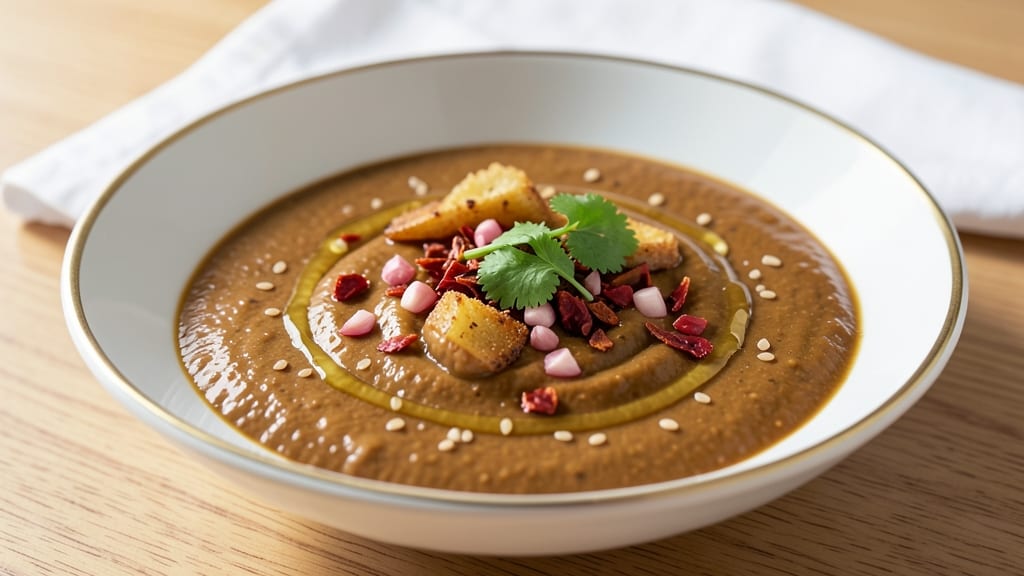
This Asian hot mustard sauce recipe transforms simple pantry staples into a versatile, spicy-sweet drizzle that elevates wings, dips, and marinades. The secret lies in balancing tangy mustard powder with vinegar and sugar for a complex flavor profile—no fancy ingredients required.
I developed this after craving that perfect harmony of heat and sweetness in every bite, and it’s become my go-to for quick flavor boosts.
The sauce comes together in just 10 minutes with basic ingredients like mustard powder, rice vinegar, and brown sugar, plus optional chili flakes or garlic for extra depth.
What makes it special is its adaptability—drizzle it over fried chicken, use it as a dip for spring rolls, or mix it into marinades for meats. The heat builds gradually, so you can adjust the spice level to taste.
By the time you’re done, you’ll have a smooth, glossy sauce with a perfect balance of tang, sweetness, and heat—ready to transform ordinary dishes into something extraordinary.
The best part? It keeps well in the fridge for up to 2 weeks, so you can make a batch and enjoy it all month long.
Whether you’re prepping for game day or craving a quick flavor upgrade, this sauce delivers restaurant-quality results with minimal effort. Let’s get started!
Ingredients for asian hot mustard sauce
Nine pantry staples transform into a fiery, versatile sauce that’s restaurant-quality in minutes.
| Ingredient | Amount | Notes |
|---|---|---|
| Mustard Powder 🌶️ | ½ cup | High-quality for best flavor |
| Rice Vinegar 🍶 | ½ cup | White or seasoned variety |
| Light Brown Sugar 🍚 | ½ cup | Packed, not scooped |
| Red Chili Flakes 🔥 | 1 tbsp | Adjust for heat preference |
| Garlic Cloves 🧄 | 4 cloves | Minced or finely chopped |
| Sesame Oil 🫒 | 1 tbsp | Toasted for nutty aroma |
| Soy Sauce 🍶 | 2 tbsp | Light or dark preferred |
| Honey 🍯 | 1 tbsp | For extra sweetness |
| Water 💧 | ¼ cup | Room temperature preferred |
| Salt 🧂 | ½ tsp | Kosher or sea salt |
Mustard powder is the backbone—Penzeys or bulk bins at Whole Foods have the best quality. The red chili flakes should be bright red, not dull or faded. For garlic, freshly minced makes all the difference, but pre-minced works in a pinch. Brown sugar? Light or dark both work, but light keeps it from getting too rich. Rice vinegar adds that essential tang—Kikkoman or Mushkin are my go-tos, but any white rice vinegar does the trick.
No sesame oil? Toasted peanut oil gives a similar nutty depth. Short on honey? Maple syrup at half the amount works beautifully. The sauce is flexible—doubling the chili flakes for extra heat or adding a pinch of ginger powder for complexity. For a smoother texture, blend everything until silky. If you’re using this as a marinade, let the meat sit for at least 30 minutes to soak up the flavors.
This sauce keeps for 2 weeks in the fridge, sealed tightly in a jar. The flavors actually deepen over time, so it’s perfect for batching. For extra shelf life, add a thin layer of olive oil on top before sealing. Freezes beautifully too—just thaw in the fridge overnight. Store in small portions if you plan to use it frequently, so you always have fresh sauce ready for wings, dipping, or marinating.
Why You'll Love This Recipe
- Here’s what sold me: the brown sugar cuts the mustard’s bite while the chili flakes linger like a warm hug. It’s the kind of sauce that makes you reach for seconds, even when you’re pretending to be full.
- Five-Ingredient Magic: I swear by this—no fancy techniques, just whisking together mustard powder, rice vinegar, and a pinch of brown sugar until it clicks. That’s it. The chili flakes and garlic cloves add heat and depth without extra steps.
- Sweet Heat Balance: Here’s what sold me: the brown sugar cuts the mustard’s bite while the chili flakes linger like a warm hug. It’s the kind of sauce that makes you reach for seconds, even when you’re pretending to be full.
- Dip, Drizzle, Repeat: Between us, this sauce is my go-to for everything—fried rice, grilled chicken, or even straight from the spoon. (Yes, even on a Tuesday night.) It’s the unsung hero that turns ordinary meals into something special.
Step-by-step instructions for Asian hot mustard sauce
Here's how to create a bold, balanced sauce with perfect heat and sweetness every time.
Bloom the Mustard Powder with Water
In a medium saucepan, whisk together the 0.5 cup mustard powder with the 0.25 cup water over low heat. Stir constantly for 3-4 minutes until completely dissolved and smooth. You'll see it transform from powder to a thick, creamy paste—this is your flavor base. Don't rush this step; the mustard needs time to fully hydrate for maximum flavor development.
I like to use a heatproof whisk here because it helps prevent any mustard from sticking to the bottom. If you notice any lumps forming, strain the mixture through a fine-mesh sieve to ensure a silky texture. The sauce should be glossy and uniform, with no visible powder remaining.
Add Sweet and Tangy Components
With the mustard mixture still warm, add the 0.5 cup light brown sugar, 0.5 cup rice vinegar, and 1 tbsp honey. Stir over medium-low heat for 5-6 minutes until the sugar completely dissolves and the mixture begins to simmer gently. Here's where the magic happens—the sugar caramelizes slightly, deepening the sauce's complexity while balancing the vinegar's acidity.
You'll notice the sauce thicken as it heats. This is normal and actually desirable—it indicates the starches in the mustard are activating. If it becomes too thick before all the sugar dissolves, add 1-2 tablespoons of water to maintain proper consistency. The goal is a smooth, pourable sauce that coats the back of a spoon.
Incorporate Aromatics and Seasonings
Reduce the heat to low and add the 4 cloves minced garlic, 1 tbsp sesame oil, 2 tbsp soy sauce, and 0.5 tsp salt. Stir continuously for 3-4 minutes until the garlic is fragrant but not browned. The sesame oil will infuse its nutty aroma, while the soy sauce adds umami depth. This is where the sauce develops its signature complexity—don't skip this step or you'll miss out on layers of flavor.
Watch the garlic carefully—it burns quickly. You want it to be aromatic and slightly translucent, not crispy or dark. If you notice any browning, immediately remove the pan from heat and stir until the color lightens. The garlic should perfume the entire kitchen with its warm, sweet aroma at this stage.
Build Heat and Finish
Return the pan to low heat and sprinkle in the 1 tbsp red chili flakes. Stir gently for 1-2 minutes to distribute the heat evenly throughout the sauce. The chili flakes will infuse their spiciness without making the sauce grainy if you whisk them in properly. Here's the thing—you can adjust the heat level now by adding more chili flakes if you prefer extra kick, or reducing slightly if you want a milder sauce.
Taste and balance the flavors. You should have a perfect harmony of sweet, tangy, umami, and spicy notes. If it needs more acidity, add a splash of rice vinegar. If it needs more sweetness, add a touch more honey. The sauce should be vibrant, with the heat building gradually rather than hitting all at once. This balance is what makes this sauce so versatile.
Simmer and Thicken to Perfection
Increase heat to medium-low and let the sauce simmer gently for 8-10 minutes, stirring occasionally, until it reaches your desired consistency. You want it thick enough to coat the back of a spoon but still pourable. The sauce will continue to thicken as it cools, so aim for a slightly thinner consistency than you might think.
Here's my pro tip: For an extra glossy finish, remove from heat and stir in 1 teaspoon of toasted sesame oil at the end. This adds both visual appeal and a subtle nutty aroma. Let the sauce cool to room temperature before using—this allows all the flavors to fully meld together. The final product should be a vibrant, glossy sauce with beautiful red streaks from the chili flakes.
Pro Tips For Making Asian Hot Mustard Sauce
- Bloom the Mustard: Bloom your mustard powder in warm water first—just a splash—before adding other liquids. I learned this the hard way: dry mustard tastes like bitter dust, and you’ll regret it if you skip this step.
- Toast the Chili Flakes: Sear your red chili flakes in a dry pan for 30 seconds until fragrant—don’t walk away, or they’ll burn. This makes the heat smoother and deeper, not just sharper.
- Balance the Vinegar: Taste as you go, but don’t overdo the rice vinegar. Start with half the recipe’s amount, then adjust—too much makes the sauce taste like pickles, not sauce.
- Minimize Garlic Cloves: Use two cloves max, even if the recipe calls for more. Over-garlicing turns this sauce into a salsa; you want a hint of punch, not a mouthful of garlic.
Regional styles of this dish
Japanese Shichimi Sauce Fusion
This Japanese-inspired version swaps mustard powder for 1 tbsp white miso paste and 1 tsp shichimi togarashi (Japanese seven-spice blend) instead of chili flakes. Use mirin instead of honey for that signature umami-sweet balance.
The result is a nutty, complex sauce perfect for drizzling over ramen or yakitori. I like to add ½ tsp grated ginger for extra zing. 🌶️
Korean Gochujang Twist
For a Korean-inspired take, replace the mustard powder with ¼ cup gochujang (Korean chili paste) and reduce the chili flakes to ½ tbsp. Add 1 tbsp soy sauce and 1 tsp sesame seeds for texture.
This version pairs beautifully with bulgogi beef or kimchi fried rice. The gochujang adds a deep, fermented richness that changes the sauce's profile entirely. 🔥
Thai-Inspired Chili Mustard
Give it a Thai makeover by adding 1 tbsp fish sauce and 1 tsp palm sugar (or brown sugar). Swap rice vinegar for lime juice and include 1 tbsp minced shallots instead of garlic.
The lime brightens the sauce, while the fish sauce adds that signature Thai umami. Perfect for dipping spring rolls or drizzling over grilled pork. 💛
Chinese Sichuan Firecracker
For a Sichuan-inspired version, add ½ tsp Sichuan peppercorns (toasted and ground) and 1 tsp doubanjiang (fermented chili bean paste). Use black vinegar instead of rice vinegar for depth. This sauce delivers that signature málà (numbing-spicy) sensation.
It's incredible on mapo tofu or stir-fried noodles. The Sichuan peppercorns need toasting first—crush them in a dry pan for 1-2 minutes until fragrant. ✨
Vietnamese Nuoc Cham Fusion
Transform this into a Vietnamese-inspired dipping sauce by replacing the mustard powder with 2 tbsp fish sauce and adding 2 tbsp lime juice. Use white sugar instead of brown sugar and include 1 tbsp minced shallots.
This version works perfectly as a pho dipping sauce or for spring rolls. The lime keeps it bright and tangy, while the fish sauce adds that essential umami kick. 🍶
Filipino Siling Labuyo Style
For a Filipino twist, swap the chili flakes for 2 tbsp finely minced siling labuyo (bird's eye chili) and add 1 tbsp calamansi juice (or lime). Use 1 tbsp soy sauce and 1 tsp sugar.
This sauce is fiery and tangy—ideal for adobo chicken or kare-kare. The siling labuyo brings serious heat, so adjust to taste. 🌶️
Nutrition facts
Frequently asked questions
Can I make this sauce without mustard powder?
Yes! For a similar texture, blend 2 tablespoons of whole-grain mustard with 1 tablespoon of water to create a paste, then use it in place of the mustard powder. Alternatively, try 1 tablespoon of Dijon mustard for a milder flavor. The sauce will still develop depth, though the tanginess may differ slightly.
How can I adjust the heat level?
Start with the 1 tablespoon of chili flakes as written, then taste before finishing. For milder heat, reduce to ½ tablespoon or omit entirely. For extra spice, add up to 2 tablespoons or stir in ½ teaspoon of cayenne pepper at the end. The sauce's sweetness helps balance the heat, so don't overdo it!
What's the best way to use this sauce?
This versatile sauce works as a drizzle for wings or fried chicken, a dipping sauce for spring rolls or veggies, or a marinade for meats (let sit for 30+ minutes). It also adds depth to stir-fries or noodle dishes. For extra richness, mix 1 tablespoon into mayo to make a spicy condiment.
Why did my sauce turn grainy?
Graininess usually happens when mustard powder isn't fully dissolved or when chili flakes aren't whisked in properly. Always bloom the mustard with water over low heat for 3-4 minutes, stirring constantly. For chili flakes, sprinkle them in while whisking continuously. If it's too late, strain the sauce through a fine-mesh sieve for a smooth finish.
Can I make this sauce ahead of time?
This sauce actually tastes better after 24 hours as the flavors meld. Store in an airtight container in the fridge for up to 2 weeks. For longer storage, freeze in ice cube trays and transfer to a bag—thaw overnight in the fridge. The texture may thicken further when refrigerated, so thin with 1 teaspoon of water if needed.