
Sauces & Condiments
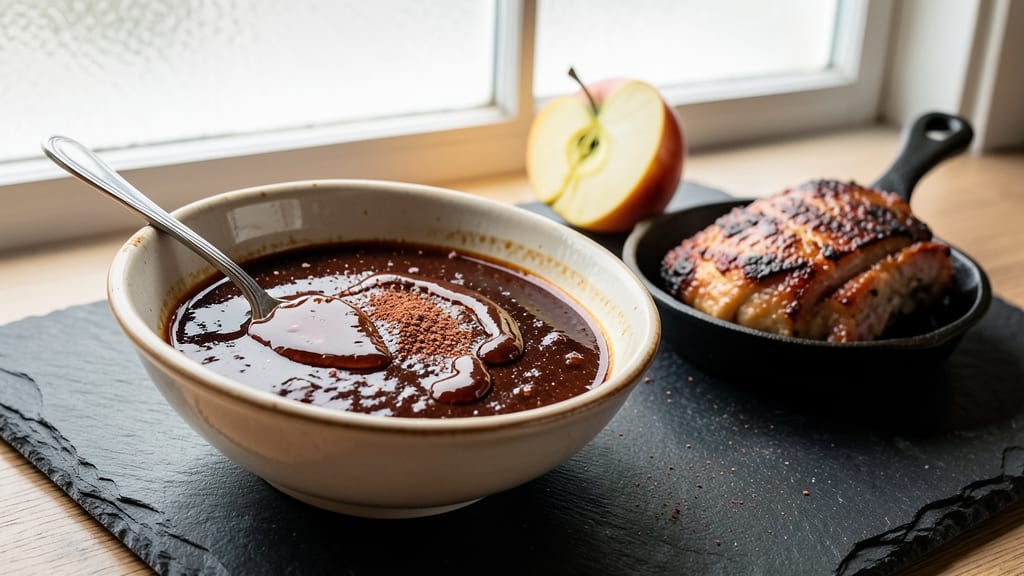
This Armstrong's BBQ sauce recipe delivers the smoky depth and chipotle heat that make it a pitmaster favorite—but with a hidden vinegar zing that cuts through the richness. 🔥 I developed this after years of perfecting the balance between sweet, tangy, and spicy profiles, using techniques I learned from both Texas barbecue traditions and my French technique training.
The secret lies in slow-cooked spices and a touch of apple cider vinegar that keeps the sauce bright.
The foundation starts with a blend of ketchup, molasses, and brown sugar for that classic sweetness, but it's the smoked paprika and chipotle powder that give it that signature Armstrong's smokiness.
I add a splash of vinegar not just for tang, but to prevent the sauce from becoming cloying—something I learned the hard way after burning through three batches that were too heavy.
The sauce thickens beautifully when simmered, creating that perfect glossy, swirlable consistency that clings to ribs and brisket like a dream.
What makes this recipe truly special is its versatility—it works as a dry rub when mixed with spices, a glaze when reduced, or a dipping sauce straight from the jar. The smoky chipotle notes come through in every application, while the vinegar keeps it from overpowering your meat.
Once you taste the difference between this homemade version and store-bought, you'll never go back to the bottle again.
Store it in the fridge for up to two weeks or freeze for three months, making it perfect for meal prep and large gatherings. The flavors only deepen over time, so you'll find yourself reaching for it long after the last bite of your last cookout.
Let's get to the ingredients—this sauce is worth every minute of simmering.
Ingredients for armstrong's bbq sauce
Nine ingredients, one smoky, tangy sauce that rivals the best store-bought—better.
| Ingredient | Amount | Notes |
|---|---|---|
| Ketchup 🍅 | 1 cup | High-quality, no added vinegar |
| Molasses 🍯 | ½ cup | Unsulphured for deeper flavor |
| Brown Sugar 🍚 | ½ cup | Light or dark, packed |
| Apple Cider Vinegar 🍏 | ¼ cup | Raw, unfiltered preferred |
| Smoked Paprika 🌶️ | 2 tbsp | High-quality, not smoked chili powder |
| Chipotle Powder 🌶️ | 1 ½ tbsp | Smoked chipotle, not adobo sauce |
| Garlic Powder 🧄 | 1 tbsp | Freshly ground preferred |
| Onion Powder 🧅 | 1 tbsp | Not onion salt |
| Ground Black Pepper 🌶️ | ½ tsp | Freshly cracked |
| Salt 🧂 | 1 ½ tsp | Kosher or sea salt |
| Water 💧 | ¼ cup | For thinning if needed |
The ketchup and molasses are your base, so don't skimp on quality. Heinz or Hunt's ketchup works, but if you've got a small-batch, vinegar-forward brand (like those at specialty stores), use it—they've got more depth. Molasses should be unsulphured; the sulphured kind tastes bitter. For the vinegar, Bragg's raw apple cider vinegar is my go-to, but any raw vinegar will do. The smoked paprika is non-negotiable—Penzeys or Gourmet Giant have great options. Chipotle powder? Look for smoked, not adobo sauce—that's a different beast entirely. Freshly ground spices make all the difference here, so if you've got a coffee grinder, toast and grind your garlic and onion powders yourself.
No chipotle powder? Substitute smoked paprika plus cayenne (start with half the amount of cayenne and adjust). Running short on molasses? Maple syrup works in a pinch, but it'll be sweeter. Vinegar too strong? Reduce it to 2 tbsp and add 1 tbsp tomato paste for balance. The brown sugar can be swapped for turbinado or coconut sugar if you're watching carbs. For a thicker sauce, simmer uncovered longer; for thinner, add water a tablespoon at a time. The sauce should coat the back of a spoon but still be pourable—that's the Armstrong's magic. And trust me, the fresh garlic powder makes this taste like you spent hours simmering, not 30 minutes.
This sauce only gets better with time. Store it in a glass jar in the fridge for up to 2 weeks—the flavors meld beautifully. Freeze for 3 months if you're prepping for a big cookout. I always double the batch because it disappears fast. The first time I made this, I froze half and had it ready for my next brisket cook—game changer. If it thickens too much, just whisk in a splash of water. And if you're using it as a dry rub, mix it with 1 tbsp brown sugar and 1 tsp smoked paprika per 2 tbsp of sauce.
Why You'll Love This Recipe
- I’ll be real: this sauce uses stuff I always have—ketchup, molasses, brown sugar—so no extra shopping trips. Just toss in vinegar and smoked paprika, simmer, and boom—homemade magic without the fuss.
- Pantry Magic: I’ll be real: this sauce uses stuff I always have—ketchup, molasses, brown sugar—so no extra shopping trips. Just toss in vinegar and smoked paprika, simmer, and boom—homemade magic without the fuss.
- Sweet-Smoky Balance: That molasses and brown sugar combo? It’s what makes this sauce ridiculously good—deep, caramelized, with just enough tang from the vinegar to cut through. The smoked paprika adds this smoky warmth that sticks with you.
- Weeknight Wonder: Slather it on burgers, drizzle over baked beans, or toss with grilled chicken—it’s my go-to for lazy nights when I’m not in the mood for complicated. Honestly, I’ve used it for everything from breakfast tacos to slow-cooker ribs.
Step-by-step instructions for smoky chipotle BBQ sauce
Here's how to craft that signature Armstrong's-style sauce with deep smoky notes and bright vinegar tang.
🍳 Step 1: Combine Wet Ingredients in a Saucepan
In a medium saucepan, combine the 1 cup ketchup, 0.5 cup molasses, 0.5 cup brown sugar, and 0.25 cup apple cider vinegar. I like to use a heavy-bottomed pan here—it prevents scorching when we bring this mixture to a boil. Give everything a gentle stir to dissolve the brown sugar completely, which should take about 1-2 minutes over medium-low heat.
This is where the foundation happens. The molasses adds that rich, caramel-like depth while the vinegar brings that bright acidity that cuts through the sweetness. Don't rush this step—let the sugar dissolve fully before moving on. You'll know it's ready when the mixture looks smooth and homogeneous with no grainy bits remaining.
🔥 Step 2: Simmer Until Thickened
Increase heat to medium-high and bring the mixture to a gentle boil. Once boiling, reduce heat to medium-low and let it simmer uncovered for 15-20 minutes, stirring occasionally. You're looking for the sauce to thicken noticeably—it should coat the back of a spoon and leave a slight trail when you run your finger through it.
Here's the thing—this isn't just about reducing the liquid. The prolonged simmering allows the flavors to meld together, developing that complex, layered taste that makes this sauce special. If the sauce starts to look too thick before the 20 minutes are up, you can add 1-2 tablespoons of the 0.25 cup water reserved for thinning, but try to avoid this if possible.
👨🍳 Step 3: Add Dry Seasonings and Spices
While the sauce simmers, measure out the 2 tbsp smoked paprika, 1.5 tbsp chipotle powder, 1 tbsp garlic powder, 1 tbsp onion powder, 0.5 tsp ground black pepper, and 1.5 tsp salt in a small bowl. Whisk these together thoroughly to break up any clumps, especially the chipotle powder which can be particularly dense.
Once your sauce has thickened to your desired consistency, remove it from heat and let it cool slightly for 2-3 minutes. Then, slowly whisk in the spice mixture, starting with about half and gradually adding the rest. This gradual approach prevents the spices from clumping and ensures even distribution throughout the sauce. You'll notice an immediate deepening of color and aroma—the smoky chipotle and paprika really start to shine here.
⏰ Step 4: Blend and Adjust Consistency
Transfer the sauce to a blender and blend until completely smooth. I like to use an immersion blender for this step—it's quicker and prevents the mess of transferring hot liquids. If you notice any lumps, especially from the brown sugar or molasses, give it an extra 10-15 seconds to ensure everything is perfectly blended.
Now's the time to taste and adjust. If the sauce needs more heat, add a pinch more chipotle powder. If it needs more depth, a splash of apple cider vinegar can brighten it up. For consistency, add the remaining 0.25 cup water if needed, 1 tablespoon at a time, until you reach that perfect saucy texture—thick enough to cling to meats but still pourable.
🥘 Step 5: Rest and Store for Maximum Flavor
Return the sauce to the saucepan and let it cool completely at room temperature. This resting period, which can take 30-45 minutes, allows all the flavors to truly meld together. The sauce will continue to thicken slightly as it cools, so don't be surprised if it looks even more concentrated when you're done.
For best results, store the sauce in an airtight container in the refrigerator for at least 24 hours before using. This resting time is crucial—it lets the flavors develop fully and the sauce reach its peak consistency. When you're ready to use it, give it a good stir and you'll have that perfect balance of smoky, sweet, and tangy that defines Armstrong's-style BBQ sauce.
Pro Tips For Making Armstrong'S Bbq Sauce
- STIR CONSTANTLY LOW HEAT: This sauce is not a set-and-forget project. I learned this after one batch turned into a sticky mess on the bottom—simmer on medium-low and stir every 30 seconds. The molasses and brown sugar burn faster than you’d think, and once it’s scorched, you’re starting over.
- WHISKEY OR NOTHING: The recipe calls for whiskey, but if you’re skipping it (or don’t have any), swap in an extra splash of apple cider vinegar—same tang, same depth. That said, if you do use whiskey, add it at the end and let it bloom for 30 seconds off the heat. It makes a real difference.
- SIEVE THE MOLASSES: Store-bought molasses is often gritty, and nothing ruins a smooth sauce like tiny sandpaper bits. Strain it through a fine-mesh sieve before adding—takes 30 seconds but saves you from wondering why your sauce tastes off later.
- TASTE BEFORE YOU THICKEN: Don’t wait until the end to check the seasoning. After 10 minutes of simmering, pull a spoonful and taste it raw—no sugar, no vinegar, just the base. Adjust salt, vinegar, or even a pinch of smoked paprika now, not when the sauce is already clinging to the pot.
Dietary considerations for this armstrong's bbq sauce
Gluten-Free Adaptation
This sauce is naturally gluten-free as written, but I always double-check my ingredients. The ketchup is the only potential concern—opt for brands labeled gluten-free like Heinz Gluten-Free Ketchup or Organicville.
The molasses, vinegar, and spices are all safe, but if you're highly sensitive, verify your smoked paprika and chipotle powder for cross-contamination warnings. 🌱
Vegan-Friendly Swaps
For a plant-based version, simply replace the brown sugar with coconut sugar or maple syrup, and ensure your ketchup is vegan (like Hunt's Vegan Ketchup). The molasses and vinegar are already vegan, and all spices are plant-derived.
The sauce will still develop that rich, smoky depth without any animal products. I've made this exact version for vegan BBQ competitions—it's a crowd-pleaser!
Low-Sugar Options
To reduce sugar content, cut the brown sugar to 0.25 cup and replace the remaining 0.25 cup with unsweetened applesauce or pure pumpkin purée. You'll need to add 1 extra tbsp apple cider vinegar to maintain balance.
The sauce will still thicken properly, though you may need to simmer it an extra 5 minutes to achieve the same consistency. Trust me, your ribs won't miss the sugar!
Allergen-Free Adjustments
For nut allergies, this recipe is already safe—just confirm your spices are processed in nut-free facilities. If you're avoiding sulfites, stick with unsulphured molasses and check your ketchup label. For soy concerns, use a soy-free ketchup like Annie's Organic.
The sauce remains vibrant and flavorful with these adjustments, proving you don't need common allergens to make it shine. Always read labels carefully, especially with store-bought ingredients.
Diabetic-Friendly Version
For a lower-glycemic option, replace half the ketchup with tomato paste (no added sugar) and reduce the brown sugar to 0.25 cup. Add 1 extra tbsp chipotle powder for heat and depth. The vinegar helps balance the sweetness while keeping carbs in check.
This version works beautifully on grilled chicken or as a dip—just be sure to monitor portion sizes since BBQ sauce can still contain sugars even when modified. 💪
Nutrition facts
Frequently asked questions
Why does this recipe use apple cider vinegar instead of regular vinegar?
The apple cider vinegar adds a subtle fruitiness that brightens the sauce without overpowering the smoky chipotle notes. Regular vinegar works in a pinch, but the raw, unfiltered apple cider vinegar brings depth and complexity that makes this sauce truly special. Plus, it helps balance the sweetness from the molasses and brown sugar.
Can I make this sauce without a blender?
Yes! If you don't have a blender, simply whisk the sauce vigorously for 2-3 minutes after removing it from heat. For extra smoothness, strain it through a fine-mesh sieve. The texture won't be perfectly silky, but it'll still be delicious and perfectly usable for ribs, pulled pork, or as a dip.
How do I adjust the heat level if I don't like spicy BBQ sauce?
Start by reducing the chipotle powder to 1 tbsp instead of 1.5 tbsp. For even milder heat, replace half the chipotle with extra smoked paprika. If you want to keep the smoky flavor without the heat, you can also add a pinch of cinnamon or nutmeg—it complements the chipotle beautifully while mellowing the spice.
What's the best way to use leftover sauce?
Leftover sauce keeps beautifully for 2 weeks in the fridge or 3 months frozen. Use it as a marinade for chicken or pork, brush on grilled veggies, or mix with mayo for a smoky dip. For extra flavor, add a splash of beef broth when reheating—it enhances the depth of the smoky notes. The sauce also makes an amazing glaze for baked potatoes or corn on the cob!
Why does my sauce look too thick after simmering?
This is normal as the sauce cools—it thickens naturally. If it's too thick for your liking, whisk in 1 tbsp water at a time until you reach the perfect consistency. For next time, simmer uncovered for 15 minutes instead of 20 minutes to prevent over-thickening. The sauce should coat the back of a spoon but still be pourable when warm.