
Sauces & Condiments
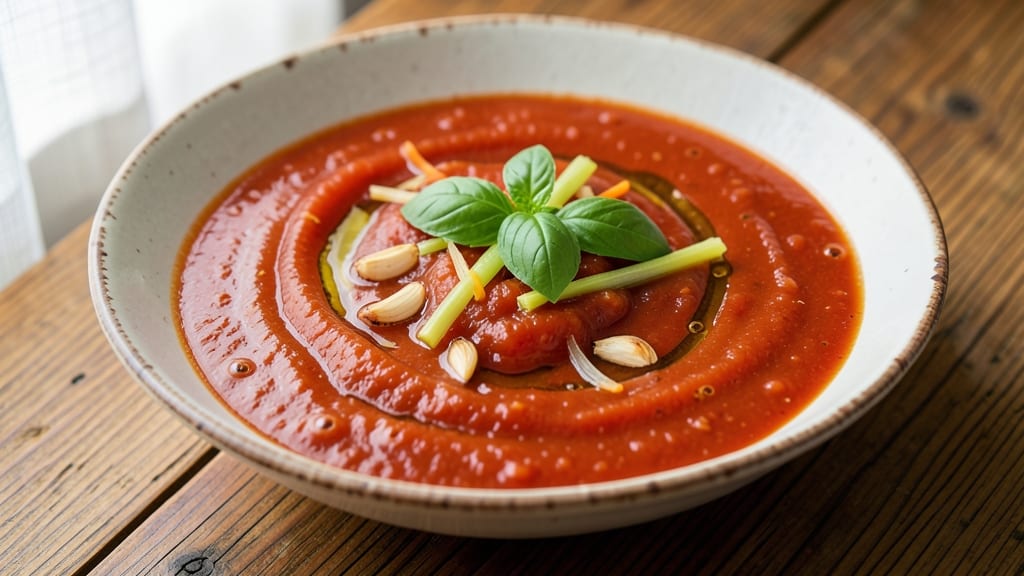
Alton Brown's marinara sauce transforms simple ingredients into a restaurant-worthy sauce with layers of umami and a signature celery crown crunch. This recipe captures his signature precision—balancing acidity, sweetness, and texture—while delivering a sauce that's vibrant, complex, and foolproof for any Italian dish.
The secret lies in slow-simmering the base until flavors meld deeply, then finishing with a crispy celery crown that adds unexpected crunch. Unlike quick sauces, this method develops rich, caramelized notes that elevate pasta, pizza, or meatballs to new heights.
Every element—from the garlic to the celery—plays a role in creating that signature Alton Brown depth.
What sets this marinara apart is the perfect harmony of sweet and tangy tomatoes, aromatic herbs, and that signature crunch. The sauce thickens just enough to coat perfectly while remaining silky smooth, with the celery crown adding a satisfying contrast.
It’s the kind of sauce that makes homemade Italian meals taste like they came from a high-end restaurant.
Best of all, it keeps beautifully for up to a week in the fridge, so you can make a big batch and enjoy it all week. Whether you’re prepping for a dinner party or just craving homemade pasta night, this sauce delivers professional results with minimal effort. Let’s get cooking!
Ingredients for alton brown marinara sauce
Eleven ingredients blend to create Alton Brown's signature slow-simmered marinara with restaurant-quality depth.
| Ingredient | Amount | Notes |
|---|---|---|
| San Marzano Crushed Tomatoes 🍅 | 28 oz | High-quality, whole peeled |
| Extra-Virgin Olive Oil 🫒 | ½ cup | Fruity, peppery variety |
| Yellow Onion 🧅 | 1 whole | Medium, finely diced |
| Garlic Cloves 🧄 | 4 cloves | Fresh, minced finely |
| Celery Stalks 🥬 | 2 whole | Fresh, thinly sliced |
| Carrot 🥕 | 1 whole | Medium, finely diced |
| Fresh Basil Leaves 🌿 | ½ cup | Packed, chiffonade cut |
| Fresh Oregano Leaves 🍃 | ¼ cup | Packed, chopped |
| Red Wine Vinegar 🍷 | 1 tbsp | Dry, aged variety |
| Granulated Sugar 🍚 | 1 tsp | For balancing acidity |
| Diamond Crystal Kosher Salt 🧂 | 1 ½ tsp | Adjust to taste |
| Freshly Ground Black Pepper 🌶️ | ½ tsp | Coarsely ground |
The San Marzano tomatoes are non-negotiable for this sauce—their natural sweetness and low acidity create the perfect base. Look for whole, peeled cans at Whole Foods or Trader Joe's, where quality is tightly controlled. The celery crown technique relies on fresh celery, so choose crisp stalks with vibrant green leaves. For the herbs, farmers' markets often carry fresher basil and oregano than grocery stores, but if you're working with dried, use half the amount. The olive oil should be cold-pressed and fruity—avoid the cheap supermarket brands that lack flavor complexity. Pre-mincing the garlic and finely dicing the vegetables ensures even cooking and optimal flavor extraction during the slow simmer.
No San Marzano tomatoes? Crushed tomatoes in a jar work in a pinch, but add an extra pinch of sugar to balance any tartness. Substitute white wine for the red wine vinegar if you prefer, though the acidity will differ slightly. For the celery crown, if you can't find fresh celery, dried celery flakes can be sprinkled at the end, though fresh is preferred for that signature crunch. The sugar can be omitted entirely if you're using particularly sweet tomatoes, but it helps round out the acidity. If you're making this ahead, freeze the sauce without the celery crown—add it fresh when reheating to maintain crispness. For a deeper umami profile, a splash of fish sauce (just ½ teaspoon) can be added, though it's optional.
This sauce develops richer flavors over time, so make it a day ahead if possible. Store in an airtight container in the fridge for up to 7 days, with the celery crown added just before serving. For longer storage, freeze in ice cube trays—perfect for portion control. The celery crown should be made fresh each time, as it loses crispness when stored. To reheat, warm gently on the stove or microwave until bubbling, then stir in the celery crown just before serving. The sauce thickens as it cools, so it may need a splash of water or broth if too thick when reheated.
Why You'll Love This Recipe
- No-Fuss Mise en Place: I swear by this sauce because it’s the kind of recipe where you can chop everything in 10 minutes flat—onion, celery, garlic—then let the San Marzano tomatoes and olive oil do the rest. Honestly, the only real effort is the initial dice, and even that’s forgiving if you’re not a knife ninja.
- San Marzano Magic: That first spoonful of the finished sauce? It’s the kind of flavor that makes you pause mid-bite. The crushed tomatoes here aren’t just any tomatoes—they’re the good stuff, and when you simmer them with olive oil, garlic, and a touch of celery for depth, it’s like a hug in a jar. (Yes, even on a Tuesday night.)
- Weeknight to Dinner Party: Between us, this sauce works for everything—spaghetti, grilled chicken, even as a pizza base. I’ve used it to impress date nights and fed a crowd with zero stress. The secret? It’s got that balanced acidity and sweetness that makes it versatile without tasting like “just marinara.”
- Leftovers That Don’t Suck: I make a double batch because the leftovers? Chef’s kiss. They thicken up nicely in the fridge and reheat like a dream—no splitting or watery mess. Plus, it’s budget-friendly; a single can of San Marzano and a few pantry staples stretch this sauce for days. My freezer’s always got a jar waiting for lazy nights.
Step-by-step instructions for slow-simmered umami marinara
This method builds flavor layer by layer—no shortcuts, just technique.
Sauté the Vegetable Base
Heat the 0.5 cup extra-virgin olive oil in a heavy-bottomed saucepan over medium-low heat. Add the 1 whole finely diced yellow onion, 2 whole thinly sliced celery stalks, and 1 whole finely diced carrot. Cook for 8-10 minutes until the vegetables soften and begin to caramelize—this develops their natural sweetness and forms the sauce's foundation.
I press the vegetables down occasionally with a wooden spoon to ensure even cooking. The goal is to create a golden-brown paste that will infuse the tomatoes with deep, complex flavor. If the oil starts to smoke, reduce the heat slightly—you want gentle cooking, not burning.
Add Aromatics and Acid
Stir in the 4 cloves finely minced garlic cloves and cook for 30 seconds until fragrant—don't let them brown, or they'll turn bitter. Add the 1 tbsp red wine vinegar and 1 tsp granulated sugar, then pour in the 28 oz San Marzano crushed tomatoes. The acidity brightens the tomatoes, while the sugar balances their natural tartness.
Bring the mixture to a gentle simmer, then reduce the heat to low. Here's the thing—this sauce needs time to develop. Let it cook uncovered for 45-60 minutes, stirring occasionally. You're looking for the sauce to reduce by about one-third, intensifying its flavor and thickening its texture. The longer it simmers, the deeper the umami profile becomes.
Season and Incorporate Herbs
After the initial simmer, add the 1.5 tsp Diamond Crystal kosher salt and 0.5 tsp freshly ground black pepper. Taste the sauce—it should be balanced but still need the fresh herbs. Stir in the 0.5 cup chiffonade-cut fresh basil leaves and 0.25 cup chopped fresh oregano leaves. These herbs add brightness and complexity that dried herbs can't match.
Continue simmering for another 15-20 minutes, stirring occasionally. The herbs will soften and meld into the sauce, releasing their essential oils. If the sauce thickens too much, add 1-2 tablespoons of water to reach your desired consistency. The key is to maintain a smooth, velvety texture without making it watery.
Finish and Rest
Remove the sauce from heat and let it rest for 10 minutes. This resting period allows the flavors to fully integrate and the sauce to thicken slightly as it cools. Taste again and adjust the seasoning if needed—sometimes the salt and acid need fine-tuning after resting.
The sauce should now have a rich, deep color with a complex aroma—sweet from the caramelized vegetables, tangy from the vinegar, and herbal from the fresh basil and oregano. Serve immediately over pasta, or store in an airtight container in the refrigerator for up to 5 days (the flavor actually improves with time).
Pro Tips For Making Alton Brown Marinara Sauce
- Sweat the Celery First: The recipe calls for celery, onion, and garlic together, but I learned this the hard way—sweating the celery alone for 5 minutes first keeps it from turning mushy later. It also pulls out more flavor, so don’t skip it.
- Use a Splatter Screen: When you crush the garlic cloves into the pot, things get messy fast. I keep a cheap splatter screen handy—it catches the oil spray while letting steam escape, so your stove and walls stay clean. (Yes, even if you’re impatient like me.)
- Salt the Tomatoes Early: The San Marzano crushed tomatoes need salt before they simmer, not after. Sprinkle in 1½ teaspoons with the tomatoes and stir—it helps break down the skins slightly and balances the acidity as it cooks.
- Simmer, Don’t Boil: After adding the tomatoes, keep the heat at a gentle simmer, not a rolling boil. I used to rush this, and the sauce would split or taste raw. A low, steady simmer (about 20 minutes) lets the flavors meld without losing texture. (Your future self will notice.)
Flavor customization for these flavors
Sweet-Tangy Balance
Adjust the red wine vinegar to granulated sugar ratio based on your tomato's sweetness. For extra tart tomatoes, add an extra ½ tsp vinegar or reduce sugar to ½ tsp.
I once used San Marzano tomatoes from a late-season harvest that were particularly sweet—cutting sugar to ½ tsp kept the sauce from tasting cloying. 🍚
Want more depth? Add 1 tsp tomato paste when sautéing the vegetables—it adds umami without altering texture. For a smoky twist, swap ½ tsp smoked paprika for regular paprika. The key is to taste as you go; marinara should taste vibrant, not one-dimensional.
Herb Variations
Swap fresh basil and oregano for thyme and rosemary for a Provençal twist. Use ½ tsp dried thyme and ½ tsp dried rosemary (half the fresh amount).
For a Sicilian-inspired sauce, add 1 tsp fennel seeds toasted in the olive oil—it adds a subtle licorice note that pairs beautifully with seafood.
Need a low-herb option? Use 1 tbsp dried Italian seasoning (equal parts basil, oregano, and thyme). For a spicy kick, stir in ½ tsp red pepper flakes at the end—it adds heat without overpowering the sauce's delicate balance. 🌶️
Texture Adjustments
For a chunkier sauce, reduce the simmering time to 30 minutes and blend only half the batch. I like keeping some texture for rustic appeal—just pulse in a food processor for 10 seconds to break up larger pieces while preserving some body.
For a completely smooth sauce, blend everything until silky after simmering.
Want that celery crown crunch without fresh celery? Pulse 2 tbsp dried celery flakes with 1 tbsp toasted breadcrumbs in a food processor. Sprinkle over the sauce just before serving—it mimics the texture beautifully. For extra richness, add 1 tbsp grated Parmesan to the sauce while warm.
Umami Boosters
Add 1 tsp fish sauce or ½ tsp soy sauce during the final 15 minutes of simmering for a deeper umami profile. The sauce will taste more complex, almost like a slow-cooked ragù. For a vegetarian-friendly boost, use 1 tsp miso paste instead—it adds fermented depth without animal products.
For a nutty twist, toast 1 tbsp pine nuts in the olive oil until golden, then strain them out before adding tomatoes. The residual oil infuses the sauce with a subtle nutty aroma.
I’ve also added 1 tsp balsamic glaze at the end for a sweet-tangy finish that elevates the sauce for drizzling over pasta or bruschetta.
Nutrition facts
Frequently asked questions
Why does Alton Brown's marinara sauce need such a long simmer time?
The extended 45-60 minute simmer develops deep, complex flavors by reducing the sauce and allowing the vegetables to caramelize. This slow process creates that signature umami richness that separates homemade sauce from store-bought. The longer it cooks, the more the natural sugars in the tomatoes concentrate, creating a balanced sweet-tangy profile.
Can I make this sauce without San Marzano tomatoes?
Yes, but expect slightly different flavor characteristics. Use high-quality crushed tomatoes in a jar and add an extra ½ tsp sugar to balance any tartness. For best results, choose brands with minimal additives. The sauce will still be delicious, though the natural sweetness and low acidity of San Marzano tomatoes give this recipe its signature depth.
What's the best way to store leftovers with the celery crown?
Store the sauce without the celery crown in an airtight container in the fridge for up to 5 days. Add the celery crown fresh when reheating to maintain its crisp texture. For longer storage, freeze the sauce (without celery) in ice cube trays—perfect for portion control. When reheating, warm gently on the stove or microwave until bubbling, then stir in the celery crown just before serving.
How can I adjust the sauce for spaghetti vs. meatballs?
For spaghetti, keep the sauce slightly thinner to coat the noodles perfectly. For meatballs, reduce the sauce longer (up to 90 minutes) to achieve a thicker, more concentrated flavor. The celery crown works beautifully with both—its crunch contrasts the softness of pasta and the richness of meatballs. Taste as you go and adjust with water or a splash of pasta water.
What's the secret to getting that perfect celery crown texture?
The celery crown needs to be thinly sliced and toasted until golden and crisp. Use a mandoline for even slices, then cook in olive oil over medium heat for 3-4 minutes**, stirring constantly. The key is patience—don't walk away! The crown should be crispy outside with slightly softened edges inside. Add it to the warm sauce just before serving for maximum crunch.