
Sauces & Condiments
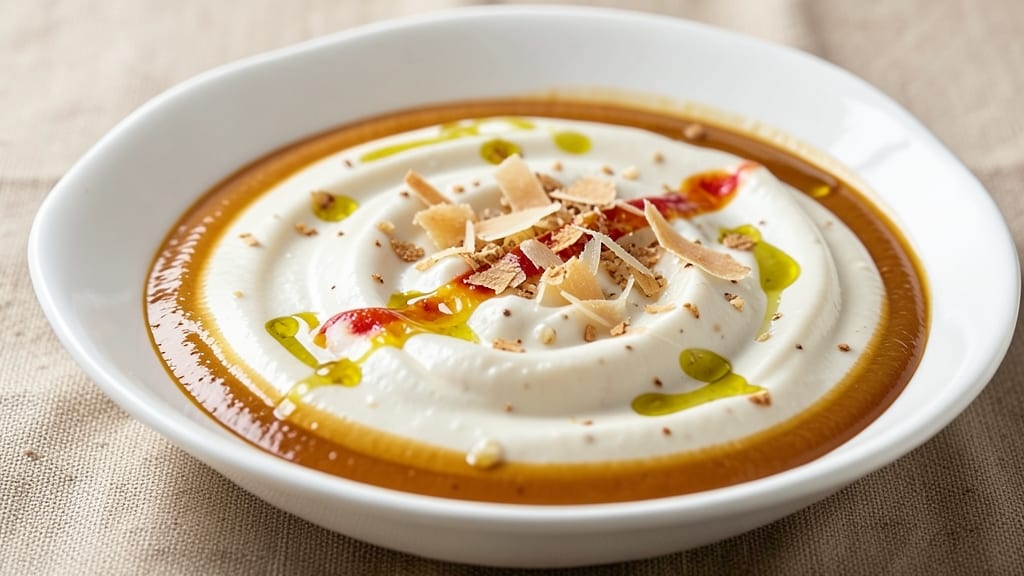
This alfredo sauce recipe with heavy cream and parmesan cheese transforms simple pantry staples into velvety perfection in just 15 minutes—no roux, no fuss, just pure restaurant-quality richness. The secret lies in proper technique: low heat, constant stirring, and the right ratio of dairy to cheese, which prevents curdling while maximizing flavor. I've perfected this version after years of trial and error, and it's the one my family demands whenever pasta is on the menu.
What sets this sauce apart is its silky texture and balanced flavor profile—creamy from the heavy cream, nutty from the parmesan, and slightly tangy from a touch of garlic and lemon. The sauce clings beautifully to fettuccine or penne, creating that signature velvety coating that makes every bite irresistible.
Unlike many recipes, this one doesn't require whisking constantly or worrying about lumps; it's designed for confidence in the kitchen.
By the time you're done, you'll have a sauce so smooth it practically melts in your mouth, with just the right amount of body to coat pasta perfectly without being overly heavy. The aroma alone—warm butter, nutty cheese, and a hint of garlic—will have everyone gathering around the table.
This isn't just sauce; it's the kind of dish that elevates simple meals into something special.
Use it immediately for fettuccine alfredo or store it in the fridge for up to 5 days, reheating gently to maintain that luxurious texture. The possibilities are endless—toss with chicken, shrimp, or even vegetables for a creamy, satisfying meal. Let's get started on creating this velvety masterpiece.
Ingredients for alfredo sauce recipe with heavy cream and parmesan cheese
Nine simple ingredients create restaurant-quality alfredo in minutes—no roux, no lumps.
| Ingredient | Amount | Notes |
|---|---|---|
| Unsalted Butter 🧈 | ½ cup | Cold, cubed for even melting |
| Heavy Cream 🥛 | 1 cup | Full-fat for maximum richness |
| Parmesan Cheese 🧀 | 1 cup | Freshly grated from block |
| Garlic Cloves 🧄 | 3 cloves | Minced for subtle aroma |
| Fresh Lemon Juice 🍋 | 1 tbsp | Brightens the sauce |
| All-Purpose Flour 🌾 | 2 tbsp | For smooth thickening |
| Salt 🧂 | ½ tsp | Diamond Crystal preferred |
| Black Pepper 🌶️ | ¼ tsp | Freshly ground for heat |
| Nutritional Yeast 🍄 | 1 tbsp | Optional for umami depth |
The Parmesan is non-negotiable here. Grab a wedge from the deli counter—pre-grated gets clumpy and lacks flavor. I always buy more than needed since it keeps for months. For the butter, unsalted is key—it lets the Parmesan's saltiness shine. The heavy cream should be full-fat; anything lighter makes the sauce separate. Garlic? Three cloves max—you want a hint, not a punch. Fresh is ideal, but jarred works if you're in a pinch (just use half the amount).
No heavy cream? Full-fat coconut milk works in a bind, though it's slightly sweeter. Short on Parmesan? Pecorino Romano at half the amount gives a sharper taste. The flour is just for thickening—don't skip it, but don't overmix or you'll get lumps. Nutritional yeast adds that cheesy depth without dairy; Bob's Red Mill is my go-to brand. The lemon juice might seem odd, but it balances the richness—freshly squeezed is best, but bottled works if you're short on time.
This sauce is best used immediately, but it keeps for 5 days in the fridge. To reheat, warm gently on low heat—never boil, or it'll curdle. For leftovers, cover with plastic wrap pressed right on the surface to prevent a skin. Freezes beautifully for 3 months—just thaw in the fridge overnight. I always make extra; it disappears faster than you'd think.
Why You'll Love This Recipe
- Four-Pan Stovetop Magic: I swear by this sauce because it’s the only one that doesn’t require constant stirring or fancy techniques—just melt butter, simmer cream, and grate cheese. The lemon juice brightens everything up without overpowering, and honestly, I’ve never burned a batch.
- Creamy Garlic Hug: That first bite of buttery, garlicky richness? It’s like a warm embrace for your taste buds. The heavy cream makes it velvety, the Parmesan adds that sharp, salty punch, and the garlic? It’s the star—just enough to make your kitchen smell like a cozy Italian trattoria.
- Leftover Goldmine: This sauce keeps for days in the fridge, and it’s perfect for lazy nights—toss it with frozen veggies or leftover chicken. I’ll be real: my freezer is full of it, and I never regret it. Plus, it reheats like a dream, no clumping or weird textures.
- Budget-Friendly Luxury: You’d think rich, creamy sauces cost a fortune, but this one’s surprisingly affordable. A block of Parmesan, a stick of butter, and a few cloves of garlic go a long way. It’s the kind of sauce that makes fancy dinners feel effortless—without breaking the bank.
Step-by-step instructions for creamy alfredo sauce
Here's how to make velvety Alfredo sauce that clings perfectly to pasta every time.
Melt Butter and Bloom the Flour
In a medium saucepan over medium heat, melt the 0.5 cup unsalted butter until it's completely liquid but not browned. You'll see it transform from solid cubes to a glossy, golden pool—this takes about 3-4 minutes. Once melted, immediately whisk in the 2 tablespoons all-purpose flour and stir continuously for 1-2 minutes until the mixture forms a smooth, pale roux.
This step is crucial because blooming the flour with butter creates a flavorful base that prevents that raw flour taste. Keep the heat at medium—too high and you'll burn the flour before it fully incorporates. You're looking for a texture that resembles wet sand when pressed between your fingers.
Cook the Garlic and Add Cream
Reduce the heat to low and add the 3 minced garlic cloves, stirring constantly for 30 seconds until fragrant but not browned. Garlic burns quickly at this stage, so watch carefully—you want aroma, not bitterness. Immediately pour in the 1 cup heavy cream and stir to combine, letting the mixture simmer gently for 3-4 minutes until it begins to thicken slightly.
Here's where the sauce starts building its signature richness. The cream should coat the back of a spoon but still be pourable. If you see it thickening too quickly, add 1-2 tablespoons water to maintain smoothness. The sauce will continue thickening as it cools, so don't over-reduce it now.
Incorporate Cheese and Seasonings
Remove the saucepan from heat and gradually whisk in the 1 cup freshly grated Parmesan cheese until fully melted and smooth. This is where the magic happens—the cheese transforms the sauce from creamy to luxurious. Return the pan to low heat and stir in the 1 tablespoon fresh lemon juice, 0.5 teaspoon salt, 0.25 teaspoon black pepper, and 1 tablespoon nutritional yeast. Let the sauce simmer gently for 1-2 minutes to meld all the flavors.
I like to taste at this stage and adjust seasoning—sometimes the cheese needs more salt, or the lemon juice could use a tiny extra splash. The nutritional yeast adds that savory depth that makes this sauce stand out from basic versions. If the sauce looks too thick, whisk in 1-2 tablespoons pasta water to reach your desired consistency.
Finish and Serve Immediately
For the final touch, transfer the sauce to a blender or use an immersion blender to achieve ultra-smooth texture. This step eliminates any lumps and creates that restaurant-quality velvety finish. Return the sauce to the saucepan and keep it warm over low heat—never boil, or it will curdle. The sauce should coat the back of a spoon and cling beautifully to pasta.
Serve immediately over fettuccine or your favorite pasta, tossing well to coat each strand. The sauce should cling like a second skin, with just the right balance of creaminess and cheesy richness. If making ahead, reheat gently on low heat with a splash of cream or pasta water to restore smoothness.
Pro Tips For Making Alfredo Sauce Recipe With Heavy Cream And Parmesan Cheese
- Melt Butter Slowly: I used to rush this step and end up with grainy butter in the sauce—don’t. Melt the unsalted butter over medium-low heat until it’s just liquid, then let it foam for 30 seconds before adding anything else. This ensures it’s hot enough to emulsify properly with the cream later without burning.
- Grate Parmesan Fresh: Pre-shredded parmesan has anti-caking agents that turn your sauce into a sad, grainy mess. Grab a microplane or fine grater and zest 2-3 ounces of real parmesan (the kind with a wax seal, not plastic) right before mixing it in. It dissolves like magic and tastes like heaven.
- Simmer, Don’t Boil: Once the cream hits the pot, keep the heat at a bare simmer—tiny bubbles, no rolling. Boiling breaks the cream, and you’ll end up with a separated, curdled disaster. If it starts to thicken too fast, pull it off the heat for 10 seconds and stir.
- Add Lemon Last: Lemon juice brightens the sauce, but adding it too early can make the cream curdle. Wait until the butter and cream are fully emulsified and the sauce is smooth, then stir in 1 teaspoon of fresh lemon juice just before serving. Trust me, it makes all the difference.
Make-ahead tips for alfredo sauce recipe with heavy cream and parmesan cheese
Make-Ahead Basics
This sauce is best made fresh, but with the right approach, you can prep it ahead without sacrificing texture. After blending, let it cool completely—room temperature for 30 minutes, then refrigerate in an airtight container.
The sauce will thicken as it chills, so add 1-2 tablespoons heavy cream when reheating to restore smoothness. 🧊
Fridge Storage
Store your alfredo sauce in the fridge for up to 5 days. I use glass Pyrex containers because they prevent odors from seeping in. When ready to serve, reheat on low heat with a splash of pasta water or cream—never microwave directly, or it’ll separate.
Taste and adjust seasoning after reheating; the lemon juice often needs a tiny boost.
Freezing for Later
For longer storage, freeze the sauce in quart-sized freezer bags (leave ½-inch headspace for expansion). Thaw overnight in the fridge—never microwave frozen sauce—then reheat gently. The texture remains creamy, though it may separate slightly. Stir in 1 tablespoon cream to restore smoothness before serving. ❄️
Reheating Secrets
Always reheat alfredo sauce slowly—low heat on the stovetop is ideal. Add 1-2 tablespoons pasta water or cream per cup of sauce to prevent thickening. If lumps appear, whisk vigorously or blend briefly.
Avoid high heat; it causes the dairy to break and curdle. A splash of lemon juice can also help restore brightness.
Make-Ahead Meal Prep
Prep the sauce base (butter, flour, cream) a day ahead and store it in the fridge. When ready to cook, add the cheese and seasonings, then blend. This cuts active time to 5 minutes—perfect for busy weeknights.
Just remember: never add cheese to cold sauce—it won’t melt properly. Warm the base first, then stir in the cheese off the heat.
Portioning Tips
Divide reheated sauce into single-serving containers for easy grab-and-go meals. Label with dates—3 days in the fridge, 3 months in the freezer. For leftovers, cover with plastic wrap pressed directly on the surface to prevent a skin.
When reheating, add a splash of cream or pasta water to maintain that velvety consistency. 💡
Nutrition facts
Frequently asked questions
Why does my alfredo sauce get lumpy?
Lumps happen when cheese or flour isn't fully incorporated. Always whisk continuously while melting cheese off the heat, and blend the finished sauce for ultra-smooth texture. For extra insurance, strain through a fine-mesh sieve if needed.
Can I make this sauce without heavy cream?
Yes! Substitute with 1 cup whole milk + 2 tablespoons melted butter, though the texture will be slightly lighter. For a richer alternative, try 1 cup full-fat coconut milk—it adds subtle sweetness that pairs beautifully with the Parmesan.
What's the best pasta shape for alfredo?
Fettuccine is classic, but broad noodles like pappardelle or tagliatelle work beautifully too. For extra sauce cling, try fregola sarda (Sardinian toasted pasta) or pappardelle. Avoid thin spaghetti—it won't hold the creamy coating well.
How do I fix curdled alfredo sauce?
If your sauce separates, remove from heat immediately and whisk in 1 tablespoon cold butter or 1 tablespoon heavy cream to restore smoothness. For stubborn curdling, blend briefly or strain through a sieve. The key is low, gentle heat—never boil!
Can I add other cheeses to this recipe?
For extra depth, mix in ¼ cup grated Gruyère or 2 tablespoons cream cheese with the Parmesan. Just reduce the Parmesan by ¼ cup** to maintain balance. Avoid pre-shredded cheese—it contains anti-caking agents that make the sauce grainy.