
Sauces & Condiments
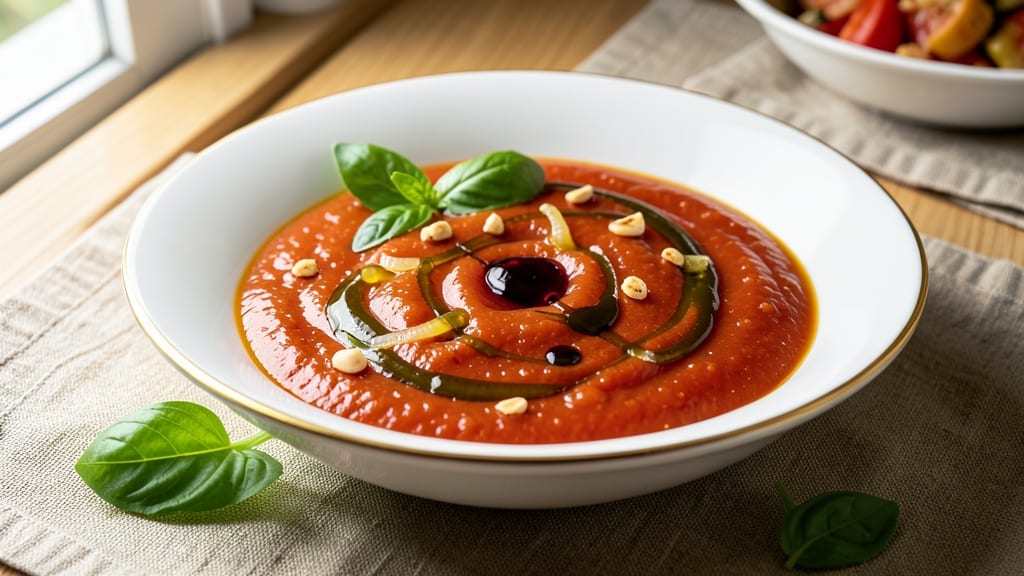
This all-natural tomato sauce recipe transforms simple ingredients into a vibrant, preservative-free sauce that elevates every dish—pasta, pizza, or dips—with just 20 minutes of hands-on time.
The secret lies in fresh tomatoes, aromatic garlic, and a touch of olive oil, simmered low and slow to develop deep, natural flavor without canned shortcuts. I developed this recipe after tiring of store-bought versions that lacked brightness and often contained hidden additives.
The beauty of this sauce is its versatility and purity—no thickeners, no artificial preservatives, just whole-food ingredients that sing when combined. Aromatic garlic and fresh herbs infuse the sauce with layers of flavor, while a splash of red wine vinegar brightens the acidity.
The sauce thickens naturally as it simmers, creating a velvety texture that clings perfectly to pasta or pizza crust.
What you’ll end up with is a rich, vibrant tomato sauce that’s far more complex than anything from a jar. The colors remain bright, the flavors balanced, and the texture just right—neither too thick nor too thin.
Best of all, it keeps beautifully in the fridge for up to a week or freezes for months, so you can always have homemade flavor on hand.
Perfect for meal prep, holiday gatherings, or an easy weeknight dinner, this sauce proves that natural ingredients can deliver restaurant-quality results. Let’s get cooking—your taste buds will thank you.
Ingredients for all natural tomato sauce
Fresh tomatoes, aromatic garlic, and vibrant herbs create this preservative-free sauce with restaurant-quality depth.
| Ingredient | Amount | Notes |
|---|---|---|
| San Marzano Tomato Cans 🍅 | 2 cans | Whole peeled, no salt added |
| Extra-Virgin Olive Oil 🫒 | ½ cup | High-quality, fruity variety |
| Yellow Onion 🧅 | 1 whole | Medium size, finely diced |
| Garlic Cloves 🧄 | 4 cloves | Fresh, peeled and minced |
| Fresh Basil Leaves 🌿 | ½ cup | Packed, stems removed |
| Red Wine Vinegar 🍷 | 1 tbsp | For brightness and acidity |
| Sea Salt 🧂 | 1 ½ tsp | Diamond Crystal preferred |
| Ground Black Pepper 🌶️ | ½ tsp | Freshly ground for flavor |
| Fresh Oregano Leaves 🍃 | ¼ cup | Chopped, or dried equivalent |
| Sugar 🍬 | 1 tsp | Balances acidity naturally |
The San Marzano tomatoes are non-negotiable here—their sweetness and low acidity create a perfectly balanced sauce. Whole peeled cans from the Italian section (like Mutti or Costco) avoid the mushy texture of crushed tomatoes. Onions should be finely diced for even distribution, and fresh garlic cloves—never powdered—add depth that jarred sauces can't match. For herbs, farmers markets often have fresher basil and oregano than grocery stores, but use what you can find. The red wine vinegar is key: Bartles & Jaymes or any decent balsamic vinegar works, but avoid the cheap stuff that tastes like vinegar.
No San Marzano? Plum tomatoes or Roma work in a pinch, but you'll need to peel and crush them yourself for that same velvety texture. Fresh herbs wilt fast, so dried oregano at one-third the amount is a good backup, but fresh basil is worth the extra minute to chop. Short on vinegar? Lemon juice at double the amount brightens the sauce, though it won't have the same depth. The sugar balances acidity—honey or maple syrup can substitute, but sugar dissolves more evenly. For a smokier profile, add 1/4 tsp smoked paprika or a pinch of crushed red pepper flakes. And if you're using a blender, strain the sauce afterward for that silky restaurant texture.
This sauce thickens as it sits, so cover loosely with plastic wrap to prevent a skin from forming. Keeps for 5-7 days in the fridge, where flavors deepen over time. Freeze in ice cube trays for single-serving portions—just thaw and reheat. For meal prep, double the batch and freeze half immediately. The sauce reheats beautifully—low heat only to preserve texture. If it thickens too much after refrigeration, a splash of water or broth thins it perfectly. And don't toss those herb stems—they're packed with flavor for future batches.
Why You'll Love This Recipe
- Five-Ingredient Magic: I swear by this combo—San Marzano tomatoes, olive oil, and garlic alone make it taste like a restaurant. Add fresh basil at the end, and it’s like someone’s whispering, "You’re welcome" with every bite.
- No-Fuss Simplicity: Chop one onion, crush a few garlic cloves, and dump in the tomatoes. That’s it. No peeling, no seeding, no stress—just 20 minutes of hands-off simmering while you do whatever else life throws at you.
- Weeknight Workhorse: This sauce shows up for everything—toss it with pasta, slather it on grilled cheese, or serve it over polenta. Honestly, I’ve even used it as a marinade for chicken. It’s the kind of recipe that makes you feel like a hero without trying.
- Budget-Friendly Luxury: San Marzano cans might seem fancy, but they’re worth every penny—they’re sweeter, meatier, and cheaper than buying fresh tomatoes in season. Plus, a single jar stretches into three meals, so your wallet (and your leftovers) will thank you.
Step-by-step instructions for all natural tomato sauce
Transform simple ingredients into a complex, restaurant-quality sauce with this precise method.
Sauté Aromatics Until Fragrant
Heat the 0.5 cup extra-virgin olive oil in a large, heavy-bottomed saucepan over medium-low heat. Add the finely diced yellow onion and cook for 5-6 minutes until completely translucent and beginning to soften. This slow cooking prevents burning and develops sweetness in the onion.
Add the minced garlic cloves and cook for another 1-2 minutes until the garlic is golden and fragrant—never let it brown or it will turn bitter. Here's the thing—if you smell garlic burning, you've gone too far. Remove the pan from heat immediately and start over with fresh garlic if needed. This aromatic base forms the flavor foundation of your sauce.
Build the Sauce Base with Tomatoes
Return the pan to medium heat and add the 2 cans San Marzano tomato cans, crushing them gently with your hands as you add them. This creates a chunkier texture while allowing the tomatoes to break down naturally. Stir in the 1 tbsp red wine vinegar and 1 tsp sugar, then bring the mixture to a gentle simmer.
Simmer uncovered for 8-10 minutes while stirring occasionally. You're looking for the sauce to reduce slightly and develop a rich, concentrated tomato flavor. The vinegar brightens the acidity while the sugar balances it naturally—this is where the sauce begins to transform from simple tomatoes to complex, layered flavor. Don't rush this step; patience is key to developing depth.
Season and Simmer to Perfection
Add the 1.5 tsp sea salt, 0.5 tsp ground black pepper, 0.5 cup fresh basil leaves, and 0.25 cup fresh oregano leaves to the sauce. Stir well to combine, then return to a gentle simmer. The herbs should infuse the sauce with their bright, fresh flavors while the seasonings come together harmoniously.
Continue simmering for another 5-7 minutes until the sauce reaches your desired consistency. For a smoother sauce, use an immersion blender to purée it slightly after seasoning. The sauce should coat the back of a spoon but still be vibrant in color. Here's the critical checkpoint: the sauce should be thick enough to coat pasta but still flow smoothly—this balance ensures perfect texture on noodles.
Finish and Adjust Seasoning
Remove the sauce from heat and let it rest for 5 minutes to allow the flavors to meld completely. Taste and adjust seasoning if needed—this is where you fine-tune the sauce to your preference. Add a pinch more salt if needed, or a splash more vinegar for brightness. The sauce should be vibrant, balanced between sweet, acidic, and savory notes.
For the best results, use the sauce immediately over pasta, in lasagna layers, or as a base for meatballs. If storing, transfer to an airtight container and refrigerate for up to 5 days or freeze for up to 3 months. The flavors will continue to develop over time, making this sauce even more complex with each passing day. This method guarantees a sauce that's vibrant, naturally sweet, and completely free of preservatives—just pure, concentrated tomato flavor.
Pro Tips For Making All Natural Tomato Sauce
- CRUSH THE ONIONS: Don’t just chop—smash the yellow onion halves flat with the side of your knife before slicing. This releases more juice and flavor faster, cutting down on the time you need to sweat them. I used to skip this and wonder why my sauce always tasted a little flat.
- SIMMER LOW AND SLOW: Once you add the tomatoes, drop the heat to a bare simmer—not a rolling boil. Too much heat breaks down the San Marzano’s natural sweetness and thickens the sauce unevenly. I learned this the hard way after ending up with a gluey mess.
- SALT THE TOMATOES FIRST: Add a pinch of salt to the crushed tomatoes before blending or cooking. This helps draw out excess water and balances the acidity before any other flavors come in. Sounds weird, but it works—your sauce will reduce more evenly.
- SAVE THE BASIL STEMS: Don’t toss the basil stems—they’re packed with flavor. Roughly chop them and toss them in with the leaves at the very end. I skip this when I’m lazy, but the dish is noticeably better when I don’t. (Yes, even if you’re impatient like me.)
Make-ahead tips for all natural tomato sauce
Prep Ahead Strategy
I always prep this sauce on Sundays when I have extra time—it’s the perfect make-ahead project. After simmering, let it cool completely before transferring to airtight glass containers (I use Le Parfait jars). The sauce thickens as it cools, so leave about ½ inch headspace to prevent spills.
Store in the fridge for up to 5 days, where the flavors deepen beautifully. The first time I did this, I was amazed at how much richer it tasted after just 24 hours. 💫
Freezer-Friendly Tips
For long-term storage, freeze the sauce in 1-cup portions using silicone ice cube trays—they’re perfect for single servings. Once frozen, transfer the cubes to a freezer bag and flatten to save space. Thaw overnight in the fridge or microwave for 1-2 minutes on low power.
Pro tip: Add a splash of water when reheating to restore that velvety texture. I’ve kept batches for 3 months without flavor loss—just stir well before using.
Batch Cooking Secrets
Double or triple the recipe if you’re meal prepping for the week. The sauce keeps beautifully in the freezer, and you’ll always have homemade flavor on hand. I like to freeze half immediately and keep the other half in the fridge for quick access.
When reheating larger batches, use a heavy-bottomed pot on low heat to prevent scorching. Stir frequently and add water as needed—this sauce is forgiving and always comes back together perfectly. 🔥
Herb Preservation Hacks
Fresh herbs like basil and oregano can wilt quickly, but you can prep ahead by storing them separately in small airtight containers with a paper towel to absorb moisture. Add them to the sauce just before serving for maximum freshness.
Alternatively, chop and freeze herbs in ice cube trays with olive oil—this preserves their flavor for up to 3 months. I’ve used this trick with fresh basil, and it’s a game-changer for keeping the sauce vibrant even after freezing.
Sauce Consistency Fixes
If your sauce thickens too much after refrigeration, simply stir in 1-2 tablespoons of water or broth to loosen it up. For a smoother texture, blend it briefly with an immersion blender after reheating.
If it’s too thin, simmer uncovered for 5-10 minutes to reduce it naturally. I’ve found that the sauce always comes back to the perfect consistency—just give it a little patience and attention. 💡
Meal Prep Timeline
Here’s my foolproof timeline: Make the sauce on Sunday morning, let it cool, and store it in the fridge. By Wednesday, it’ll be at its peak flavor—perfect for midweek meals. If you’re freezing, label the containers with the date and use within 3 months for best results.
I also like to prep pasta or meatballs on the same day and store them separately. When it’s time to cook, just toss everything together for a hassle-free dinner. This method saves me hours during the week! ⏰
Nutrition facts
Frequently asked questions
Can I use fresh tomatoes instead of canned San Marzano?
Yes! For fresh tomatoes, use 4-5 large ripe Roma or vine tomatoes instead of the canned version. Roast them at 400°F for 20 minutes until softened, then peel, crush, and proceed with the recipe. Fresh tomatoes add a brighter, more vibrant flavor but require extra prep time.
How do I make this sauce thicker or thinner?
For a thicker sauce, simmer uncovered for 5-10 extra minutes to reduce the liquid. If it's too thick after refrigeration, stir in 1-2 tablespoons of water or broth. For a smoother texture, blend briefly with an immersion blender after seasoning. The sauce should coat the back of a spoon but still flow smoothly.
Can I add meat or vegetables to this sauce?
Brown 1/2 lb ground beef, Italian sausage, or mushrooms first in olive oil, then add the tomato base. For vegetables, stir in chopped bell peppers, zucchini, or spinach during the final 5 minutes of simmering. Just reduce cooking time for delicate veggies to preserve texture.
Why does my homemade sauce taste different from store-bought?
Fresh ingredients and no preservatives create a more complex, vibrant flavor. Store-bought sauces often contain added salt, sugar, and artificial flavors. Your sauce's brightness comes from fresh garlic, basil, and red wine vinegar—these ingredients develop deeper flavor when simmered properly.
How can I make this sauce spicier?
Add 1/2 teaspoon crushed red pepper flakes or 1-2 chopped fresh chili peppers during the final 5 minutes of simmering. For heat without spice, stir in 1/2 teaspoon cayenne pepper or a pinch of black pepper at the end. Adjust to taste—spices mellow slightly when cooled.