
Sauces & Condiments
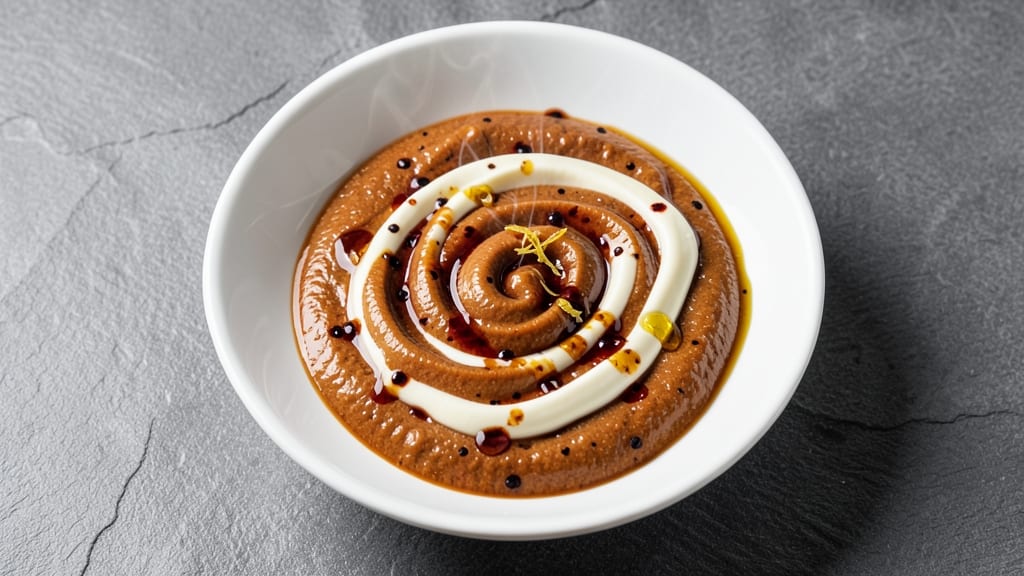
This Asian mustard dipping sauce delivers the perfect balance of tangy, creamy, and slightly spicy flavors that elevate everything from spring rolls to crispy fries. The secret lies in blending sharp mustard with umami-rich soy sauce and a touch of sweetness, creating a sauce that's smooth yet complex.
I developed this recipe after craving that restaurant-quality drip that's impossible to resist—now you can make it at home in minutes.
The foundation starts with a simple combination of Dijon mustard, rice vinegar, and soy sauce, which forms the sauce's signature tangy, savory base. Adding a touch of honey or maple syrup balances the sharpness, while a splash of sesame oil introduces nutty depth.
What makes this sauce truly special is how these flavors meld together during a quick whisking, creating a velvety texture that's perfect for dipping.
What you'll end up with is a vibrant, aromatic sauce that's rich enough to stand alone but versatile enough to complement a wide range of dishes. The mustard provides that signature bite, while the soy and vinegar create layers of umami and acidity.
It's the kind of sauce that disappears quickly once you start dipping—whether you're enjoying fresh spring rolls, crispy tempura, or even fries.
This recipe makes enough for immediate use and leftovers, which keep well in the refrigerator for up to a week. The sauce thickens slightly when chilled, so give it a quick stir before serving.
Pair it with your favorite Asian-inspired dishes or use it as a marinade for extra flavor. Let's get started!
Ingredients for asian mustard dipping sauce
Eight simple ingredients create this addictive Asian mustard dipping sauce that's restaurant-quality at home.
| Ingredient | Amount | Notes |
|---|---|---|
| Dijon Mustard 🌶️ | ½ cup | High-quality for best flavor |
| Rice Vinegar 💧 | ¼ cup | Seasoned preferred for depth |
| Soy Sauce 🍜 | ¼ cup | Light or dark variety |
| Honey 🍯 | 2 tbsp | Or maple syrup for vegan option |
| Sesame Oil 🫒 | 1 tbsp | Toasted for nutty aroma |
| Mayonnaise 🥫 | ¼ cup | Full-fat for creaminess |
| Garlic Cloves 🧄 | 2 cloves | Minced for subtle flavor |
| Ginger Root 🌿 | 1 tsp | Freshly grated for zing |
| Sesame Seeds 🌰 | 1 tbsp | Toasted for garnish |
| Salt 🧂 | ½ tsp | Kosher or sea salt |
The Dijon mustard is non-negotiable here—it gives that signature sharp bite. Maille or Amoy are my go-tos, but any good-quality Dijon works. Rice vinegar should smell fresh and bright—skip the dusty bottles. The soy sauce can be light or dark, but Kikkoman or Lee Kum Kee are reliable. For the honey, local raw honey adds subtle floral notes, but regular grocery store honey works fine too. Sesame oil is the secret weapon—Kadoya or La Choy are solid choices, and a little goes a long way. Toast it in a dry pan for 30 seconds before adding to wake up those nutty flavors.
No Dijon? Whole-grain mustard thinned with a splash of water works in a pinch. Short on honey? Maple syrup or agave nectar are perfect swaps. The mayonnaise adds creaminess—Hellmann's or Duke's are foolproof, but any full-fat mayo keeps it rich. Fresh ginger is ideal, but ground ginger at half the amount gets you close. The sesame seeds can be omitted if you're sensitive to sesame, but they add that perfect crunch. For extra heat, add a dash of sriracha or chili flakes. And if you're feeling fancy, a pinch of white pepper adds depth without overpowering.
This sauce keeps beautifully in the fridge for up to 1 week—it actually tastes better the next day as flavors meld. Store it in an airtight container with a thin layer of oil on top to preserve freshness. For longer storage, freeze in ice cube trays—perfect for single-use portions. Give it a quick whisk before serving, especially if it thickens slightly. Pairs perfectly with spring rolls, tempura, or even as a marinade for grilled meats. Trust me, you'll make this again and again.
Why You'll Love This Recipe
- Five-Ingredient Magic: I swear by this combo—just stir Dijon, rice vinegar, soy sauce, a drizzle of honey, and a whisper of sesame oil. No fancy techniques, no measuring cups (I eyeball it), and it’s ready before the pot hits boil.
- Umami Honey Kiss: That honey cuts through the tangy mustard while the soy and sesame oil bring the depth. Honestly, it’s the kind of balance that makes you reach for seconds without even thinking—perfect with spring rolls or grilled skewers.
- Leftover Goldmine: Make a big batch and store it in the fridge for weeks. I’ve used this sauce on takeout nights, as a marinade for chicken, and even drizzled it over deviled eggs. It’s my pantry’s unsung hero.
- Budget Bright Spot: All these ingredients cost pennies and last forever. A little goes a long way, so you’re not scrambling for last-minute dips or pricey sauces. Plus, it’s way cheaper than store-bought versions.
Step-by-step instructions for Asian mustard dipping sauce
This sauce comes together in minutes with a perfect balance of tangy, sweet, and umami flavors.
Combine Wet Ingredients for a Smooth Base
In a medium bowl, whisk together the 0.5 cup Dijon Mustard, 0.25 cup Rice Vinegar, and 0.25 cup Soy Sauce until fully blended. The mustard will thicken slightly as you mix, creating a rich foundation. I like to use a fork for this step—it helps break up any lumps in the mustard while ensuring everything combines evenly.
Next, add the 2 tbsp Honey and 1 tbsp Sesame Oil, whisking until smooth. The honey will begin to dissolve into the mixture, creating a subtle sweetness that balances the tangy vinegar and salty soy sauce. If you're using maple syrup instead of honey, add it now—just be aware the flavor profile will be slightly different but equally delicious.
Add Aromatics and Seasonings
In a small bowl, finely mince the 2 cloves Garlic Cloves and 1 tsp Ginger Root using a sharp knife or microplane. The goal is to create a paste-like consistency—this ensures the flavors distribute evenly throughout the sauce. Add these to the wet mixture and whisk vigorously for about 30 seconds until fully incorporated.
Season with the 0.5 tsp Salt, then stir in the 0.25 cup Mayonnaise. The mayonnaise adds a creamy texture that rounds out the sauce, making it perfect for dipping. If the mixture looks too thick, add 1 teaspoon of water at a time until it reaches a smooth, dip-able consistency. You want it to coat the back of a spoon without being runny.
Toast the Sesame Seeds for Garnish
While the sauce rests, heat a small dry skillet over medium heat. Add the 1 tbsp Sesame Seeds and toast them for 1-2 minutes, stirring constantly, until they turn a rich golden brown and release a nutty aroma. This step is crucial—raw sesame seeds won’t provide the same depth of flavor or crunch.
Transfer the toasted sesame seeds to a small bowl and set aside to cool slightly. They’ll stay warm enough to infuse the sauce with their aroma when you add them later, but cool enough to handle without burning your fingers.
Adjust and Serve
Taste the sauce and adjust the balance of flavors as needed. If it’s too tangy, add a touch more honey or a splash of water to thin it out. If it needs more depth, stir in an extra ½ teaspoon of Soy Sauce or a pinch of salt. The sauce should be vibrant, slightly sweet, with a hint of heat from the garlic and ginger.
Before serving, stir in the toasted sesame seeds. They’ll add a delightful crunch and nutty aroma that elevates the sauce. Serve immediately for the best texture, or store in an airtight container in the refrigerator for up to 5 days. Give it a good stir before using—it’ll thicken slightly as it chills, so adding a splash of water or rice vinegar can help restore its dip-able consistency.
Pro Tips For Making Asian Mustard Dipping Sauce
- STIR GENTLY AFTER MIXING: That first stir after combining everything can get sloppy—Dijon mustard thickens fast, and you’ll end up with globs if you’re aggressive. Use a fork or small whisk and scrape the sides of the bowl once to break up clumps, then let it sit 2 minutes before tasting. I learned this the hard way when my sauce turned into a mustard-and-honey paste that refused to emulsify.
- USE COLD SESAME OIL: Warm sesame oil first? Big mistake. Add it straight from the fridge—its aroma hits strongest when cold, and it won’t cook out into bitterness. If your sauce tastes flat, you’ve likely overcooked the oil. A splash of ice water (just 1 teaspoon) right before serving also sharpens the flavors without thinning the sauce.
- BALANCE SOY AND VINEGAR: Soy sauce is salty; rice vinegar is acidic. If your sauce tastes one-dimensional, adjust both at once. Start with a 1:1 ratio (e.g., 1 tablespoon each), then tweak: need more tang? Add vinegar. Need depth? More soy. I used to fix this by adding honey, but that just makes it sweeter—not more complex.
- WHISK IN HONEY LAST: Honey thickens when it hits heat or acid. Whisk it in after the mustard, vinegar, and soy have mellowed together for 30 seconds. This keeps the sauce smooth, not gluey. If it’s too thick, a splash of warm water (not cold) thins it without breaking the emulsion—just stir until silky.
Common mistakes when making perfect results
Over-Mixing the Mustard
Whisking too aggressively after adding mayo can turn your sauce into a gloopy mess. The Dijon mustard and mayo are both thick ingredients, and once combined, they can create a stubborn emulsion that’s hard to fix.
Instead of vigorously whisking, I like to gently fold the mayo into the wet mixture using a rubber spatula—this keeps the texture smooth without overworking it. 🥄
Skipping the Toasted Sesame Seeds
Raw sesame seeds won’t give you that nutty, toasty depth the sauce needs. Toasting them in a dry pan for just 1-2 minutes releases their oils and adds a subtle crunch. If you’re in a rush, you can use pre-toasted sesame seeds from the store, but homemade always tastes fresher.
Pro tip: Toast them while the sauce rests—the aroma will make your kitchen smell amazing!
Using Low-Quality Ingredients
Cheap Dijon mustard or old soy sauce can make your sauce taste flat or bitter. Invest in a good-quality Dijon mustard like Maille or Amoy, and use fresh rice vinegar and soy sauce—the difference is night and day.
I always check the expiration date on my vinegar because stale vinegar can ruin the balance of flavors. 💡
Ignoring the Honey-to-Vinegar Ratio
If your sauce tastes too sharp or vinegary, it’s likely because the honey wasn’t balanced properly. The 2 tbsp honey is there to mellow out the acidity of the rice vinegar, so don’t skip it!
If you’re using a sweeter syrup like maple, start with 1 tbsp and adjust to taste. Trust me, the right balance makes all the difference.
Not Letting the Sauce Rest
This sauce tastes even better after it sits for 15-20 minutes—the flavors meld together beautifully. If you’re in a hurry to serve, at least let it rest for 5 minutes before tasting.
Rushing can make the sauce taste disjointed. I always make it ahead of time so it’s ready when I need it—it’s worth the wait! ⏳
Adding Liquid Too Late
If your sauce is too thick, adding water or vinegar at the end can separate the ingredients, especially the mayo. Thin the sauce gradually with 1 tsp at a time while whisking gently.
I prefer using rice vinegar because it adds a subtle tang without overpowering the flavor. Always mix slowly to avoid breaking the emulsion. 💧
Nutrition facts
Frequently asked questions
Can I make this sauce without mayo for a lighter version?
Replace the mayo with 2 tablespoons of Greek yogurt or 1 tablespoon of coconut yogurt for a tangy, dairy-free option. The texture will be slightly thinner but still creamy. For extra richness, add 1 teaspoon of neutral oil like avocado or light olive oil to help bind the ingredients. The sauce will still cling beautifully to spring rolls or fries!
How spicy should this dipping sauce be?
This recipe has a mild, subtle heat from garlic and ginger—no chili flakes are included. For extra kick, add ½ teaspoon of sriracha or ¼ teaspoon of red pepper flakes and adjust to taste. The mustard already provides a sharp tang, so start with a small amount and build up. The sauce pairs especially well with spicy dishes like satay or chili crisp.
What’s the best way to store leftovers?
Transfer the sauce to an airtight container and refrigerate for up to 5 days. It thickens slightly when chilled, so stir in 1 teaspoon of water or rice vinegar before serving. For longer storage, freeze in ice cube trays—thaw overnight in the fridge. Pro tip: Keep a thin layer of oil on top to preserve freshness and prevent oxidation.
Can I use this sauce as a marinade?
Yes! This sauce works beautifully as a marinade for chicken, shrimp, or tofu. Let the protein soak for 15-30 minutes (longer for tougher cuts like chicken thighs). The mustard and soy sauce tenderize while adding flavor. For extra depth, add 1 teaspoon of grated ginger and 1 minced garlic clove to the marinade. Always pat dry before cooking for better browning.
What if I don’t have rice vinegar?
Use apple cider vinegar or white vinegar in a 1:1 ratio, but expect a slightly sharper taste. For a more authentic flavor, try mirin (sweet rice wine) mixed with a splash of water—it adds sweetness and depth. If using mirin, reduce the honey to 1 tablespoon to balance the sweetness. The sauce will still taste delicious but with a different profile.