
Sauces & Condiments
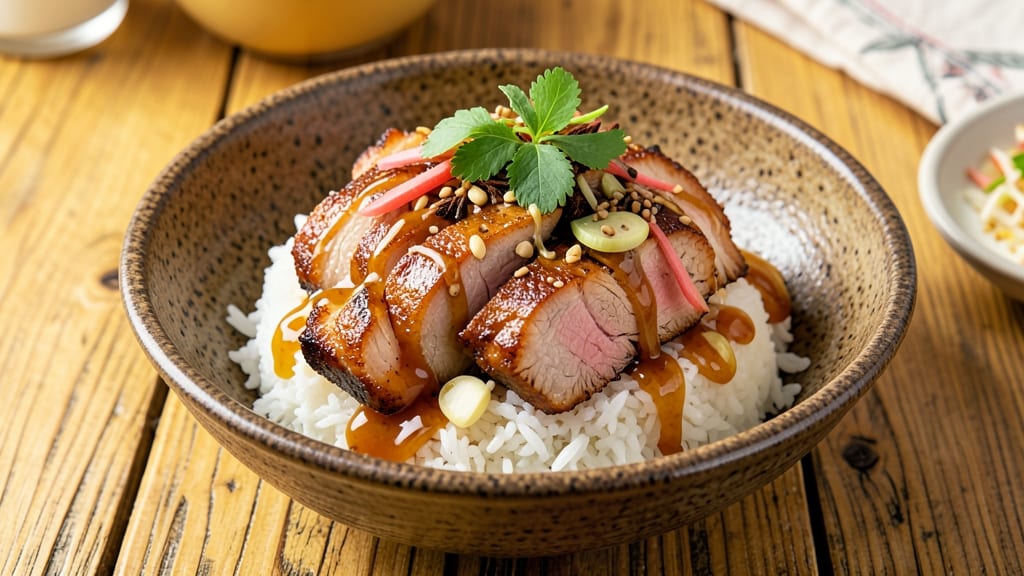
This Asian pork sauce recipe transforms simple stir-fries into restaurant-worthy meals with its perfect balance of smoky depth and sweet richness. The secret lies in slow-simmering soy sauce, vinegar, and sugar with aromatics like garlic and ginger until it thickens into a glossy, caramelized glaze.
I developed this version after years of testing—it’s the one that finally stuck to both meat and vegetables without overpowering their natural flavors.
The process is straightforward but requires patience: you’ll build layers of flavor by toasting whole spices (star anise, cinnamon) before combining them with the wet ingredients. A 30-minute simmer reduces the sauce to the ideal consistency—thick enough to coat proteins but still pourable for dipping.
The result? A sauce that’s equally at home on crispy pork belly, noodles, or as a marinade for grilled meats.
What makes this sauce stand out is its versatility. Use it as a glaze for stir-fries, a dipping sauce for spring rolls, or even a marinade for skewers—the possibilities are endless.
Once cooled, it keeps for up to 2 weeks in the fridge or 3 months in the freezer, making it perfect for meal prep. The key is balancing the sweetness with acidity, so taste as you go.
For extra depth, add a splash of sesame oil at the end or a pinch of red pepper flakes for heat. The sauce’s smoky-sweet profile elevates any dish it touches, turning simple ingredients into something extraordinary. Let’s get cooking—your taste buds will thank you.
Ingredients for asian pork sauce
Nine simple ingredients transform into a restaurant-quality sauce that’ll make stir-fries unforgettable.
| Ingredient | Amount | Notes |
|---|---|---|
| Light Soy Sauce 🥫 | ½ cup | High-quality, low-sodium preferred |
| Dark Soy Sauce 🥫 | ¼ cup | For deeper umami richness |
| Brown Sugar 🍚 | ½ cup | Packed firmly, no substitutions |
| Rice Vinegar 🍶 | ¼ cup | White or seasoned, not apple cider |
| Garlic Cloves 🧄 | 6 cloves | Peeled, smashed for intense flavor |
| Fresh Ginger 🌿 | 2 tbsp | Finely grated, no powdered |
| Star Anise Pods 🌟 | 2 whole | Toasted lightly before adding |
| Cinnamon Sticks 🌿 | 1 whole | 1-inch piece, toasted briefly |
| Sesame Oil 🫒 | 1 tbsp | Toasted sesame oil for aroma |
| Red Pepper Flakes 🌶️ | ½ tsp | Optional, adjust for heat |
The soy sauces are non-negotiable here—Kikkoman light and Lee Kum Kee dark are my go-tos, but any high-quality brands work. Brown sugar isn’t just sweetness; it’s what caramelizes into that glossy finish. Toasting the star anise and cinnamon (just 30 seconds in a dry pan) unlocks their smoky depth—don’t skip this step. Fresh ginger and garlic? No powdered substitutes—the freshness is essential for that bright, aromatic punch. I always double-check my Asian market for these spices; their bulk bins have better quality than grocery store jars.
No rice vinegar? Apple cider vinegar in a pinch, but it’ll taste different. Running low on star anise? One cinnamon stick equals half a pod for flavor. The sesame oil can be swapped for neutral oil if you’re avoiding sesame, but you’ll lose that nutty aroma. Want extra heat? Double the red pepper flakes—just taste before adding more. The sauce’s magic comes from balancing sweet, salty, and umami, so adjust as you go. If it tastes too sweet, add a splash more soy sauce; too tangy? A pinch of sugar fixes it.
This sauce tastes even better the next day as flavors meld. Store in an airtight container in the fridge for up to 2 weeks, or freeze for 3 months in ice cube trays for single-use portions. I always make extra—it’s perfect over pork belly, noodles, or spring rolls. The sauce thickens as it cools, so thin with a splash of water if needed. Pro tip: Sesame seeds sprinkled on top before serving add that restaurant-quality finish.
Why You'll Love This Recipe
- Pantry Magic: This sauce comes together with stuff you already have—no fancy ingredients, just a splash of soy sauces, a spoonful of sugar, and a quick mince of garlic. I’ll be real: it’s the kind of recipe where you open the pantry and boom, dinner’s sorted.
- Umami Bomb: That combo of light and dark soy sauce? Rich, salty, and deeply savory—like a hug in a bowl. The brown sugar cuts through with just enough sweetness, while the garlic clove (or two, if you’re brave) adds that sharp, aromatic punch that makes it ridiculously good.
- Weeknight Workhorse: Slather it on stir-fried pork, toss it with noodles, or drizzle it over rice—this sauce works for breakfast, lunch, or dinner. Honestly, I’ve even used it as a marinade for grilled chicken when I’m in a pinch. It’s the kind of flavor that adapts without losing its edge.
- Budget-Friendly Leftovers: A little goes a long way, and what’s left? Perfect for next-day fried rice, a quick ramen upgrade, or even a stir-fry hack. I make a double batch on Sundays—it keeps for weeks in the fridge, and my wallet thanks me every time.
Step-by-step instructions for Asian pork sauce
This smoky-sweet glaze delivers bold flavor with minimal effort—perfect for stir-fries or dipping.
Toast the Spices for Deep Aroma
In a small dry skillet over medium heat, add the 2 whole star anise pods and 1 whole cinnamon stick. Toast for 1 minute until fragrant—you'll smell warm, earthy notes that form the sauce's aromatic base. Be careful not to burn them; they should just be lightly browned, not charred.
Remove the spices from heat immediately and transfer them to a small bowl. Let them cool for 2 minutes while you prepare the remaining ingredients. This brief toasting enhances their natural oils, intensifying the sauce's complexity without bitterness. Don't skip this step—it's what transforms ordinary soy sauce into something extraordinary.
Sauté Aromatics Until Fragrant
Heat 1 tablespoon sesame oil in a medium saucepan over medium heat. Add the 6 cloves smashed garlic and 2 tablespoons finely grated fresh ginger. Sauté for 2-3 minutes until the garlic turns golden and the ginger loses its raw bite—you should smell a sweet, pungent aroma that fills your kitchen.
Here's where it gets good: the garlic should be just starting to color, not burned. If you see it turning dark too quickly, reduce the heat slightly. The goal is to build flavor without bitterness. Stir occasionally to prevent sticking, and don't walk away—ginger burns faster than you think.
Combine Wet Ingredients for Balanced Flavor
Add the 0.5 cup packed brown sugar to the pan and stir for 1 minute until it begins to dissolve slightly. Then pour in the 0.5 cup light soy sauce, 0.25 cup dark soy sauce, and 0.25 cup rice vinegar all at once. Stir vigorously to combine—you'll see the sugar start to caramelize at the edges, which is exactly what we want.
Bring the mixture to a gentle simmer over medium-low heat. Let it cook uncovered for 8-10 minutes, stirring occasionally. You're looking for the sauce to thicken slightly and develop a glossy sheen. If it reduces too quickly, add 1-2 tablespoons water to maintain the right consistency.
Finish with Spices and Heat Control
Return the toasted spices to the saucepan and stir in the 0.5 teaspoon red pepper flakes. Simmer for another 3-4 minutes until the sauce coats the back of a spoon and the flavors meld together. The spices should infuse the sauce with their warm, aromatic qualities while the pepper adds just a hint of heat.
Taste and adjust the balance—you want sweetness from the brown sugar, umami from the soy sauces, acidity from the rice vinegar, and a touch of heat from the pepper. If it needs more depth, add a splash of water or a pinch more brown sugar. The sauce should be thick enough to coat the back of a spoon but still pourable.
Cool and Use Immediately
Remove the sauce from heat and let it cool for 5 minutes. The flavors will continue to develop as it sits. Strain through a fine-mesh sieve if you prefer a smoother texture, or leave the spices in for extra aroma. Store any leftovers in an airtight container in the refrigerator for up to 2 weeks.
This versatile sauce works beautifully as a stir-fry glaze, dipping sauce for spring rolls, or even a marinade for grilled pork. The balance of sweet, salty, and umami makes it addictive—once you try it, you'll reach for it every time you cook Asian-inspired dishes. Use it warm or at room temperature for the best results.
Pro Tips For Making Asian Pork Sauce
- Bloom the Garlic First: Toss minced garlic in the pan with a splash of rice vinegar for 30 seconds before adding other ingredients—it softens without burning and infuses flavor faster. I learned this after my sauce tasted flat because the garlic stayed raw and bitter.
- Simmer, Don’t Boil: Keep the sauce at a gentle bubble, not a rolling boil, or the soy sauces will turn bitter and the sugar will crystallize. After burning two batches, I finally cracked the lid and saw the difference—low and slow is the only way.
- Whisk the Soy Sauces: Mix light and dark soy sauces together before adding them to the pan—dark sauce clumps easily, and you’ll end up with streaks of color instead of a smooth glaze. My grandmother swore by this, and she was right: it makes all the difference in texture.
- Use Wet Brown Sugar: Pack the brown sugar into a bowl, pour in 1 tablespoon of rice vinegar, then dissolve it completely before adding to the pan. This prevents grainy bits in your sauce and helps it blend seamlessly into the liquid. Sounds weird, but it works—every time.
Perfect pairings for this asian pork sauce
Stir-Fry Glazes
Use this sauce as a glaze for pork belly or chicken thighs—simmer the protein in the sauce for 5-7 minutes until caramelized. I like to toss 1 lb pork belly slices in the sauce, then sear in a hot skillet for a crispy finish.
The sauce clings beautifully to proteins, creating that perfect sticky crust. 🔥
Dipping Sauces
Serve it warm as a dipping sauce for spring rolls, dumplings, or crispy fried wontons. I keep a small bowl of the sauce on the table during Asian feasts—it’s always the first to disappear.
For extra flair, sprinkle toasted sesame seeds on top right before serving. The contrast of crispy textures with the glossy sauce is pure magic.
Marinades
Double the batch and use it as a marinade for skewers—pork, chicken, or shrimp all absorb the flavors beautifully. Let the protein marinate for at least 30 minutes (or up to 4 hours for deeper flavor).
I grill these skewers over charcoal for that smoky depth that pairs perfectly with the sauce’s sweetness.
Noodle Sauces
Toss 1 lb fresh or dried noodles with 2 tbsp sauce and a splash of sesame oil for an instant upgrade. The sauce clings to the noodles, creating a silky, flavorful coating.
I also add thinly sliced scallions and crushed peanuts for texture. It’s my go-to quick meal when I’m craving something comforting yet exciting.
Bowl Enhancer
Drizzle over rice bowls, ramen, or pho to add instant depth. I like to mix ½ cup sauce with 1 tbsp hoisin sauce for extra richness. The balance of sweet, smoky, and umami elevates any bowl—especially when paired with grilled vegetables or crispy tofu.
It’s the secret weapon in my weeknight meal rotation.
Beverage Pairings
Pair this sauce with jasmine rice wine or light lager to balance its richness. The wine’s floral notes complement the sauce’s caramelized sweetness, while the beer’s crispness cuts through the umami. For a non-alcoholic option, sparkling yuzu soda adds a refreshing citrus contrast that’s perfect on hot days. 🍶
Nutrition facts
Frequently asked questions
Can I make this sauce without brown sugar?
Yes, but you’ll need to substitute carefully. Use ½ cup honey or ¼ cup maple syrup plus ¼ cup white sugar to maintain the caramelization. The sauce will taste slightly different—honey adds floral notes while maple syrup gives a deeper molasses flavor. Adjust the rice vinegar slightly if using honey, as it’s less acidic.
How do I adjust the heat level?
The recipe includes ½ teaspoon red pepper flakes for mild heat. For a spicier version, add 1 teaspoon cayenne pepper or 1 tablespoon sriracha at the end. For a smoky kick, swap the red pepper flakes for ½ teaspoon smoked paprika and toast it with the star anise. Always taste before adding more!
Can I use this sauce as a marinade for chicken?
This sauce works perfectly as a marinade for chicken thighs or breasts. Double the batch and let the chicken marinate for 2-4 hours (or overnight for deeper flavor). The sauce’s balance of sweet and umami will create a delicious crust when grilled or pan-seared. Just pat the chicken dry first for better browning.
Why did my sauce turn out too thin?
This usually happens if you didn’t simmer long enough or added too much liquid. To fix it, return the sauce to low heat and simmer uncovered for an extra 5-10 minutes, stirring often. For a quick fix, mix 1 teaspoon cornstarch with 1 tablespoon water, stir into the sauce, and cook for 2 minutes until thickened. Prevention tip: Simmer uncovered and stir frequently to encourage reduction.
How can I make this sauce vegan?
Swap the soy sauces for tamari or coconut aminos, use coconut sugar instead of brown sugar, and replace rice vinegar with apple cider vinegar. For umami depth, add 1 tablespoon miso paste at the end. The texture will be slightly different but still delicious—just avoid sesame oil if you’re avoiding nuts (use neutral oil instead).