
Sauces & Condiments
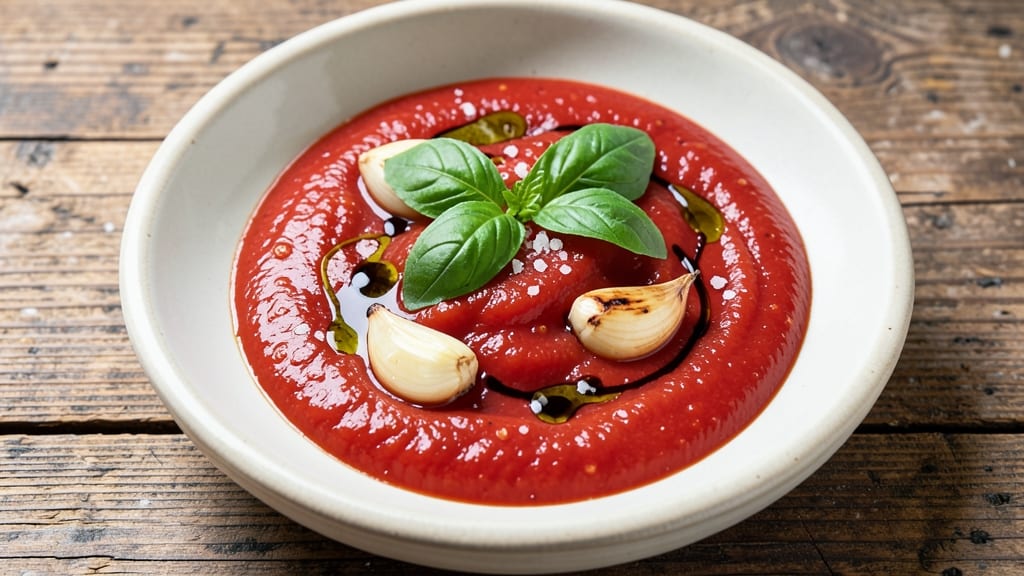
This authentic Italian pizza sauce recipe from scratch delivers the rich, slow-simmered depth that separates homemade from store-bought. The secret lies in San Marzano tomatoes—sweet, low-acid, and packed with flavor—simmered with garlic, olive oil, and fresh basil for that signature Italian brightness. I developed this recipe after years of testing, and it never fails to impress, even with the pickiest pizza lovers.
What sets this sauce apart is the slow-simmering technique, which allows the tomatoes to break down into a velvety consistency while developing complex, caramelized flavors. No added sugar or preservatives—just whole ingredients that build layers of taste.
The fresh basil added at the end ensures that bright, herbaceous note that makes the sauce taste authentically Italian, not canned.
By the time you're done, you'll have a sauce that's rich, balanced, and full-bodied, with just the right amount of acidity to complement melted cheese and crispy crust. It keeps well in the fridge for up to 5 days, so you can make a big batch for the week.
This isn't just a sauce—it's the foundation of a perfect pizza.
The best part? This recipe is foolproof and requires no special equipment—just a pot, a wooden spoon, and patience. Let the flavors develop fully, and you'll end up with a sauce that tastes like it came straight from a Roman trattoria. Ready to elevate your pizza game?
Ingredients for authentic italian pizza sauce recipe from scratch
Eight essential ingredients for sauce that tastes like a Roman trattoria.
| Ingredient | Amount | Notes |
|---|---|---|
| San Marzano Tomatoes 🍅 | 28 oz | Canned, whole or crushed |
| Extra-Virgin Olive Oil 🫒 | ½ cup | High quality, fruity |
| Garlic Cloves 🧄 | 4 cloves | Peeled, finely minced |
| Fresh Basil Leaves 🌿 | ½ cup | Packed, stems removed |
| Red Wine Vinegar 🍷 | 1 tbsp | Dry, good quality |
| Salt 🧂 | 1 tsp | Diamond Crystal preferred |
| Black Pepper 🌶️ | ½ tsp | Freshly ground |
| Sugar 🍚 | 1 tsp | Optional, for balance |
San Marzano tomatoes are non-negotiable here—they're sweeter and lower in acidity than regular canned tomatoes, which gives that authentic Italian depth. Trader Joe's and Whole Foods stock them year-round, but check the Latin market if you want the freshest cans. The olive oil should be extra-virgin—look for Italian brands like Colavita or Bertolli for that fruity, peppery kick. Garlic? Fresh is a must—no jars of minced garlic here. The basil needs to be fresh too; dried won't give you that signature brightness. I always grab extra basil—half goes in the sauce, half gets torn over the top at the end.
No San Marzano? Crush regular canned tomatoes by hand—no blender needed. Short on basil? Substitute with 1 tbsp dried basil, but add it with the vinegar at the end. The vinegar is key for that tangy balance—balsamic vinegar works too, but red wine vinegar is more traditional. Sugar is optional, but if you're using regular tomatoes, a pinch helps balance the acidity. Want more depth? Add 1 tsp dried oregano with the garlic. And if you're feeling fancy, a pinch of red pepper flakes adds just a hint of heat.
This sauce tastes even better the next day as the flavors meld. Store in an airtight container in the fridge for up to 5 days. For longer storage, freeze in ice cube trays—perfect for pizza night. The sauce thickens as it cools, so you can always thin it with a splash of water or olive oil if needed. And trust me, leftovers are rare—this sauce disappears fast.
Why You'll Love This Recipe
- No-Fuss Simplicity: I swear by this sauce because it’s actually foolproof—just crush tomatoes, simmer, and stir in garlic and basil. No blenders, no strainers, no stress. The San Marzano tomatoes do all the heavy lifting.
- Garlic-Basil Magic: That first bite of fresh basil and garlic on warm crust? It’s like a hug from Italy. The red wine vinegar cuts through the richness just enough to keep it bright and addictive—no sweet overload here.
- Pantry-to-Party Ready: Make a big batch on Sunday, and you’ve got sauce for pizza nights, bruschetta, or even a quick pasta toss. It lasts a week in the fridge, so you’re never scrambling for jarred nonsense again.
- Budget-Friendly Luxury: Fresh basil and good olive oil might sound fancy, but a can of San Marzano tomatoes and a few cloves of garlic stretch this sauce way further than store-bought. Plus, it tastes like you spent hours—when really, you didn’t.
Step-by-step instructions for authentic Italian pizza sauce
Here's how to build a sauce that captures the soul of Neapolitan pizza—rich, bright, and full of character.
Blend the Tomatoes to Perfection
Pour the 28 oz San Marzano tomatoes into a blender or food processor, leaving any liquid behind. I like to use a high-quality immersion blender for this step—it gives you more control over the texture. Blend until completely smooth, scraping down the sides occasionally to ensure even consistency. The sauce should be silky, with no visible chunks or seeds.
This step is crucial for authentic texture. Traditional Neapolitan pizza sauce is finely strained to achieve that velvety mouthfeel. If you prefer a slightly rustic texture, you can leave it slightly chunky, but for true authenticity, aim for that ultra-smooth finish. Taste the pureed tomatoes—they should be sweet, with just a hint of acidity. If they're too tart, we'll balance that in the next steps.
Sauté the Aromatics in Olive Oil
Heat the 0.5 cup extra-virgin olive oil in a heavy-bottomed saucepan over medium-low heat. Add the 4 cloves minced garlic and cook for 2-3 minutes until fragrant but not browned. The garlic should smell sweet and nutty, not bitter. This is where the sauce builds its flavor foundation—don't rush this step or you'll burn the garlic.
I always use a heavy saucepan for this because it distributes heat evenly and prevents scorching. The oil should shimmer gently but not smoke. If it starts to bubble vigorously, reduce the heat slightly. Once the garlic is perfumed, you're ready to combine everything—this aromatic base is what transforms ordinary tomato sauce into something extraordinary.
Simmer the Sauce Low and Slow
Pour the blended tomatoes into the saucepan with the garlic-infused oil. Stir in the 1 tbsp red wine vinegar, 1 tsp salt, 0.5 tsp black pepper, and 1 tsp sugar. Bring to a gentle simmer over medium heat, then reduce to the lowest possible setting that maintains a steady bubble. Let it cook uncovered for 45-60 minutes, stirring occasionally.
This slow simmering is what develops the deep, complex flavors. You'll see the sauce reduce slightly and intensify in color. The sugar helps balance the acidity from the tomatoes and vinegar, while the vinegar adds brightness. Taste after 30 minutes—it should be rich but still vibrant. If it needs more acidity, add another ½ tsp vinegar. If it's too acidic, a pinch more sugar will help.
Finish with Fresh Basil
Remove the sauce from heat and stir in the 0.5 cup packed fresh basil leaves. Let it steep for 5 minutes off the heat—this infuses the sauce with that bright, herbal freshness that's signature to authentic Italian pizza sauce. The basil should wilt completely and disappear into the sauce, leaving behind its aromatic oils.
I know it seems counterintuitive to add fresh basil at the end, but this is the secret to that restaurant-quality brightness. The heat from the sauce extracts all the essential oils from the basil, giving you that fresh-from-the-garden flavor without overpowering the tomato base. Taste one final time and adjust seasoning if needed—you want it to be balanced, with sweetness, acidity, and salt all in harmony.
Let It Rest Before Using
Transfer the sauce to a clean jar or bowl and let it cool to room temperature. I like to refrigerate it for at least 1 hour before using—this allows all the flavors to meld completely. The sauce will thicken slightly as it cools, which is perfect for pizza. When you're ready to use it, give it a quick stir and spread it generously on your pizza dough.
This sauce keeps beautifully in the refrigerator for up to 5 days or can be frozen for up to 3 months. The flavors actually improve with time, developing even more depth. When you're ready to use it, you'll notice that perfect balance of sweetness from the tomatoes, brightness from the basil and vinegar, and richness from the olive oil. That's the mark of a truly authentic Italian pizza sauce.
Pro Tips For Making Authentic Italian Pizza Sauce Recipe From Scratch
- CRUSH THE GARLIC FIRST: Mince the garlic finely—almost like a paste—before cooking it in the olive oil. I used to chop it roughly, and it’d clump or burn before releasing flavor. A quick pulse in a food processor (or a knife through a cutting board) ensures it blends smoothly and toasts evenly without turning bitter.
- SIMMER LOW AND LONG: Keep the sauce at a gentle bubble—just a few tiny ripples—after adding tomatoes. I learned this the hard way: boiling it too hard makes the sauce taste cooked-out and dull. Low heat for 40-45 minutes lets the flavors meld without losing acidity or turning mushy.
- SALT THE TOMATOES BEFORE COOKING: Sprinkle a generous pinch of salt (about 1/2 teaspoon) directly over the crushed San Marzano tomatoes before simmering. This draws out moisture and intensifies their sweetness—no need to add more later. (Yes, even if they’re canned—trust the process.)
- FINISH WITH VINEGAR LAST: Stir in the red wine vinegar just before removing the sauce from heat. A splash (1-2 teaspoons) brightens the flavor, but adding it early can make the sauce taste harsh. Taste as you go—you’re aiming for a balance, not a pucker.
Troubleshooting your authentic italian pizza sauce recipe from scratch
Sauce Too Thin?
If your sauce ends up thinner than expected, don't panic—this is an easy fix. Simmer the sauce uncovered for an extra 15-20 minutes to reduce it naturally. The longer it simmers, the more concentrated the flavors become.
For a quicker solution, mix 1 tbsp cornstarch with 2 tbsp water, stir into the sauce, and simmer for 5 minutes until it thickens. Just be careful not to over-reduce, or you'll lose that perfect balance of sweetness and acidity. 🌡️
Sauce Too Acidic?
Too much vinegar or tart tomatoes can make your sauce overwhelmingly acidic. Balance it by adding a pinch of sugar (about ½ tsp) and simmering for another 5 minutes.
For a more subtle fix, stir in a small piece of fresh bread crust (about 1 tbsp) to absorb excess acidity, then remove it.
If you're using regular canned tomatoes, a pinch of baking soda (just ⅛ tsp) can neutralize acidity, but use sparingly—it can make the sauce taste soapy if overused.
Garlic Burnt?
Burnt garlic ruins the entire sauce, but it's easily preventable. Cook the garlic over medium-low heat for no more than 2-3 minutes—it should be fragrant but not golden.
If you see it browning too quickly, immediately remove the pan from heat and let it cool for 1 minute before continuing. For extra insurance, add the garlic to the olive oil when it's just shimmering, not fully hot.
If you accidentally burn it, start over—there's no fixing burnt garlic flavor.
Basil Too Strong?
Fresh basil can overpower if added too early or in large quantities. If your sauce tastes like a basil pesto, reduce the basil to ¼ cup next time and steep it for only 3 minutes off heat.
For an immediate fix, stir in ½ tsp dried oregano to mellow the basil's intensity. If you have extra sauce, freeze it without the basil and add fresh basil later when you're ready to use it. The key is balance—basil should enhance, not dominate, the tomato flavor. 🌿
Sauce Too Sweet?
If your sauce tastes cloyingly sweet, it's likely from the sugar or overly ripe tomatoes. Balance it by adding ½ tsp red wine vinegar and simmering for 5 minutes to let the acidity cut through the sweetness.
A pinch of black pepper or red pepper flakes can also help by adding complexity. If the sweetness comes from the tomatoes, try using slightly less ripe ones next time.
Remember, the sugar in this recipe is optional—if you're using high-quality San Marzano tomatoes, you might not need it at all.
Sauce Separating?
Sauce separation usually happens if you blend the tomatoes too aggressively or don't simmer long enough. To fix it, stir vigorously with a whisk to recombine the ingredients. For a smoother texture, blend the sauce again briefly to break up any oil or water separation.
To prevent this in future batches, ensure the tomatoes are completely smooth before cooking and simmer the sauce for the full 45-60 minutes. If the sauce still separates, a splash of olive oil can help emulsify it back together. 💡
Nutrition facts
Frequently asked questions about authentic Italian pizza sauce
Why does this recipe use San Marzano tomatoes exclusively?
San Marzano tomatoes are the gold standard for Italian pizza sauce because they're sweeter, lower in acidity, and packed with natural sugars. Their thick flesh and minimal seeds create a smoother, more flavorful base than regular canned tomatoes. The flavor difference is dramatic—this is what gives authentic Italian sauce that signature depth and balance.
Can I make this sauce without a blender?
For a rustic texture, simply crush the tomatoes by hand with your fingers or a potato masher. Strain through a fine-mesh sieve to remove skins and seeds, then proceed with the recipe. The sauce will have a slightly chunkier texture but still deliver authentic Italian flavor.
How much sauce should I make for a standard pizza?
This recipe yields about 2-2.5 cups of finished sauce, which is perfect for two 12-inch pizzas. For a single pizza, use about ¾ cup of sauce. The sauce thickens slightly when chilled, so don't worry if it looks abundant when fresh.
What's the deal with adding basil at the end?
Adding fresh basil at the end (not during cooking) preserves its bright, aromatic oils that would otherwise cook away. The 5-minute steep infuses the sauce with that signature Italian freshness without making it taste like pesto. For extra flavor, tear some fresh basil leaves over your pizza right before baking.
Can I use this sauce for other dishes besides pizza?
This versatile sauce works beautifully on pasta, lasagna, or as a marinara for meats like chicken or shrimp. The balanced sweetness and acidity make it perfect for any Italian dish where you'd normally use tomato sauce. For pasta, simmer it with a splash of pasta water to loosen it slightly.