
Sauces & Condiments
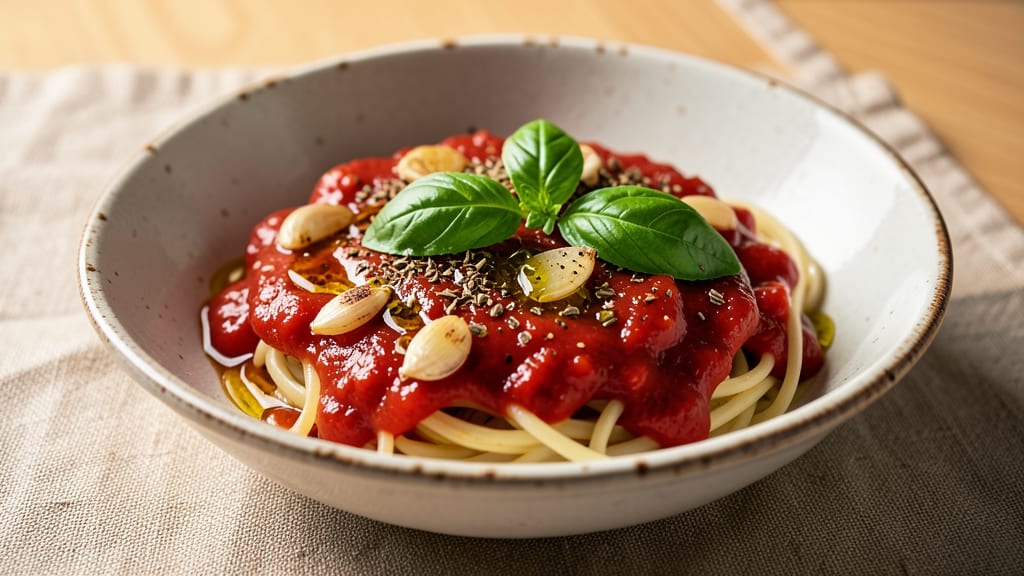
This authentic Italian pasta sauce recipe from scratch transforms simple ingredients into a rich, slow-simmered masterpiece that captures the heart of Italian cooking. The secret lies in San Marzano tomatoes, extra virgin olive oil, and a long, gentle simmer that develops deep, complex flavors—no shortcuts, just tradition.
What sets this sauce apart is the balance of sweetness from tomatoes, acidity from garlic and onions, and the fresh, bright finish of basil added at the very end.
Professional chefs know the difference between a quick tomato sauce and one that's been lovingly developed over hours. Here, we're talking about a sauce that clings to pasta perfectly, with a velvety texture and layers of flavor that come from proper technique—not just ingredients.
The key steps include browning the aromatics, deglazing the pan to capture all those flavorful bits, and letting the sauce reduce slowly until it reaches that ideal consistency.
What you'll end up with is a sauce that's authentic in every sense—one that tastes like it came from a Nonna's kitchen, not a jar. The tomatoes break down into a luscious, slightly chunky consistency, while the basil adds that signature freshness that makes Italian pasta sauces shine.
This isn't just a sauce; it's the foundation of a memorable meal.
The best part? This sauce keeps beautifully in the refrigerator for up to 5 days, allowing flavors to deepen even more. Whether you're serving it over spaghetti, tagliatelle, or your favorite pasta shape, you'll understand why Italians take their sauces so seriously. Let's get started on creating something truly special.
Ingredients for authentic italian pasta sauce recipe from scratch
Simplicity meets tradition—just ten ingredients for a sauce that tastes like Nonna's kitchen.
| Ingredient | Amount | Notes |
|---|---|---|
| Extra-Virgin Olive Oil 🫒 | ½ cup | High-quality, fruity, cold-pressed |
| San Marzano Tomato Cans 🍅 | 28 oz | Whole, crushed by hand |
| Yellow Onion 🧅 | 1 whole | Finely chopped, sweet variety |
| Garlic Cloves 🧄 | 4 cloves | Fresh, peeled, minced finely |
| Fresh Basil Leaves 🌿 | ½ cup | Packed, stems removed |
| Dried Oregano 🍃 | 1 tsp | Italian variety preferred |
| Red Wine Vinegar 🍷 | 1 tbsp | For acidity balance |
| Kosher Salt 🧂 | 1 ½ tsp | Diamond Crystal preferred |
| Black Peppercorns 🌶️ | ½ tsp | Freshly cracked |
| Granulated Sugar 🍚 | 1 tsp | Balances acidity |
San Marzano tomatoes are non-negotiable here. Their sweet, meaty texture and low acidity make all the difference—look for the official DOP label at Italian markets or specialty stores like Eataly or Whole Foods. Fresh basil? Farmers markets have the best, but those little plastic containers at the grocery store work in a pinch. The extra-virgin olive oil should be fruity and peppery—California brands like Corto or Colavita are reliable, but splurge on a Tuscan or Sicilian oil if you can. For the onions, Vidalia or Sweet Yellow varieties stay sweet when cooked, which is key for that authentic flavor.
No San Marzano tomatoes? Crushed tomatoes in a high-quality jar (like Mutti) will work, but you'll lose some of that signature sweetness. Substituting dried basil? Use one-third the amount of fresh—it's more concentrated. For the garlic, garlic powder at half the amount is a decent swap, but fresh is worth the effort. Running low on red wine vinegar? Balsamic vinegar adds depth, though it'll change the flavor profile slightly. The sugar is crucial—it balances the acidity from the tomatoes and vinegar, so don't skip it even if your tomatoes are particularly sweet.
This sauce tastes even better the next day as flavors meld. Store it in an airtight container in the fridge for up to 5 days, with a thin layer of olive oil on top to preserve freshness. Freezes beautifully for 3 months—portion into ice cube trays for perfect single-serving additions to future meals. The basil wilts fast, so add it just before serving or store it separately in a damp paper towel in the fridge for up to 3 days. A little goes a long way—toss in the last handful while the sauce is still warm for maximum aroma.
Why You'll Love This Recipe
- No-Fuss Simplicity: I swear by this sauce because it’s actually simple—just chop an onion, crush garlic, and simmer San Marzano tomatoes in olive oil. No blenders, no fancy techniques, just honest, flavor-packed results in under 20 minutes.
- Layered Umami Magic: That first golden kiss of garlic in olive oil? Pure alchemy. The San Marzano tomatoes sweeten as they cook, while fresh basil at the end adds a bright punch—it’s the kind of sauce that makes you pause mid-bite and think, "Damn, that’s good."
- Weeknight to Dinner Party: Same sauce, endless uses. Toss it with spaghetti for a quick weeknight meal, or drizzle it over grilled chicken for a fancier spread. Honestly, I’ve even used it as a pizza base—because when it’s this good, why not?
- Budget-Friendly Pantry Hero: A can of San Marzano tomatoes and a bulb of garlic stretch this sauce for days. Freeze extras in portions, and suddenly you’ve got a $3 jar of sauce that outshines anything store-bought. My wallet and my taste buds thank me.
Step-by-step instructions for authentic Italian pasta sauce
This method captures the essence of Italian cooking—slow simmering, fresh herbs, and the perfect balance of acidity and sweetness.
Sauté Aromatics in Olive Oil
Heat the 0.5 cup extra-virgin olive oil in a large, heavy-bottomed saucepan over medium-low heat. Add the finely chopped yellow onion and cook for 8-10 minutes, stirring occasionally, until the onion becomes translucent and just begins to soften. This slow cook ensures the onions caramelize slightly without browning, which adds depth to the sauce.
Next, add the 4 cloves minced garlic and cook for another 1-2 minutes until fragrant but not browned. The garlic should perfume the oil without burning—this is the foundation of authentic flavor. If you notice the garlic turning golden too quickly, reduce the heat slightly and keep stirring. This step is where the magic begins, so don’t rush it.
Build the Tomato Base
Pour in the 28 oz crushed San Marzano tomatoes and stir to combine with the onions and garlic. Add the 1 tsp dried oregano, 1 tbsp red wine vinegar, 1.5 tsp kosher salt, 0.5 tsp freshly cracked black peppercorns, and 1 tsp granulated sugar. The vinegar brightens the tomatoes, while the sugar balances their natural acidity—this is key for an authentic Italian taste.
Bring the mixture to a gentle simmer over medium heat, then reduce the heat to low. Let it cook uncovered for 30-40 minutes, stirring occasionally. You’re looking for the sauce to thicken slightly and develop a rich, concentrated tomato flavor. The sauce should reduce enough to coat the back of a spoon but still be loose enough to cling to pasta.
Finish with Fresh Basil
Once the sauce has thickened and the flavors have melded, remove the pan from heat. Stir in the 0.5 cup fresh basil leaves, packing them in tightly to maximize their aroma and flavor. Let the basil steep in the warm sauce for 5 minutes—this ensures the leaves release their essential oils fully. Avoid boiling the basil, as this can make it bitter and dull its vibrant green color.
Taste the sauce and adjust the seasoning if needed. A pinch more salt or a splash of vinegar can refine the balance. The sauce should be bright, slightly sweet, and deeply aromatic. Serve immediately over al dente pasta, reserving some of the starchy pasta water to thin the sauce if necessary. This sauce is best enjoyed fresh, so don’t skip the final step of tossing it with your cooked pasta right before serving.
Pro Tips For Making Authentic Italian Pasta Sauce Recipe From Scratch
- Sweat the Onion Low: Cut the onion into thin half-moons and cook them in the olive oil over medium-low heat until they’re translucent but not browned—this takes about 8-10 minutes. I learned this the hard way: rushing the onion turns your sauce bitter, and no one wants that. Let it melt into the oil like a whisper, not a shout.
- Crush Garlic Gently: Smash the garlic cloves with the flat of your knife before adding them to the pot—this releases more flavor without burning. I was skeptical until I tried it: the aroma hits harder, and the sauce gets that subtle, sweet depth you taste in Italian trattorias. No need to mince; just bruise and let the oil work its magic.
- Simmer, Don’t Boil: After adding the crushed tomatoes, bring the sauce to a gentle simmer (tiny bubbles at the edges, not a rolling boil) and let it cook uncovered for at least 20 minutes. I used to crank the heat, thinking it’d speed things up, but it just turns the sauce into tomato soup. Patience here makes the difference between good and really good.
- Salt the Water Last: Taste the sauce before adding salt—San Marzano tomatoes are already packed with flavor, and you might not need extra. If you do, add just a pinch, then adjust the pasta water separately. I skip this step half the time, but when I remember, the sauce stays bright and balanced, not drowned in salt. Your future self will notice.
Perfect pairings for these flavors
Classic Pasta Pairings
This sauce shines brightest with spaghetti or linguine, where its velvety texture clings perfectly to each strand. I always cook my pasta al dente—just 1 minute less than package instructions—and reserve ½ cup pasta water to thin the sauce if needed.
For a rustic touch, try bucatini or pappardelle, which hold up beautifully to the sauce's chunky tomato pieces. 🍝
Wine Pairings
A crisp Chianti Classico from Tuscany is the gold standard—its bright acidity and cherry notes complement the sauce's sweetness. I love Castello di Volpaia or Antinori Chianti Classico for their balance.
For white wine lovers, a Vermentino from Sardinia offers citrusy brightness that cuts through the richness. Avoid heavy reds like Barolo, which can overpower the delicate basil notes.
Beer Pairings
A light Italian lager like Peroni or Moretti cleanses the palate beautifully without competing with the sauce. For craft beer enthusiasts, a Belgian witbier with its coriander and citrus notes adds an unexpected but delightful contrast.
I personally reach for Hoegaarden—the effervescence and herbal notes enhance the basil's freshness. Avoid malty stouts or IPAs, which would dominate the dish.
Cheese Additions
For extra richness, stir in ½ cup grated Parmigiano-Reggiano at the end or serve it on the side for guests to add. A sprinkle of Pecorino Romano adds a sharper, saltier kick.
I also love finishing with fresh mozzarella pearls—just toss them in the last minute of cooking to create a creamy contrast. Avoid pre-shredded cheese (it's too dry) and always grate fresh for the best flavor.
Bread Pairings
A warm, crusty ciabatta or focaccia soaks up any leftover sauce beautifully. I like to toast slices lightly and rub them with a garlic clove before serving.
For a more rustic option, try grissini (Italian breadsticks) alongside the pasta. These pairings elevate the meal from simple to special without overpowering the sauce's authentic flavors.
Seasonal Vegetable Boosts
In summer, add cherry tomatoes or zucchini> to the sauce during the final 10 minutes of simmering. For fall, roasted eggplant> or caramelized mushrooms> bring deep umami notes.
I often sauté 1 cup sliced mushrooms> in olive oil with a pinch of salt before adding them to the sauce—this creates a meaty texture that pairs perfectly with the tomatoes. 🍄
Nutrition facts
Frequently asked questions
Why does this recipe specify San Marzano tomatoes?
San Marzano tomatoes are the gold standard for Italian sauces because their thick flesh and low acidity create a naturally sweet, rich flavor. The DOP certification guarantees their quality—look for the official label. Regular canned tomatoes often have added salt or water, which dilutes the authentic taste you're aiming for.
Can I make this sauce without fresh basil?
Yes, but the flavor will be different. Use 1 tbsp dried basil instead, but add it during the simmering phase rather than at the end. For extra depth, combine ½ tbsp dried basil with ½ tsp dried thyme. The basil's fresh aroma is what makes this sauce truly authentic, though!
How do I know when the sauce is ready?
The sauce should coat the back of a spoon but still be loose enough to cling to pasta. It should have reduced by about 25% from its original volume and have a slightly thickened consistency. Taste it—it should be bright, with balanced sweetness and acidity. If it's too thin, simmer uncovered for another 10-15 minutes.
What's the best way to store leftovers?
Store in an airtight container in the fridge for up to 5 days. The flavors actually improve overnight! For longer storage, freeze portions in ice cube trays—just add a splash of water to each cube before freezing. Thaw overnight in the fridge and reheat gently on low heat, stirring occasionally.
Can I add meat to this sauce?
This is a classic tomato sauce, not a meat ragù, but you can certainly add meat if you'd like! Brown ½ lb ground pork or Italian sausage first, then proceed with the recipe. For a more traditional approach, try adding ½ cup finely chopped pancetta during the onion cooking phase to infuse the sauce with smoky depth.