
Sauces & Condiments
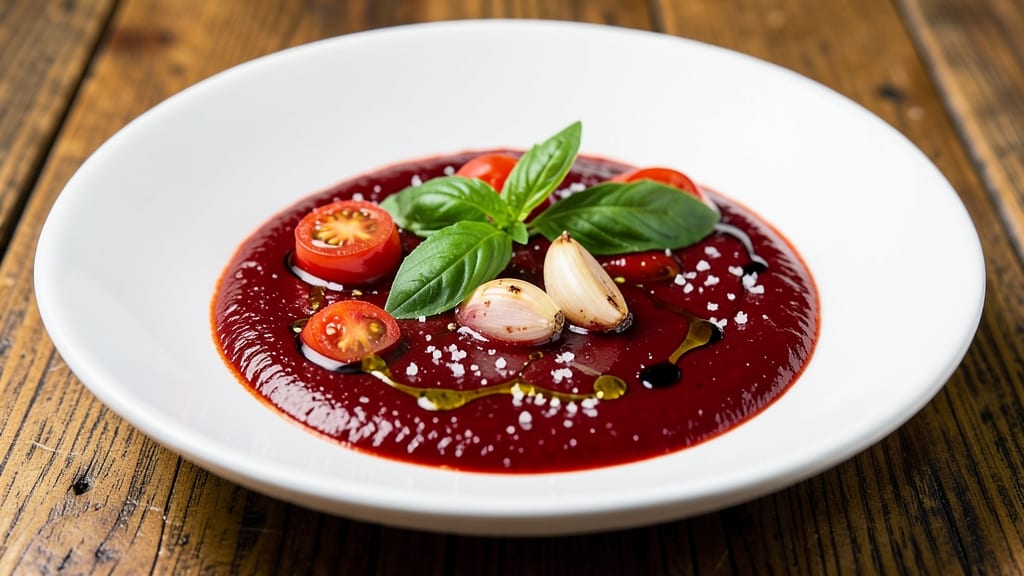
This authentic Napoli sauce recipe captures the soul of Naples in every spoonful—where sweet San Marzano tomatoes, fragrant garlic, and fresh basil create a symphony of flavors. 🌟 The secret lies in slow simmering, which develops deep, complex notes that transform simple ingredients into something extraordinary.
Unlike many commercial sauces, this version stays true to tradition without shortcuts, delivering a sauce that's rich yet balanced, with just the right tang.
What sets this Napoli sauce apart is its versatility—it works as a simple condiment for crusty bread or as the foundation for classic dishes like marinara pizza.
The recipe emphasizes quality ingredients: ripe San Marzano tomatoes (the gold standard for canned tomatoes), fresh basil for brightness, and extra virgin olive oil for richness. No added sugar or artificial flavors here—just pure, authentic taste that builds layer by layer as it simmers.
The process is straightforward but requires patience. You'll start with a gentle sauté of garlic in olive oil, then add crushed tomatoes and let the sauce develop over low heat for at least 30 minutes.
This slow cooking allows the flavors to meld, resulting in a sauce that's neither too thick nor too thin—perfect for drizzling, spooning, or storing for future use. The aroma alone will transport you to the streets of Naples.
Once complete, this sauce keeps beautifully in the refrigerator for up to a week, with flavors deepening over time. For an extra layer of authenticity, consider adding a splash of red wine during cooking or finishing with a sprinkle of flaky sea salt.
Whether you're serving it with fresh pasta or as a simple condiment, this Napoli sauce delivers the kind of depth and character that only traditional methods can achieve.
Ingredients for authentic napoli sauce
Eight essential ingredients transform into Naples' legendary sauce—where tradition meets simplicity.
| Ingredient | Amount | Notes |
|---|---|---|
| San Marzano Tomatoes (Canned, Whole) 🍅 | 28 oz | High-quality, crushed by hand |
| Extra-Virgin Olive Oil 🫒 | ½ cup | Fruity, Italian variety preferred |
| Garlic Cloves 🧄 | 5 whole | Fresh, peeled, lightly crushed |
| Fresh Basil Leaves 🌿 | ½ cup | Packed, stems removed |
| Red Wine (Optional) 🍷 | ¼ cup | Bold, dry variety like Chianti |
| Flaky Sea Salt 🧂 | ½ tsp | For finishing, Maldon preferred |
| Black Peppercorns 🌶️ | ¼ tsp | Freshly cracked |
| Red Pepper Flakes 🔥 | ¼ tsp | Optional, for subtle heat |
The foundation begins with San Marzano tomatoes, the gold standard for canned tomatoes. Look for whole, peeled tomatoes in a 28-ounce can—the smaller size ensures better quality than bulk options. Whole Foods Market or Eataly carry the best brands, but any reputable Italian market will have them. Fresh basil is non-negotiable; farmers' market basil has superior brightness compared to grocery store varieties. For olive oil, Italian extra-virgin like Colavita or Bertolli elevates the dish—avoid generic supermarket brands that lack depth. Garlic should be fresh, with no green shoots, and crushed rather than minced to prevent bitterness.
No red wine? Dry white wine or even tomato juice works in a pinch, though the depth of flavor will differ. Fresh basil can be substituted with dried basil at one-third the amount, but the texture and aroma won’t be the same. For the tomatoes, crushing by hand releases more flavor than pre-crushed options—skip the jarred marinara entirely. The sea salt should be flaky like Maldon or Diamond Crystal for that signature finish. Black peppercorns should be freshly cracked for maximum aroma; pre-ground loses potency quickly. If you prefer heat, red pepper flakes add a subtle kick without overpowering.
Store the sauce in an airtight glass jar with a layer of olive oil on top to preserve freshness. It keeps for up to 1 week in the fridge, with flavors deepening over time. For longer storage, freeze in ice cube trays for single-serving portions. Reheat gently on the stove, stirring occasionally, and avoid boiling to maintain texture. This sauce is best made a day ahead—patience is key to developing its authentic, layered complexity.
Why You'll Love This Recipe
- Here’s what sold me: I make a big batch on Sundays, and it lasts all week. The tomatoes keep it rich, the olive oil keeps it from drying out, and the basil stays fresh longer than I expected. Plus, it’s cheap—San Marzano cans are a splurge, but one jar stretches to four meals. My wallet thanks me.
- No Chopping Chaos: I swear by this recipe because it’s the only sauce I make that doesn’t require a mountain of prep. Just crush those whole San Marzano tomatoes by hand—no blender, no straining—while the garlic sizzles in the olive oil. That’s it. (Yes, even on a Tuesday night.)
- Garlic-Basil Magic: Between us, the secret’s in the slow simmer. Those crushed tomatoes release their sweetness while the garlic softens just enough to melt into the oil, then the fresh basil at the end? It’s like a flavor explosion you can’t resist. Honestly, I’ve never tasted a sauce where the basil shines so bright.
- Pasta Party Starter: This sauce is my go-to for when friends drop by unannounced. Dump it on spaghetti, toss it with grilled chicken, or even slather it on crusty bread—it’s that versatile. The red wine (if you use it) deepens the flavor, but even without it, it’s still a crowd-pleaser.
Step-by-step instructions for authentic Napoli sauce
Here's the traditional method that delivers Naples' signature balance of sweetness and acidity.
🍳 Step 1: Sanitize and Crush the Tomatoes
Start by sanitizing the 28 oz San Marzano Tomatoes (Canned, Whole)—this removes any skin residue that can make the sauce bitter. Place them in a large bowl and gently crush them by hand using your fingers or the bottom of a heavy glass. You want to break them open while preserving their natural shape—this creates texture in the finished sauce.
Transfer the crushed tomatoes to a 6-quart saucepan and discard any liquid that remains in the can. The concentrated tomato flavor is what makes San Marzano tomatoes exceptional, so we preserve every bit of that sweet, rich pulp. Keep the tomatoes at room temperature while you prepare the rest of your ingredients.
🔥 Step 2: Develop the Flavor Base
Heat the 0.5 cup Extra-Virgin Olive Oil over medium-low heat in the same saucepan. Add the 5 whole Garlic Cloves (lightly crushed) and cook for 3-4 minutes until they're golden but not browned—this prevents bitterness. The oil should shimmer gently, indicating it's ready for the next step.
If using, pour in the 0.25 cup Red Wine (Optional) and let it simmer for 2 minutes until completely evaporated. This deglazes the pan and adds depth to the sauce. The wine should disappear without leaving any alcohol taste—just a subtle hint of its earthy character. This step is crucial for authentic flavor development.
🍳 Step 3: Simmer the Sauce Low and Slow
Add the crushed tomatoes to the pan and stir well to combine with the garlic oil. Bring the mixture to a gentle simmer over medium-low heat, then reduce to the lowest setting that maintains a steady bubble. Partially cover the pan and let it cook for 45-60 minutes, stirring occasionally to prevent sticking.
You're looking for a sauce that thickens naturally as moisture evaporates. The texture should become velvety smooth with a glossy sheen—this indicates proper reduction. Avoid high heat at all costs; it will break down the tomato's natural sweetness and create a harsh, acidic sauce. Patience here is key to authentic Napoli flavor.
👨🍳 Step 4: Finish with Fresh Basil and Seasonings
Remove the pan from heat and stir in the 0.5 cup Fresh Basil Leaves (packed, stems removed). Let the basil infuse for 5 minutes
Return the pan to low heat and add the 0.5 tsp Flaky Sea Salt, 0.25 tsp Black Peppercorns (freshly cracked), and 0.25 tsp Red Pepper Flakes. Taste and adjust seasoning—authentic Napoli sauce should be balanced between sweet, salty, and slightly acidic, with just a whisper of heat from the red pepper flakes. Transfer the sauce to a serving bowl and let it rest for 10 minutes before using. This resting period allows flavors to meld completely and the sauce to reach its ideal consistency. The texture should coat the back of a spoon without being gluey. Serve immediately over freshly cooked pasta, drizzled with a little more Extra-Virgin Olive Oil if desired. The sauce should cling beautifully to the pasta, delivering layers of sweet tomato, aromatic garlic, and bright basil in every bite. For best results, use within 24 hours—fresh Napoli sauce tastes nothing like its store-bought counterpart.⏰ Step 5: Rest and Serve
Pro Tips For Making Authentic Napoli Sauce
- CRUSH THE TOMATOES: Start with whole San Marzano tomatoes straight from the can—no crushing with a spoon. Use a potato masher or your clean hands to break them into rough chunks (about 1-inch pieces) before simmering. This keeps the sauce from turning into a watery mush while releasing flavor evenly.
- SWEAT THE GARLIC LOW: Add minced garlic to the olive oil over low heat the moment it shimmers, not when it’s smoking. If you’re impatient and let it burn, you’ll taste bitterness instead of sweet, nutty garlic. Cover the pan for 30 seconds—just until the edges of the garlic turn pale gold.
- SALT THE TOMATOES FIRST: Drain the whole tomatoes into a colander, then sprinkle them with 1 teaspoon of salt and let them sit for 10 minutes. This draws out excess water and seasons the sauce from the start, so you won’t need to add extra salt later. Rinse briefly if you’re worried about canned tomato saltiness.
- STIR AND SKIM: After the tomatoes break down, stir the sauce frequently and skim off any foam or scum that rises to the top with a spoon. This prevents a cloudy, off-flavor buildup and keeps the sauce bright and clean. I used to ignore this, and my sauce always tasted dull—now it’s rich and vibrant.
Creative variations of this authentic napoli sauce
Classic Marinara Twist
For a lighter, more versatile version, reduce the simmering time to 20-25 minutes and add 1 tbsp tomato paste at the start for extra depth.
Skip the red wine and finish with 1 tsp dried oregano instead of fresh basil—this creates a classic marinara that works perfectly with spaghetti or as a pizza sauce base. The key is keeping the heat low to preserve the tomato's natural sweetness. 🌿
Spicy Arrubbata Style
Transform this into arrubbata, Naples' fiery cousin, by adding 1-2 anchovy fillets (finely chopped) with the garlic and 1 tsp crushed red pepper to the olive oil. Simmer the sauce for 30 minutes uncovered to intensify the heat.
Finish with 1 tbsp capers and a splash of balsamic vinegar for tang. This bold version pairs beautifully with grilled meats or crusty bread. 🔥
White Wine Reduction
For a more refined touch, replace the red wine with ½ cup dry white wine (like Vermentino) and add 1 sprig fresh rosemary while simmering. The wine's acidity brightens the sauce, while rosemary adds an earthy aroma.
Reduce the simmering time to 35 minutes to prevent overcooking. This version shines as a dipping sauce for garlic bread or as a topping for roasted vegetables. 🍷
Herb-Infused Variations
Experiment with fresh herbs like thyme or parsley for unique twists. Add 1 tbsp chopped thyme with the garlic or ½ cup chopped parsley at the end for a vibrant green hue.
For a Mediterranean touch, stir in 1 tsp dried fennel seeds (toasted in the olive oil) and finish with lemon zest. These variations keep the sauce's authenticity while adding new dimensions. 🌱
Smoky Grilled Version
For a smoky depth, cook the garlic in olive oil until golden, then transfer to a grill pan or cast-iron skillet over medium-high heat for 2-3 minutes to char slightly.
Return to the stove and proceed with the recipe. The smoky notes complement the tomato's sweetness beautifully, making this ideal for grilled dishes or as a pizza sauce. 🌶️
Sweet and Tangy
Balance the acidity by adding 1 tsp honey or 1 tbsp balsamic glaze at the end. For extra tang, finish with 1 tsp apple cider vinegar.
This version works wonderfully as a marinade for chicken or as a glaze for roasted vegetables. The sweetness enhances the tomato's natural flavors without overpowering them. 🍯
Nutrition facts
Frequently asked questions
Why do I need to crush San Marzano tomatoes by hand?
Crushing the tomatoes by hand preserves their natural texture and prevents bitterness from overcooking. The gentle crushing releases flavor while keeping the sauce's velvety consistency. Pre-crushed tomatoes often contain additives and break down too quickly, losing that authentic Napoli sweetness.
Can I substitute regular canned tomatoes for San Marzano?
While you can use regular tomatoes, you'll lose that signature sweetness and depth. For best results, choose the highest-quality canned tomatoes available—look for brands labeled "whole peeled" without added salt or preservatives. If using regular tomatoes, simmer the sauce 10-15 minutes longer to concentrate flavors.
How do I know when the sauce is properly reduced?
The sauce is ready when it coats the back of a spoon smoothly without being gluey. It should have a glossy sheen and reduced volume by about 25-30%. Stir occasionally and taste—authentic Napoli sauce should be balanced between sweet, salty, and slightly acidic, never overly thick or watery.
Can I make this sauce ahead of time?
This sauce tastes even better the next day as flavors deepen. Store in an airtight glass jar with a layer of olive oil on top to preserve freshness. Reheat gently on low heat, stirring occasionally—never boil to maintain texture. For longer storage, freeze in ice cube trays for single-serving portions.
What's the difference between Napoli sauce and marinara?
Napoli sauce is richer and more complex, with a longer simmer time and no added oregano. Marinara is lighter, often includes tomato paste, and finishes with dried oregano. Think of Napoli sauce as the base for authentic pizza, while marinara works better for quick pasta dishes.