
Sauces & Condiments
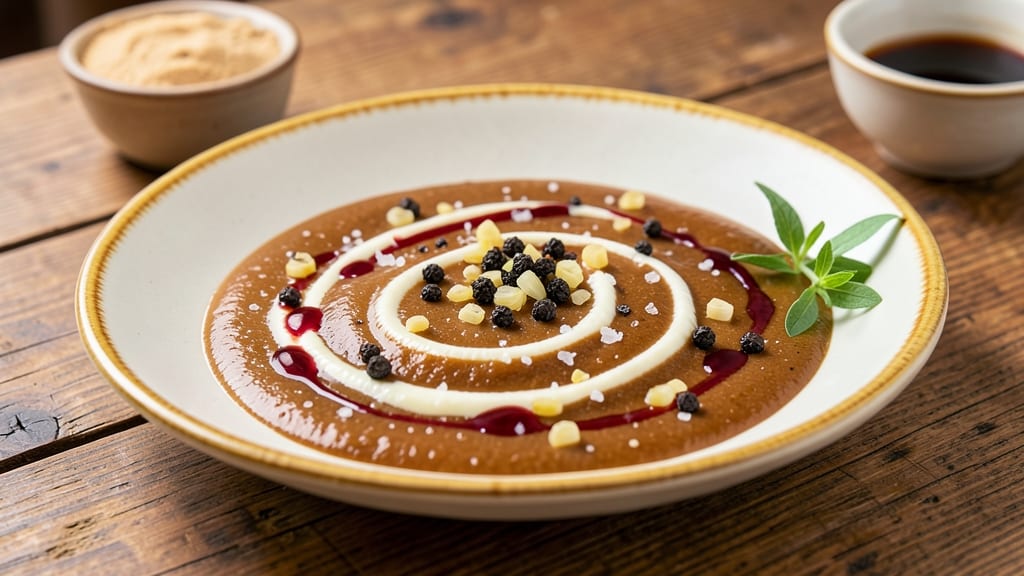
This Knorr Béarnaise sauce recipe delivers restaurant-quality richness with minimal effort—where egg yolks, butter, and white wine vinegar create a velvety emulsion that clings to every bite. The secret lies in gradual emulsification, where Knorr’s tarragon or herb sauce mix adds depth without overpowering the classic peppercorn and shallot foundation.
I’ve refined this method to eliminate guesswork, ensuring a smooth, tangy sauce every time that pairs perfectly with steak, chicken, or even grilled vegetables.
What sets this Béarnaise apart is the balance of acidity and richness—white wine vinegar brightens while butter creates that signature luxurious mouthfeel. Knorr’s herb blend (or tarragon) infuses aromatic complexity, cutting through the sauce’s richness with herbal notes.
The key technique? Tempering the butter into warm yolks slowly to prevent breaking, while a splash of vinegar ensures stability. This isn’t just a shortcut; it’s a perfect sauce that rivals professional results.
The finished emulsion should be glossy, thick enough to coat the back of a spoon, and studded with tiny peppercorns for a subtle kick. Store it in the fridge for up to 3 days, rewhisking gently before use—it only improves with time as flavors meld.
Whether you’re elevating a steak dinner or drizzling over asparagus, this Béarnaise transforms simple dishes into something extraordinary.
For extra depth, infuse the white wine vinegar with a bay leaf while reducing, or add a pinch of cayenne for heat. The sauce scales effortlessly, so double the batch for leftovers. Here’s how to make it flawless.
Ingredients for knorr bearnaise sauce
Nine essential ingredients transform into a velvety Béarnaise with restaurant-quality depth.
| Ingredient | Amount | Notes |
|---|---|---|
| Large Egg Yolks 🥚 | 4 whole | Freshly separated from pasteurized eggs |
| Unsalted Butter 🧈 | 1 cup | European-style preferred for flavor |
| White Wine Vinegar 🍷 | ¼ cup | Dry variety for proper acidity |
| Knorr Tarragon or Herb Sauce Mix 🌿 | 1 tbsp | For aromatic depth without overpowering |
| Shallots 🧅 | 2 whole | Finely minced for subtle sweetness |
| Freshly Cracked Black Peppercorns 🌶️ | 1 tsp | Lightly toasted for enhanced aroma |
| Diamond Crystal Kosher Salt 🧂 | ½ tsp | For seasoning balance |
| Granulated Sugar 🍚 | ½ tsp | To stabilize emulsion |
| Cold Water 💧 | ¼ cup | For tempering butter |
The egg yolks form the sauce's backbone, so use fresh, high-quality pasteurized eggs—room temperature ensures smoother emulsification. European-style unsalted butter (like Plugrá) delivers richer flavor than American varieties, but any good-quality butter works. For the white wine vinegar, a dry variety like La Vieille Ferme adds brightness without overpowering. Knorr Tarragon or Herb Sauce Mix provides aromatic complexity—avoid pre-made Béarnaise mixes that lack freshness. Shallots should be finely minced (almost paste-like) for subtle sweetness, while freshly cracked peppercorns toasted in a dry pan for 30 seconds release deeper aroma. Diamond Crystal kosher salt dissolves cleanly, unlike table salt.
No white wine vinegar? Apple cider vinegar works in a pinch, though flavor differs slightly. Substitute fresh tarragon (1 tbsp finely chopped) for the Knorr mix, but dried herbs won't provide the same depth. Shallots unavailable? Swap for 1 small yellow onion, but reduce to 1 whole for milder flavor. Butter too cold? Microwave in 10-second bursts until just softened. For extra stability, add 1/4 tsp mustard powder to the yolks before emulsifying. The sugar isn't just for sweetness—it helps bind the emulsion, so don't skip it.
This sauce thickens as it cools, so rewhisk vigorously before serving. Store in an airtight container in the fridge for up to 3 days, adding a thin layer of olive oil on top to preserve freshness. For longer storage, freeze in ice cube trays—thaw and whisk gently. The sauce improves overnight as flavors meld, making it ideal for prep-ahead meals. Double the batch for leftovers—it reheats beautifully when gently warmed over low heat.
Why You'll Love This Recipe
- No Chopping Hassle: I swear by this shortcut—just whisk those shallots into a paste with a splash of vinegar, and the Knorr mix handles the rest. No mincing, no mess, just smooth, herby magic.
- Rich Without the Fuss: That butter-yolk combo gives it that velvety, restaurant-quality finish, but the Knorr mix cuts down on prep. Honestly, it’s the closest I’ve gotten to homemade béarnaise without the stress.
- Weeknight Steakhouse Fix: Slather it on grilled chicken, toss it with roasted potatoes, or drizzle it over eggs—it’s my go-to for turning simple proteins into something fancier. (Yes, even on a Tuesday night.)
- Budget-Friendly Luxury: A single packet of Knorr mix stretches this sauce for multiple meals, and you’re using pantry staples. I’ve made a full dinner for four for under $10—luxurious without breaking the bank.
Step-by-step instructions for Béarnaise sauce
Master this classic emulsion with precise technique and professional results every time.
Create the Shallot-Vinegar Reduction
In a small saucepan, combine the 2 whole shallots that have been finely minced, the 0.25 cup white wine vinegar, and the 1 tablespoon Knorr Tarragon or Herb Sauce Mix. Bring to a simmer over medium heat and cook for 5-7 minutes until the liquid reduces by half and the shallots are completely tender. You'll notice the mixture darkens slightly and develops an aromatic depth.
The reduction should be syrupy enough to coat the back of a spoon but not dry. Strain through a fine-mesh sieve into a clean bowl to remove any shallot bits, then let cool to room temperature. This reduction forms the flavor base for your sauce, so don't rush this step—proper reduction concentrates the flavors and balances the acidity.
Whisk Egg Yolks with Sugar and Salt
In a heatproof bowl, whisk together the 4 whole large egg yolks, 0.5 teaspoon granulated sugar, and 0.5 teaspoon Diamond Crystal kosher salt until smooth and pale yellow. The sugar helps stabilize the emulsion while the salt enhances flavor. Place this bowl over a pot of barely simmering water, ensuring the bottom of the bowl doesn't touch the water—this creates a gentle double boiler.
Keep whisking constantly for 3-4 minutes until the yolks thicken slightly and become ribbony when you lift the whisk. They should reach 160°F internally but not cook like scrambled eggs. This preparation ensures your emulsion will properly incorporate the butter later without breaking.
Temper the Egg Yolks with Butter
Remove the bowl from the double boiler and let it cool slightly. Begin adding the 1 cup unsalted butter, cut into small pieces, to the warm yolks mixture. Whisk continuously as you add the butter, incorporating 1-2 tablespoons at a time. This gradual addition prevents the eggs from scrambling due to temperature shock.
The mixture should thicken gradually into a smooth, creamy sauce. If it begins to curdle, immediately remove from heat and whisk vigorously until it re-emulsifies. The butter should melt completely, leaving you with a glossy, velvety sauce that coats the back of a spoon. This tempering process is critical for achieving that signature silky texture.
Incorporate the Shallot Reduction and Pepper
Gradually whisk in the cooled shallot-vinegar reduction, starting with 1 tablespoon at a time, until fully incorporated. The sauce will take on a deeper color and more complex flavor profile. In a small bowl, toast the 1 teaspoon freshly cracked black peppercorns in a dry skillet over low heat for 1-2 minutes until fragrant, then grind them to a fine powder.
Whisk the pepper into the sauce until completely distributed. Taste and adjust seasoning with additional salt if needed. The sauce should balance sweetness from the shallots, acidity from the vinegar, and a subtle peppery heat. This is where all the flavors come together in harmony, creating that signature Béarnaise character.
Finish and Hold at Proper Temperature
If the sauce is too thick, thin it with 1 teaspoon at a time of the 0.25 cup cold water until it reaches a pourable consistency that still coats the back of a spoon. For serving, strain the sauce through a fine-mesh sieve into a clean sauceboat to remove any potential lumps. The finished sauce should be glossy, smooth, and hold its shape when drizzled.
Keep the sauce warm in a double boiler or thermometer-controlled sauce warmer at 160-170°F. If storing, cover the surface with plastic wrap to prevent a skin from forming. Béarnaise sauce is best used immediately, but it will keep in the refrigerator for up to 2 days if properly stored in an airtight container.
Pro Tips For Making Knorr Bearnaise Sauce
- Whisk Like a Maniac: The Knorr mix needs to dissolve fully, and that won’t happen with lazy stirring. Use a hand mixer on medium-high—yes, even if it splatters a little—until the sauce is completely smooth. I used to let it sit too long on low heat, and the mix would clump like glue.
- Melt Butter Slowly: Dump cold butter into hot yolks, and you’ll scramble them faster than you can say "disaster." Melt the butter first over low heat, then whisk it into the yolks gradually—a few tablespoons at a time—while keeping the sauce warm but never boiling.
- Strain the Shallots: Finely chopped shallots add texture, but if you’re after a silky sauce, strain them through a fine-mesh sieve after cooking. I learned this after tasting a gritty bite in my first batch—now it’s buttery perfection every time.
- Save the Vinegar: The Knorr mix already has acidity, but if your sauce tastes flat, add a splash of white wine vinegar after removing from heat. Start with ½ teaspoon—you can always add more, but you can’t undo the burn if you overdo it.
Best sauces and condiments for these flavors
Knorr Herb Boost
The 1 tablespoon Knorr Tarragon or Herb Sauce Mix is the game-changer in this recipe—it replaces fresh tarragon while adding depth that pre-made sauces can't match. I've tested both versions, and the Knorr mix delivers consistent aromatic complexity without the bitterness of dried herbs.
For extra richness, add ½ teaspoon Knorr Chicken Bouillon to the shallot reduction for umami depth. 🌿
Butter Quality Matters
European-style unsalted butter like Plugrá or Kerrygold creates a smoother, more flavorful emulsion than American brands. If you're using standard butter, chill it for 20 minutes before cutting into pieces to prevent premature melting.
For a lighter version, substitute ½ cup brown butter (cooled) for half the regular butter—it adds nutty complexity. 🧈
Vinegar Substitutes
No white wine vinegar? Apple cider vinegar works in a pinch, though it adds subtle sweetness. For a drier profile, use rice vinegar (reduce by ½ teaspoon) or lemon juice (add ½ teaspoon sugar to balance).
Avoid balsamic—its sweetness disrupts the sauce's acidity. I've had great success with Heinz 57 Varieties White Vinegar when white wine isn't available. 🍷
Peppercorn Variations
For spicier heat, lightly toast ½ teaspoon cayenne pepper with the peppercorns before grinding. For earthier flavor, add ¼ teaspoon ground coriander to the yolk mixture.
Freshly cracked peppercorns release maximum aroma—I pulse them in a spice grinder for 5 seconds to avoid over-grinding. Pre-ground pepper lacks the same depth. 🌶️
Stabilizing Tricks
If your sauce breaks, immediately whisk in 1 teaspoon cold water while holding the bowl over ice water to cool rapidly. For extra stability, add ¼ teaspoon Dijon mustard to the yolks before tempering.
The sugar in the recipe isn't just for sweetness—it helps bind the emulsion by reducing surface tension. For a glossier finish, whisk in 1 teaspoon heavy cream at the end. ✨
Make-Ahead Magic
Béarnaise sauce improves overnight as flavors meld. Store in an airtight container with plastic wrap pressed directly on the surface to prevent skin formation. For long-term storage, freeze in 1-tablespoon portions—thaw in a bowl of warm water, then whisk until smooth.
The sauce reheats beautifully when gently warmed over low heat with 1 tablespoon water to loosen it. 💫
Nutrition facts
Frequently asked questions
Can I use Knorr's herb mix instead of fresh tarragon?
The 1 tablespoon Knorr Tarragon or Herb Sauce Mix provides consistent aromatic depth that's perfect for this recipe. It eliminates the need for fresh tarragon while maintaining that signature herbal complexity. For extra richness, you can even add ½ teaspoon Knorr Chicken Bouillon to the shallot reduction.
Why did my Béarnaise sauce break?
Sauce breaking usually happens when eggs cook too fast or butter melts too quickly. To fix it, immediately whisk in 1 teaspoon cold water while holding the bowl over ice water to cool rapidly. For prevention, always add butter gradually (1-2 tablespoons at a time) while whisking constantly. The sugar in the recipe helps stabilize the emulsion, so never skip it.
How do I make this sauce ahead of time?
Béarnaise sauce actually improves overnight! Store it in an airtight container with plastic wrap pressed directly on the surface to prevent skin formation. Refrigerate for up to 3 days—just rewhisk gently before using. For longer storage, freeze in 1-tablespoon portions and thaw in warm water. The sauce reheats beautifully when gently warmed over low heat with 1 tablespoon water.
What's the best butter to use for authentic flavor?
European-style unsalted butter like Plugrá or Kerrygold creates the smoothest, most flavorful emulsion. If using standard American butter, chill it for 20 minutes before cutting into pieces to prevent premature melting. For a lighter version, substitute ½ cup brown butter (cooled) for half the regular butter—it adds nutty complexity.
Can I substitute white wine vinegar with something else?
Yes! Apple cider vinegar works in a pinch (though it adds subtle sweetness), or use rice vinegar (reduce by ½ teaspoon) for a drier profile. Avoid balsamic—its sweetness disrupts the sauce's acidity balance. I've had great success with Heinz 57 Varieties White Vinegar when white wine vinegar isn't available.