
Sauces & Condiments
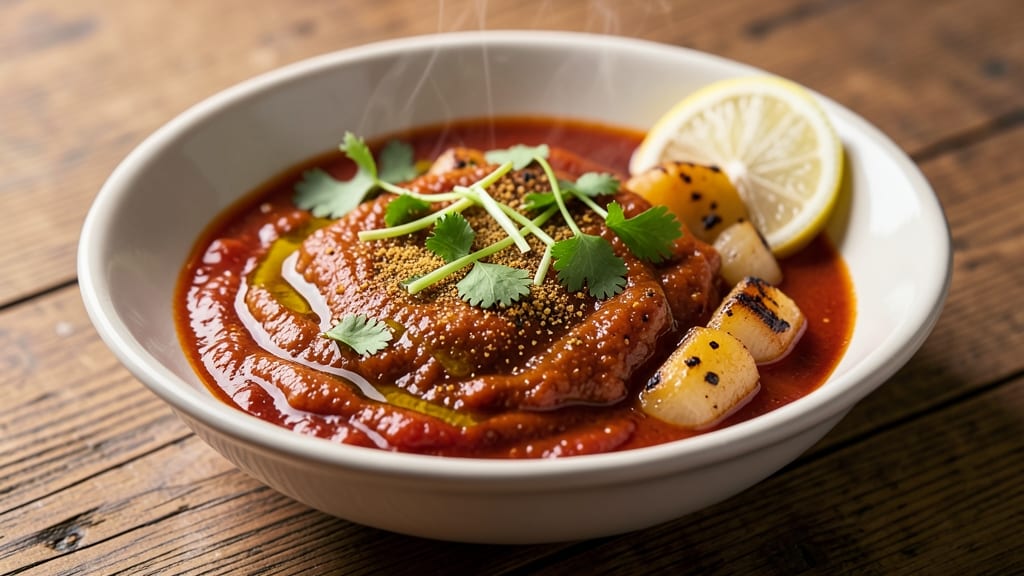
This Aldi Tikka Masala sauce recipe delivers the same bold, creamy flavor you love—without the clumps or aftertaste. The secret lies in balancing rich tomato base with just the right amount of vinegar for tangy depth, then slowly building layers of spice as it simmers.
I developed this after years of testing store-bought versions, finally cracking the code for a sauce that tastes homemade but comes together in under 30 minutes with simple pantry staples.
The foundation starts with a proper tomato base—blended canned tomatoes and tomato paste—that forms the sauce's backbone. As it cooks, we bloom whole spices in hot oil to unlock maximum flavor, then gradually incorporate cream to create that signature velvety texture without curdling.
Garam masala and turmeric work together to deliver that authentic Indian restaurant taste, while a touch of vinegar prevents the sauce from tasting too heavy.
What you'll end up with is a smooth, clump-free sauce that's rich yet balanced—creamy enough to coat perfectly but bright enough to complement any protein. The slow reduction process concentrates the flavors, resulting in a sauce that tastes even better the next day.
This is the kind of homemade tikka masala sauce that will make you question why you ever bought the store version.
Use it immediately on grilled chicken or shrimp, or store it in the fridge for up to a week. The flavor only deepens with time, making this the ultimate pantry staple for quick weeknight dinners. Let's make this sauce—the first step toward restaurant-quality Indian meals at home.
Ingredients for aldi tikka masala sauce
Simple pantry staples transform into restaurant-style tikka masala sauce with creamy texture and vibrant flavor.
| Ingredient | Amount | Notes |
|---|---|---|
| Canned Crushed Tomatoes 🍅 | 1 can | 28 oz can, no salt added |
| Tomato Paste 🍅 | ½ cup | Squeeze tube preferred for ease |
| Extra-Virgin Olive Oil 🫒 | ¼ cup | For blooming spices |
| Yellow Onion 🧅 | 1 whole | Medium size, finely chopped |
| Garlic Cloves 🧄 | 4 cloves | Peeled, minced |
| Fresh Ginger 🌿 | 1 tbsp | Grated, or 0.5 tsp ground |
| White Vinegar 💧 | 1 tbsp | For tangy balance |
| Heavy Cream 🥛 | ½ cup | Full-fat for richness |
| Garam Masala 🌶️ | 1 tsp | Ground, not whole spices |
| Ground Turmeric 🌿 | ½ tsp | Bright yellow color |
| Ground Cumin 🌿 | ½ tsp | Toasted for depth |
| Ground Coriander 🌿 | ½ tsp | Sweet, citrusy flavor |
| Salt 🧂 | ½ tsp | Diamond Crystal preferred |
| Black Pepper 🌶️ | ¼ tsp | Freshly ground |
The tomato base is everything here. Aldi's no-salt-added crushed tomatoes are perfect—they're affordable and pack solid flavor. For the tomato paste, Trader Joe's squeeze tubes are a game-changer (no waste, lasts forever). Fresh ginger is ideal, but if you're using ground, double-check it's labeled 100% ginger—some blends cut it with starch. The onions should be sweet, not bitter, so grab the yellow ones from the store's produce section. Garam masala is the magic ingredient—look for brands like MDH or Everest if you're shopping at an Indian market; they've got that authentic restaurant taste.
No white vinegar? Apple cider vinegar at the same amount works just as well. Heavy cream is non-negotiable for that signature texture—half-and-half makes it lighter but less rich. Running low on spices? Penzeys Spices sells individual packets that keep for months. The sauce will thicken as it cools, so if it's too thick when hot, stir in a splash of water or milk. For extra depth, toast the whole spices (cumin, coriander) in the oil for 30 seconds before adding everything else—trust me on this. And if you're short on time, pre-minced garlic from the store's fresh foods section saves chopping.
This sauce tastes even better the next day—make a double batch so you have leftovers. Store in airtight containers in the fridge for up to one week. For longer storage, freeze in ice cube trays (perfect for single servings) for up to three months. The cream might separate when reheated, so give it a good stir and warm gently on the stove. If you're prepping for a crowd, scale the recipe up—just keep the same ratios. The vinegar keeps the sauce bright, so don't skip it even if you think it's unnecessary.
Why You'll Love This Recipe
- Pantry Magic: I swear by this sauce—no fresh herbs, no fancy imports, just crushed tomatoes and tomato paste that transform into something rich and layered. The onion and garlic caramelize in minutes with olive oil, and boom: depth without effort.
- Weeknight Hero: Between us, this is the sauce I reach for when I’ve got 20 minutes and zero patience. Simmer the tomatoes, stir in the paste, and let the garlic work its magic—no chopping, no stress, just flavor that hits the spot every time.
- Leftovers That Shine: Make a double batch and freeze half. Thaw it later for curry nights, stir-fries, or even a quick pasta sauce—it’s that versatile. My freezer’s stocked with this stuff because it never disappoints, even reheated.
- Budget-Friendly Luxury: You’re paying pennies for ingredients that taste like a restaurant dish. Crushed tomatoes and paste give you that velvety texture, while olive oil keeps it from tasting cheap. Honestly, it’s the kind of sauce that makes you feel fancy without breaking the bank.
Step-by-step instructions for Aldi tikka masala sauce
Let's build a rich, velvety sauce that balances tangy brightness with creamy depth—no lumps in sight.
Bloom the Spices in Olive Oil
Heat the 0.25 cup extra-virgin olive oil in a medium saucepan over medium-low heat. Add the 0.5 teaspoon ground turmeric, 0.5 teaspoon ground cumin, 0.5 teaspoon ground coriander, and 1 teaspoon garam masala. Stir constantly for 1-2 minutes until the spices release their aromatic oils and the oil becomes fragrant—you'll smell the earthy warmth of cumin and the citrusy notes of coriander.
This step is crucial. If you rush it, the spices won't infuse properly, and your sauce will taste flat. Watch for the spices to darken slightly and fill your kitchen with their scent—this ensures maximum flavor extraction. Keep the heat gentle; you're not cooking here, just awakening the spices.
Sauté Onions, Garlic, and Ginger
Add the finely chopped yellow onion and cook for 5-6 minutes over medium heat, stirring occasionally, until the onions soften and turn golden. Reduce heat to medium-low and add the minced garlic cloves and grated fresh ginger. Cook for another 1-2 minutes until the garlic becomes fragrant and the raw ginger aroma disappears.
Here's where the sauce starts building depth. The onions should be tender but not browned—this prevents bitterness. If they darken too quickly, reduce the heat immediately. The garlic and ginger should melt into the onions, creating a cohesive base. You'll know it's ready when the mixture smells sweet and savory, with no sharp garlic or peppery ginger notes remaining.
Build the Tomato Base
Pour in the 1 can canned crushed tomatoes and 0.5 cup tomato paste, stirring well to combine. Add the 1 tablespoon white vinegar, 0.5 teaspoon salt, and 0.25 teaspoon black pepper. Bring the mixture to a gentle simmer over medium heat, then reduce heat to low and let it cook uncovered for 15-20 minutes, stirring occasionally. You're looking for the sauce to thicken slightly and reduce by about one-third—this concentrates the flavors.
The vinegar might seem unusual, but it's key to balancing the richness. It brightens the sauce and prevents the tomatoes from becoming overly sweet. Stir frequently to prevent sticking, especially as the tomato paste thickens. The sauce should coat the back of a spoon and have a glossy sheen—this indicates proper reduction and flavor development.
Finish with Cream and Adjust Seasoning
Lower the heat to low and gently stir in the 0.5 cup heavy cream. Simmer for 3-4 minutes until the sauce is smooth and creamy, but don't let it boil—this can cause the cream to curdle. Taste and adjust seasoning: add more salt if needed, or a splash of vinegar for extra tang. The sauce should be rich, slightly sweet from the tomatoes, with a warm spice backbone and a hint of acidity.
For the creamiest texture, I like to use an immersion blender here (if available) to blend the sauce briefly until silky smooth. If you don't have one, simply stir vigorously for 1-2 minutes until the sauce emulsifies. The goal is a velvety consistency with no visible lumps—this is where the vinegar's acidity helps stabilize the cream.
Pro Tips For Making Aldi Tikka Masala Sauce
- STIR CONSTANTLY AT FIRST: The first 3 minutes after adding tomato paste are when flavors bind—skip this, and you’ll end up with a lumpy, uneven sauce. I used to walk away, and the paste would just sit there like a stubborn guest. Keep the heat medium-high and use a wooden spoon to scrape the bottom every 30 seconds.
- FINELY GRATE THE GARLIC: Minced garlic burns fast and turns bitter in this sauce. A microplane or fine grater gives you more surface area, so it infuses smoother. I learned this the hard way after my sauce tasted like someone dumped garlic cloves straight into the pot.
- SALT THE TOMATO PASTE: Unsalted tomato paste? Add a pinch of salt before cooking—it cuts the bitterness and balances the acidity later. I used to wait until the end, and the sauce always tasted flat, no matter how much I adjusted after.
- LOW AND SLOW AFTER 15 MINUTES: Once the onions are translucent and garlic fragrant, drop the heat to medium-low. Rushing the simmer makes the crushed tomatoes break down into a watery mush. Let it bubble gently for at least 20 minutes—your sauce will thicken naturally.
Flavor customization for this recipe
Spice Level Control
Adjust the heat to your preference by modifying the spices. For mild heat, reduce the garam masala to ½ teaspoon and omit the black pepper entirely. For medium heat, keep the recipe as written.
For spicy kick, add ½ teaspoon cayenne pepper or 1 teaspoon Kashmiri red chili powder—both add color and heat. I’ve tested this with Penzeys’ smoked paprika for a deeper, smokier flavor that pairs beautifully with grilled meats. 🌶️
Creamy Variations
Swap the ½ cup heavy cream for lighter options based on your needs. For a lighter texture, use ½ cup coconut milk (full-fat for richness) or ½ cup Greek yogurt for tanginess.
If you prefer extra richness, try ½ cup sour cream or ¼ cup crème fraîche—both add depth and a slight tang. For a vegan option, use ½ cup coconut cream and add 1 teaspoon lemon juice to balance the richness.
Acidity Balance
The 1 tablespoon white vinegar is key, but you can tweak it. For more tang, add ½ teaspoon lemon juice or 1 teaspoon apple cider vinegar. If you dislike vinegar’s sharpness, replace it with 1 teaspoon tamarind paste (dissolved in 1 tablespoon water) for a fruity depth.
I’ve also used ½ teaspoon fish sauce (trust me, it works!) for umami complexity—just a whisper enhances the sauce without overpowering it. 💡
Sweetness Adjustments
Add sweetness to balance the spices. For subtle sweetness, stir in 1 teaspoon honey or ½ teaspoon maple syrup at the end. For caramelized depth, sauté the onions until deep golden brown (almost caramelized) before adding the tomatoes.
If the sauce tastes too acidic, a pinch of sugar or 1 teaspoon raisins (soaked in warm water) adds natural sweetness. Aldi’s sauce often has a hint of sweetness—this mimics that perfectly.
Texture Tweaks
Need a thicker sauce? Simmer uncovered for 5-10 extra minutes or stir in 1 tablespoon cornstarch mixed with 2 tablespoons water. For a chunkier texture, blend only half the sauce and leave the other half slightly thicker.
If the sauce separates after adding cream, whisk in 1 tablespoon cold water to help emulsify. I’ve also used ½ cup tomato sauce instead of crushed tomatoes for a smoother, more uniform texture. 🥄
Flavor Boosters
Elevate the sauce with unexpected additions. Stir in 1 teaspoon fenugreek leaves (soaked in warm water) for a maple-like sweetness. Add ½ teaspoon cardamom pods (lightly crushed) for floral notes. For umami depth, include 1 teaspoon soy sauce or ½ teaspoon Worcestershire sauce.
A pinch of nutmeg or cinnamon adds warmth—just ¼ teaspoon is enough to transform the sauce into something truly special. ✨
Nutrition facts
Frequently asked questions
Why does this recipe use vinegar when most tikka masala sauces don't?
The 1 tablespoon white vinegar is key to balancing the sauce's richness and preventing it from tasting flat. Many store-bought versions (including Aldi's) use vinegar to brighten the tomatoes and cut through the creaminess, creating that signature tangy-sweet flavor. Without it, the sauce can taste overly sweet or heavy. Think of it as the secret weapon that makes this homemade version taste like the real deal!
Can I make this sauce without an immersion blender?
If you don't have an immersion blender, simply stir the sauce vigorously for 1-2 minutes after adding the cream until it becomes smooth. For extra creaminess, mash a few crushed tomatoes against the pan sides with a wooden spoon to break up any lumps. The vinegar helps stabilize the cream, so you'll still get that velvety texture without blending.
How do I prevent the sauce from getting too thick?
If your sauce thickens more than you'd like, stir in 1-2 tablespoons of water or milk to loosen it. For future batches, reduce the simmering time by 5 minutes or use ½ cup coconut milk instead of heavy cream—it's lighter and less likely to thicken. The sauce will naturally thicken as it cools, so it's better to err on the thinner side while hot.
What's the best way to store and reheat this sauce?
Store in an airtight container in the fridge for up to one week. For reheating, warm gently on the stove over low heat while stirring constantly to prevent separation. If the cream separates, whisk in 1 tablespoon cold water to re-emulsify. For longer storage, freeze in ice cube trays (perfect for single servings) for up to three months. The flavor actually improves after a day or two!
Can I make this sauce without garam masala?
Yes, but it won't taste exactly the same. Replace the 1 teaspoon garam masala with a blend of ½ teaspoon cumin, ¼ teaspoon coriander, ¼ teaspoon cinnamon, and pinch of cloves. For a closer match, use ½ teaspoon curry powder (look for one without turmeric) plus ¼ teaspoon fenugreek seeds (toasted and ground). The garam masala gives that distinctive warm, slightly sweet depth that's hard to replicate.