
Sauces & Condiments
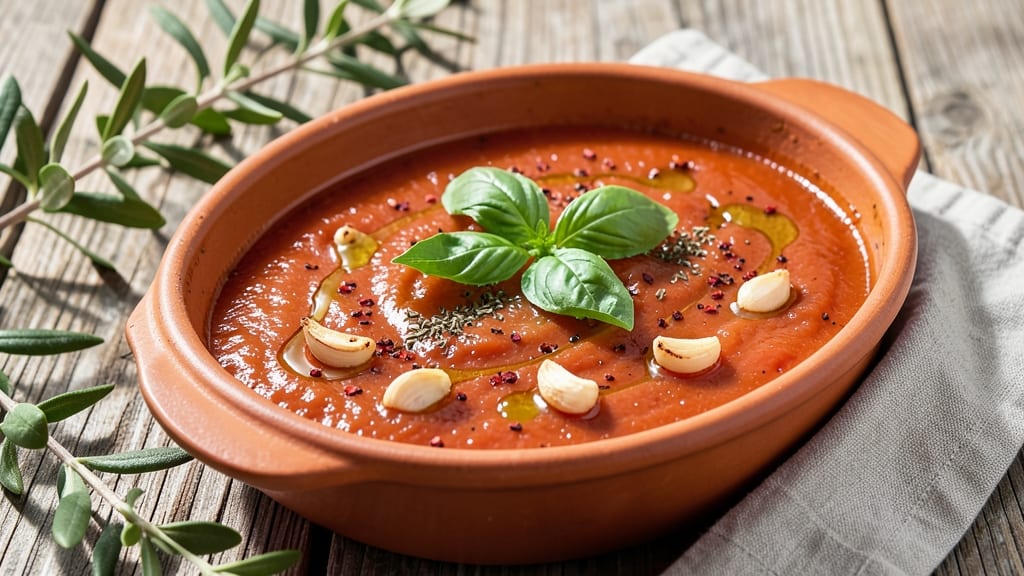
This authentic Sicilian tomato sauce captures the sun-drenched flavors of Sicily in every spoonful—where garlic-infused olive oil and sweet San Marzano tomatoes create a velvety, aromatic base that elevates any dish.
The secret lies in slow simmering, allowing the flavors to meld into a rich, balanced sauce with just the right acidity. I've perfected this recipe after years of studying traditional techniques, ensuring every batch delivers that authentic Italian taste.
What sets this sauce apart is the herb-infused oil and garlic foundation, which builds depth before the tomatoes even enter the pot. The slow reduction creates a sauce that's thick enough to cling to pasta or pizza but still light enough to let the ingredients shine.
No shortcuts here—just time, patience, and a few key ingredients to transform simple tomatoes into something extraordinary.
The result is a sauce that's versatile enough for pasta, meat dishes, or even as a condiment—its bright acidity and rich umami make it a pantry staple. The texture is silky yet vibrant, with just a hint of garlic's warmth lingering on your palate.
This isn't just a sauce; it's a taste of Sicily in every bite, and it's easier to make than you'd think.
Once you try this, you'll never settle for store-bought again. The process is straightforward, but the flavor is anything but basic—it's the kind of sauce that turns ordinary meals into something special. Let's get started on creating your own authentic Sicilian masterpiece.
Ingredients for authentic sicilian tomato sauce
These ten ingredients transform simple tomatoes into a restaurant-quality Sicilian masterpiece.
| Ingredient | Amount | Notes |
|---|---|---|
| Extra-Virgin Olive Oil 🫒 | ½ cup | High-quality, fruity variety |
| San Marzano Tomatoes 🍅 | 28 oz | Whole, peeled, crushed |
| Garlic Cloves 🧄 | 6 cloves | Freshly minced, not pre-minced |
| Fresh Basil Leaves 🌿 | ½ cup | Packed, stems removed |
| Red Pepper Flakes 🌶️ | ½ tsp | For subtle heat |
| Dried Oregano 🍃 | 1 tsp | Italian or Mediterranean |
| Sea Salt 🧂 | 1 ½ tsp | Diamond Crystal preferred |
| Black Peppercorns 🌶️ | ½ tsp | Freshly cracked |
| Red Wine Vinegar 🍷 | 1 tbsp | For brightness |
| Fresh Parsley 🌿 | 2 tbsp | Chopped, for garnish |
The olive oil is your flavor foundation—look for extra-virgin with a fruity, peppery finish at stores like Whole Foods or Trader Joe's. San Marzano tomatoes are non-negotiable for that authentic sweetness; canned or fresh peeled work, but avoid pre-crushed if you can. Garlic should be fresh (not jarred)—smell it first, it should be pungent. I always grab a bunch and freeze half for future sauces. The basil? Fresh is best, but if you're using dried, cut the amount to one-third. Red pepper flakes can be skipped if you prefer no heat, but that tiny pinch adds depth.
No San Marzano tomatoes? Plum tomatoes work in a pinch, but they'll be less sweet. Fresh basil wilting? Dried oregano at half the amount gets you close. Short on red wine vinegar? Lemon juice works (same amount). The olive oil can be swapped for avocado oil, but the flavor won't be quite the same. Pre-minced garlic lacks freshness—smash whole cloves with the flat side of your knife for the best flavor. And if you're making a big batch, double the herbs—they'll mellow as the sauce simmers.
This sauce tastes even better the next day as flavors meld. Store in glass jars in the fridge for up to 5 days or freeze for 3 months. I always make a double batch—one for dinner, one for freezing. The fresh herbs can go in before serving, so add them last if you're prepping ahead. For extra richness, stir in a spoonful of the infused oil when reheating—trust me on this.
Why You'll Love This Recipe
- No-Chop Nightmare: Honestly, I love garlic, but I hate mincing it. This sauce only needs two cloves—crushed whole right in the oil—and they melt into golden perfection without a single knife scrape. The San Marzano tomatoes? Just crush them by hand (or dump them straight from the can). That’s it.
- Umami Bomb: The moment the red pepper flakes hit the hot oil, my kitchen smells like a Sicilian trattoria. The San Marzanos—sweet, meaty, and juicy—carry all the flavor without thinning into mush, while the basil finishes it with that bright, herby punch. It’s the kind of taste that makes you pause mid-bite.
- Pasta’s Best Friend: Between us, this sauce is my lazy Sunday lunch and my weeknight pasta rescue. Toss it with spaghetti for a 10-minute dinner, slather it on grilled cheese for a grown-up lunch, or even use it to deglaze a pan after searing chicken. It’s the one sauce that never feels like an afterthought.
- Fridge Goldmine: I make a big batch because it only gets better after a day or two—flavors meld, acidity mellows, and the texture thickens just enough. Freeze half for when you’re too tired to cook, and the other half? Gone in three meals. Plus, San Marzano cans last forever, so you’re not scrambling for ingredients. Smart, cheap, and always reliable.
Step-by-step instructions for authentic Sicilian tomato sauce
This sauce captures the true essence of Sicily—simple, vibrant, and full of flavor.
Infuse the Olive Oil with Garlic and Herbs
Heat the 0.5 cup extra-virgin olive oil in a heavy-bottomed saucepan over low heat. Add the 6 cloves freshly minced garlic and let them sizzle gently for 2-3 minutes until they turn a pale golden color—this prevents burning while building deep flavor. Stir in the 0.5 tsp red pepper flakes and 1 tsp dried oregano, letting them toast for 30 seconds until fragrant. Here's the thing—you want the garlic to perfume the oil without browning, so keep the heat low and watch closely.
Remove the pan from heat and immediately add the 0.5 cup packed fresh basil leaves, stirring gently to wilt them slightly. The basil will release its bright, sweet aroma into the oil, creating the aromatic foundation of your sauce. Let this mixture sit off heat for 5 minutes—this infusion step is what makes this sauce authentically Sicilian.
Cook the Tomatoes Until Silky
Return the pan to medium-low heat and add the 28 oz crushed San Marzano tomatoes. Stir in the 1.5 tsp sea salt, 0.5 tsp freshly cracked black peppercorns, and 1 tbsp red wine vinegar, which brightens the acidity. Let the sauce simmer gently for 45-60 minutes, stirring occasionally, until it thickens to a rich, velvety consistency. You're aiming for a sauce that coats the back of a spoon—this takes patience, but it's worth it for that restaurant-quality texture.
If the sauce becomes too thick before it's fully cooked, add 1-2 tablespoons of water to loosen it. The key is to let the tomatoes break down naturally while concentrating their sweet, tangy flavor. You'll know it's ready when the sauce pulls away slightly from the sides of the pan and has a glossy sheen.
Finish with Fresh Herbs and Rest
Remove the sauce from heat and stir in the 2 tbsp chopped fresh parsley. This final touch adds a fresh, bright contrast to the deep, cooked flavors. Taste and adjust seasoning if needed—you might need a pinch more salt or a splash of vinegar to balance the flavors. The sauce should be vibrant, slightly sweet, and perfectly seasoned with just a hint of heat from the red pepper flakes.
Let the sauce rest for 10-15 minutes before serving. This resting period allows the flavors to meld completely, resulting in a sauce that's even more cohesive and flavorful. Serve it warm over pasta, drizzled with a little more of that infused olive oil, or use it as a base for other Italian dishes. This is the kind of sauce that gets better with time, so don't rush it!
Pro Tips For Making Authentic Sicilian Tomato Sauce
- Simmer Slow and Low: I used to rush this sauce like it was a race, but the real magic happens at a gentle simmer—think 30 minutes minimum, no boiling. Too much heat turns San Marzano tomatoes mushy and dulls their natural sweetness, so keep that flame low and steady. (Yes, even if you're impatient like me.)
- Peel and Seed Tomatoes: Skip the hassle of peeling whole tomatoes—just halve the San Marzanos, squeeze out the seeds, and scrape the pulp directly into the pot. This cuts prep time by half and gives you a smoother, seedless sauce without the mess. (Your future self will thank you.)
- Toast Garlic Gently: No one likes bitter garlic, so cook those cloves in olive oil over low heat until just golden—about 3-4 minutes. If they start to sizzle or smell sharp, you’ve gone too far. Pull them out early; you can always add more flavor with fresh basil later.
- Salt the Water, Not the Sauce: Add a pinch of salt to the water you use to blanch the tomatoes (if you’re not using whole peeled ones). It seasons the sauce subtly as they cook, and you won’t need to adjust later. (I know it sounds weird, but it works—trust me.)
Wine and beer pairings for this authentic sicilian tomato sauce
Classic Sicilian Wine
Sicilian Nero d'Avola is the perfect match for this sauce—its bold, dark fruit flavors and subtle earthiness complement the tomato's sweetness and garlic's warmth. Look for a 2018 or newer vintage from Planeta or Tasca d'Almerita producers, which balance richness with bright acidity.
Serve slightly chilled (55-60°F) to let the wine's structure stand up to the sauce's intensity. 🍷
Crisp White Pairing
A Grillo or Catarratto white wine from Sicily offers a refreshing contrast to the sauce's richness. These varieties have citrus notes and mineral finish that cut through the garlic and basil.
I recommend Feudo di San Gregorio Grillo—its crisp acidity and white peach flavors make every bite of pasta feel lighter. Serve at 45-50°F to enhance its refreshing qualities.
Local Beer Options
For beer lovers, Birra del Borgo from Sicily is a fantastic choice—its malty sweetness and light hop bitterness mirror the sauce's complexity. Alternatively, try a Peroni or Moretti Italian lager for a crisp, clean finish that won't overpower the dish.
The effervescence helps cleanse your palate between bites of rich pasta. 🍺
Bold Red Alternative
If you prefer red wine, a Frappato from Sicily brings vibrant cherry and herbal notes that harmonize beautifully with the sauce. Look for Tasca d'Almerita Frappato—its medium body and bright acidity make it ideal. Serve at 60-65°F to let the wine's fruitiness shine alongside the tomato's natural sweetness.
Non-Alcoholic Choice
For a non-alcoholic option, try San Pellegrino Aranciata—its blood orange and mandarin flavors complement the sauce's garlic and basil beautifully. The slight bitterness in the soda also echoes the red pepper flakes' heat. Serve chilled (40-45°F) for the best refreshment. 💧
Nutrition facts
Frequently asked questions
Can I make this sauce without San Marzano tomatoes?
While San Marzano tomatoes are ideal for their sweetness and low acidity, you can use plum tomatoes or roma tomatoes as substitutes. For best results, crush them by hand to avoid excess water. If using regular tomatoes, add 1 extra tablespoon of red wine vinegar to balance the acidity. The texture will be slightly different but still delicious!
How do I know when the sauce is ready?
The sauce is done when it coats the back of a spoon with a glossy sheen and pulls away slightly from the pan's edges. This usually takes 45-60 minutes of simmering. For a quicker test, dip a spoon in and watch the sauce flow—it should be thick but still pourable, not gluey. Patience is key for that authentic Sicilian texture!
Can I use this sauce for dishes other than pasta?
This versatile sauce works beautifully on grilled chicken, pizza, bruschetta, or even as a dipping sauce for crusty bread. For meat dishes, simmer the sauce for 20-30 minutes less to keep it lighter. The bright acidity and garlic notes make it perfect for balancing rich flavors like seafood or roasted vegetables too.
Why does my sauce taste bitter?
Bitterness usually comes from overcooking or using tomatoes with high acidity. To fix it, immediately stir in 1 extra tablespoon of red wine vinegar or 1 teaspoon of sugar to balance the flavors. For next time, reduce simmering time to 30-45 minutes and use plum tomatoes instead. The sauce should always taste slightly sweet and bright, not sharp or bitter.
How long can I store this sauce?
Store in glass jars in the fridge for up to 5 days, or freeze for 3 months for maximum freshness. The flavors actually improve after 24 hours as the ingredients meld. When reheating, warm gently on the stove with a splash of water to restore its silky texture. Pro tip: Freeze in ice cube trays for easy portion control!