
Sauces & Condiments
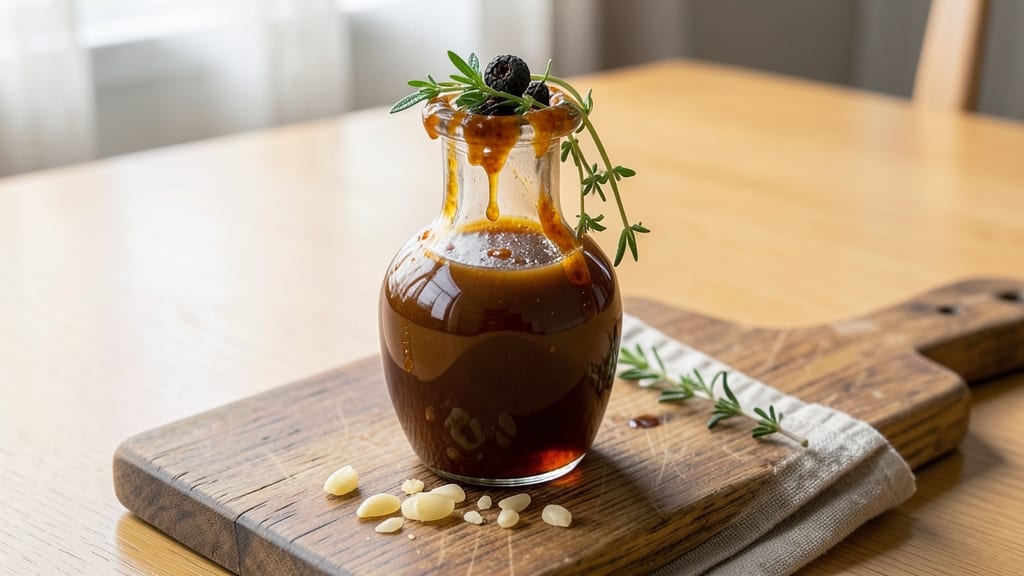
This authentic Worcestershire sauce recipe unlocks the complex umami depth that makes it a kitchen essential—fermented, tangy, and briny with tamarind, anchovies, and molasses. The secret lies in the fermentation process, where vinegar and spices transform simple ingredients into something extraordinary.
I’ve recreated the traditional method used by Lea & Perrins, ensuring every bottle delivers that signature savory punch.
What sets this recipe apart is the balance of sweet, sour, and salty flavors, achieved through precise ingredient ratios and a 10-day fermentation that develops the sauce’s signature complexity.
No shortcuts here—just the time and technique that make Worcestershire sauce truly special. The result? A rich, aromatic condiment that elevates everything from steak sauces to marinades.
Once fermented, the sauce mellows into a smooth, velvety liquid with layers of flavor—tamarind’s tang, molasses’ depth, and anchovies’ umami. This isn’t just a substitute for store-bought; it’s a restaurant-quality sauce you’ll reach for again and again. Store it properly, and it’ll keep for months, ready to transform your dishes.
The beauty of this recipe is its versatility—use it as a dipping sauce, a marinade, or the base for classic cocktails like a Bloody Mary. Whether you’re a home cook or a seasoned chef, this sauce will become your secret weapon in the kitchen.
Let’s get started on the fermentation journey.
Ingredients for authentic worcestershire sauce
Twelve ingredients transform into a restaurant-quality sauce through precise fermentation.
| Ingredient | Amount | Notes |
|---|---|---|
| White Vinegar 💧 | 1 cup | Distilled white preferred |
| Dark Brown Sugar 🍚 | ½ cup | Packed firmly for accuracy |
| Tamarind Paste 🍈 | ¼ cup | Unadulterated, block form preferred |
| Anchovy Fillets 🐟 | 4 oz | High-quality, salt-packed preferred |
| Unsulphured Molasses 🍯 | ¼ cup | Dark, robust variety |
| Shallots 🧅 | 2 whole | Minced finely for infusion |
| Garlic Cloves 🧄 | 4 cloves | Peeled, crushed for depth |
| Ground Black Peppercorns 🌶️ | ¼ tsp | Freshly cracked preferred |
| Ground Cloves 🌿 | ¼ tsp | Whole cloves preferred |
| Ground Coriander 🌿 | ¼ tsp | Freshly ground for aroma |
| Tamari or Soy Sauce 🍶 | 1 tbsp | Gluten-free tamari preferred |
| Salt 🧂 | 1 tsp | Diamond Crystal kosher preferred |
The tamarind paste and anchovies are the heart of this sauce—look for unadulterated tamarind blocks at specialty stores like Whole Foods or Indian grocers, and opt for high-quality salt-packed anchovies from Italian markets. The molasses should be unsulphured to preserve its deep, robust flavor; Goya or Edward & Sons brands deliver consistent quality. Shallots and garlic should be freshly minced just before combining with the vinegar to prevent oxidation. For the spices, Penzeys Spices offers freshly ground coriander and cloves that elevate the sauce’s complexity.
No tamarind paste? Substitute with 1 tbsp lemon juice plus 1 tsp sugar, though the tang won’t be identical. Anchovies unavailable? Replace with 1 tbsp fish sauce, but reduce the tamari to 1 tsp to balance saltiness. For a vegetarian version, omit anchovies and fish sauce entirely, though the umami depth will differ. The brown sugar can be swapped for turbinado sugar for a caramel-like note. If using pre-minced garlic or shallots, rinse and drain thoroughly to remove excess moisture that could dilute the sauce. The vinegar must be white—apple cider vinegar introduces unwanted fruitiness.
Ferment the sauce in a sterilized glass jar with an airlock or loose lid to allow gas release while preventing contamination. Store in a cool, dark place for the full 10 days, shaking gently daily. Once strained and bottled, the sauce keeps for 6-12 months in the refrigerator. For best flavor, use within 3 months—the sauce mellows over time but never loses its depth. Portion into smaller bottles to minimize exposure to air and maintain freshness.
Why You'll Love This Recipe
- I’ll be real: this sauce uses things I already had—vinegar, sugar, even that jar of anchovies gathering dust. No special trips to the store, just layering what’s already there into something that tastes like a secret.
- Pantry Magic: I’ll be real: this sauce uses things I already had—vinegar, sugar, even that jar of anchovies gathering dust. No special trips to the store, just layering what’s already there into something that tastes like a secret.
- Umami Bomb: That molasses and tamarind? Deep, tangy, rich—like a slow-simmered reduction but in a jar. The anchovies add this salty, funky depth that makes every splash of it taste like a restaurant-quality glaze.
- Glaze for Everything: Slap it on grilled chicken, drizzle over roasted veggies, or toss it into marinades. Honestly, I’ve even stirred it into chili for that smoky-sweet kick. It’s the one sauce that makes lazy meals feel intentional.
Step-by-step instructions for authentic Worcestershire sauce
Here's the method that captures the deep umami complexity of traditional Worcestershire sauce through precise fermentation.
Prepare the Anchovy and Aromatic Base
In a heavy-bottomed saucepan, combine the 4 oz anchovy fillets, 2 whole shallots (minced), 4 cloves garlic cloves (crushed), 0.25 cup tamarind paste, and 1 cup white vinegar. Bring to a simmer over medium heat and cook for 15 minutes, stirring occasionally. You'll notice the anchovies dissolve completely and the mixture develops a rich, briny aroma—this is the foundation of the sauce's depth.
The tamarind paste will thicken slightly as it infuses with the vinegar. If the mixture appears too thick, add 1-2 tablespoons of water to maintain proper consistency. Remove from heat and let cool completely before proceeding. This step ensures maximum flavor extraction from all components while preventing premature fermentation.
Incorporate Sweet and Spiced Elements
In a separate bowl, whisk together the 0.5 cup dark brown sugar, 0.25 cup unsulphured molasses, 1 tbsp tamari or soy sauce, 1 tsp salt, 0.25 tsp ground black peppercorns, 0.25 tsp ground cloves, and 0.25 tsp ground coriander. Gradually pour this mixture into the cooled anchovy base while whisking continuously to combine evenly.
The sugar and molasses will dissolve completely, creating a syrupy consistency. This blend of sweet, spicy, and salty elements forms the balanced flavor profile characteristic of authentic Worcestershire sauce. The spices should be fully incorporated, with no visible specks remaining. This mixture should have a thick, syrupy texture at this stage.
Ferment for Complex Flavor Development
Transfer the combined mixture to a clean, sterilized glass jar with an airtight lid. Store in a dark, cool place (around 65-70°F) for 4-6 weeks. The fermentation process is crucial—it's what develops the sauce's characteristic depth and complexity. You'll notice bubbles forming and a gradual darkening of the liquid as fermentation progresses.
During fermentation, the tamarind and vinegar work together to create a tangy, slightly sour profile while the anchovies and spices develop their full umami potential. The molasses adds a caramelized sweetness that balances the acidity. Resist the temptation to open the jar during this period—each time you do, you risk contamination and disrupt the fermentation process.
Strain and Bottle for Final Product
After the fermentation period, strain the mixture through a fine-mesh sieve or cheesecloth into a clean container. Press firmly on the solids to extract all the liquid. The resulting sauce should be dark amber in color with a smooth, syrupy consistency. Transfer to sterilized bottles with tight-sealing lids.
The strained sauce should have a rich, complex aroma combining sweet, salty, spicy, and umami notes. If the sauce appears too thick after straining, you can thin it slightly with 1-2 tablespoons of water to achieve the proper consistency. The final product should coat the back of a spoon with a glossy sheen while maintaining its syrupy body.
Age for Maximum Flavor (Optional but Recommended)
For best results, store the bottled sauce in a cool, dark place for an additional 2-4 weeks before using. This aging period allows all the flavors to meld together perfectly. The sauce will continue to develop in complexity during this time, with the spices becoming more pronounced and the overall flavor profile becoming more balanced.
Once ready, your authentic Worcestershire sauce will have a deep, complex flavor that's perfect for enhancing marinades, sauces, and dressings. The tamarind-anchovy combination creates a unique umami profile that sets this homemade version apart from commercial products. Use it within 6 months for optimal flavor, as the sauce will continue to evolve over time.
Pro Tips For Making Authentic Worcestershire Sauce
- Simmer Slow and Low: After burning my first batch with a fast boil, I learned to keep the heat at a gentle simmer—just below a rolling bubble. This lets the tamarind and molasses meld without turning the sauce into vinegar syrup. (Yes, even if you’re impatient like me.)
- Toast the Anchovies: Dry the anchovy fillets in a hot, dry pan for 30 seconds per side until they just start to crisp. This deepens their flavor and prevents them from dissolving into a fishy sludge. I used to skip this, and the sauce always tasted flat.
- Strain Twice: Use a fine-mesh sieve first to catch molasses grit, then a cheesecloth-lined strainer for the second pass. The first time I rushed this, I ended up with grainy bits in every bottle. (Your future self will notice.)
- Balance the Tamarind: Start with half the tamarind paste called for, taste, then adjust. Tamarind paste varies wildly in sourness—some brands are tart enough to overpower, while others need extra sugar. I was skeptical until I tried it, and now I always test first.
Perfect pairings for these flavors
Classic Cocktail Pairings
This sauce is the soul of a perfect Bloody Mary—add ½ to 1 teaspoon to your favorite mix for that signature umami depth. I like using it with Clamato juice and a dash of hot sauce for extra heat.
For a Worcestershire Old Fashioned, stir 1 teaspoon into your bourbon with a sugar cube and bitters—trust me, it elevates everything. 🍹
Meat Marinades
Transform your grilling game with this sauce as a marinade for steak, chicken, or pork. Combine ¼ cup Worcestershire sauce with 2 tablespoons olive oil, 1 tablespoon soy sauce, and 1 teaspoon black pepper.
Let it sit for 4-6 hours (or overnight for deeper flavor). The tamarind and anchovies tenderize while adding layers of complexity. Perfect for ribeye or flank steak!
Sauce Enhancements
Use it to elevate spaghetti sauce by adding 1 tablespoon per quart while simmering. For beef stroganoff, stir in ½ teaspoon at the end for a rich, savory finish.
I also love drizzling it over grilled shrimp with a squeeze of lemon—it’s a game-changer for seafood lovers. The umami cuts through richness beautifully. 🍲
Vegetarian Adaptations
For vegetarian dishes, reduce the amount by half (¼ teaspoon per serving) since the anchovies contribute most of the umami. It works wonders in mushroom risotto or roasted eggplant dishes.
Pair it with nutritional yeast to boost depth without fish. The tamarind’s tang still shines through, making it a versatile vegetarian-friendly sauce.
Global Flavor Boosters
In Thai curries, add 1 teaspoon to balance sweet and spicy notes. For Mexican mole, it deepens the sauce’s complexity—just ½ teaspoon per pound of meat.
Even in Indian chutneys**, a pinch enhances the flavor profile. The sauce’s adaptability makes it a global kitchen essential, not just a British condiment. 🌍
Nutrition facts
Frequently asked questions
Why does authentic Worcestershire sauce need fermentation?
The 10-day fermentation transforms simple ingredients into something extraordinary by developing complex umami flavors. The tamarind and vinegar create tangy depth, while the anchovies and spices mellow into rich, savory notes. This process is what gives authentic Worcestershire its signature restaurant-quality punch that store-bought versions can't match.
Can I make this sauce without tamarind paste?
Yes, but expect a different flavor profile. Substitute with 1 tbsp lemon juice plus 1 tsp sugar, though the tang won't be identical. The tamarind's unique sourness is crucial for balancing the sweet and salty elements in authentic Worcestershire. For best results, track down unadulterated tamarind blocks at specialty stores.
How long will my homemade sauce last?
Properly stored in sterilized bottles, your sauce will keep for 6-12 months in the refrigerator. For optimal flavor, use it within 3 months—the sauce continues to evolve but never loses its depth. The fermentation process actually extends shelf life compared to commercial versions. Portion into smaller bottles to maintain freshness longer.
What's the difference between this and store-bought Worcestershire?
Authentic homemade sauce has deeper umami from fresh anchovies and proper fermentation, while commercial versions often contain preservatives and artificial flavors. The homemade version also has more balanced sweet-sour-spicy notes. For cooking, use 1:1 ratio as a substitute, but expect richer flavor in your dishes.
Can I adjust the spice level?
For milder sauce, reduce cloves and black pepper to ¼ tsp each. Want more heat? Add ½ tsp cayenne pepper during fermentation. The spices should be fully incorporated—no visible specks remain in the final product. Taste as you go to achieve your perfect balance.