
Sauces & Condiments
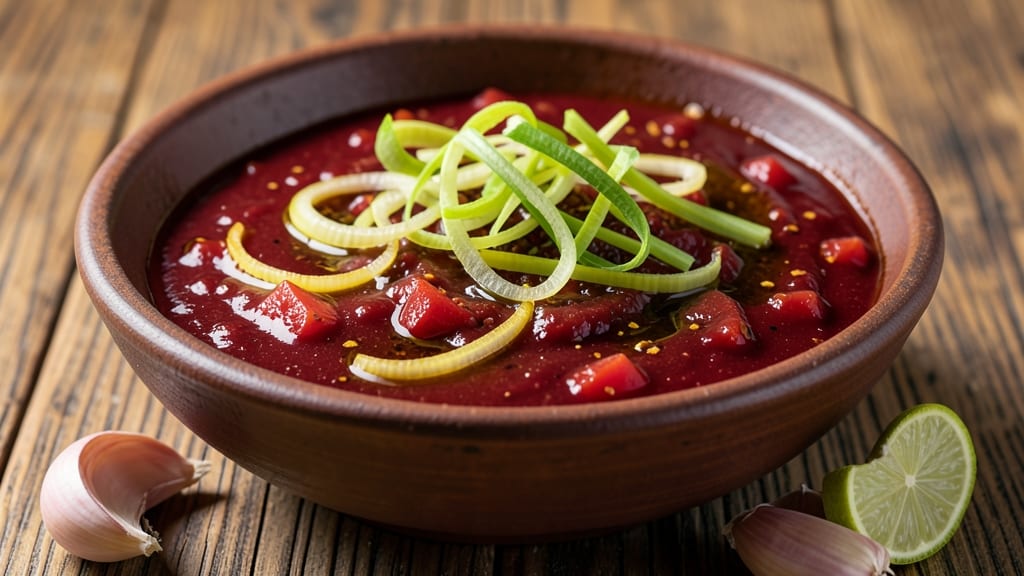
This creamy Ashu sauce recipe delivers a velvety celery-tomato fusion with a subtle vinegar zing that transforms ordinary meals into Ethiopian-inspired masterpieces. The secret lies in simmering berbere spice blend with fresh tomatoes and celery until they break down into a rich, aromatic paste—no blender required.
What makes this sauce special is its perfect balance of smoky heat, tangy brightness, and creamy texture that clings beautifully to injera or flatbreads.
The preparation process is straightforward but rewarding: start by toasting the berbere spice to deepen its flavors, then build the sauce layer by layer with onions, garlic, and ginger for depth. The vinegar addition at the end creates that signature tangy lift that keeps the sauce vibrant.
Unlike many sauces that require constant stirring, this one develops its signature creaminess through gentle simmering and proper ingredient ratios.
What you'll end up with is a versatile sauce that elevates everything from grilled meats to roasted vegetables—think of it as the Ethiopian equivalent of chimichurri or tahini sauce. The texture is luxuriously smooth yet still has enough body to work as both a dip and a condiment.
It keeps well in the refrigerator for up to two weeks, making it perfect for meal prep and entertaining.
This sauce works beautifully with traditional Ethiopian dishes like tibs or kitfo, but also pairs wonderfully with modern favorites like chicken shawarma or even as a marinade for kebabs. The berbere spice blend provides just the right amount of complexity, while the vinegar ensures each bite remains refreshing.
Let's get started on creating this flavor-packed condiment that will become a staple in your kitchen.
Ingredients for ashu sauce
These ten ingredients create a velvety Ethiopian-inspired sauce with smoky depth and tangy brightness.
| Ingredient | Amount | Notes |
|---|---|---|
| Berbere Spice Blend 🌶️ | 2 tbsp | Homemade or quality store-bought |
| Fresh Celery 🧅 | 1 cup | Chopped, including leaves |
| Fresh Tomatoes 🍅 | 2 cups | Diced, vine-ripened preferred |
| Yellow Onion 🧅 | 1 whole | Finely chopped, about 1 cup |
| Garlic Cloves 🧄 | 4 cloves | Minced, peeled |
| Fresh Ginger 🌿 | 1 tbsp | Grated, peeled |
| White Vinegar 💧 | 2 tbsp | White or apple cider |
| Extra-Virgin Olive Oil 🫒 | ½ cup | High quality, fruity |
| Salt 🧂 | ½ tsp | Diamond Crystal preferred |
| Black Pepper 🌶️ | ¼ tsp | Freshly ground |
The berbere spice blend is non-negotiable—it's the heart of this sauce. Penzeys Spices or Ethiopian Marketplace carry excellent versions, but any quality blend works. Look for vibrant red color and a mix of chili, fenugreek, and cardamom in the ingredients. Fresh celery and tomatoes should be crisp and firm, with no bruising. The onion and garlic add foundational sweetness—yellow onions work better than red for this application. For ginger, young, tender pieces are ideal, as older ginger can be fibrous and tough to grate finely.
No berbere blend? Substitute 1 tbsp smoked paprika plus 1 tsp each of cumin, coriander, and cayenne for a close approximation. Vinegar can be swapped for lemon juice at half the amount, though white vinegar's sharpness is traditional. Olive oil quality matters—avoid light or refined oils that lack flavor. For a quicker prep, pre-chopped frozen celery works in a pinch, though fresh yields better texture. The sauce's signature creaminess comes from proper simmering time—don't rush it, even if you're tempted to blend for speed.
This sauce develops deeper flavor over time, so make a double batch if you plan to use it throughout the week. Store in a clean glass jar with a tight seal, submerged in olive oil to preserve freshness. Keeps for 2 weeks refrigerated or 3 months frozen. For best texture, let it come to room temperature before serving. The sauce thickens as it cools—add a splash of water if it becomes too stiff after refrigeration. Pair with Ethiopian injera or flatbreads for an authentic experience.
Why You'll Love This Recipe
- Pantry-to-Pot Magic: I swear, this sauce comes together while you’re still chopping the onion—no fancy steps, just a quick simmer of berbere, garlic, and tomatoes until it’s ridiculously rich. Honestly, the berbere does all the work if you let it bloom in the oil first.
- Heat That Stays: That berbere blend? It’s the star—smoky, citrusy, with just enough kick to linger. The celery adds this bright, fresh crunch that cuts through the spice, and the garlic? Oh, it caramelizes right into the sauce for a depth you won’t find in store-bought versions.
- Dips, Drizzles, Everything: Slather it on grilled chicken, toss it with rice, or serve it in a bowl with crusty bread—this sauce begs to be used up. Between us, I’ve even drizzled it over scrambled eggs (don’t judge) and it still tasted like a win.
- Leftovers That Lie: Make a big batch—it keeps for days in the fridge and tastes even better the second time around. I’ll be real: my freezer is full of this stuff because it’s cheaper than takeout, and one jar stretches into three meals without breaking the bank.
Step-by-step instructions for creamy celery-tomato fusion sauce
This method delivers a velvety, aromatic sauce where vinegar's brightness balances the earthy celery and tomato base.
Sauté Aromatics Until Fragrant
Heat the 0.5 cup extra-virgin olive oil in a medium saucepan over medium-low heat. Add the 1 whole yellow onion and cook for 5 minutes until translucent, stirring occasionally. This gentle heat prevents the onion from browning too quickly, preserving its sweetness.
Add the 4 cloves minced garlic and 1 tbsp grated fresh ginger, cooking for another 1-2 minutes until the garlic becomes fragrant but doesn't brown. The aroma should fill your kitchen—this is when the sauce starts building its complex flavor profile. Remove the pan from heat for just a moment if you notice any golden flecks forming, as we want to maintain clarity for the creamy finish.
Build the Base with Celery and Tomatoes
Return the pan to medium heat and add the 1 cup chopped fresh celery and 2 cups diced fresh tomatoes. Cook for 8-10 minutes until the celery softens and the tomatoes begin to break down, releasing their juices. Stir occasionally to prevent sticking, and resist the urge to cover the pan—this allows excess moisture to evaporate, concentrating the flavors.
After 5 minutes, add the 2 tbsp berbere spice blend and stir well to distribute evenly. The spices will begin to bloom, releasing their warm, slightly spicy aroma. This is the moment the sauce transforms from simple vegetables to something deeply flavorful. Let it cook uncovered for another 3-5 minutes until the mixture thickens slightly and the raw vegetable taste disappears.
Balance and Finish with Vinegar
Reduce the heat to low and carefully pour in the 2 tbsp white vinegar. Stir immediately to prevent the vinegar from burning at the bottom of the pan. The acidity will brighten the flavors and cut through the richness, creating that signature balance. Let the sauce simmer gently for 5-7 minutes, stirring occasionally, until it reaches your desired consistency—it should coat the back of a spoon smoothly but still have body.
Season with the 0.5 tsp salt and 0.25 tsp black pepper, tasting as you go. The vinegar's acidity might make the sauce taste slightly sharp at first, but as it cools, the flavors will meld into harmony. If the sauce is too thick, add 1-2 tablespoons of water to achieve the perfect creamy texture while maintaining its vibrant character.
Blend for Ultimate Creaminess
Transfer the sauce to a blender or food processor and purée until completely smooth. For an ultra-silky texture, strain it through a fine-mesh sieve to remove any remaining fibrous bits. The result should be a velvety, golden sauce with a subtle depth of color from the berbere spices. Taste again and adjust seasoning if needed—this is your final opportunity to perfect the balance of flavors.
Serve immediately over grilled meats, drizzled over roasted vegetables, or as a dip for warm flatbread. The sauce will continue to develop in flavor as it sits, so if possible, prepare it just before serving to enjoy its peak freshness and creaminess. Store any leftovers in an airtight container in the refrigerator for up to 5 days—the flavors only deepen over time.
Pro Tips For Making Ashu Sauce
- Bloom the Berbere First: Toss your berbere blend into the hot oil before adding onions—this lets the spices infuse the oil properly and prevents them from burning into bitter ash. I used to add it later and ended up with a sauce that tasted like charred dust instead of spiced gold.
- Char the Onions Slow: Once you add the onions, turn the heat down to medium and let them sweat for 8-10 minutes until deeply golden, not crispy. Rushing this step means your sauce will taste raw and one-note instead of rich and layered.
- Dice Celery Small: Cut celery into 1/4-inch pieces—any larger and it’ll stay crunchy, any smaller and it’ll turn to mush. I learned this after making sauce where the celery was either a mouthful or completely lost in the sauce.
- Simmer, Don’t Boil: After adding tomatoes, keep the heat at a gentle simmer for 15 minutes—boiling will make the sauce split and turn grainy. Sounds weird, but it works: the flavors meld smoothly instead of fighting each other.
Pro cooking tips for perfect results
Spice Bloom Mastery
Toast your berbere spice blend in a dry pan over low heat for 30 seconds before adding it to the sauce. This step deepens the spices' flavors by releasing their essential oils—think of it as waking up the spices.
I like to use a 3-inch cast iron skillet for even heat distribution. Let the spices cool slightly before adding them to your sauce to prevent a bitter taste from overheating. 🌶️
Low-and-Slow Simmering
Never rush the simmering process—this is where the sauce's magic happens. Maintain a gentle low heat for at least 15 minutes after adding all ingredients. The key is patience: the celery and tomatoes need time to break down completely into a smooth paste.
If you see the sauce bubbling vigorously, reduce the heat immediately to prevent scorching. A thermometer helps—I aim to keep the internal temperature around 180°F.
Vinegar Integration
Add the white vinegar at the very end, when the sauce is nearly finished. Stir constantly for the first 30 seconds to distribute the acid evenly and prevent hot spots. The vinegar should brighten the flavors without overpowering them.
If your sauce tastes too sharp after adding vinegar, let it sit off the heat for 5 minutes—the flavors will mellow as they cool. 💧
Texture Control
For the creamiest texture, blend the sauce immediately after removing it from heat while it's still warm. If you're straining, use a fine-mesh sieve or cheesecloth for an ultra-smooth finish.
If the sauce thickens too much after refrigeration, thin it with 1 tsp water at a time until you reach the perfect consistency. I've found that adding ½ tsp cornstarch to the warm sauce before blending also helps create a thicker, more stable texture.
Flavor Layering
Build complexity by adding ingredients in the right order: onions first, then garlic and ginger, followed by celery and tomatoes. This progression allows each flavor to develop fully before introducing the next. The berbere spices should be the last dry ingredient added to prevent burning.
For extra depth, I sometimes add a pinch of fenugreek seeds (a key component of berbere) when toasting the spices—this adds a subtle maple-like sweetness that elevates the sauce.
Storage Secrets
Always store your Ashu sauce in a glass jar with a tight-sealing lid, submerged in olive oil to preserve freshness. The oil creates a protective barrier that prevents oxidation. For long-term storage, freeze the sauce in ice cube trays—each cube makes a perfect single-serving portion.
When reheating, warm the sauce gently over low heat and stir in 1 tsp water to restore its original consistency. The sauce actually tastes better after a few days as the flavors meld together. ❄️
Nutrition facts
Frequently asked questions
What makes this Ashu sauce different from traditional Ethiopian berbere?
This recipe creates a creamy fusion sauce that blends berbere's signature heat with a velvety celery-tomato base and vinegar zing. Traditional berbere is a dry spice blend used as a seasoning, while this sauce incorporates berbere into a liquid condiment with fresh vegetables and acidity for balance. The celery-tomato fusion gives it a unique texture that works as both a dip and marinade.
Can I make this sauce without a blender?
Yes! Simply cook the sauce until the celery and tomatoes break down completely into a thick paste—this should take about 15-20 minutes of simmering. For extra smoothness, press the mixture through a fine-mesh sieve or use a potato masher to create a chunky but flavorful sauce. The texture will be rustic but still delicious.
How spicy will this sauce be?
The heat level depends on your berbere blend—most store-bought versions range from medium to medium-hot. For milder sauce, reduce to 1 tbsp berbere and add ½ tsp sweet paprika. For extra kick, increase to 2.5 tbsp berbere and add a pinch of cayenne. Always taste before serving!
What are the best ways to use leftover Ashu sauce?
This versatile sauce works beautifully as a marinade for grilled chicken or lamb, a dip for injera or flatbreads, or a drizzle over roasted vegetables. Try it as a sandwich spread with hummus or as a base for Ethiopian-style stews. It also makes an excellent pasta sauce when thinned with a little broth. Store leftovers in the fridge for up to 2 weeks.
Why does my sauce taste too sharp after adding vinegar?
This happens when the vinegar isn't fully incorporated or the sauce hasn't had time to mellow. Let the sauce sit off heat for 5-10 minutes before tasting—the flavors will balance as it cools. If still too sharp, add ½ tsp honey or sugar to round out the acidity. The vinegar should enhance, not dominate, the berbere flavors.