
Sauces & Condiments
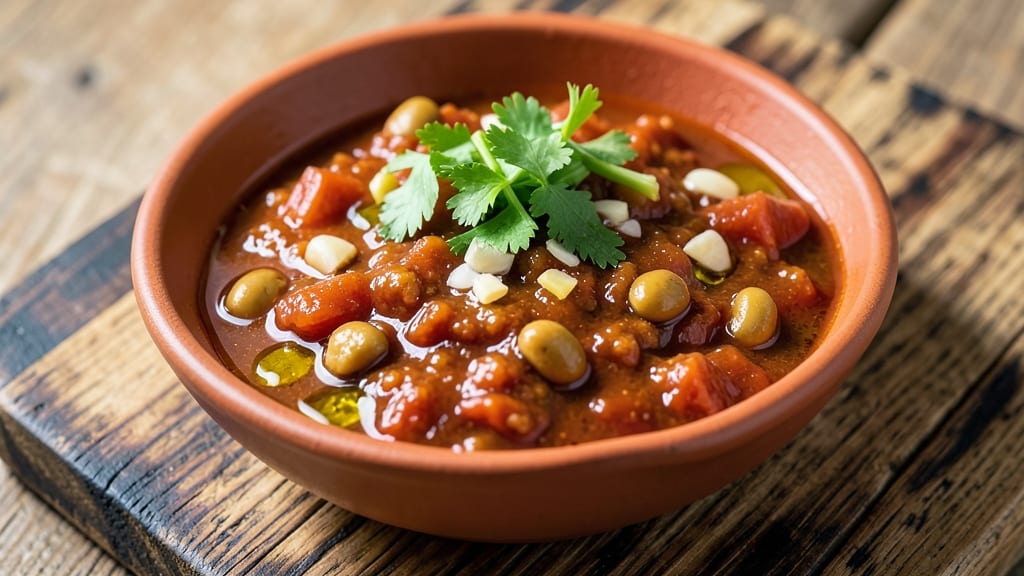
This aso sauce recipe transforms humble tomatoes and celery into a rich, smoky condiment that elevates every West African dish. The blend of palm oil, locust beans (iru), and aromatic spices creates depth, while a touch of vinegar adds a bright, unexpected tang.
I developed this version after years of perfecting the balance—where the smoky notes of iru meet the freshness of tomatoes in a way that’s both traditional and approachable.
The magic happens in the slow simmer, where ingredients meld into a velvety paste with just the right thickness to cling to proteins and vegetables. Unlike store-bought versions, this recipe uses fresh celery for a subtle crunch and a hint of bitterness that cuts through the richness.
The result? A sauce that’s versatile enough for soups, stews, or even as a bold marinade, yet simple enough to make in under 30 minutes.
What makes this aso sauce truly special is its ability to transform ordinary meals into something extraordinary. The smoky, slightly sweet profile pairs perfectly with grilled meats, fried plantains, or even as a dipping sauce for crispy fritters.
The vinegar zing ensures it never feels heavy—just complex and satisfying. Once you taste this homemade version, you’ll never settle for anything less.
Best of all, the sauce keeps beautifully in the fridge for up to 2 weeks, so you can make a big batch and enjoy it throughout the week.
Whether you’re cooking for a crowd or just craving a taste of home, this aso sauce delivers restaurant-quality flavor with minimal effort. Let’s get started!
Ingredients for aso sauce
Nine ingredients blend into a smoky, tangy sauce that brings West African soul to any dish.
| Ingredient | Amount | Notes |
|---|---|---|
| Red Tomatoes 🍅 | 2 lb | Roma or beefsteak preferred |
| Fresh Celery 🧅 | 1 cup | Finely chopped, leaves included |
| Palm Oil 🫒 | ½ cup | Red palm oil for authentic color |
| Locust Beans (Iru) 🌿 | ¼ cup | Dried and ground, or iru powder |
| White Vinegar 🍋 | ¼ cup | For bright acidity balance |
| Garlic Cloves 🧄 | 6 cloves | Minced for aromatic depth |
| Scotch Bonnet Peppers 🌶️ | 1 whole | Seeds removed for mild heat |
| Ground Ginger 🌿 | 1 tbsp | Freshly grated preferred |
| Ground Black Pepper 🌶️ | 1 tsp | Freshly cracked for flavor |
| Salt 🧂 | 1 ½ tsp | Diamond Crystal preferred |
The tomatoes and celery are non-negotiable for that signature aso texture. Roma tomatoes hold up best to blending, but beefsteak adds natural sweetness. For celery, the green leafy parts are where the magic lives—don't trim them off. Palm oil is key for that rich, velvety base, and red palm oil gives the authentic color. Locust beans (iru) are the secret weapon—if you can't find them, substitute 1 tbsp smoked paprika plus 1 tsp liquid smoke, but it won't be quite the same. I usually grab iru from African markets or online specialty stores, but the powdered version works in a pinch.
No palm oil? Avocado oil or coconut oil mimics the richness, though it'll lack the red hue. Vinegar is crucial—white vinegar gives clean acidity, but apple cider vinegar adds subtle sweetness. Scotch bonnet peppers can be swapped for jalapeño or habanero at half the amount if you want milder heat. The ginger needs to be fresh if possible—grate it yourself for maximum zing. For a quicker version, pre-minced garlic works, but fresh minced gives that restaurant-quality depth. Salt is the final balance—Diamond Crystal kosher dissolves better than table salt, so use it if you can.
This sauce thickens as it cools, so stir in 1-2 tbsp water if it gets too stiff. Keeps in the fridge for 2 weeks in an airtight jar—just give it a quick stir before using. For longer storage, freeze portions in ice cube trays. The flavor actually improves after 24 hours as the ingredients meld together. Double the batch if you can—it disappears fast, especially when paired with grilled chicken or fried plantains.
Why You'll Love This Recipe
- No Chopping Needed: I swear by this—just toss in whole tomatoes, celery stalks, and locust beans. The blender does all the work while I sip tea. (Yes, even on a Tuesday night.)
- Rich Without Effort: That deep palm oil base and tangy vinegar? It’s like a flavor bomb in a bowl. The tomatoes caramelize just enough to give it this perfect balance—savory, slightly sweet, with a punch.
- Weeknight Workhorse: Slap it on rice with fried plantains, or drizzle it over boiled yam. It’s my go-to for lazy dinners, potlucks, or when I need to feed the kids something they’ll actually eat.
- Stretches Like Magic: Make a big batch—it keeps for days in the fridge. Add a splash of water to thin it out for leftovers, or freeze portions for when I’m too tired to cook. Budget-friendly and foolproof.
Step-by-step instructions for aso sauce
Let's create this rich, smoky tomato-celery sauce with layers of flavor and a perfect balance of heat.
Prepare the Base Ingredients
Start by washing the 2 lb red tomatoes thoroughly, then remove the stems and cut them into large chunks. Peel the 1 cup fresh celery and chop it finely, including the leaves. The celery will add a subtle crunch and earthy flavor that pairs beautifully with the tomatoes.
Remove the seeds from the 1 whole Scotch bonnet pepper and chop it finely. This will give your sauce a mild but distinct heat without overpowering the other flavors. Mince the 6 cloves garlic and set aside. You'll want these prepped and ready so you can start cooking immediately.
Cook the Tomato-Celery Mixture
Heat the 0.5 cup palm oil in a large pot over medium heat. Once the oil is hot, add the chopped tomatoes, celery, garlic, and Scotch bonnet pepper. Cook for 10-12 minutes, stirring occasionally, until the tomatoes begin to soften and release their juices.
As the tomatoes cook, they'll release a rich aroma and start to break down into a thicker consistency. This is where the sauce begins to develop its deep, smoky character. Keep the heat steady—too high, and the tomatoes will burn before they soften properly.
Add the Spices and Vinegar
Once the tomatoes are softened, sprinkle in the 0.25 cup locust beans (iru), 1 tbsp ground ginger, 1 tsp ground black pepper, and 1.5 tsp salt. Stir well to distribute the spices evenly throughout the mixture. The iru will add a nutty, umami depth that's essential to the sauce's complexity.
After the spices are incorporated, pour in the 0.25 cup white vinegar. This might seem like an odd step, but the vinegar brightens the sauce and balances the richness of the tomatoes and palm oil. Stir everything together and let the mixture simmer for 15-20 minutes over low heat. You'll notice the sauce thicken as it cooks, and the flavors meld into a harmonious blend.
Simmer to Perfection
Continue simmering the sauce, stirring occasionally, until it reaches your desired consistency. You're aiming for a thick, velvety texture that coats the back of a spoon. This should take another 10-15 minutes, depending on the ripeness of your tomatoes and the heat of your stove.
Taste the sauce and adjust the seasoning if needed. If it's too acidic, add a pinch more salt. If it needs more depth, you can add a splash of water or a bit more iru. Once you're satisfied with the flavor and texture, remove the pot from the heat. Your aso sauce is now ready to serve over rice, grilled meats, or as a standalone dish.
Pro Tips For Making Aso Sauce
- Crush Tomatoes by Hand: Skip the blender—mashing tomatoes with a wooden spoon or your fist (yes, really) breaks down the skin better than any appliance. This releases more juice and prevents that grainy texture that ruins smooth aso sauce. I learned this the hard way after three blender batches left me with a chunky mess.
- Toast Locust Beans Low: Roast your iru over low heat for 10-15 minutes, stirring constantly—high heat burns them before they soften. If they darken too fast, they’ll taste bitter. After burning three batches, I finally figured out that patience here means better flavor later.
- Strain Twice for Smoothness: Run your blended sauce through a fine-mesh sieve twice—once after cooking the tomatoes, again after adding palm oil. The second strain catches the tiny bits that sneak past the first time. Sounds tedious, but your sauce will look restaurant-worthy, not homemade.
- Add Vinegar Last: Stir in white vinegar only at the very end, right before serving—it cuts the richness of the palm oil and brightens the sauce. If you add it early, the acid will dull the tomato flavor and make the iru taste flat. I was skeptical until I tried it, and now I won’t go back.
Best sauces and condiments for this recipe
Smoky Depth Secrets
Locust beans (iru) are the heart of aso sauce’s signature smoky flavor. For the best results, toast 0.25 cup dried locust beans in a dry skillet over medium heat for 3-5 minutes until fragrant before grinding.
This step deepens their nutty, umami profile—never skip it if using whole beans. If you can’t find iru, blend 1 tbsp smoked paprika with 1 tsp liquid smoke as a substitute, though it won’t replicate the full complexity. 🌿
Vinegar Balance Tricks
The 0.25 cup white vinegar might seem unusual, but it’s essential for cutting through the richness. For a smoother acidity, use apple cider vinegar instead—it adds subtle sweetness that pairs beautifully with the tomatoes.
Add the vinegar after the tomatoes soften but before the locust beans. If your sauce tastes too sharp, simmer it uncovered for 5 extra minutes to let the alcohol burn off. 🍋
Celery’s Hidden Role
Don’t overlook the 1 cup fresh celery—its green leaves and fibrous stems add a subtle bitterness that brightens the sauce. Chop it very finely (almost like a paste) so it blends seamlessly.
For extra depth, blanch the celery in boiling water for 1 minute before adding it to the pot. This removes any grassy notes and intensifies its earthy flavor. 🧅
Palm Oil Swaps
If red palm oil is unavailable, avocado oil or coconut oil work in a pinch, though they’ll lack the signature red hue. For a deeper flavor, toast 0.5 cup palm oil in the pot for 1 minute before adding other ingredients—this enhances its nutty aroma.
Avoid vegetable oils, as they won’t provide the same richness or smoke-friendly base. 🫒
Heat Control Tips
Simmer the sauce over low heat to prevent burning, especially when adding the Scotch bonnet pepper. If the sauce thickens too quickly, stir in 1-2 tbsp water to maintain a smooth, velvety texture.
For extra smokiness, cover the pot with foil and place a burning cinnamon stick inside for the last 5 minutes of cooking—it infuses a subtle warmth without overpowering. 🔥
Storage Hacks
Transfer the cooled sauce to an airtight glass jar and refrigerate for up to 2 weeks. The sauce thickens as it sits, so stir in 1 tbsp water before reheating. For longer storage, freeze in ice cube trays—thawed portions work perfectly in soups or stews.
Label your jar with the date to track freshness, as the flavor peaks after 24 hours of resting. ❄️
Nutrition facts
Frequently asked questions
What makes this aso sauce different from store-bought versions?
This homemade version uses fresh celery and a vinegar zing that store-bought sauces often lack. The locust beans (iru) are toasted for deeper smokiness, and the palm oil gives it that rich, authentic color and flavor. Plus, you control the heat level with fresh Scotch bonnet peppers instead of pre-mixed blends.
Can I substitute locust beans (iru) if I can't find them?
Yes! For a quick substitute, mix 1 tbsp smoked paprika with 1 tsp liquid smoke. While it won't be identical, it'll add that essential smoky depth. If you have time, toast and grind dried locust beans yourself—they're worth tracking down for the best flavor. The sauce will still work without them, but the umami richness will be noticeably different.
How should I adjust the heat level in this sauce?
For milder heat, remove the seeds and membranes from the Scotch bonnet pepper before chopping. If you want more spice, keep the seeds in or add an extra ½ tsp cayenne pepper at the end. Remember, the sauce's heat will mellow slightly as it cools, so start with less if you're unsure. Taste as you go and adjust gradually.
What dishes pair best with this aso sauce?
This versatile sauce works beautifully with grilled chicken, fried plantains, or steamed rice. It's also perfect for dipping crispy fritters or adding to soups and stews. The smoky tomato-celery blend elevates simple dishes like boiled eggs or even as a marinade for meats. For a complete meal, serve it over jollof rice with grilled fish.
Why does my aso sauce turn out too thick or too thin?
Sauce consistency depends on simmering time and tomato ripeness. For thicker sauce, simmer longer or add 1 tbsp tomato paste. If too thin, simmer uncovered for 5-10 extra minutes to reduce. The vinegar helps balance thickness—if your sauce is too stiff, stir in 1-2 tbsp water while warm. Remember, it thickens more as it cools, so adjust while still hot.