
Sauces & Condiments
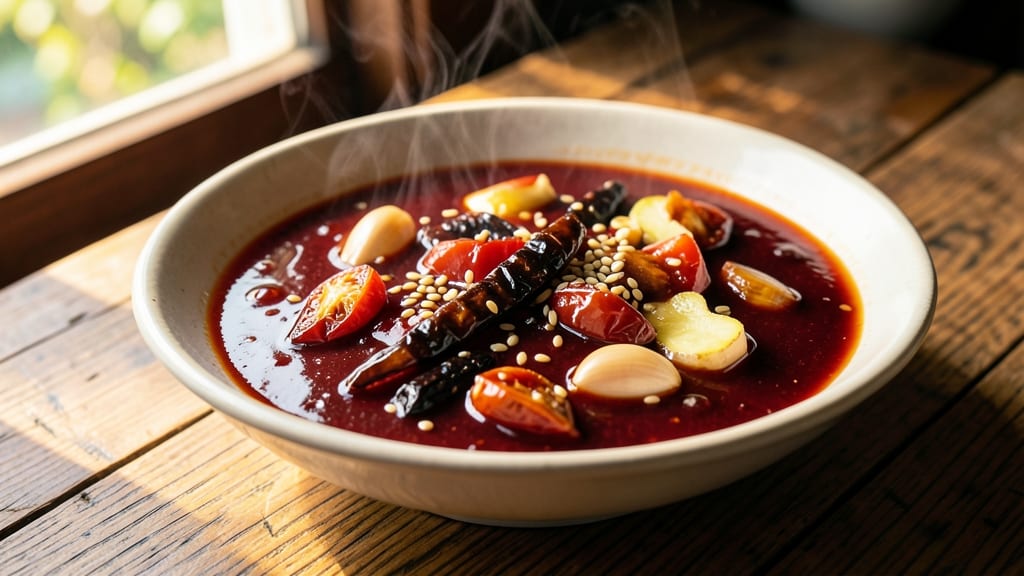
This Asian red sauce recipe transforms smoky chipotle peppers and ripe tomatoes into a vibrant, complex sauce with a secret vinegar zing that cuts through richness. The blend of sweet, spicy, and tangy flavors makes it infinitely versatile—perfect for elevating stir-fries, noodles, or grilled meats.
What sets this apart is the balance of traditional Asian pantry staples with a bold, unexpected depth that restaurant-quality sauces achieve.
The foundation starts with a simple simmer of tomatoes, garlic, and ginger, which builds into a rich base before adding chipotle peppers for smoky heat and rice vinegar for that signature brightness. A touch of brown sugar rounds out the flavors while keeping the sauce naturally balanced, not overly sweet.
The key is letting it reduce slowly, allowing the ingredients to meld into a cohesive, glossy sauce that clings beautifully to food.
Once complete, you’ll have a sauce that’s restaurant-quality but easy to replicate at home—no fancy equipment required. It stores well in the fridge for up to a week or can be frozen for longer shelf life, making it a pantry staple for quick weeknight meals.
The versatility is its greatest strength: drizzle it over noodles, toss it with stir-fried vegetables, or use it as a marinade for grilled proteins.
Pair it with dishes like sweet potato noodles, crispy tofu stir-fry, or grilled chicken skewers to experience its full potential. The smoky-sweet profile adds depth to any dish without overpowering. Ready to make your own? Let’s get started.
Ingredients for asian red sauce
Nine essential ingredients blend smoky, sweet, and tangy notes for a restaurant-quality Asian red sauce.
| Ingredient | Amount | Notes |
|---|---|---|
| Ripe Tomatoes 🍅 | 1 ½ lbs | Roma or vine-ripened preferred |
| Chipotle Peppers in Adobo 🌶️ | 2 whole | Smoked, minced finely |
| Garlic Cloves 🧄 | 6 cloves | Peeled, minced for depth |
| Fresh Ginger 🌿 | 1 ½ oz | Peeled, grated finely |
| Rice Vinegar 🍶 | ½ cup | Unseasoned for brightness |
| Brown Sugar 🍚 | ¼ cup | Light or dark preferred |
| Extra-Virgin Olive Oil 🫒 | ¼ cup | High-quality for richness |
| Low-Sodium Soy Sauce 🍜 | ¼ cup | For umami balance |
| Sesame Oil 🌰 | 1 tbsp | Toasted for aroma |
| Diamond Crystal Kosher Salt 🧂 | 1 ½ tsp | Adjust to taste |
The tomatoes form the sauce's heart—Roma or vine-ripened deliver the richest flavor. Whole Foods or local farmers' markets often carry superior varieties. Chipotle peppers in adobo sauce provide that signature smoky depth; look for brands like Goya for consistent quality. Fresh ginger should smell vibrant and zesty—avoid dried ginger for this recipe. Rice vinegar is non-negotiable for that signature brightness; Koyo or Marukan brands are excellent choices. The brown sugar rounds out the flavors beautifully—light brown sugar adds subtle molasses notes that complement the sauce's complexity.
No chipotle peppers in adobo? Substitute smoked paprika at half the amount—though you'll lose some depth. Fresh ginger unavailable? Ground ginger works at one-third the quantity, but fresh is ideal. Running low on rice vinegar? Apple cider vinegar can substitute, though the flavor profile shifts slightly. The soy sauce can be swapped for coconut aminos if you prefer a gluten-free option. For extra richness, add a splash of sesame paste (about 1 tbsp) alongside the sesame oil. The sauce's balance depends on these ratios—don't skimp on the vinegar or it'll lack that signature tang.
This sauce thickens beautifully as it reduces—simmer uncovered for 20-25 minutes to achieve the perfect consistency. For long-term storage, cool completely before transferring to airtight containers. It keeps in the fridge for up to 1 week or freezes for 3 months. The flavors actually deepen over time, making it perfect for meal prep. For restaurant-quality results, strain through a fine-mesh sieve before using to remove any fibrous bits, giving you that silky texture you'd expect from professional kitchens.
Why You'll Love This Recipe
- Pantry-Friendly Powerhouse: I swear by this sauce because it’s made with stuff I always have—no fancy shopping trips. The chipotle peppers in adobo add smoky heat without needing a whole spice rack, and ripe tomatoes? They’re the unsung heroes here, sweetening the deal while you’re at it.
- Smoky-Sweet Balance: That first taste of ginger and garlic sizzling in the pan? It’s like a hug for your taste buds. The rice vinegar cuts through the richness, and the chipotle’s slow simmer releases just enough heat to linger—just enough to make you crave seconds.
- Weeknight to Dinner Party: I use this sauce for stir-fries on Tuesdays and drizzle it over grilled fish for guests. It’s the same base, but the magic lies in how you serve it—whether it’s a quick weeknight meal or the star of a weekend spread.
- No-Waste, Long-Lasting: This sauce actually improves after a few days in the fridge, deepening in flavor. I make a big batch and freeze half—perfect for lazy mornings or when I’m too tired to cook. Plus, tomatoes and ginger are cheap staples that stretch my grocery budget.
Step-by-step instructions for Asian red sauce
This smoky, vibrant sauce blends traditional Asian flavors with a chipotle kick—precision matters at every stage.
Roast Tomatoes and Char Chipotle Peppers
Preheat your oven to 425°F and line a baking sheet with parchment paper. Halve the 1.5 lbs ripe tomatoes crosswise and place them cut-side down on the sheet. Roast for 20-25 minutes until the skins blister and darken—this concentrated caramelization deepens the sauce's complexity.
While tomatoes roast, remove the 2 whole chipotle peppers in adobo from their sauce and pat them dry with paper towels. Place them directly on the baking sheet (no need to cut) and roast alongside the tomatoes for the same 20-25 minutes. The peppers will soften and develop an intense smokiness. Watch closely—they're done when they're pliable and slightly charred in spots.
Build the Base with Aromatics and Vinegar
Transfer the roasted tomatoes and chipotle peppers to a food processor. Add the 6 peeled, minced garlic cloves, 1.5 oz finely grated fresh ginger, and 0.5 cup rice vinegar. Pulse until the mixture is smooth but still retains some texture—you want visible tomato flecks for visual appeal and depth of flavor.
With the processor running, slowly drizzle in the 0.25 cup extra-virgin olive oil to emulsify the mixture. This creates a silky foundation that balances the sauce's acidity and heat. The oil should incorporate completely, leaving a glossy, cohesive base. Taste at this stage—the vinegar should brighten your palate, and the aromatics should sing with intensity.
Simmer and Develop the Sauce
Pour the mixture into a medium saucepan and bring to a gentle simmer over medium heat. Add the 0.25 cup brown sugar and 0.25 cup low-sodium soy sauce, stirring constantly to dissolve the sugar completely. Simmer uncovered for 15-20 minutes, stirring occasionally, until the sauce thickens slightly and reduces by about one-third.
You'll notice the sauce darken and deepen in flavor as it reduces. The chipotle's smokiness will mellow into a warm, earthy note, while the vinegar's sharpness softens into a bright, lingering zing. The sauce should coat the back of a spoon but still be pourable—this balance ensures it works as both a dipping sauce and a glaze.
Finish with Sesame Oil and Season
Remove the sauce from heat and stir in the 1 tbsp toasted sesame oil. This final touch adds a nutty aroma and rich mouthfeel that elevates the sauce from good to exceptional. The oil should disperse evenly, creating a sheen on the surface. Taste again and adjust seasoning with the 1.5 tsp Diamond Crystal kosher salt, adding more if needed—this sauce should be bold but not overpowering.
Let the sauce rest for 10 minutes before serving. This brief pause allows the flavors to meld completely, ensuring every spoonful delivers a harmonious blend of smoky, sweet, tangy, and umami notes. The sauce will thicken slightly as it cools, so adjust consistency with a splash of water if needed. Serve warm over noodles, drizzled over grilled meats, or paired with fresh spring rolls.
Pro Tips For Making Asian Red Sauce
- Simmer Low and Slow: I used to blast this sauce on high, thinking it’d cook faster—big mistake. After 20 minutes of charred tomatoes and raw chipotle bits, I learned: keep it at a gentle simmer. A steady, rolling boil will break down the tomatoes and meld flavors without burning the ginger or garlic. Trust me, 30 minutes at medium-low beats 15 minutes of chaos.
- Peel and Seed Tomatoes: Skip the peeling if you’re in a rush, but you’ll regret the skin’s bitterness later. Blanch whole tomatoes in boiling water for 30 seconds, then ice bath—skins slide off like magic. And always seed them: those gel-like seeds thicken the sauce into glue. Save the juices, too—they’re liquid gold for balancing acidity.
- Mince Ginger Like You Mean It: My first few batches tasted like I’d used a potato masher. Fresh ginger needs to be finely minced—almost paste-like—so it dissolves into the sauce. Pulse it in a food processor for 10 seconds, then stir it in early. If you’re doing it by hand, chop it smaller than you think you need. (Yes, even if you’re impatient like me.)
- Balance Heat with Vinegar: Chipotle in adobo is sneaky—one extra pepper and your sauce turns into a mouthwash. Taste as you go, and if it’s too fierce, add rice vinegar gradually. Start with 1 tablespoon, then adjust. The vinegar also brightens the tomatoes and cuts through any bitterness from overcooked garlic. Think of it as the sauce’s editor, not just an afterthought.
Perfect pairings for this asian red sauce
Noodle Pairings
This sauce transforms simple noodles into a restaurant-worthy dish. Toss it with udon noodles for a hearty, chewy texture that soaks up the smoky-sweet flavors beautifully. I love using fresh egg noodles from Trader Joe's, which hold up perfectly to the sauce's richness.
For a lighter option, try rice noodles—their delicate strands create an elegant dish when paired with grilled shrimp or tofu. 🍜
Stir-Fry Magic
Use this sauce as the star of your stir-fry game. Toss it with crispy tofu cubes, bell peppers, and snap peas for a quick weeknight meal. I recommend adding 1 tbsp cornstarch to the sauce before tossing to create a glossy, clingy finish.
For extra depth, finish with scallions and sesame seeds right before serving. The sauce's tangy brightness cuts through the crispy textures perfectly. ✨
Grilled Meats
This sauce doubles as an incredible marinade or glaze for grilled proteins. Brush it over pork tenderloin or chicken thighs before grilling for a caramelized crust. I like to marinate the meat for at least 2 hours to let the flavors penetrate deeply.
For a finishing touch, broil the grilled meat for 2-3 minutes while drizzling extra sauce on top—it creates a beautiful glaze that's irresistible. 🔥
Spring Rolls
Dip store-bought or homemade spring rolls into this sauce for a flavor explosion. The smoky chipotle and tangy vinegar contrast perfectly with the crispy, fried exterior. I recommend serving with cucumber slices and carrot sticks on the side to balance the richness.
For an extra touch, sprinkle crushed peanuts on top before dipping—it adds a satisfying crunch. 🌟
Rice Bowls
Turn this sauce into the star of your rice bowl game. Spoon it over jasmine rice and top with grilled chicken, steamed broccoli, and avocado slices for a balanced, flavorful meal.
The sauce's complexity elevates simple ingredients into something extraordinary. For an extra kick, add pickled red onions to cut through the richness and add freshness. 💫
Nutrition facts
Frequently asked questions
Can I make this sauce without chipotle peppers?
Yes! For a milder version, substitute 1 tablespoon smoked paprika plus ½ teaspoon cayenne pepper for the chipotle. If you prefer no heat at all, use 1 teaspoon garlic powder and ½ teaspoon onion powder to maintain depth without spice. The sauce will still develop rich, smoky notes from the roasted tomatoes and ginger.
How do I adjust the sweetness or spice level?
For less sweetness, reduce the brown sugar to 1-2 tablespoons and add 1 extra tablespoon of rice vinegar for balance. For more heat, add ½ teaspoon cayenne or 1 extra minced chipotle pepper (if using fresh). Taste as you go—this sauce is highly customizable!
Can I use this sauce in cold dishes, like salads?
This sauce works beautifully in cold dishes when slightly thinned with 1-2 tablespoons of water or broth to prevent clumping. Drizzle it over summer rolls, grain salads, or cold noodle salads for a tangy-sweet contrast. The vinegar and sesame oil add brightness that cuts through creamy dressings.
Why did my sauce turn out too thin?
Sauce consistency depends on simmering time. If yours is too thin, simmer uncovered for an extra 5-10 minutes to reduce it further. For immediate thickening, mix 1 teaspoon cornstarch with 1 tablespoon water, stir into the sauce, and simmer for 1-2 minutes until thickened. Pro tip: Always simmer uncovered to avoid skin formation.
What's the best way to store leftovers?
Transfer cooled sauce to an airtight container and refrigerate for up to 1 week. For longer storage, freeze in ice cube trays (perfect for single-use portions) or airtight containers for up to 3 months. Thaw overnight in the fridge—never microwave directly from frozen. The flavors actually improve with time!