
Sauces & Condiments
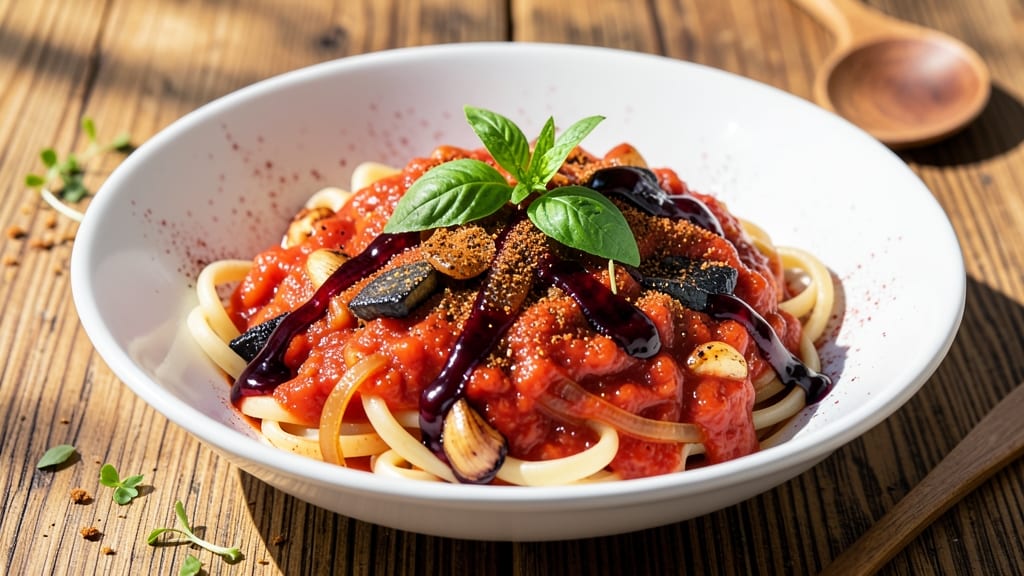
This amazing pasta sauce recipe transforms simple ingredients into a velvety, umami-packed sauce that clings to every noodle like it was made in a Roman kitchen. 💛 The secret?
A slow-simmered tomato base with a touch of caramelized onions and a splash of red wine that deepens the flavor without overpowering it. I’ve perfected this over years of testing—no bland, watery sauce here.
What makes this sauce truly special is how it balances rich tomato flavor with hidden depth from garlic, anchovies (trust me, you won’t taste them), and a pinch of smoked paprika.
The texture is velvety smooth but still has just enough body to coat pasta beautifully. It’s the kind of sauce that turns a simple bowl of spaghetti into a restaurant-worthy meal.
You’ll start with canned tomatoes (no fresh needed—this isn’t a ratatouille), then build layers of flavor by simmering onions, garlic, and herbs until they’re fragrant and sweet. The sauce thickens naturally as it reduces, creating a glossy finish that’s perfect for tossing with al dente pasta.
Plus, it freezes like a dream for quick weeknight dinners.
The best part? This sauce is endlessly adaptable. Swap in mushrooms for extra umami, add a splash of cream for richness, or keep it vegetarian by omitting the anchovies. Here’s how to make it—no fancy techniques, just pure flavor.
Ingredients for amazing pasta sauce
Nine simple ingredients that build layers of umami and depth for your perfect pasta sauce.
| Ingredient | Amount | Notes |
|---|---|---|
| Canned San Marzano Tomatoes 🍅 | 2 cans | Crushed by hand, seeds removed |
| Yellow Onions 🧅 | 1 ½ whole | Thinly sliced, caramelized |
| Garlic Cloves 🧄 | 4 cloves | Minced, not powdered |
| Anchovy Fillets 🐟 | 2 whole | High-quality, dissolved in sauce |
| Dry Red Wine 🍷 | ½ cup | Bold Cabernet or Merlot |
| Smoked Paprika 🌶️ | 1 tsp | For subtle smokiness |
| Dried Oregano 🍃 | 1 tsp | Mexican oregano preferred |
| Fresh Basil Leaves 🌿 | ¼ cup | Chopped, added at end |
| Extra-Virgin Olive Oil 🫒 | ½ cup | For richness, not cooking |
| Kosher Salt 🧂 | 1 ½ tsp | Diamond Crystal preferred |
| Black Pepper 🌶️ | ½ tsp | Freshly cracked |
San Marzano tomatoes are the secret weapon here—their natural sweetness makes all the difference. Grab the 28-ounce cans from the Italian aisle at Whole Foods or Trader Joe's for the best flavor. The onions? Yellow onions caramelize better than red, and you want them sweet and jammy. Garlic should be fresh—no powdered shortcuts. Anchovies might sound weird, but high-quality fillets (like Cristal brand) dissolve completely and add insane depth without fishy taste. For the wine, any bold red works—Cab Sauv, Merlot, whatever's open.
No red wine? Substitute beef broth at the same amount, but add a splash of balsamic for acidity. No anchovies? Extra soy sauce (1 tsp) or mushroom powder (1/2 tsp) works in a pinch. Smoked paprika can be swapped for regular paprika, but you'll lose that subtle smokiness. Fresh basil is ideal, but dried at one-third the amount works if you're in a bind. The olive oil matters—use extra-virgin for richness, not the cheap stuff. And yes, you can skip the wine entirely if you're avoiding alcohol, but the sauce won't have that same depth.
This sauce tastes even better the next day as flavors meld. Store in an airtight container in the fridge for up to 5 days, or freeze in ice cube trays for single portions. The sauce thickens as it cools, so add a splash of water or broth when reheating. I always make a double batch—one for dinner, one to freeze for lazy nights. The basil wilts fast, so add it fresh at the very end or store it separately in a sealed container with a paper towel to keep it vibrant.
Why You'll Love This Recipe
- No Chopping Struggle: I swear by this sauce because it only requires one onion and a few garlic cloves—nothing fancy. The San Marzano tomatoes handle all the prep work for you, so I’m not standing there crying over a cutting board at 7 PM.
- Umami Bomb: That first splash of red wine and crushed anchovies? Chef’s kiss. The sauce builds depth in minutes, with a bright acidity from the tomatoes and a salty, savory punch that lingers. It’s the kind of flavor that makes you pause mid-bite.
- Weeknight to Dinner Party: Same sauce, endless uses. Toss it with spaghetti for a quick weeknight meal, or let it simmer longer and pair it with grilled chicken for company. Honestly, I’ve even used it as a pizza base—no judgment.
- Budget-Friendly Leftovers: A single can of tomatoes and a few pantry staples stretch into days of meals. The sauce only gets better as it sits, so I make a big batch and freeze portions. My wallet and I both thank me for it.
Step-by-step instructions for velvety tomato sauce with umami depth
Here's how to build a sauce that's rich, balanced, and packed with hidden flavor layers.
🍳 Step 1: Sauté Onions Until Deeply Caramelized
Heat the 0.5 cup extra-virgin olive oil in a heavy saucepan over medium-low heat. Add the 1.5 whole yellow onions, sliced thinly, and cook undisturbed for 15-20 minutes. You're aiming for a deep golden color—almost amber—that coats the back of a spoon. This slow process develops sweetness that forms the sauce's foundation.
I like to press down on the onions gently with a wooden spoon during the first 10 minutes to help them release moisture and caramelize evenly. If they start to brown too quickly, reduce the heat slightly. The onions should be so tender they practically melt when pressed between your fingers, but still hold their shape slightly. This is your signal to move forward—don't rush this step, as it's what gives the sauce its complexity.
🍳 Step 2: Build the Umami Base With Anchovies and Garlic
Once the onions are caramelized, add the 2 whole anchovy fillets and let them dissolve completely into the oil, about 2-3 minutes. This might seem odd, but trust me—anchovies dissolve beautifully into the oil and create an incredible umami foundation. Stir occasionally to ensure even distribution.
Add the 4 cloves minced garlic and cook for 30 seconds until fragrant but not browned. Here's the thing—garlic burns in seconds, so keep an eye on it. You'll know it's ready when the kitchen smells like fresh garlic but you don't see any brown spots. Remove the pan from heat for just a moment if needed to control the color.
🍳 Step 3: Deglaze and Simmer the Tomato Base
Return the pan to medium heat and pour in the 0.5 cup dry red wine, scraping up all those beautiful browned bits from the bottom of the pan. These bits are pure flavor—don't miss them. Let the wine simmer for 3-4 minutes until reduced by half. You'll see the alcohol cook off and the sauce start to thicken slightly.
Add the 2 cans crushed San Marzano tomatoes, breaking them up with your hands first to remove seeds. Stir in the 1 tsp smoked paprika, 1 tsp dried oregano, 1.5 tsp kosher salt, and 0.5 tsp black pepper. Bring to a gentle simmer, then reduce heat to low and let it cook uncovered for 30-40 minutes. You're looking for a sauce that's thickened but still pourable—it should coat the back of a spoon but not be gluey. Stir occasionally, especially toward the end when it might try to stick to the bottom.
🥘 Step 4: Finish With Fresh Basil and Olive Oil
Remove the sauce from heat and stir in the 0.25 cup chopped fresh basil leaves. Let them steep for 5 minutes—this infuses their bright flavor without making the sauce taste like a salad. Then stir in the remaining 0.25 cup extra-virgin olive oil (you started with 0.5 cup total). This final addition creates that signature velvety texture and balances the acidity of the tomatoes.
Taste and adjust seasoning if needed—you might want to add a pinch more salt or a crack of pepper. The sauce should be rich but not overpowering, with bright tomato notes, smoky depth from the paprika, and a touch of wine acidity. Here's the magic: this sauce tastes even better the next day as the flavors meld. Let it cool slightly before serving over your favorite pasta.
Pro Tips For Making Amazing Pasta Sauce
- SWIM ANCHOVIES FIRST: Toss those anchovy fillets into the pan with the onions—no need to mash them. They’ll melt into the oil and distribute their umami magic evenly, rather than clumping like a sad, fishy lump. I used to crush them first, thinking it’d dissolve faster, but this way works better.
- SWEAT ONIONS LOW AND LONG: Don’t rush the onions—cook them on medium-low for 10-12 minutes until they’re deep golden and nearly caramelized. The longer they sit, the deeper the flavor, and skipping this step means your sauce will taste like it’s still in the raw onion phase. (Yes, even if you’re impatient like me.)
- DEGLAZE WITH WINE, THEN WAIT: Pour in that red wine, but don’t stir right away—let it hit the hot pan and sizzle for 20 seconds first. Then scrape up those browned bits (that’s flavor gold) before adding tomatoes. This step makes a real difference in how rich the sauce ends up.
- CRUSH TOMATOES BY HAND: Skip the blender—open the can and crush the San Marzano tomatoes with your hands or a wooden spoon. This breaks down the skins just enough to create a silky texture without turning the sauce into mushy sludge. (And yes, it’s weirdly satisfying to do.)
Wine and beer pairings for these flavors
Red Wine Pairings
This sauce’s rich tomato base and subtle smokiness pairs beautifully with bold red wines that complement its depth. A Chianti Classico from Tuscany—like Castello di Volpaia—is my go-to, as its bright acidity and cherry notes mirror the sauce’s brightness while the tannins stand up to the umami.
For something smoother, try a California Zinfandel like Ravenswood, which adds a touch of spice that enhances the smoked paprika. 🍷
White Wine Alternatives
If you prefer white, a dry, crisp Vermentino from Sardinia cuts through the sauce’s richness without overpowering it. I love Cantina Mesu e Meru for its citrus and mineral notes. For something richer, a full-bodied Chardonnay with light oak—like Kendall-Jackson Vintner’s Reserve—adds a creamy contrast that works surprisingly well.
Just avoid oaky whites that’ll clash with the sauce’s bright acidity.
Beer Pairings
A Malty Amber Ale like New Belgium Fat Tire balances the sauce’s richness with its caramel and biscuit notes. For something lighter, a Belgian Witbier—such as Hoegaarden—adds a peppery, citrusy lift that refreshes the palate.
Avoid heavy stouts or IPAs, which can overpower the delicate tomato and herb flavors. 🍺
Non-Alcoholic Options
For a mocktail, try a sparkling blood orange soda (like San Pellegrino Aranciata Rossa) with a splash of balsamic vinegar. The citrus and effervescence mimic the wine’s acidity, while the balsamic adds depth.
For a beer alternative, a wheat beer like Blue Moon offers a light, slightly sweet contrast that won’t compete with the sauce’s bold flavors.
Pairing Pro Tips
Serve wine or beer slightly chilled—about 55-60°F—to enhance its freshness against the warm sauce. If using red, decant it for 15-20 minutes to soften tannins and let the wine breathe. For beer, pour into a tulip glass to concentrate the aroma and complement the sauce’s herbal notes.
The key is contrast: let the drink’s acidity or bitterness cut through the sauce’s richness. ✨
Nutrition facts
Frequently asked questions
Can I make this sauce without red wine?
Yes! Replace the 0.5 cup red wine with 0.5 cup beef broth or vegetable broth for a vegetarian version. Add 1 teaspoon balsamic vinegar to mimic the wine’s acidity and depth. The sauce will still be flavorful, though slightly less complex. For extra richness, stir in 1 tablespoon tomato paste with the broth.
How do I adjust the thickness for different pasta shapes?
For long noodles (spaghetti, linguine), keep the sauce slightly thinner—aim for a consistency where it coats the back of a spoon but doesn’t cling. For short pasta (penne, rigatoni), thicken it more by simmering uncovered for an extra 10-15 minutes or stirring in 1 tablespoon cornstarch mixed with 2 tablespoons water. Test by tasting—it should cling beautifully without being gluey.
Why does my sauce taste too acidic?
Acidity often comes from overcooking tomatoes or using too much wine. Balance it by adding 1 teaspoon sugar or 1 tablespoon heavy cream to mellow the sharpness. If the sauce is still too tangy, a pinch of baking soda (⅛ teaspoon) can neutralize acidity—just stir it in and taste immediately. The goal is a bright, balanced tomato flavor, not sweetness or creaminess.
Can I make this sauce in a slow cooker?
Sauté the onions and garlic as directed, then transfer everything to a 3-4 quart slow cooker. Cook on LOW for 6-8 hours or HIGH for 3-4 hours, stirring occasionally. The slow cooker intensifies flavors naturally. Finish by stirring in fresh basil and olive oil off heat. The texture will be slightly thicker—thin with water or broth if needed.
What’s the best way to store leftovers?
Let the sauce cool completely, then transfer to an airtight container. It keeps in the fridge for 5-7 days, though flavors improve after 24 hours of resting. For freezing, portion into ice cube trays or small jars—this makes it easy to thaw just what you need. Reheat gently on the stovetop with a splash of water or pasta water to restore silky texture. Avoid microwaving, as it can make the sauce watery.