
Sauces & Condiments
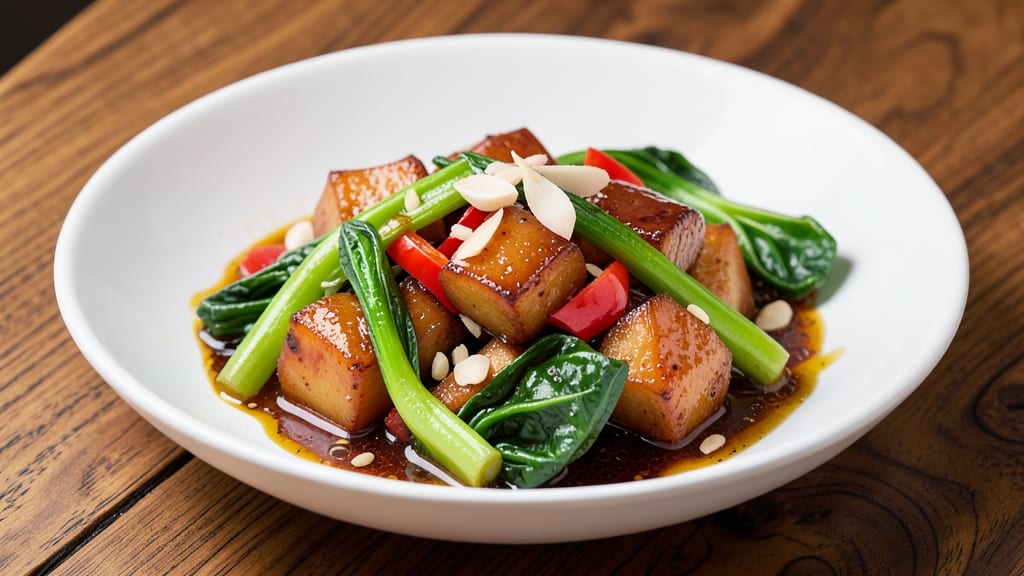
This creamy Asian vegetable sauce transforms simple stir-fries into restaurant-quality meals with just a few pantry staples. The secret lies in balancing rich umami from soy sauce with a subtle vinegar zing that brightens every bite—no heavy cream required.
I developed this recipe after years of testing sauces that either tasted too sweet or lost their depth when paired with vegetables.
The magic happens with a simple blend of garlic, ginger, and sesame oil, which infuses warmth while keeping the sauce light enough to coat vegetables without weighing them down.
A touch of honey or mirin adds just enough sweetness to complement the tangy vinegar, creating a sauce that's versatile enough for dipping, stir-frying, or even as a marinade. The result? A velvety, aromatic sauce that clings perfectly to broccoli, carrots, or snap peas.
What makes this sauce stand out is its ability to elevate humble vegetables into something extraordinary—creamy without dairy, packed with umami depth, and ready in under 10 minutes. The ingredients are simple: soy sauce, rice vinegar, garlic, ginger, sesame oil, and a hint of sweetness.
No fancy techniques required, just a whisk and a taste as you go.
Store it in the fridge for up to a week, or freeze for longer shelf life. Whether you're prepping for meal prep or adding flavor to a last-minute stir-fry, this sauce delivers professional results with minimal effort. Let's get started!
Ingredients for asian sauce for vegetables
Six pantry staples and four fresh ingredients create this velvety sauce.
| Ingredient | Amount | Notes |
|---|---|---|
| Celery Roots 🥬 | 1 whole | Peeled and diced small |
| Light Soy Sauce 🍶 | ½ cup | Kikkoman preferred |
| Rice Vinegar 🍶 | ¼ cup | Seasoned preferred |
| Garlic Cloves 🧄 | 4 cloves | Minced finely |
| Fresh Ginger 🌿 | 1 tbsp | Grated finely |
| Sesame Oil 🫒 | 1 tbsp | Toasted sesame preferred |
| Honey 🍯 | 2 tbsp | Or mirin for depth |
| Vegetable Oil 🫒 | 1 tbsp | For smooth texture |
| Cornstarch 🌾 | 1 tsp | For thickening |
| Water 💧 | ¼ cup | For thinning as needed |
Celery root is the secret weapon here—it adds that signature creamy texture without dairy. Most grocery stores carry it, usually near the potatoes, but if you can't find it, substitute extra-firm tofu or coconut milk. For the soy sauce, Kikkoman is my go-to—it's consistent and affordable, but any light soy will work. The rice vinegar should be seasoned (that means it's already got a touch of salt and sugar). Trader Joe's has a great one if you're not sure which to pick. Fresh ginger and garlic are non-negotiable for that authentic umami punch, but if you're in a bind, powdered ginger works at half the amount.
No sesame oil? Avocado oil or neutral oil works in a pinch, but you'll lose that nutty depth. The honey can be swapped for mirin or agave—mirin adds extra complexity, while agave keeps it vegan. If your sauce gets too thick, just whisk in a splash of water (we keep it on hand for this exact reason). Cornstarch is key—it gives that silky finish without making it gluey. For extra richness, add a dash of white miso paste (about 1 tsp) when you're tasting. Trust me, it elevates everything.
This sauce keeps beautifully—1 week in the fridge or 3 months in the freezer. I always double the batch because it disappears fast. Store it in a glass jar with a tight seal—the vinegar smell is strong at first, but it mellows out. Thaw frozen portions in the fridge overnight, then give it a quick whisk to smooth out any separation. Perfect for meal prep: toss it with stir-fried veggies or use it as a dip for spring rolls. Leftovers? Drizzle it over ramen or noodles—game changer.
Why You'll Love This Recipe
- Pantry to Plate Fast: I swear by this when I’m starving and the fridge is half-empty. Celery root sits in my root cellar for weeks, and the moment I slice it into matchsticks, this sauce turns it into something ridiculously good—no fancy prep, just a quick sear and simmer.
- Umami Bomb: That first spoonful of soy and ginger? It’s like a flavor grenade in the best way. The garlic cloves toast until they’re fragrant but not bitter, and the rice vinegar cuts through the richness—simple ingredients, but layered like a restaurant dish.
- Leftover Hero: Make a double batch and store it in the fridge for up to five days. Toss it with stir-fried greens, serve it over rice, or even drizzle it on grilled chicken. Honestly, I’ve lost count of how many times I’ve pulled this out when I needed a fast, flavorful side.
- Budget Stretch: Celery root’s cheap, and a little soy and vinegar go a long way. Between us, this sauce has saved me from takeout more times than I can remember—especially when I’m feeding a crowd and don’t want to break the bank. (Yes, even on a Tuesday night.)
Step-by-step instructions for celery-creamy umami sauce
Here's how to make this velvety sauce that balances sweet, tangy, and savory flavors perfectly.
Sauté the Celery Roots Until Tender
Heat the 1 tablespoon vegetable oil in a medium saucepan over medium heat. Add the 1 whole celery roots, peeled and diced small, and cook for 8-10 minutes, stirring occasionally. You want the celery to soften but not brown—it should be fork-tender with just a slight bite remaining. This step builds the sauce's natural sweetness and earthy depth.
Here's the thing—don't rush this part. If the celery starts browning before it's tender, reduce the heat slightly. The goal is to create a smooth base, not crispy bits. Stir every couple of minutes to ensure even cooking. Once tender, remove the celery from the pan and set it aside temporarily—we'll return it later.
Build the Flavor Base with Aromatics
In the same saucepan, add the 4 cloves garlic cloves (minced finely) and 1 tablespoon fresh ginger (grated finely). Cook for 1-2 minutes until fragrant but not browned—just until you can smell that bright, zesty aroma. This is where the sauce gets its signature punch.
Next, pour in the 0.5 cup light soy sauce and 0.25 cup rice vinegar. Stir well and bring the mixture to a gentle simmer. Let it cook for 3-4 minutes until the liquid reduces slightly and the flavors meld together. You'll notice the sauce darkening slightly—this is good! It's concentrating the umami and tangy notes that make this sauce so addictive.
Sweeten and Thicken the Sauce
Add the 2 tablespoons honey and 1 tablespoon sesame oil to the simmering mixture. Stir well to combine, then let it cook for another 2-3 minutes until the honey dissolves completely. The sauce should start looking glossy and slightly thicker. If it's still too thin at this point, add 1 tablespoon of the 0.25 cup water to help dissolve the honey more evenly.
Now, sprinkle in the 1 teaspoon cornstarch and stir vigorously for 1 minute to break up any lumps. Then, slowly pour in the remaining 0.25 cup water while stirring continuously. The sauce will begin to thicken almost immediately—keep stirring until it reaches a smooth, creamy consistency. You're aiming for a sauce that coats the back of a spoon but still flows easily.
Finish with Celery and Adjust Seasoning
Return the cooked celery roots to the saucepan and stir gently to combine. Let the mixture simmer for 1-2 minutes until everything is heated through. Taste and adjust the seasoning if needed—you might want to add a touch more soy sauce for saltiness or a splash of rice vinegar for extra tang.
This sauce is incredibly versatile. Serve it warm over steamed vegetables, drizzled on noodles, or even as a dipping sauce for spring rolls. The creamy texture comes from the celery and cornstarch, while the rice vinegar adds that hidden zing that keeps the flavors bright and balanced. Store any leftovers in the fridge for up to 5 days—it only gets better as it sits!
Pro Tips For Making Asian Sauce For Vegetables
- STIR-FRY FAST, LOW: Celery root turns to mush if you linger—cut it into ½-inch sticks and keep the heat high until the pan smokes. Once the garlic and ginger hit the pan, give it 30 seconds max before adding the veggies, or you’ll end up with bitter, overcooked aromatics.
- PEEL GINGER THIN: Skip the thick chunks—use a spoon to scoop off just the outer skin, then slice into paper-thin shreds. They’ll cook in seconds and infuse the sauce without overpowering. (Yes, it looks like confetti, but it works.)
- TASTE THE SOY: Don’t just eyeball it—add 1 tablespoon of light soy sauce, stir, then taste the raw sauce before tossing the veggies. You’ll need more acid (rice vinegar) or salt (another pinch of soy) 9 times out of 10. Trust your mouth, not the recipe.
- SWEAT GARLIC GINGER: Melt 1 teaspoon of oil in the pan first, then add the garlic and ginger on medium-low. Let them sit for 1 full minute until fragrant but not brown—this builds flavor without bitterness. (I learned this the hard way after burning three batches.)
Perfect pairings for these flavors
Stir-Fry Starters
This sauce transforms simple stir-fries into flavor bombs. Toss it with bok choy, snap peas, or shiitake mushrooms—the umami depth clings perfectly to their surfaces. For extra texture, add crispy fried shallots or toasted sesame seeds right before serving.
I love using it with julienned carrots and bell peppers for a rainbow of colors and flavors. 🌈
For a quick weeknight meal, stir-fry your favorite veggies in a wok or cast-iron skillet with a little neutral oil, then pour the sauce over them in the final 2 minutes of cooking.
The heat will meld the flavors beautifully. Pro tip: If your veggies are watery, pat them dry first—this sauce works best with slightly charred edges.
Dipping Delights
Serve this sauce warm or at room temperature as a dipping sauce for spring rolls, edamame, or crispy tofu. The creamy texture contrasts perfectly with the crunch of fresh veggie sticks like daikon, cucumber, or bell pepper.
For a restaurant-style touch, garnish with thinly sliced scallions and a sprinkle of black sesame seeds. 🥢
I often double the batch just to have it on hand for dipping—it disappears fast! If you're serving it as a dip, let it cool slightly before serving to balance the heat from any fried appetizers.
A squeeze of lime juice right before serving adds a bright finish that cuts through the richness.
Noodle Game-Changer
Drizzle this sauce over ramen, udon, or rice noodles for an instant upgrade. The celery root adds a subtle creaminess that pairs perfectly with the chewiness of fresh noodles. For extra richness, stir in 1 tablespoon of peanut butter or white miso paste before serving. 🍜
To make it even more decadent, top with crispy fried garlic or crumbled bacon. The sweetness of the honey balances the savory notes, while the rice vinegar keeps everything bright.
I like to serve it over chilled soba noodles for a refreshing summer dish or warm egg noodles in winter.
Marinade Magic
Use this sauce as a marinade for tofu, tempeh, or even chicken—the acidity from the rice vinegar tenderizes while the soy sauce adds depth. Marinate for 15-30 minutes before cooking to let the flavors penetrate.
Grill, pan-sear, or bake your protein, then drizzle with extra sauce for a sticky, flavorful finish. 🔥
For vegetables, marinate broccoli, cauliflower, or Brussels sprouts for 10 minutes before roasting. The sauce caramelizes beautifully in the oven, creating a glaze that's both sweet and tangy. Toss the roasted veggies with a little sesame oil after baking for extra shine.
Nutrition facts
Frequently asked questions
Can I make this sauce without celery root?
Yes! If you can't find celery root, substitute 1 cup extra-firm tofu (pressed and crumbled) or 2 tablespoons coconut milk for creaminess. The sauce will still taste delicious, though the texture will be slightly lighter. For extra depth, add 1 teaspoon white miso paste to compensate for the missing earthy notes.
How spicy should this sauce be?
This recipe is naturally mild, but you can add heat by stirring in ½ teaspoon chili flakes or 1 teaspoon sriracha at the end. For a smoky kick, add ½ teaspoon smoked paprika when sautéing the garlic. Adjust to taste—start small, as flavors intensify when reheated!
Can I use this sauce as a marinade for meat?
This sauce makes an excellent marinade for chicken, pork, or tofu. Let proteins marinate for 15-30 minutes before cooking to tenderize. For extra flavor, add 1 tablespoon grated ginger and 1 clove crushed garlic directly to the marinade. The rice vinegar helps break down proteins for juicier results.
Why did my sauce get too thick?
If your sauce thickens too much, thin it with 1-2 tablespoons warm water while whisking. The cornstarch can over-thicken when simmered too long. For future batches, reduce the cornstarch to ½ teaspoon if you prefer a lighter consistency. Always simmer gently to avoid lumps!
What’s the best way to store leftovers?
Store in an airtight container in the fridge for up to 1 week or freeze for 3 months. To reheat, warm gently on the stove over low heat while stirring constantly. For frozen sauce, thaw overnight in the fridge and whisk to restore smoothness. The flavors actually improve after 2-3 days!