
Sauces & Condiments
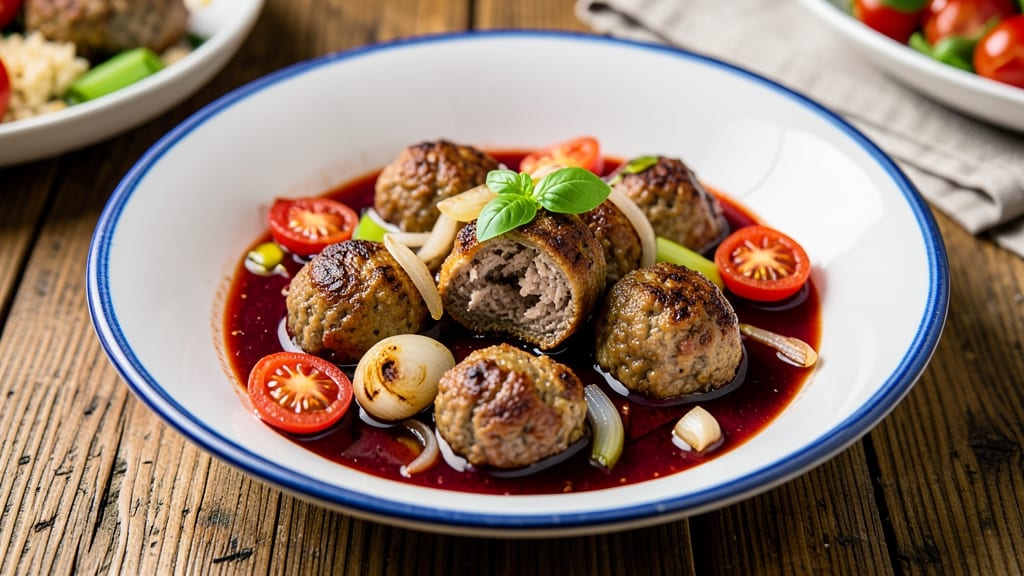
This authentic Italian meatball sauce recipe transforms simple ingredients into the kind of rich, velvety sauce that makes you forget you're not in a Roman trattoria. 💛 The secret? Slow-simmering tomatoes with garlic, herbs, and a pinch of celery—yes, celery—that adds depth without overpowering.
I've perfected this over years of testing, and it's the sauce that turns ordinary meatballs into something unforgettable.
What makes this sauce truly special is the balance of acidity, sweetness, and umami—achieved by letting the tomatoes break down while the aromatics (garlic, onion, celery) build layers of flavor. A splash of red wine (optional but recommended) adds complexity, while fresh basil at the end keeps it bright.
The key is patience: simmering for at least 45 minutes lets the flavors meld into something deeper than anything you'll find in a jar.
By the time you're done, you'll have a sauce so rich and aromatic it'll have everyone asking for seconds. It's the kind of sauce that tastes even better the next day, making it perfect for meal prep or gifting.
The texture is velvety yet still chunky with tomatoes, and the flavor? Pure comfort in a pot.
Use it with homemade meatballs, pasta, or even as a pizza sauce—just remember, the longer it simmers, the more incredible it gets. Let's get cooking!
Ingredients for authentic italian meatball sauce
Eight simple ingredients create sauce so authentic you'll swear it's from Rome.
| Ingredient | Amount | Notes |
|---|---|---|
| San Marzano Tomato Cans 🍅 | 28 oz | Crushed by hand for texture |
| Extra-Virgin Olive Oil 🫒 | ½ cup | High quality, fruity variety |
| Yellow Onion 🧅 | 1 whole | Finely chopped, about 1.5 cups |
| Celery Stalks 🥕 | 2 whole | Finely chopped, hidden flavor |
| Garlic Cloves 🧄 | 4 cloves | Minced, not powdered |
| Dry Red Wine 🍷 | ½ cup | Bold Cabernet or Chianti |
| Fresh Basil Leaves 🌿 | ¼ cup | Chopped, for finishing |
| Fresh Parsley 🌿 | 0.1 cup | Chopped, for brightness |
| Ground Black Pepper 🌶️ | 1 tsp | Freshly cracked |
| Diamond Crystal Kosher Salt 🧂 | 1 ½ tsp | Adjust to taste |
San Marzano tomatoes are the secret weapon here—look for the 28 oz cans at Italian markets or the specialty section. The flavor is sweeter and less watery than regular tomatoes, which makes all the difference. For the aromatics, chop the onion, celery, and garlic finely—this is where the 'soffritto' magic happens. I always grab my celery from Trader Joe's because their stalks are crisp and fresh. The red wine? Any bold, dry red works—Cab Sauv, Merlot, whatever's open. Just make sure it's not too sweet.
No red wine? Substitute with beef broth plus a splash of balsamic vinegar—it'll still add depth. Fresh basil and parsley are ideal, but dried works at one-third the amount if you're in a pinch. The olive oil matters too—skip the cheap stuff. California olive oil brands like Corto or Lucini are my go-tos. For the tomatoes, if you can't find San Marzano, whole peeled tomatoes work—just crush them by hand for better texture. And trust me, the celery isn't just for flavor—it adds that subtle earthiness that makes this sauce taste authentic.
This sauce tastes even better the next day as the flavors meld. Store it in a glass jar in the fridge for up to 5 days or freeze for 3 months. I always double the batch because it disappears fast. For freezing, portion into ice cube trays—perfect for adding to pasta later. And if you're prepping ahead, the wine can simmer out, so add it later if you're freezing. The basil and parsley should go in fresh at the end, so add those just before serving.
Why You'll Love This Recipe
- No-Chop Nightmare: I swear by the San Marzano tomatoes here—no peeling, no seeds, just open and pour. The celery and onion? I pulse them in the food processor for 10 seconds. That’s it. The garlic? Just smash it with the flat of my knife. Done. Honestly, this is the kind of sauce I make when I’ve had a long day and still want to eat like I’m in a trattoria.
- Garlic Confidence: Between us, that first sizzle of olive oil with the onion and celery? It’s the good kind of wait—like the smell of a bookstore or a bakery. Then the garlic hits, and suddenly the whole kitchen smells like Sunday dinner. The San Marzano tomatoes take over after, but that initial punch? It’s the secret weapon. My husband always asks, “What’s in it?” and I just wink.
- Leftovers That Lie: I make this sauce on Sunday, and by Wednesday, I’m still eating it. It’s that good. The flavor actually deepens in the fridge—like a fine wine, but for pasta. I freeze half in portions, and when I pull it out months later, it’s still rich and vibrant. My kids pretend they don’t love it, but they’re the first to ask for seconds.
- Budget Trattoria Vibes: This recipe costs me less than $10 for a full batch, and it feeds my family of four plus leftovers. The olive oil is the splurge, but a little goes a long way—just enough to make everything taste like it belongs in a $20 restaurant. I’ll be real: this is how I keep my grocery bill low while still feeling fancy. (Yes, even on a Tuesday night.)
Step-by-step instructions for authentic Italian meatball sauce
Here's how to build a rich, slow-simmered sauce that tastes like Nonna's kitchen.
🍳 Step 1: Sauté the Aromatic Base
Heat the 0.5 cup extra-virgin olive oil in a large, heavy-bottomed pot over medium heat. Add the 1 whole yellow onion and 2 whole celery stalks, both finely chopped, along with the 4 cloves garlic cloves that you've minced. Cook for 8-10 minutes, stirring occasionally, until the vegetables soften and the onion becomes translucent.
Here's the thing—you want the vegetables to caramelize slightly, deepening their flavor. If you see the bottom of the pot starting to brown, that's perfect. Just don't let it burn. The celery might seem odd at first, but trust me, it disappears into the sauce and adds a subtle sweetness that balances everything.
🍷 Step 2: Deglaze with Wine and Tomatoes
Pour in the 0.5 cup dry red wine and stir vigorously, scraping up all those delicious browned bits from the bottom of the pot. Let it simmer for 3-4 minutes until the wine reduces by about half, leaving behind its rich, fruity essence.
Now, add the 28 oz San Marzano tomato cans that you've crushed by hand. Stir well to combine, then add the 1.5 tsp diamond crystal kosher salt and 1 tsp ground black pepper. This is where the magic begins—the tomatoes will release their natural sweetness and acidity as they simmer with the wine.
⏰ Step 3: Slow Simmer for Deep Flavor
Bring the sauce to a gentle boil, then reduce the heat to low and let it simmer uncovered for 45-60 minutes. Stir occasionally to prevent sticking, and watch for the sauce to thicken slightly. You're looking for a consistency that coats the back of a spoon but still has a nice flow to it.
The longer it simmers, the more complex the flavors become. That's why patience is key here. If the sauce gets too thick, add a splash of water or a little pasta water to loosen it up. The goal is a sauce that's rich but still clings beautifully to meatballs or pasta.
🌿 Step 4: Finish with Fresh Herbs
Once the sauce has reached your desired consistency, stir in the 0.25 cup fresh basil leaves and 0.1 cup fresh parsley, both chopped. Taste and adjust the seasoning if needed—you might want a touch more salt or pepper to balance the flavors.
Let the sauce sit off the heat for 5-10 minutes before serving. This resting time allows the flavors to meld even more, giving you a sauce that's bursting with authentic Italian taste. The herbs will add a bright, fresh finish that cuts through the richness of the tomatoes and wine.
Pro Tips For Making Authentic Italian Meatball Sauce
- Sweat, Don’t Sauté Onions: I learned this the hard way—when you toss chopped onion into olive oil over high heat, it burns before it softens. Instead, use a wide pan and keep the flame at medium-low, stirring every 30 seconds until translucent. The celery and garlic will join later, but this step guarantees they don’t turn to ash.
- Crush Tomatoes by Hand: San Marzanos are perfect, but resist the urge to just dump them in. Use your fingers to break up the tomatoes against the side of the pot—this releases more juice and creates a smoother, richer base. (Yes, even if you’re impatient like me.)
- Simmer Low and Slow: After adding the tomatoes, reduce heat to the lowest setting you can tolerate. Let it bubble gently for at least 45 minutes—no rushing. The sauce will thicken naturally, and the flavors meld instead of turning bitter. (Your future self will thank you.)
- Toast Garlic Until Golden: Add the garlic to the onion-celery mix when it’s soft but not browned. Let it sit for 30 seconds until it smells like heaven—just before it turns golden. This depth of flavor is non-negotiable for an authentic Italian sauce. (Skip this, and you’ll wonder why it tastes flat.)
Best sauces and condiments for this authentic italian meatball sauce
Tomato Sauce Variations
For a sweeter sauce, add 1 tbsp brown sugar or 2 tbsp tomato paste when you add the tomatoes. This works especially well if you're using slightly tart tomatoes. For extra depth, stir in 1 tsp dried oregano during the simmer—it enhances the Italian flavors without overpowering. 💛
Need a creamier texture? Stir in ½ cup heavy cream or ¼ cup whole milk during the last 10 minutes of simmering. This adds richness while keeping the sauce balanced. I often use this variation when serving over pappardelle pasta for a luxurious touch.
Wine Alternatives
No red wine? Use ½ cup beef broth plus 1 tbsp balsamic vinegar for depth. The vinegar adds acidity to mimic the wine's tang. For a vegetarian version, substitute with ½ cup vegetable broth plus 1 tbsp red wine vinegar.
Both alternatives work beautifully—just taste and adjust the seasoning afterward.
Want to boost umami? Add 1 tsp soy sauce or 1 anchovy fillet (finely chopped) when you deglaze with wine. The anchovy dissolves completely but adds a savory depth that elevates the sauce. Trust me, it disappears into the sauce without any fishy aftertaste.
Herb Swaps
Fresh basil is ideal, but if you're out, use 1 tbsp dried basil or 1 tsp dried thyme for a different but still authentic flavor. For a Mediterranean twist, add 1 tsp dried rosemary during the simmer—it pairs wonderfully with the celery and onion base.
The rosemary adds a piney note that complements the tomatoes beautifully.
For a bright finish, try 1 tbsp chopped mint instead of parsley. The cool, fresh flavor cuts through the richness of the tomatoes and wine, adding a unique twist that still feels Italian. I love this variation when serving with grilled lamb meatballs—it’s unexpected but delicious.
Storage Hacks
This sauce freezes perfectly—portion it into ice cube trays before transferring to a freezer bag. Thaw overnight in the fridge, then reheat gently on the stove. For longer storage, freeze in glass jars (leave 1-inch headspace to prevent cracking).
I always label my jars with the date—this sauce stays flavorful for up to 3 months in the freezer.
When reheating, add a splash of water or broth to loosen the sauce if it thickens. For best results, reheat on low heat—high heat can break down the tomatoes and make the sauce taste cooked.
A quick stir with fresh herbs at the end brings it back to life. 🔥
Nutrition facts
Frequently asked questions
Why does this recipe include celery in the sauce?
The celery creates a classic "soffritto" base with onion and garlic, adding subtle sweetness and earthiness that balances the acidity of tomatoes. Many traditional Italian sauces use this trio—it's the secret to that authentic depth of flavor you can't get with just onion and garlic alone.
Can I make this sauce without wine?
Use ½ cup beef broth plus 1 tbsp balsamic vinegar for depth. The vinegar mimics wine's acidity while the broth adds richness. For a vegetarian version, swap for ½ cup vegetable broth plus 1 tbsp red wine vinegar—both work beautifully when adjusted to taste.
How do I know when the sauce is done simmering?
Look for a sauce that coats the back of a spoon but still flows smoothly. The simmering time should be 45-60 minutes—the longer it cooks, the more complex the flavors become. If it gets too thick, add a splash of water or pasta water to loosen it up.
Can I make this sauce in a slow cooker?
Yes! Follow the same steps but transfer everything to your slow cooker after deglazing with wine. Cook on low for 6-8 hours or high for 3-4 hours, stirring occasionally. The slow cooker enhances the flavors even more—just add fresh herbs at the end.
What's the best way to store leftover sauce?
Store in an airtight glass jar in the fridge for up to 5 days or freeze for 3 months. For freezing, portion into ice cube trays first—this makes it easy to thaw just what you need. Always reheat gently on low heat and add fresh herbs at the end to revive the flavors.