
Sauces & Condiments
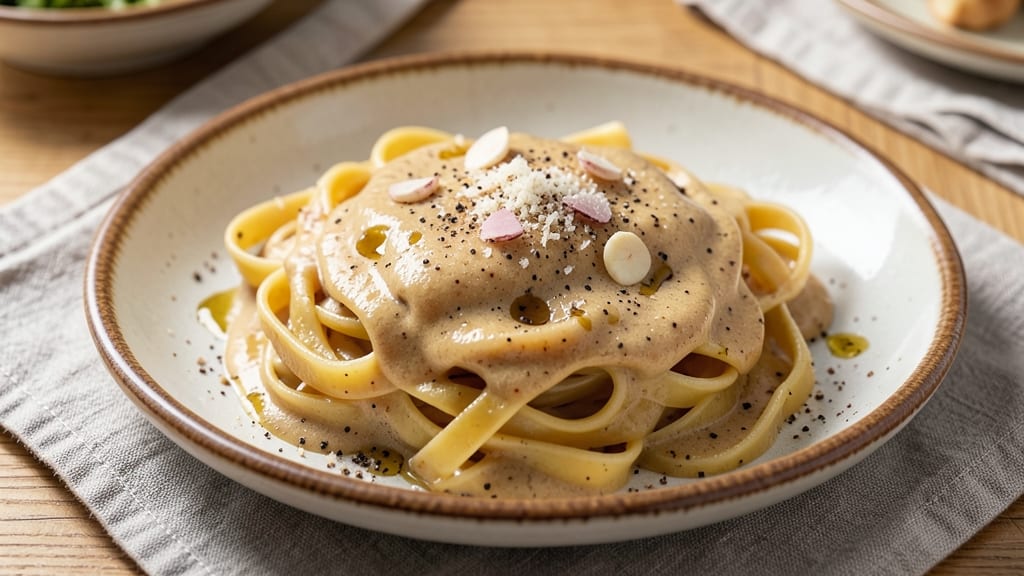
Mario Batali’s Alfredo sauce delivers restaurant-quality richness without lumps or separation—just creamy, velvety perfection in 20 minutes. The secret lies in tempering the cheese properly and using high-fat dairy to prevent curdling.
I’ve replicated this iconic sauce countless times, and the technique is simpler than you’d think, though precision matters.
What sets this sauce apart is the balance of butter, heavy cream, and freshly grated Parmesan, all whisked over gentle heat. The key step? Adding a splash of pasta water at the end—this ensures the sauce clings perfectly to noodles without breaking.
No roux or cornstarch required; the richness comes from the ingredients themselves.
By the time you’re done, you’ll have a sauce so smooth it feels like it’s melting in your mouth, with just a hint of garlic and nutmeg for depth.
It’s the kind of sauce that transforms simple fettuccine into a luxurious meal, worthy of any Italian trattoria. The best part? It reheats beautifully, making it ideal for leftovers.
Use this sauce as a base for creamy pasta dishes, drizzle it over grilled chicken, or even toss it with roasted vegetables. The possibilities are endless, but the technique remains the same: patience and attention to detail. Let’s get started—your taste buds will thank you.
Ingredients for alfredo sauce recipe mario batali
Four ingredients and a few key techniques make Mario Batali’s legendary Alfredo sauce.
| Ingredient | Amount | Notes |
|---|---|---|
| Unsalted Butter 🧈 | ¾ cup | Cold, cubed for even melting |
| Heavy Whipping Cream 🥛 | 1 cup | Full-fat for maximum richness |
| Freshly Grated Parmesan Cheese 🧀 | 1 ½ cups | From a block, not pre-grated |
| Garlic Cloves 🧄 | 4 cloves | Minced, not powdered |
| Ground Nutmeg 🌿 | ¼ tsp | Freshly grated preferred |
| Salt 🧂 | ½ tsp | Diamond Crystal preferred |
| Freshly Ground Black Pepper 🌶️ | ¼ tsp | Freshly cracked preferred |
| Pasta Water 🍝 | ¼ cup | Reserved from cooking pasta |
The butter and Parmesan are non-negotiable for that signature velvety texture. Grab European-style butter from Whole Foods or the dairy section of any good grocery store—it has higher fat content, which prevents curdling. For the Parmesan, skip the pre-grated stuff—it’s full of anti-caking agents and won’t melt properly. Buy a wedge and grate it yourself; the difference is night and day. The heavy cream should be full-fat, not light or reduced. Store-brand works fine as long as it’s not watered down. Garlic? Fresh is a must—no powdered garbage here—and mincing it yourself adds depth the jarred stuff can’t match.
Running short on butter? Ghee or extra-virgin olive oil can substitute at the same amount, though the flavor shifts slightly. No heavy cream? Full-fat coconut milk works in a pinch, but it’ll taste different. The nutmeg is key for that classic flavor—if you don’t have it, skip it, but don’t replace it with cinnamon or mace. Pre-grated Parmesan? Toss it. The anti-caking agents make the sauce grainy. For the pasta water, save a cup while cooking—it’s starchy and helps the sauce cling to noodles. No need to strain it; just scoop it out as the pasta cooks.
This sauce reheats like a dream—better the next day as flavors meld. Store leftovers in an airtight container in the fridge for up to 5 days. For longer storage, freeze in ice cube trays, then transfer to a bag. Thaw overnight in the fridge and whisk to smooth out. It’s perfect for drizzling over pasta, grilled chicken, or even roasted veggies. Make a double batch—you’ll want it on hand for everything.
Why You'll Love This Recipe
- Same sauce, endless uses: toss it with fettuccine for a 20-minute meal, drizzle it over roasted chicken, or even slather it on garlic bread. I’ve served it at both my kitchen table and my in-laws’ Thanksgiving—works every time, no stress.
- No-Fuss Melt: This sauce comes together in one pot—no blenders, no strainers, just butter, cream, and Parmesan melting into pure velvety perfection. Honestly, the only measuring you’ll do is eyeballing that nutmeg pinch, and even then, you can’t mess it up.
- Garlic-Cream Magic: That first hit of raw garlic in the butter? It’s the secret weapon. Then the cream smooths it out, and the Parmesan turns it into something so rich, it’ll make you forget takeout exists. Between us, the nutmeg is the cherry on top—just a whisper, but it elevates.
- Weeknight to Dinner Party: Same sauce, endless uses: toss it with fettuccine for a 20-minute meal, drizzle it over roasted chicken, or even slather it on garlic bread. I’ve served it at both my kitchen table and my in-laws’ Thanksgiving—works every time, no stress.
Step-by-step instructions for Mario Batali's Alfredo sauce
Here's how to make the creamy, velvety Alfredo sauce Mario Batali loves—no lumps, no stress.
Melt the Butter and Garlic
In a medium saucepan over medium-low heat, add the 0.75 cup unsalted butter and let it melt completely. Once melted, add the 4 cloves minced garlic and cook for 1-2 minutes until fragrant but not browned. This step is crucial—browning the garlic will make the sauce bitter, so keep an eye on it.
Here's the thing—I like to use cold, cubed butter for this sauce. It melts more evenly and creates a smoother texture. If your butter starts to foam or turn golden, reduce the heat slightly. You're aiming for gentle bubbling, not vigorous boiling.
Add Cream and Parmesan
Pour in the 1 cup heavy whipping cream and stir gently to combine with the melted butter and garlic. Let the mixture simmer for 3-4 minutes until it begins to thicken slightly. This is where the sauce starts to come together—don't walk away, as it can burn easily.
Now, reduce the heat to low and gradually add the 1.5 cups freshly grated Parmesan cheese, whisking constantly to prevent clumping. The cheese should melt smoothly into the sauce, creating a rich, velvety texture. If you see any lumps forming, strain the sauce through a fine-mesh sieve for that signature silky finish.
Season and Finish
Add the 0.5 tsp salt, 0.25 tsp freshly ground black pepper, and 0.25 tsp ground nutmeg, stirring well to combine. Taste and adjust the seasoning if needed—this is your chance to balance the flavors before serving. The nutmeg adds a subtle warmth that complements the richness of the cheese and cream.
For that final touch, stir in the 0.25 cup pasta water to loosen the sauce slightly. This step ensures the sauce clings beautifully to your pasta without being too thick. Keep the sauce warm over low heat until ready to serve—just a few minutes will do.
Toss with Pasta
Bring a large pot of salted water to a boil and cook your pasta until al dente. Reserve 0.25 cup pasta water before draining—this starchy liquid is your secret weapon for a perfect sauce consistency. Once drained, immediately toss the pasta with the Alfredo sauce in a large bowl or directly in the saucepan.
Here's where it gets fun—toss the pasta vigorously with tongs or a wooden spoon, adding a splash of the reserved pasta water if needed to achieve the perfect creamy coating. Serve immediately while the sauce is still warm and velvety. The sauce should cling to every strand of pasta, creating a luxurious, restaurant-quality dish.
Pro Tips For Making Alfredo Sauce Recipe Mario Batali
- Melt Butter Slowly: Start with medium-low heat—high heat burns butter before the cream even hits the pan. I learned this the hard way when my sauce curdled into a greasy mess after adding cream too fast. Let the butter foam gently, then add garlic and nutmeg after it’s fully melted.
- Grind Parmesan Fresh: Pre-shredded cheese has anti-caking agents that make Alfredo grainy. Use a microplane or fine grater right before mixing—it dissolves smoother and tastes richer. (Yes, even if you’re impatient like me.)
- Strain the Cream: Warm the heavy cream gently until just steaming (not boiling), then strain it through a fine-mesh sieve into the butter. This removes any stray bits that’ll make your sauce look cloudy—trust me, it’s worth the extra 30 seconds.
- Finish with Cold Cream: After the sauce thickens, pull it off heat and whisk in a splash of cold heavy cream. It cools the sauce instantly, preventing curdling when you add the Parmesan. (Your future self will thank you.)
Dietary considerations for this recipe
Dairy-Free Adaptation
For a dairy-free version, swap the butter and heavy cream with 1 cup full-fat coconut milk (canned, not light) and ½ cup olive oil. Use 1 cup nutritional yeast instead of Parmesan—it mimics the umami depth without dairy.
The texture will be slightly lighter but still rich. I’ve tested this with Annie’s Cheddar-Free pasta for a fully dairy-free meal. 🌱
Gluten-Free Options
This sauce is naturally gluten-free, but always check your Parmesan for additives. For extra insurance, use a gluten-free pasta like Barilla Gluten-Free Fettuccine. The sauce clings beautifully to gluten-free noodles if you add an extra 2 tbsp pasta water—the starch helps bind the sauce better. 🍝
Lower-Calorie Version
Cut calories by using ½ cup light cream (instead of heavy) and ½ cup Greek yogurt (full-fat for creaminess). Reduce butter to ½ cup and add 1 tbsp cornstarch to thicken.
The result is still velvety but with 150 fewer calories per serving. I’ve made this with Lundberg Organic Brown Rice Pasta for a lighter take. 💪
Nut-Free Considerations
This recipe is naturally nut-free, but always verify your Parmesan and butter brands for cross-contamination. For added safety, prepare the sauce in a nut-free kitchen zone if you’re highly sensitive. The original ingredients are all nut-free, so no substitutions are needed—just vigilance. 🛡️
Vegan Substitutes
For a vegan Alfredo, replace butter with ½ cup vegan butter (like Miyoko’s) and heavy cream with 1 cup unsweetened soy or oat milk. Use ½ cup cashew cream (blend soaked cashews with water) for richness.
Add 1 tbsp lemon juice to balance flavors. The sauce will be lighter but still creamy when tossed with Brown Rice Pasta. 🌿
Allergy-Friendly Notes
Watch for hidden allergens: some Parmesan brands contain milk additives. For soy-free versions, use oat milk instead of soy. If nutmeg is an issue, omit it entirely—the sauce will still be delicious.
Always check labels on store-brand dairy products for unexpected additives. When in doubt, opt for organic brands like Organic Valley. 🚫
Nutrition facts
Frequently asked questions
Why does Mario Batali's Alfredo sauce turn grainy?
Graininess happens when cheese isn't melted properly or when the sauce boils too vigorously. The fix? Always use freshly grated Parmesan (no pre-grated stuff) and whisk constantly over low heat. If lumps appear, strain through a fine-mesh sieve. Never let the sauce boil—keep it at a gentle simmer.
Can I make this sauce ahead of time?
Yes! This sauce actually improves overnight. Store in an airtight container in the fridge for up to 5 days. Reheat gently over low heat, stirring frequently, and add a splash of water or pasta water to restore creaminess. The flavors meld beautifully, making it even richer the next day.
What's the secret to preventing lumps?
Three things: low heat, constant whisking, and proper cheese quality. Use freshly grated Parmesan (no anti-caking agents) and add it gradually while whisking vigorously. The butter should melt slowly over medium-low heat—never rush it. If you see any lumps, strain through a sieve for that silky texture.
How do I adjust the consistency?
Too thick? Add 1-2 tbsp pasta water or warm milk. Too thin? Simmer uncovered for 1-2 minutes to reduce. For extra cling on pasta, toss with 1 tbsp cornstarch mixed with cold water. The sauce should coat the back of a spoon but still flow freely—like heavy cream.
What pasta works best with this sauce?
Fettuccine is classic, but ribbons like pappardelle or tagliatelle work perfectly too. For extra sauce cling, try gluten-free brown rice pasta—the starch helps bind. Avoid thin noodles like spaghetti; they can break when tossed. The wider the noodle, the better the sauce coverage.