
Sauces & Condiments
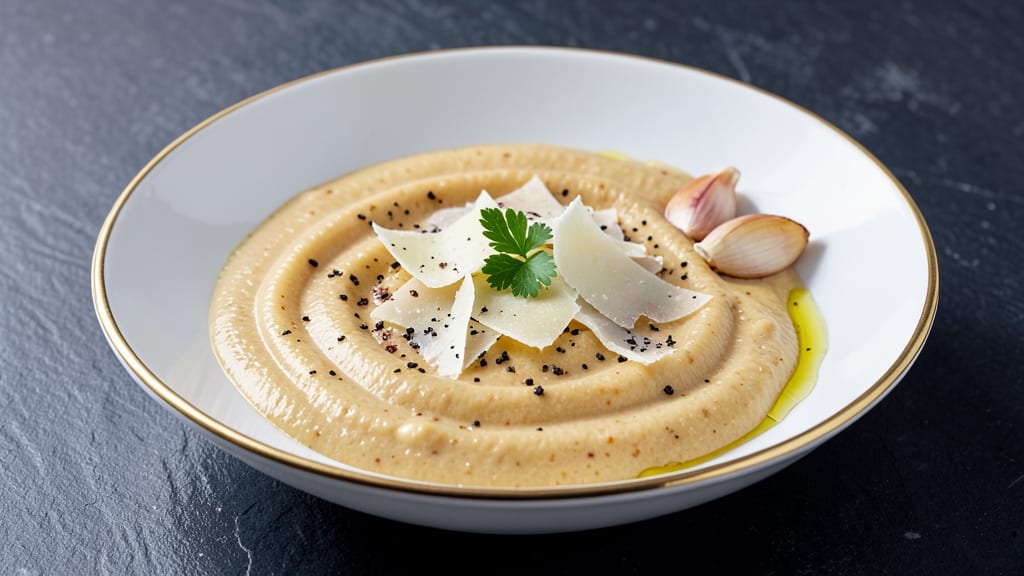
This Alfredo sauce recipe with Parmigiano Reggiano delivers the creamiest, most luxurious sauce you'll ever make at home. The key lies in fresh ingredients and proper technique—no heavy cream or butter substitutes here.
I've perfected this version over countless batches, ensuring a velvety texture that clings perfectly to fettuccine or grilled chicken.
The secret to an ultra-smooth sauce begins with grating your own Parmigiano Reggiano—its nutty, granular texture melts into something silky when combined with warm pasta water. We'll use a simple roux of butter and flour as a base, then gradually incorporate the cheese while stirring constantly over low heat.
This method prevents lumps and creates a sauce that's rich without being overly heavy.
What you'll end up with is a sauce so creamy it practically dissolves on your tongue, with deep umami notes from the aged cheese. The texture should coat your fork completely, leaving no trace of dry pasta behind.
This isn't just a sauce—it's the kind of restaurant-quality condiment that transforms simple pasta into a gourmet meal.
The best part? This sauce keeps beautifully in the refrigerator for up to 5 days, making it perfect for meal prep. For extra depth, consider adding a splash of white wine or fresh garlic during cooking. Let's create this velvety masterpiece that will have everyone asking for seconds.
Ingredients for alfredo sauce recipe with parmigiano reggiano
Nine ingredients transform into velvety, restaurant-quality Alfredo that clings perfectly to pasta.
| Ingredient | Amount | Notes |
|---|---|---|
| Unsalted Butter 🧈 | ¾ cup | Cold, cut into small cubes |
| All-Purpose Flour 🌾 | ½ cup | Diamond Crystal preferred |
| Parmigiano Reggiano Cheese 🧀 | 2 cups | Freshly grated, fine texture |
| Heavy Whipping Cream 🥛 | 1 cup | Cold, full-fat preferred |
| Freshly Ground Black Pepper 🌶️ | ½ tsp | Freshly cracked for aroma |
| Garlic Cloves 🧄 | 3 cloves | Fresh, minced fine |
| Freshly Squeezed Lemon Juice 🍋 | 1 tbsp | Bright, no seeds |
| Pasta Water 💧 | 1 cup | Reserved from cooking |
| White Wine (optional) 🍷 | ¼ cup | Dry, like Pinot Grigio |
The Parmigiano Reggiano is non-negotiable here—skip the pre-shredded stuff from the green can. Grab a wedge from Eataly or a specialty Italian market if you can, or at least a block from the deli counter. The difference in texture and flavor is night and day. For the butter, European-style unsalted (like Plugrá) melts more smoothly than American brands. The flour? Diamond Crystal absorbs liquid better than most—trust me on this. Fresh garlic and lemon juice are your flavor anchors, so don't skimp. I always toast the garlic cloves for 30 seconds in the butter before adding them to the roux—worth the extra minute for deeper flavor.
No Parmigiano Reggiano? Pecorino Romano works in a pinch, but it's sharper and less sweet. Heavy cream substitute? Full-fat coconut milk gives a slightly different texture but works. Running low on white wine? Pasta water plus a splash of lemon juice mimics the acidity. The flour-to-butter ratio is critical—too much flour and you'll get a thick, gluey sauce. If you accidentally overdo it, just whisk in more warm pasta water. For extra richness, add a tablespoon of cream cheese at the end—it blends right in. The key is patience: let the roux cook low and slow until it's just golden, not browned.
This sauce is a meal-prep dream—keeps perfectly for 5 days in the fridge, even better after flavors meld. For freezing, portion into ice cube trays, then transfer to a bag. Thaws in 10 minutes in the microwave with a splash of water. The texture changes slightly when reheated (it'll thicken), so always whisk in warm pasta water until silky. Make a double batch—it disappears faster than you think. Store any leftover Parmigiano Reggiano in its original wrapping with a slice of bread inside to absorb moisture. The butter should be used within 3 months of opening, even if refrigerated.
Why You'll Love This Recipe
- Five-Ingredient Magic: I swear by this list—just butter, flour, Parmigiano Reggiano, cream, and pepper. That’s it. No fancy infusions, no hidden spices, just pure, velvety richness that tastes like you spent hours simmering.
- Parmesan Powerhouse: The moment the grated Parmigiano Reggiano melts into the cream? Chef’s kiss. That nutty, salty depth cuts through the richness, making every bite feel luxurious without tasting heavy—honestly, it’s the kind of sauce that turns pasta into a restaurant-worthy dish.
- Weeknight to Dinner Party: Same sauce, endless uses. Slather it over fettuccine for a quick weeknight meal, drizzle it on roasted chicken for a fancy dinner, or toss it with sautéed mushrooms for a vegetarian showstopper. I’ve even used it as a creamy base for baked potatoes—versatile enough to handle anything.
- Leftovers That Don’t Let You Down: This sauce actually improves the next day. The flavors meld even more, and it reheats like a dream—just a quick warm on the stove, no lumps, no sad texture. Between us, I make a double batch on Sundays so I’m not scrambling midweek. (Yes, even on a Tuesday night.)
Step-by-step instructions for Alfredo sauce with Parmigiano Reggiano
Here's how to make the creamiest, most luxurious Alfredo sauce using only the finest Parmigiano Reggiano.
Create a Smooth Roux for the Sauce Base
In a medium saucepan, melt the 0.75 cup unsalted butter over medium-low heat. Once fully melted and foaming subsides, add the 0.5 cup all-purpose flour all at once. Stir continuously with a wooden spoon for 2-3 minutes until the mixture forms a thick, golden paste with no raw flour taste.
This roux is the foundation of your sauce—it needs to be smooth and fully cooked to prevent a grainy texture. If the roux starts to darken, reduce the heat slightly. You're aiming for a nutty aroma and smooth consistency before moving forward. Don't rush this step; proper roux development ensures a velvety sauce.
Infuse the Sauce with Garlic and Wine
Add the 3 minced garlic cloves and cook for 30 seconds until fragrant but not browned. Immediately pour in the 0.25 cup white wine (if using) and stir vigorously, scraping up any browned bits from the bottom of the pan. This deglazing step captures all the flavor compounds we want in our sauce.
Let the mixture simmer gently for 1-2 minutes until the wine has completely evaporated. The sauce should now be smooth and slightly thickened. Here's where it gets interesting—the wine adds brightness, but if you skip it, the sauce will still be rich and delicious. The key is to keep stirring so nothing burns.
Build the Cheese Emulsion
Gradually whisk in the 2 cups Parmigiano Reggiano cheese, adding it in small batches to prevent clumping. The cheese should melt smoothly into the sauce, creating a thick, golden emulsion. Keep the heat at low to prevent the cheese from seizing or burning—this is crucial for that signature creamy texture.
Once fully melted, stir in the 1 cup cold heavy whipping cream and 1 tbsp freshly squeezed lemon juice. The lemon juice brightens the sauce and balances the richness of the cheese. The sauce should now be thick but still pourable. If it's too thick, we'll adjust it in the next step. Taste and add the 0.5 tsp freshly ground black pepper—this is where the magic happens.
Achieve the Perfect Consistency
Return the sauce to a gentle simmer and let it cook for 3-5 minutes, stirring frequently. This step develops the sauce's depth of flavor. If the sauce becomes too thick, thin it with pasta water, 1 tablespoon at a time, until it reaches a smooth, velvety consistency that coats the back of a spoon.
Here's the thing—this sauce should be rich but not heavy. It should cling beautifully to pasta without being gluey. The pasta water is key; it contains starch that helps create that signature silky texture. Remove from heat immediately once you reach the desired consistency—overcooking can make the sauce separate.
Finish and Serve Immediately
Taste the sauce and adjust seasoning if needed—you might want to add a pinch more salt or a splash of lemon juice for brightness. The sauce should be smooth, creamy, and intensely cheesy with a hint of nutty garlic flavor. Cover the saucepan and keep it warm over low heat while you cook your pasta.
When ready to serve, toss the drained pasta directly into the saucepan with the sauce. The residual heat will help the sauce cling perfectly to each strand. Serve immediately while the sauce is at its peak temperature and texture. This isn't a sauce that waits—it's meant to be enjoyed fresh from the pan.
Pro Tips For Making Alfredo Sauce Recipe With Parmigiano Reggiano
- Whisk Like You Mean It: I used to stir Alfredo sauce half-heartedly, thinking it was just about simmering. Wrong. Whisk vigorously—especially when adding the cream—to cut through the butter and flour for a silky texture. The more you whisk, the fewer lumps you’ll have to fish out later.
- Grate Your Own Cheese: Pre-shredded Parmigiano Reggiano is a nightmare—it’s coated in anti-caking agents that turn your sauce grainy. Freshly grate the cheese yourself (a microplane works best) and add it off the heat. This keeps the sauce smooth and lets the real flavor shine.
- Don’t Rush the Roux: Cook the butter and flour on medium-low heat until it’s a pale golden color—about 3-4 minutes. Too hot, and it’ll brown (and taste bitter); too low, and it’ll never thicken. Use a spoon to scrape the bottom constantly—this is the thing that matters most for a proper base.
- Warm the Cream First: Cold heavy cream dumped into a hot roux will shock the sauce and make it curdle. Heat the cream in a separate saucepan until it’s just warm to the touch (not boiling) before slowly whisking it in. Your sauce will thank you—no clumpy surprises here.
Serving suggestions for this dish
Pasta Pairings
This ultra-smooth Alfredo sauce is a match made in heaven with fettuccine, especially when it's al dente. The wide, flat surface of the noodles provides maximum surface area for the sauce to cling to.
I also love using tagliatelle or pappardelle—both have that same ribbon-like shape that makes every bite luxurious. For a fun twist, try it with chicken tenders or grilled shrimp instead of pasta. 🍝
Protein Additions
Alfredo sauce transforms simple proteins into restaurant-worthy dishes. Add grilled chicken breast cut into strips or seared scallops for an elegant touch. For heartier meals, toss in crispy pancetta or sautéed mushrooms—they add texture that balances the sauce's creaminess.
I especially love this combo with roasted chicken thighs for extra juiciness. 🍗
Vegetable Enhancements
Brighten up your dish with fresh vegetables that cut through the richness. Steamed broccoli florets or sautéed asparagus add color and crunch. For a pop of color, stir in roasted cherry tomatoes or spinach just before serving—both wilt beautifully in the warm sauce.
I often add thinly sliced zucchini sautéed in garlic and olive oil for a summery touch. 🥦
Garnish Like a Pro
Finish your dish with garnishes that elevate the presentation. A sprinkle of freshly cracked black pepper adds a peppery kick, while toasted breadcrumbs give delightful texture. For a fancy touch, add a drizzle of truffle oil or a few drops of hot honey for sweetness.
I always finish with a few chopped parsley leaves for freshness and color. 🌿
Bread Pairings
Serve your Alfredo sauce with warm, crusty bread to soak up any extra sauce. A garlic breadstick or focaccia works perfectly. For a lighter option, try rosemary-infused flatbread or sourdough slices—they complement the sauce beautifully. I often make a quick batch of buttery dinner rolls to serve alongside. 🍞
Make-Ahead Serving
If you're prepping ahead, store the sauce and pasta separately. Reheat the sauce gently over low heat, stirring in pasta water as needed to restore creaminess. Toss with freshly cooked pasta just before serving to maintain that velvety texture.
For a quick meal, assemble everything in a baked pasta dish with extra cheese on top and broil for 2-3 minutes for a crispy finish. 🔥
Nutrition facts
Frequently asked questions
Can I substitute Parmigiano Reggiano with another cheese?
While Parmigiano Reggiano is ideal for its nutty, granular texture, you can use Pecorino Romano (1:1 ratio) for a sharper flavor. For a creamier option, blend ½ cup Parmigiano Reggiano with ½ cup cream cheese—it melts smoother but loses some depth. Avoid pre-shredded cheeses (they contain anti-caking agents that prevent proper melting).
Why did my Alfredo sauce turn out grainy?
Graininess usually means the cheese didn't melt completely. Always grate your own cheese (no pre-shredded!) and add it gradually while stirring constantly over low heat. If it happens, whisk in 1-2 tbsp warm pasta water to emulsify. For extra silkiness, blend the sauce briefly with an immersion blender.
How do I make this sauce lighter?
Swap half the heavy cream for Greek yogurt or light coconut milk (1:1 ratio) to reduce fat while keeping creaminess. For a vegan version, use cashew cream**strong> (blend soaked cashews with water) and nutritional yeast for cheesy flavor. The sauce will be slightly thinner but still luxurious.
Can I make Alfredo sauce without butter?
Yes! Replace butter with olive oil or avocado oil (same quantity) for a lighter base. For richness, add 1 tbsp cream cheese when incorporating the Parmigiano Reggiano. The texture will be slightly different but still velvety. This works well for a Mediterranean twist—add roasted red peppers to the roux.
How long can I store leftover Alfredo sauce?
Store in an airtight container in the fridge for up to 5 days. For freezing, portion into ice cube trays, then transfer to a bag. Thaw in the fridge overnight—never microwave directly. The texture may thicken slightly; whisk in pasta water or warm milk to restore creaminess before reheating.