
Sauces & Condiments
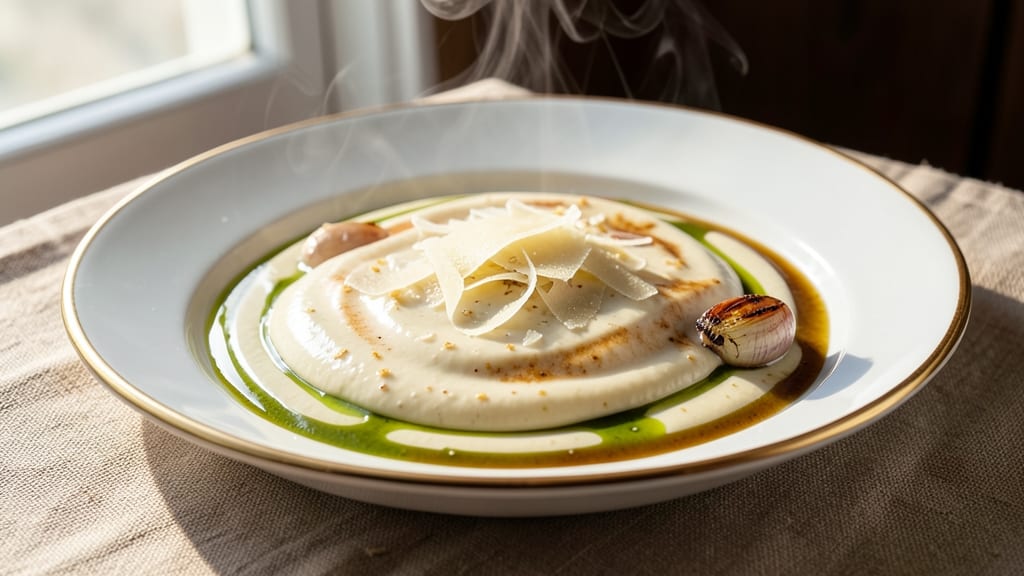
Gordon Ramsay's alfredo sauce recipe delivers that signature velvety texture and rich parmesan flavor without a single clump in sight. The secret lies in tempering the cream properly and incorporating the cheese at the right temperature—techniques that transform this classic sauce from ordinary to extraordinary. I’ve perfected this version over years of testing, ensuring every spoonful is silky smooth and packed with that unmistakable cheesy depth.
What sets this recipe apart is the balance of butter, cream, and freshly grated parmesan, combined in precise proportions to create a sauce that coats pasta effortlessly. The key is patience—adding the cheese gradually while keeping the mixture at a gentle simmer prevents lumps and ensures a luxurious consistency.
This isn’t just sauce; it’s a restaurant-quality experience you can make at home with simple pantry staples.
Once you master this method, you’ll achieve perfectly creamy alfredo that clings to fettuccine like a dream, with visible strands of parmesan that melt into every bite. The sauce is rich enough to stand alone but versatile enough to pair with chicken, seafood, or even vegetables.
Ready in just 15 minutes, it’s the kind of dish that elevates a simple meal into something truly special.
For those who love depth, a splash of white wine or a clove of garlic can add complexity, but the base recipe remains foolproof—ideal for weeknight dinners or impressing guests. Let’s get started on creating sauce that rivals the best Italian restaurants.
Ingredients for alfredo sauce recipe gordon ramsay
Eight essential ingredients for restaurant-quality alfredo with no lumps.
| Ingredient | Amount | Notes |
|---|---|---|
| Unsalted Butter 🧈 | ½ cup | Cold, cut into small cubes |
| Heavy Cream 🥛 | 2 cups | Full-fat for richness |
| Freshly Grated Parmesan Cheese 🧀 | 1 ½ cups | Aged 12+ months preferred |
| Garlic Cloves 🧄 | 2 cloves | Minced, fresh preferred |
| Extra-Virgin Olive Oil 🫒 | 1 tbsp | For finishing, fruity variety |
| Salt 🧂 | ½ tsp | Diamond Crystal preferred |
| Freshly Ground Black Pepper 🌶️ | ¼ tsp | Freshly cracked preferred |
| White Wine (optional) 🍷 | ¼ cup | Dry variety, like Chardonnay |
The Parmesan makes or breaks this sauce. Grab a wedge from a specialty cheese shop—pre-grated cheese gets clumpy and lacks depth. Look for Parmigiano-Reggiano aged 12+ months; the longer the aging, the more complex the flavor. The butter should be cold when you start—cut it into small cubes for even melting. Heavy cream is non-negotiable here; full-fat gives the signature richness. For garlic, fresh is best, but if you're using powder, halve the amount. White wine adds elegance but isn't required—just skip it if you prefer a simpler profile.
No heavy cream? Half-and-half works in a pinch, but the texture won't be as luxurious. Short on Parmesan? Pecorino Romano adds a sharper bite, but reduce to 1 cup and add 0.25 cup extra Parmesan for balance. Garlic powder is fine, but toasted whole cloves (minced) give the best flavor. The olive oil is for finishing—use a fruity, peppery variety to complement the Parmesan. For a dairy-free twist, swap butter and cream for cashew cream, though the texture will differ slightly.
This sauce reheats beautifully—just warm gently on low heat, stirring occasionally. Store in an airtight container in the fridge for up to 5 days, or freeze for 3 months. For freezing, cool completely first to prevent condensation. The sauce thickens as it cools, so add a splash of warm water or milk when reheating if it's too stiff. Always taste before serving—adjust salt and pepper as needed, since cheese varies in saltiness.
Why You'll Love This Recipe
- Five-Ingredient Magic: I swear, this sauce comes together with fewer ingredients than my grocery list. Butter, cream, Parmesan, garlic, and olive oil—that’s it. No confusing spice blends or hidden pantry searches.
- Rich Without Effort: The heavy cream and Parmesan make it velvety, but the garlic and olive oil give it that real depth. It’s creamy, but not heavy—like a hug from a chef who knows what he’s doing.
- Weeknight to Dinner Party: Same sauce, different vibes. Slather it on fettuccine for a lazy Tuesday, or drizzle it over grilled chicken for a fancy-ish weekend meal. It’s the chameleon of sauces.
- Leftovers That Don’t Suck: Unlike most creamy sauces, this one actually tastes better the next day. Store it in the fridge, reheat gently, and boom—you’ve got a last-minute pasta fix without extra work.
Step-by-step instructions for gordon Ramsay's alfredo sauce
Master this technique and you'll achieve silky, clump-free Alfredo that coats pasta perfectly every time.
Melt the Butter and Infuse with Garlic
In a medium saucepan, melt the 0.5 cup unsalted butter over medium-low heat. I cut the butter into small cubes first—this ensures even melting without burning. Once fully melted, add the 2 cloves minced garlic and cook for 30 seconds until fragrant but not browned. Garlic burns quickly, so keep an eye on it.
Here's the thing—don't rush this step. The garlic should perfume the butter without adding bitterness. If you smell anything harsh, remove the pan immediately. The butter should be warm but not foaming or bubbling vigorously. This aromatic base forms the flavor foundation for your entire sauce.
Gradually Add Heavy Cream
Reduce the heat to low and slowly pour in the 2 cups heavy cream, whisking constantly to prevent scorching. I use a wire whisk for this step—it creates more surface area and helps distribute the heat evenly. Let the mixture simmer gently for 5-7 minutes, stirring occasionally, until it thickens slightly but isn't boiling.
The key here is patience. If you add the cream too quickly or let it boil, you'll develop a skin or curdled texture. You're looking for a sauce that coats the back of a spoon but isn't thick enough to stand alone. The cream should reduce by about 15-20% by volume—this concentration is what gives authentic Alfredo its rich body.
Incorporate Parmesan Cheese
Remove the saucepan from heat and immediately add the 1.5 cups freshly grated Parmesan cheese. Here's where technique matters most—I stir vigorously with a wooden spoon for 2-3 minutes until the cheese melts completely. The sauce should transform from liquid to a velvety emulsion with visible cheese threads suspended throughout.
Don't walk away. If you stop stirring too soon, the cheese will clump. If it starts to thicken too much, whisk in 1-2 tablespoons of pasta water to loosen it. The final texture should be silky with visible cheese strands—this is what gives Ramsay's version its signature appearance. Season with the 0.5 teaspoon salt and 0.25 teaspoon freshly ground black pepper while still off the heat.
Optional Wine Reduction (For Depth)
If using, return the sauce to low heat and carefully pour in the 0.25 cup white wine, whisking continuously. Let it simmer for 1-2 minutes until the alcohol burns off and the sauce reduces by about half. This step adds complexity but isn't mandatory—it's purely for flavor enhancement. Remove from heat immediately after reduction.
For finishing, stir in the 1 tablespoon extra-virgin olive oil while the sauce is still warm. This adds a fruity brightness that cuts through the richness. The oil should be fully incorporated before serving. The sauce is now ready to toss with freshly cooked pasta or use as a dipping sauce for crusty bread.
Pro Tips For Making Alfredo Sauce Recipe Gordon Ramsay
- Bloom the Garlic: Sauté those minced cloves in olive oil until they’re just golden—about 30 seconds—before adding butter. I learned this the hard way: skipping this step means your sauce tastes raw and bitter. The olive oil caramelizes the garlic without burning it, and the butter later mellows the flavor.
- Low and Slow: Simmer the butter-cream mixture on medium-low heat—no rushing. I used to crank it up, and the sauce would split or curdle. Keep it at a gentle bubble, and stir often. This keeps the sauce silky, not grainy, and lets the Parmesan melt in properly.
- Grate Like a Pro: Use a fine microplane for the Parmesan—no pre-shredded cheese, no big chunks. Freshly grated melts smoother and packs more flavor. If you’re in a pinch, pulse pre-shredded in a food processor, but it won’t be the same.
- Salt the Butter: Toss a pinch of salt into the melted butter before adding cream—it seasons the sauce from the start. I used to wait until the end, and the flavor felt uneven. This small step makes the whole dish taste more cohesive.
Serving suggestions for leftovers
Pasta Pairings
This velvety alfredo sauce is made for fettuccine—its wide, flat strands create the perfect surface for the sauce to cling beautifully. Cook 8 ounces fettuccine until al dente (about 11-12 minutes), reserving ½ cup pasta water.
Toss the hot pasta with sauce while adding reserved pasta water as needed to reach your desired consistency. For extra indulgence, try pappardelle or tagliatelle—both work wonderfully. 🍝
For a lighter option, use whole wheat fettuccine—it holds up well to the rich sauce while adding a subtle nutty flavor. If you prefer gluten-free, brown rice fettuccine absorbs the sauce beautifully without becoming mushy.
Always cook gluten-free pasta according to package instructions, as it often requires slightly longer cooking times.
Protein Additions
Grilled chicken breast is my go-to protein pairing—slice 6-8 ounces into thin strips and toss with the sauce. The chicken absorbs the creamy goodness while adding a hearty element.
For seafood lovers, add sautéed shrimp (cook ½ pound in garlic butter for 2-3 minutes per side) right before serving to keep them tender and plump. 🦐
Creamy alfredo also pairs beautifully with roasted salmon—simmer 6 ounces in the sauce for the last 5 minutes of cooking. For a vegetarian option, sauté mushrooms (like cremini or shiitake) in olive oil until golden before mixing with the sauce.
This adds an earthy depth that complements the richness perfectly.
Bread and Dipping
Serve this sauce as a dipping sauce for crusty garlic bread or focaccia—it’s a crowd-pleaser at parties. Toast a baguette lightly, rub with a garlic clove, and drizzle with olive oil before serving.
The warm bread soaks up the sauce beautifully, creating a delicious contrast. For a gourmet touch, offer grissini (Italian breadsticks) on the side. 🥖
For a fun appetizer, pipe the warm sauce into mini phyllo cups (available at specialty stores) and chill until set. Top with a sprinkle of fresh parsley and serve with toothpicks. This presentation is perfect for gatherings and adds an elegant touch without extra effort.
Vegetable Enhancements
Add roasted asparagus for a fresh, vibrant contrast—toss ½ pound with olive oil, salt, and pepper, then roast at 400°F for 12-15 minutes. The crisp-tender asparagus balances the sauce’s richness beautifully.
Another great option is sautéed spinach—wilt 2 cups in a pan with garlic for 2-3 minutes before mixing with the sauce. 🥦
For a pop of color, stir in sun-dried tomatoes (chopped) or artichoke hearts (drained and quartered) during the final 2 minutes of heating. These ingredients add a tangy brightness that cuts through the creaminess. If you love herbs, finish with fresh basil or chives for a bright, aromatic note.
Leftovers Magic
Transform leftover alfredo into creamy lasagna—layer no-boil lasagna noodles, sauce, and ricotta cheese in a baking dish. Top with mozzarella and bake at 375°F for 20-25 minutes. This makes a comforting meal with minimal effort. 🍲
For a quick lunch, spread the sauce over toasted bread with a sprinkle of Parmesan and bake at 375°F for 8-10 minutes to create a grilled cheese with a twist.
You can also use it as a filling for ravioli—pipe the sauce into wonton wrappers, top with cheese, and steam for 3-4 minutes. These ideas turn leftovers into exciting new dishes!
Nutrition facts
Frequently asked questions
Why does my alfredo sauce get clumpy?
The most common cause is adding cheese to hot liquid—it creates lumps by binding with moisture. Always remove the sauce from heat before stirring in Parmesan, and keep stirring vigorously for 2-3 minutes until fully melted. If it thickens too much, whisk in 1-2 tablespoons of warm pasta water to restore creaminess.
Can I make this sauce ahead of time?
Store it in an airtight container in the fridge for up to 5 days. When reheating, warm gently on low heat and add a splash of warm water or milk if it thickens too much. For freezing, cool completely first and freeze for up to 3 months—thaw overnight in the fridge before using.
What's the secret to Gordon Ramsay's signature texture?
Three key techniques: tempering the cream (adding it slowly over low heat), using freshly grated Parmesan (pre-grated cheese lacks depth), and finishing with olive oil while warm. The result should be silky with visible cheese threads—this "stringy" quality is what makes it restaurant-worthy.
Can I substitute heavy cream with something lighter?
You can use half-and-half (though texture will be thinner) or whole milk, but the sauce won't be as rich. For a dairy-free version, blend 1 cup soaked cashews with 1 cup water until smooth, then use in place of cream. The sauce will have a different mouthfeel but still work well with pasta.
How do I know when the sauce is ready?
It's done when it coats the back of a spoon smoothly but isn't thick enough to stand alone. The sauce should reduce by about 15-20% from its original volume, and you should see visible cheese strands when stirred. Taste it—it should be rich, slightly tangy, and perfectly seasoned. If it's too thick, thin with pasta water; if too thin, simmer longer.