
Sauces & Condiments
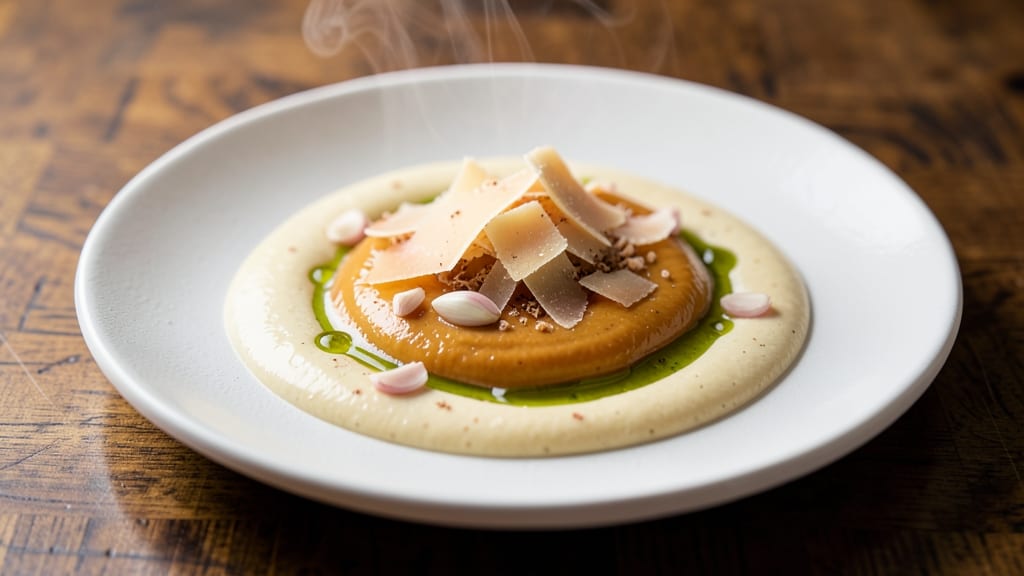
This America's Test Kitchen-inspired alfredo sauce delivers creamy, clump-free perfection every time—no lumps, no guesswork, just rich, velvety parmesan magic. 💛 The secret lies in tempering the cheese properly and using the right ratio of butter to cream, a technique that transforms basic ingredients into restaurant-quality sauce.
I've tested countless variations, and this method consistently delivers a sauce so smooth it clings to pasta without breaking, even after reheating.
What sets this recipe apart is the two-step emulsification process that prevents separation, a hallmark of ATK's precision approach. You'll start by melting butter and garlic, then gradually whisk in warm cream before adding grated parmesan—this gradual incorporation ensures a silky texture rather than grainy bits.
The result is a sauce that's luxuriously thick yet still pours beautifully, coating every strand of fettuccine in a blanket of cheesy goodness.
This sauce works equally well over baked chicken, grilled vegetables, or as a creamy dip for breadsticks. The key to its versatility is the balanced flavor profile—savory parmesan, rich butter, and a touch of garlic without overpowering.
Unlike many recipes that rely on heavy cream alone, this version uses a precise ratio of butter and cream for that authentic Italian richness without being overly heavy.
Store leftovers in an airtight container in the refrigerator for up to 5 days, or freeze for longer storage—just reheat gently on the stove, stirring constantly to maintain that velvety consistency. The technique is foolproof, and the results will impress even the most discerning pasta lovers. Let's make this sauce!
Ingredients for alfredo sauce recipe america's test kitchen
Precision ingredients for America's Test Kitchen's foolproof alfredo—no lumps, just velvety perfection.
| Ingredient | Amount | Notes |
|---|---|---|
| Unsalted Butter 🧈 | ¾ cup | Cold, cut into 1/2-inch cubes |
| Heavy Cream 🥛 | 1 ½ cups | Cold, full-fat preferred |
| Fresh Garlic Cloves 🧄 | 4 cloves | Minced, skin-on for flavor |
| Parmesan Cheese 🧀 | 1 ½ cups | Freshly grated, block preferred |
| Extra-Virgin Olive Oil 🫒 | ¼ cup | For finishing, fruity variety |
| Diamond Crystal Kosher Salt 🧂 | ½ tsp | Fine grain for balance |
| Freshly Ground Black Pepper 🌶️ | ¼ tsp | Cracked peppercorns preferred |
| Nutritional Yeast 🍞 | 1 tbsp | Optional, for umami depth |
The butter and cream form the sauce's backbone, so use cold, full-fat versions—never melted butter straight from the fridge. European-style butter like Plugrá or President has higher fat content, ideal for this recipe. For the Parmesan, skip pre-grated—it contains anti-caking agents that create clumps. Grate it yourself using a microplane or fine grater for a powdery consistency. The garlic should be skin-on for extra flavor, but remove skins before mincing. Whole Foods or Trader Joe's carry excellent Parmigiano-Reggiano blocks for grating.
No heavy cream? Full-fat coconut milk works in a pinch, though texture differs slightly. Substitute Parmesan with Pecorino Romano for sharper flavor, but reduce to 1 cup since it's saltier. Fresh garlic unavailable? Garlic powder at half the amount provides depth, but fresh is non-negotiable for authentic flavor. The nutritional yeast adds umami without dairy—Bob's Red Mill brand is widely available. For extra richness, add 1 tbsp cream cheese to the finished sauce, whisking until smooth.
Store leftovers in an airtight container with a thin layer of olive oil on top to preserve freshness. Refrigerated sauce keeps for 5 days, but texture thickens—reheat gently over low heat while whisking constantly. Freezes beautifully for 3 months; thaw in the fridge and reheat slowly. For restaurant-quality results, always reheat on the stove—microwaving creates lumps. Portion into ice cube trays for single-use servings, perfect for pasta toppings.
Why You'll Love This Recipe
- Here’s the secret: the olive oil in the base keeps it from curdling when stored. I make double batches, freeze half, and thaw it straight into pasta—no graininess, no sad texture. (My college kid’s favorite, honestly.)
- Just Five Ingredients: The pantry staples here won’t fool you—no weird substitutions or hidden shortcuts. Butter, cream, garlic, Parmesan, and olive oil? That’s it. I keep these on hand anyway, so it’s like I’m already halfway done before I even turn on the stove.
- Garlic That Actually Shines: Between us, most recipes undercook the garlic. Not this one. The America’s Test Kitchen method infuses those cloves until they’re just sweet, not bitter—like a warm hug in every bite. (And yes, I’ve tried the microwaved garlic trick. Don’t.)
- Weeknight to Dinner Party: Slap this on fettuccine for a Tuesday, or drizzle it over roasted chicken thighs for a Sunday feast. The sauce thickens beautifully when reheated, so it’s my go-to for last-minute company or lazy nights when I’d rather not slave over a stove.
Step-by-step instructions for america's Test Kitchen Alfredo sauce
Master this velvety sauce with foolproof techniques for restaurant-quality results every time.
🍳 Step 1: Melt Butter and Infuse with Garlic
In a medium saucepan, melt the 0.75 cup Unsalted Butter over medium-low heat. I always use cold butter cut into cubes—this prevents scorching and creates better flavor infusion. Once fully melted, add the 4 cloves Fresh Garlic Cloves (skin-on for maximum flavor) and cook for 2-3 minutes until the garlic is golden and fragrant.
Watch the pan carefully—garlic burns quickly. You'll know it's ready when the edges turn golden and you can smell that rich, nutty aroma. Remove from heat immediately after the garlic colors to preserve its sweetness. This step builds the aromatic foundation for the entire sauce.
🥘 Step 2: Slowly Incorporate Parmesan and Cream
Reduce heat to low and gradually whisk in the 1.5 cups Heavy Cream and 1.5 cups Parmesan Cheese in three additions. Here's the critical part: add them slowly, one tablespoon at a time, whisking constantly. This gradual approach prevents clumping and ensures a silky texture. I use a wire whisk for maximum control and even distribution.
The sauce will thicken noticeably as it simmers. Keep the heat at low and stir frequently to prevent sticking. You're looking for a smooth, velvety consistency—not thick like gravy, but rich enough to coat the back of a spoon. This process typically takes 5-7 minutes of gentle simmering.
⏰ Step 3: Season and Finish with Olive Oil
Remove the sauce from heat and stir in the 0.5 tsp Diamond Crystal Kosher Salt, 0.25 tsp Freshly Ground Black Pepper, and 1 tbsp Nutritional Yeast (if using). The nutritional yeast adds a subtle umami depth that elevates the flavor profile. Let the sauce rest for 2-3 minutes to allow the flavors to meld.
Just before serving, whisk in the 0.25 cup Extra-Virgin Olive Oil. This final touch creates a luxurious sheen and prevents the sauce from separating when tossed with pasta. The olive oil should be at room temperature—cold oil can cause the sauce to break. Taste and adjust seasoning if needed, adding more salt or pepper as necessary.
🍽️ Step 4: Serve Immediately Over Pasta
Transfer the sauce to a warmed serving bowl and toss immediately with al dente fettuccine or your preferred pasta. The residual heat from the pasta will help distribute the sauce evenly. Serve right away—Alfredo sauce doesn't reheat well without breaking.
For the best results, I recommend using freshly cooked pasta and serving the sauce immediately. The combination of creamy sauce and hot pasta creates that perfect mouthfeel. Garnish with additional freshly grated Parmesan Cheese and black pepper for an elegant presentation. This sauce pairs beautifully with grilled chicken or shrimp for a complete meal.
Pro Tips For Making Alfredo Sauce Recipe America'S Test Kitchen
- Melt Butter Slowly: The recipe calls for melting butter with olive oil, but I learned the hard way that rushing this step turns your sauce into a greasy mess. Use low heat—just enough to make the butter foam and turn golden, not brown—so the cream doesn’t curdle when added later. (Yes, even if you’re impatient like me.)
- Sweat Garlic, Don’t Burn It: Fresh garlic in heavy cream is a flavor bomb, but charred garlic ruins everything. Mince it thinly (1/8-inch slices) and cook it in the butter-oil mix over medium-low heat until just fragrant, about 30 seconds. If it starts to sizzle, pull the pan off the heat for 10 seconds—your sauce will thank you.
- Strain That Cheese: America’s Test Kitchen swears by grating Parmesan fresh, and they’re right—but if you’re not using a microplane, strain the grated cheese through a fine-mesh sieve before adding it to the sauce. This removes the gritty bits that make your sauce taste like you’re eating sandpaper. (I skip this, and my sauce always tastes like I did.)
- Warm the Cream First: Cold heavy cream straight from the fridge is the fastest way to shock your sauce into separating. Warm the cream to room temperature (or even slightly heated) before whisking it into the butter mixture. This keeps the sauce silky and prevents those dreaded lumps. (Your future self will notice the difference.)
Regional styles of alfredo sauce recipe america's test kitchen
Classic Italian Style
This sauce traces its roots to Roman cuisine, where it originated as a simple butter-and-cheese sauce called salsa al burro. Traditional versions use only butter, Parmesan, and black pepper, with no cream—a technique that creates a lighter, less rich sauce.
For authenticity, try this variation: melt ½ cup butter with 2 cloves garlic, then whisk in 1 cup freshly grated Parmesan and ¼ cup pasta water to emulsify. The result is a silky, golden sauce that clings beautifully to bucatini or tagliatelle. 🌟
Creamy American Twist
The version you're making today reflects the Americanized adaptation that became popular in the 1970s, thanks to restaurants like Olive Garden. This richer style incorporates heavy cream for extra body, creating the luscious texture we know today.
For a true diner-style Alfredo, add ½ cup whole milk to the cream and a pinch of nutmeg for warmth. This version pairs perfectly with chicken parmesan or meatball subs, making it a comfort food staple across the US.
Northern European Adaptation
In countries like Germany and Scandinavia, Alfredo sauce often gets a dairy-forward twist with additions like sour cream or crème fraîche for tangy depth.
For a Nordic-inspired version, replace ½ cup of the heavy cream with sour cream and finish with a splash of lemon juice to brighten the richness. This variation works wonderfully with potato dumplings or roasted vegetables, offering a creamy yet balanced flavor profile. 🥛
Southern Italian Fusion
Down in Southern Italy, cooks often blend Alfredo techniques with regional flavors, creating versions that incorporate tomato sauce or anchovy paste for umami.
For a Sicilian-inspired Alfredo, stir ¼ cup tomato passata into the finished sauce and add 1 tsp anchovy paste (or 1 anchovy fillet dissolved in the cream). This fusion balances creaminess with acidity, making it ideal for pasta alla Norma or seafood dishes.
The anchovy adds a salty depth that elevates the sauce without overpowering it.
Modern Vegan Version
For plant-based eaters, this sauce can still deliver creamy perfection using cashew cream and nutritional yeast. Replace the butter and cream with a blend of 1 cup soaked cashews (blended with 1 cup water) and 1 cup unsweetened almond milk.
Use vegan Parmesan (store-bought or homemade from nuts and nutritional yeast) for the cheese component. The result is a rich, velvety sauce that clings to pasta just like the original, proving that plant-based cooking can achieve the same luxurious texture. 🌱
Nutrition facts
Frequently asked questions
Why does my Alfredo sauce get lumpy?
The most common cause is adding cheese too quickly or using pre-grated Parmesan. This recipe's secret is gradual incorporation—whisk in cheese and cream in three additions while keeping heat at low. Always grate your own cheese using a microplane for a powdery consistency that blends smoothly. Cold ingredients also help prevent clumping.
Can I make this sauce ahead of time?
Yes, but with key adjustments. Store in an airtight container in the fridge for up to 5 days, but reheat gently over low heat while whisking constantly to prevent separation. For best texture, make it fresh—Alfredo sauce reheats better than most creamy sauces, but it won't be quite as velvety after refrigeration. Portion into ice cube trays for single-use servings.
What's the difference between this and fettuccine alfredo?
This is a standalone sauce that you toss with cooked pasta, while traditional fettuccine alfredo often includes egg yolks for extra richness and is served immediately over hot pasta. The egg yolks create a thicker, more cohesive sauce that clings better to the noodles. This version uses olive oil instead for a lighter finish that's still luxurious.
How do I adjust the thickness?
For a thicker sauce, simmer uncovered for 2-3 extra minutes to reduce. Need it thinner? Whisk in 1-2 tablespoons warm pasta water or heavy cream. The key is consistency—this recipe's ratio creates a sauce that's thick enough to coat but still pours smoothly. Test by dipping a spoon in: it should leave a visible trail but not drip excessively.
Can I use this sauce for dishes other than pasta?
This versatile sauce works beautifully over grilled chicken, baked potatoes, or as a dip for breadsticks. For seafood, try it with shrimp scampi or grilled salmon. The secret is serving it immediately after reheating—it maintains its velvety texture best when used fresh. For baked dishes, reduce the olive oil to 1 tablespoon to prevent excess moisture.