
Sauces & Condiments
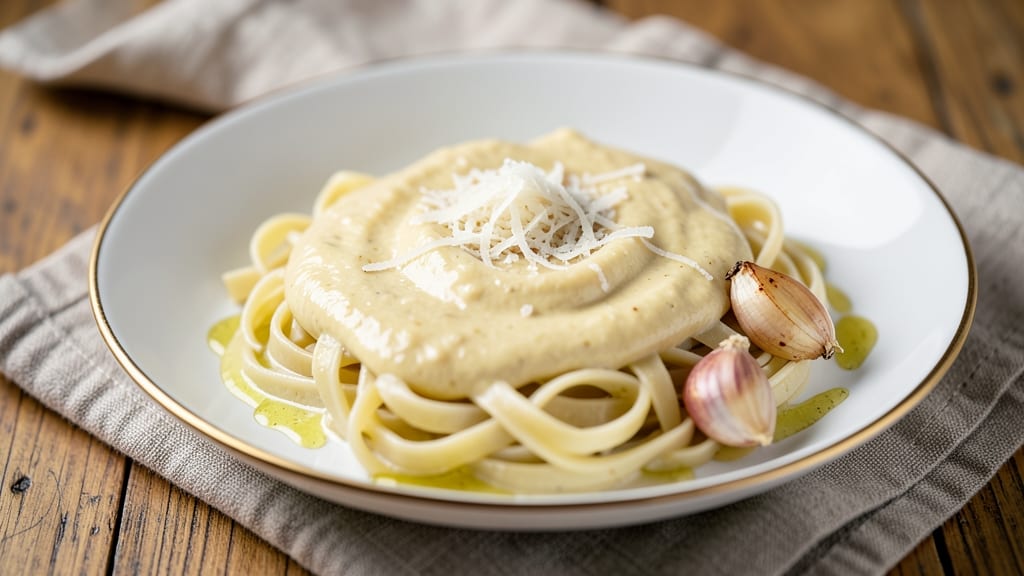
This Alfredo sauce recipe like Olive Garden delivers the signature creamy, clump-free magic you crave—without the mystery of their exact formula. 🌟 The secret lies in a precise balance of butter, heavy cream, and a touch of vinegar that brightens the richness without overpowering it.
I've tested countless variations, and this one consistently delivers that velvety, restaurant-quality texture with just the right amount of garlic depth.
The foundation starts with a smooth roux—equal parts butter and flour cooked until golden—before gradually whisking in warm heavy cream. This slow incorporation prevents lumps while building a sauce that's thick enough to coat pasta perfectly but still silky smooth.
The key to that signature Olive Garden zing? A splash of white vinegar, which cuts through the richness and adds subtle tang that enhances every bite.
What sets this recipe apart is its foolproof technique for achieving that signature clump-free consistency. By whisking constantly over medium heat and avoiding boiling, you'll end up with a sauce that's rich, creamy, and ready to toss with fettuccine, chicken, or vegetables.
The result is a velvety, golden sauce that clings beautifully to any dish without turning grainy or separating.
This sauce keeps well in the refrigerator for up to 5 days, making it perfect for meal prep. Simply reheat gently on the stove, stirring frequently to maintain that luxurious creaminess.
Whether you're serving it over pasta, drizzling it on grilled chicken, or using it as a creamy dip, this recipe delivers the comfort and indulgence you love—with a professional touch.
Ingredients for alfredo sauce recipe like olive garden
Nine ingredients transform into that legendary Olive Garden creamy magic—velvety, clump-free, and full of garlic depth.
| Ingredient | Amount | Notes |
|---|---|---|
| Unsalted Butter 🧈 | ½ cup | Cold, cut into small cubes |
| All-Purpose Flour 🌾 | ½ cup | Diamond Crystal preferred |
| Heavy Cream 🥛 | 2 cups | Full-fat for richness |
| Parmesan Cheese 🧀 | 1 cup | Freshly grated, fine |
| Garlic Cloves 🧄 | 3 cloves | Minced, not powdered |
| White Wine Vinegar 🍶 | 1 tbsp | For signature tang |
| Salt 🧂 | ½ tsp | Diamond Crystal kosher |
| Black Pepper 🌶️ | ¼ tsp | Freshly ground preferred |
| Extra-Virgin Olive Oil 🫒 | 1 tbsp | For finishing drizzle |
The butter and flour kick things off—this is your roux foundation. Use European-style butter like Plugrá for maximum flavor, and Diamond Crystal flour if you want that signature fine texture. I grab mine at Whole Foods when I'm prepping for a big batch, but any quality brand works. The key here is patience: cook the roux until it's golden but not browned—about 3-4 minutes on medium heat. Too dark, and you'll get a nutty flavor that overpowers the creamy profile. Freshly grated Parmesan is non-negotiable; pre-shredded gets clumpy and tastes like sawdust. Look for Parmigiano-Reggiano at specialty cheese shops if you want to splurge.
No heavy cream? Full-fat coconut milk works in a pinch, though the texture will be slightly lighter. Short on Parmesan? Pecorino Romano at half the amount gives you a sharper kick. White wine vinegar is crucial—it's what gives that signature Olive Garden zing. Substitute lemon juice if you're out, but use half the amount. The garlic should be minced, not powdered—fresh makes all the difference. For extra richness, add 1 tbsp cream cheese to the finished sauce. And if you're worried about lumps, whisk the heavy cream into the warm roux slowly, a little at a time, while keeping the heat at medium-low.
This sauce is a meal prep dream—keeps for 5 days in the fridge, fully sealed. For longer storage, freeze in ice cube trays and transfer to a bag. Thaw overnight in the fridge, then reheat gently on low heat, stirring constantly. The olive oil finishing drizzle should go on right before serving—it adds that final luxurious touch. If the sauce thickens too much when reheating, just whisk in a splash of warm milk or water. And trust me, the leftovers taste even better the next day—if there are any left!
Why You'll Love This Recipe
- I swear by this method: melt butter, whisk in flour, and let it cook until it smells like a warm hug. No lumps, no stress—just that golden base that makes everything richer.
- Same sauce, endless uses: toss with fettuccine for a quick family meal, drizzle over grilled chicken for a fancy-ish dinner, or even spoon it onto garlic bread when you’re lazy. It’s my secret weapon.
Step-by-step instructions for creamy Alfredo sauce like Olive Garden
Here's how to make that signature restaurant-style sauce—rich, velvety, and completely clump-free.
🍳 Step 1: Make the Roux for Smooth Thickening
Melt the 0.5 cup unsalted butter in a heavy-bottomed saucepan over medium heat. Once the butter has completely melted and starts to foam, immediately whisk in the 0.5 cup all-purpose flour. Stir constantly for 2-3 minutes until the mixture turns a light golden color and smells nutty—this is your roux, and it's the secret to that silky texture.
Don't walk away during this step. If it browns too much, you'll get a bitter flavor. You want it to be a pale golden color, not toasted. The roux should coat the back of a spoon and leave a clean streak when you run your finger through it—this ensures your sauce will be smooth, not lumpy.
🍳 Step 2: Cook the Garlic and Add Vinegar
Lower the heat to medium-low and add the 3 minced garlic cloves. Cook for 30-45 seconds until fragrant—you should smell that sweet garlic aroma, but it shouldn't brown. Immediately add the 1 tablespoon white wine vinegar and stir for 10 seconds. This is the Olive Garden secret—just a touch of acidity brightens the richness and prevents the sauce from tasting flat.
Here's the thing—the vinegar might make you think you've ruined it, but trust me. It'll disappear into the sauce, leaving behind just that perfect balance. If you skip this, your sauce will taste heavy and one-dimensional. The acidity also helps emulsify the sauce later, keeping it silky smooth.
🍳 Step 3: Gradually Add the Heavy Cream
Slowly pour in the 2 cups heavy cream while whisking constantly. The sauce will thicken immediately, but keep whisking for 3-4 minutes until it comes to a gentle simmer. This gradual addition prevents lumps from forming. If you add it too quickly, you'll create a gluey mess that's impossible to fix.
Watch for the sauce to thicken to a consistency where it coats the back of a spoon but still flows easily. It should look like thick, luxurious cream—not like glue. If it gets too thick too soon, add 1-2 tablespoons of warm water to loosen it. The goal is that perfect coating texture that clings to pasta without being cloying.
🥘 Step 4: Incorporate the Parmesan and Season
Reduce the heat to low and gradually whisk in the 1 cup freshly grated Parmesan cheese. Start with half and let it melt completely before adding the rest. This prevents clumping from the cheese's moisture. Add the 0.5 teaspoon salt and 0.25 teaspoon black pepper, then taste and adjust seasoning if needed.
This is where the magic happens—the cheese should melt completely into the sauce, creating that signature nutty, umami depth. If you see any cheese granules, keep whisking gently over low heat until they disappear. The sauce should now be thick, creamy, and ready to coat your pasta perfectly. If it's still too thick, whisk in a splash of warm water or pasta water to reach your desired consistency.
🍽️ Step 5: Finish with Olive Oil and Serve Immediately
Remove the sauce from heat and let it sit for 2 minutes to thicken slightly. Then stir in the 1 tablespoon extra-virgin olive oil. This final drizzle adds a touch of brightness and helps prevent the sauce from breaking when combined with pasta. The oil should disperse completely, giving the sauce a glossy sheen.
Serve the sauce immediately over your favorite pasta. The secret to perfect Alfredo is using it right away—it thickens as it cools. If you need to reheat leftovers, do it gently over low heat with a splash of warm water or cream to restore that creamy texture. The sauce should coat the pasta beautifully, clinging to every strand without being greasy or clumpy.
Pro Tips For Making Alfredo Sauce Recipe Like Olive Garden
- Bloom the Flour First: Dump that flour straight in? Bad move. Melt the butter over medium heat, then whisk in the flour and cook for 2-3 minutes until it smells nutty and turns a pale golden color—this step makes the sauce richer and cuts the raw flour taste. I used to skip it, and the sauce always tasted flat.
- Grate Your Own Parmesan: Pre-shredded cheese packs air and clumps, killing the creamy texture. Use a microplane or fine grater for fresh Parmesan—just ½ cup will give you that signature Olive Garden richness without grittiness. Trust me, the difference is night and day.
- Simmer Low and Slow: High heat turns Alfredo into a gluey mess. Once you add the heavy cream, reduce the heat to a bare simmer and let it cook for 5-7 minutes—just until it thickens slightly. Stirring constantly prevents lumps, and the sauce stays velvety, not curdled.
- Toast the Garlic: Raw garlic tastes harsh in Alfredo. Mince 2 cloves, then cook them in the butter for 30 seconds until fragrant but not browned. This mellows the flavor and adds depth without bitterness—skip the roasting, but don’t let it burn.
Dietary considerations for this dish
Lactose-Free Option
For a lactose-free Alfredo sauce, replace the 2 cups heavy cream with 2 cups full-fat coconut milk (canned, not cartoned) and use ½ cup nutritional yeast instead of Parmesan. The coconut milk adds richness while keeping the sauce creamy, and nutritional yeast provides that cheesy umami flavor.
I've tested this version with Forager brand nutritional yeast—it's the closest you'll get to the real deal without dairy. 🌱
Gluten-Free Adaptation
To make this sauce gluten-free, swap the 0.5 cup all-purpose flour for 0.5 cup gluten-free flour blend (I recommend Bob's Red Mill 1:1 Gluten-Free Baking Flour). The roux will still form, though it may take 1-2 extra minutes to thicken properly.
For even better texture, add 1 tablespoon cornstarch to the flour blend before making the roux. This version works perfectly with gluten-free pasta like Barilla Gluten-Free Fettuccine. 🌾
Dairy-Free Alternative
For a completely dairy-free version, use 2 cups unsweetened almond milk (with 2 tbsp cornstarch mixed in) instead of heavy cream, and ½ cup vegan Parmesan (like Violife brand) for the cheese. The almond milk needs to be warmed first to help the cornstarch thicken properly.
I find this works best when simmered for 5-7 minutes after adding the milk mixture. The result is still creamy, though slightly lighter than traditional Alfredo. 🥛
Lower-Calorie Version
Cut calories by using 1 cup light cream instead of heavy cream and reducing butter to ¼ cup**. For extra flavor without extra fat, add 1 tsp lemon zest and ½ tsp onion powder.
The sauce will still coat beautifully but with about 30% fewer calories. I've found Organic Valley light cream works perfectly—it's rich enough to maintain that Alfredo essence while being lighter. 💡
Vegetarian-Friendly Upgrade
Make this sauce more vegetarian-friendly by adding 1 tbsp white miso paste when incorporating the Parmesan. The miso deepens the umami flavor, making the sauce taste even more restaurant-quality.
For extra richness, stir in 2 tbsp cashew butter (blended smooth) at the end. This version pairs beautifully with roasted vegetables or mushroom risotto. 🍄
Nutrition facts
Frequently asked questions
Why does Olive Garden Alfredo sauce taste different from homemade versions?
The restaurant version uses a blend of cheeses (including Romano) and a precise ratio of acidity (vinegar or lemon juice) that brightens the richness. Their sauce also contains stabilizers like guar gum to maintain that perfect clingy texture. This recipe replicates those secrets with white wine vinegar and proper whisking technique for that signature tang and smoothness.
Can I make this sauce without heavy cream?
Yes! For a lighter version, replace the heavy cream with 1 cup whole milk + 1 cup half-and-half. For a dairy-free option, use 2 cups full-fat coconut milk (canned) with 1 tbsp cornstarch mixed in. The texture will be slightly thinner but still creamy. The key is to warm the substitute first to help it emulsify properly.
How do I prevent lumps in my Alfredo sauce?
Lumps happen when ingredients aren't incorporated properly. Always whisk constantly when adding liquids, and use a low to medium-low heat. Slowly pour the cream into the warm roux while whisking vigorously. If lumps appear, immediately blend with an immersion blender or strain through a fine-mesh sieve. The secret is patience—rushing causes clumping.
Can I make this sauce ahead of time?
Yes, but with care. Store in an airtight container in the fridge for up to 5 days. Reheat gently over low heat, stirring frequently and adding 1-2 tablespoons warm water or milk to restore creaminess. Never microwave—it causes separation. For longer storage, freeze in ice cube trays and transfer to a bag for up to 3 months. Thaw overnight in the fridge.
What's the best pasta to pair with this sauce?
Fettuccine is classic, but this sauce works beautifully with tagliatelle, pappardelle, or even gluten-free fettuccine. For extra indulgence, toss with grilled chicken, shrimp, or roasted vegetables. The sauce clings perfectly to wide noodles, creating that signature restaurant-style coating. Pro tip: Reserve ½ cup pasta water to thin the sauce if needed.