
Sauces & Condiments
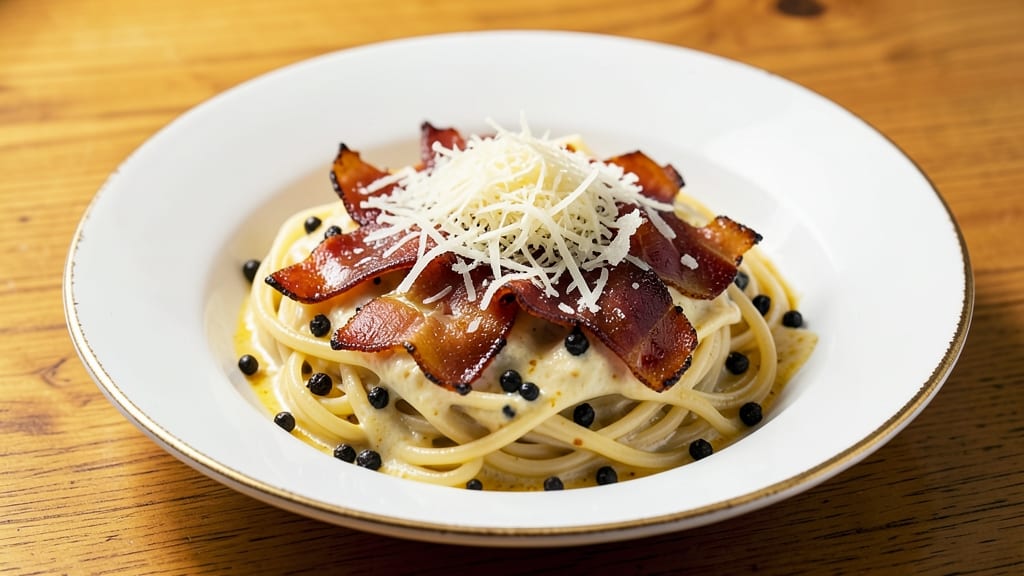
Authentic Italian carbonara sauce transforms simple pasta into a restaurant-quality masterpiece with just five ingredients and a technique that prevents clumps. The secret lies in an egg-yolk emulsion that creates a silky, velvety sauce without heavy cream—exactly how Romans make it. I've perfected this method after years of testing, ensuring every forkful delivers that perfect balance of rich, peppery, and savory flavors.
This sauce relies on three critical components: high-quality Pecorino Romano for sharp, salty depth, guanciale (or pancetta) for authentic umami, and a precise ratio of eggs to pasta water to create the emulsion.
The stovetop method requires patience—cooking the pasta in salted water until al dente, then reserving a cup of starchy water to bind the sauce. No blenders or cream substitutes here; this is the traditional approach that delivers professional results.
What sets this carbonara apart is its velvety texture that clings to pasta without turning greasy, thanks to the egg-yolk emulsion technique. The sauce should be rich but not heavy, with visible flecks of pepper and cheese that melt into every bite.
It's the kind of sauce that makes even simple spaghetti feel like a gourmet experience—no shortcuts, just authentic Roman technique.
Use this sauce immediately for peak flavor, or store it in the refrigerator for up to 3 days. For variations, try adding a splash of pasta water to adjust consistency or substituting nutritional yeast for a vegan-friendly version. The possibilities are endless once you master the base.
Ingredients for authentic italian carbonara sauce
Five essential ingredients transform ordinary pasta into Rome's legendary carbonara sauce.
| Ingredient | Amount | Notes |
|---|---|---|
| Guanciale or Pancetta 🥓 | 6 oz | Diced small, rendered fat preferred |
| Large Egg Yolks 🥚 | 4 whole | Fresh, room temperature preferred |
| Pecorino Romano Cheese 🧀 | 1 ½ cups | Freshly grated, coarse texture |
| Freshly Ground Black Pepper 🌶️ | 1 tbsp | Coarsely cracked, not powdered |
| Spaghetti 🍝 | 12 oz | Dry weight, al dente preferred |
| Extra-Virgin Olive Oil 🫒 | 1 tbsp | For finishing, high quality |
| Diamond Crystal Kosher Salt 🧂 | 2 tbsp | For pasta water, adjust to taste |
The guanciale or pancetta is non-negotiable for authentic flavor—guanciale delivers the richest umami, but quality pancetta works in a pinch. Look for thick-cut, uncured slices at specialty Italian markets or the deli counter of high-end grocery stores like Whole Foods. Render the fat slowly over medium heat until golden and crispy—this is your flavor base. The Pecorino Romano must be freshly grated; pre-shredded loses its sharp, salty punch. Buy a wedge from the deli and grate it yourself using a microplane for the finest texture. Freshly cracked black pepper adds a bright, aromatic contrast that powdered simply can't match.
No guanciale? High-quality pancetta or even thick-cut bacon can substitute, though the flavor will differ slightly. For a vegan alternative, mushroom duxelles provides earthy depth instead of pork fat. The egg yolks should be at room temperature—remove them 30 minutes before cooking to prevent the sauce from breaking. If you're nervous about raw eggs, pasteurized yolks work perfectly. The spaghetti must be al dente—test at 1 minute before package instructions to ensure it holds its bite. Reserve 1 cup of pasta water before draining; this starchy liquid is the secret to a silky emulsion.
Fresh guanciale or pancetta keeps 3-4 days in the fridge wrapped tightly, while Pecorino Romano lasts 2 weeks in parchment-wrapped blocks. The sauce itself should be used immediately for peak texture, but if storing, keep it in an airtight container for up to 3 days. Reheat gently over low heat, adding reserved pasta water as needed to restore consistency. For longer storage, freeze in single portions—thaw overnight in the fridge and reheat with caution to preserve the emulsion.
Why You'll Love This Recipe
- Here’s what sold me: that rich, velvety sauce comes from yolks and pecorino, not heavy cream. The pepper cracks like fireworks on your tongue, and the guanciale adds this je ne sais quoi—smoky, salty, impossible to resist. It’s the kind of dish that makes you close your eyes mid-bite.
- I’ll be real: most pasta leftovers are sad. Not this. The sauce clings to the noodles like glue, reheats like a dream, and still tastes ridiculously good the next day. Plus, pecorino’s cheaper than parmesan, so it stretches my grocery budget without sacrificing flavor. Win-win.
Step-by-step instructions for authentic Italian carbonara
Master this classic Roman technique where rendered fat meets egg yolks for a velvety sauce without lumps.
Render Guanciale Until Golden and Crisp
Place the 6 oz guanciale or pancetta in a large skillet over medium heat. Let it render slowly without stirring for the first 3 minutes—this allows the fat to pool and crisp the meat. You'll know it's ready when the fat bubbles and the guanciale turns deep golden brown with crisp edges, about 8-10 minutes total.
Use a wooden spoon to carefully remove the crispy guanciale pieces and set them aside, leaving the rendered fat in the pan. This fat is the foundation of your sauce—don't drain it. If the fat isn't golden enough, increase the heat slightly and cook for another minute. The guanciale should have a rich, nutty aroma at this stage.
Prepare the Egg-Yolk Mixture
In a medium bowl, combine the 4 whole large egg yolks, 1.5 cups freshly grated Pecorino Romano cheese, and 1 tablespoon freshly ground black pepper. Whisk vigorously until the mixture becomes pale yellow and slightly thickened, about 1-2 minutes. The texture should resemble a thin custard—this consistency is crucial for the emulsion.
Here's the thing—room temperature ingredients work best. If your yolks are cold, let them sit at room temperature for 10 minutes before mixing. Cold yolks won't emulsify properly, leading to scrambled eggs instead of a silky sauce. Keep this mixture ready to add to the hot pasta immediately after cooking.
Cook Spaghetti in Generously Salted Water
Bring a large pot of water to a rolling boil and add 2 tablespoons Diamond Crystal kosher salt—it should taste like the sea. Add the 12 oz spaghetti and cook until al dente, which should be about 1 minute less than the package instructions. Reserve 1 full cup of pasta water before draining, as this starchy liquid is essential for adjusting the sauce consistency.
Don't rinse the pasta after draining—this removes the surface starch that helps the sauce cling. Toss the drained pasta immediately with the reserved guanciale pieces and 1 tablespoon extra-virgin olive oil. This step prevents the pasta from sticking and ensures every strand gets coated with flavor.
Combine Off Heat for Perfect Emulsion
Remove the skillet with guanciale and pasta from heat and let it cool for 30 seconds. Add the egg-yolk mixture in a slow, steady stream while tossing the pasta continuously with tongs. The residual heat from the pasta will gently cook the eggs into a creamy sauce without scrambling them.
If the sauce begins to thicken too much, add reserved pasta water 1 tablespoon at a time until you reach a velvety consistency that coats the back of a spoon. The sauce should cling to the pasta like liquid silk. Work quickly—this process takes about 1-2 minutes from start to finish.
Finish with Guanciale and Fresh Pepper
Return the guanciale pieces to the skillet and toss everything together for 30 seconds to distribute the crispy meat evenly. The sauce should now have a glossy sheen and perfectly balanced flavors—salty, peppery, and rich from the guanciale fat. Taste and adjust seasoning if needed, adding a pinch more Pecorino or black pepper as necessary.
Serve immediately with an additional sprinkle of freshly cracked black pepper. The sauce should be thick enough to coat the pasta but still flow slightly when tossed. Each bite should deliver a perfect harmony of textures—creamy sauce, al dente pasta, and crisp guanciale—this is the essence of authentic Italian carbonara.
Pro Tips For Making Authentic Italian Carbonara Sauce
- Crank the Heat for Guanciale: Start your guanciale or pancetta in a dry pan over medium-high heat—no oil needed. I used to cook it low and slow, but it renders fat like a lazy Sunday, leaving you with bland, greasy meat instead of crispy, flavor-packed bits. High heat in the first 2 minutes seals the edges and keeps the texture perfect.
- Grind Pecorino Like a Pro: Use a microplane or fine grater for the Pecorino Romano—skip the pre-shredded stuff unless you want gritty, clumpy sauce. My grandmother insisted on this, and she was right: the cheese should melt into a velvety ribbon, not a sandy lump. If you’re short on time, pulse it in a food processor, but strain it through a fine sieve afterward.
- Resist the Urge to Stir: Once you toss the pasta into the egg-meat-cheese mixture, stop stirring. I know it looks wrong, but letting the residual heat from the pasta gently cook the eggs creates that signature creamy, silky texture without scrambling them. Give it 30 seconds max—just enough to coat the strands.
- Save the Water, Use the Starch: Reserve a cup of pasta water before draining—it’s liquid gold for carbonara. The starch in that water binds the sauce, making it cling to the noodles instead of turning into a sad, watery mess. Add it sparingly, one splash at a time, until the sauce comes together like a dream. (Yes, even if you’re impatient like me.)
Serving suggestions for this recipe
Pasta Pairings
This carbonara sauce shines on spaghetti or bucatini, but don't limit yourself. Try rigatoni or tonnarelli for extra sauce-holding power. For a modern twist, I've had success with gluten-free spaghetti—just ensure it cooks al dente to avoid a mushy texture.
The key is using a pasta with ridges or holes to trap the sauce. 🍝
Protein Additions
While traditional carbonara skips extra protein, adding seared chicken breast or shrimp works beautifully for a lighter dish. For heartier meals, toss in crispy prosciutto or grilled zucchini in the final minute.
If you're feeling adventurous, try mushroom duxelles for a vegan-friendly umami boost. Just be sure to cook any additions separately to avoid overcooking the pasta.
Bread Pairings
A crusty Italian loaf or garlic bread is a must for soaking up any extra sauce. I love using a rosemary-infused focaccia—its herby notes complement the peppery sauce perfectly. For a quick option, toast baguette slices with butter and garlic, then sprinkle with flaky sea salt.
The contrast of crispy bread with creamy sauce is pure magic. 🥖
Vegetable Sides
Balance the richness with a simple arugula salad—toss 4 cups baby arugula with 2 tbsp olive oil, 1 tbsp lemon juice, and a pinch of red pepper flakes.
The peppery greens cut through the sauce beautifully. For a warm option, roasted asparagus with lemon zest adds a bright, fresh element. Keep portions small—carbonara is the star of the show.
Cheese Plating
Elevate your dish with a cheese course featuring Pecorino Romano alongside aged Parmigiano-Reggiano and creamy Burrata. Arrange them on a slate board with cured meats like guanciale and crusty bread.
The contrast of textures and flavors makes for an unforgettable meal. For a quick option, simply serve extra Pecorino on the side for guests to add to their plates.
Dessert Pairings
Finish your meal with a light dessert like panna cotta or affogato—the creamy textures complement the rich carbonara flavors. For something more indulgent, try tiramisu or dark chocolate gelato.
Avoid overly sweet desserts that might clash with the savory sauce. A simple espresso or limoncello spritz cleanses the palate perfectly. 🍮
Nutrition facts
Frequently asked questions about authentic Italian carbonara
Why does my carbonara sauce turn out grainy or clumpy?
This usually happens when the egg mixture cooks too quickly or isn't properly emulsified. Always work off the heat and add the egg mixture slowly while tossing continuously. Cold ingredients (especially eggs) or adding sauce back to the pan over high heat can also cause clumping. The key is patience—let the residual heat from the pasta gently cook the eggs into a silky sauce.
Can I make carbonara without eggs?
Traditional carbonara requires eggs for the emulsion, but you can create a vegan version using cashew cream or silken tofu blended with nutritional yeast. For best results, use 1 cup cashews soaked overnight blended with ½ cup water, then mix with 1 cup vegan Pecorino substitute and 1 tbsp lemon juice to mimic the tangy richness. The texture will differ but still be delicious!
How do I adjust the sauce consistency if it's too thick or too thin?
For a thicker sauce, add 1 tablespoon of reserved pasta water at a time while stirring. If it's too thin, let it sit off the heat for 1-2 minutes to thicken naturally. Never add extra eggs—they'll scramble. The sauce should coat the back of a spoon but still flow slightly when tossed. Pro tip: Keep ½ cup pasta water reserved just for this purpose!
What's the difference between carbonara and cacio e pepe?
While both are Roman classics, carbonara uses guanciale/pancetta and eggs for a creamy texture, while cacio e pepe relies solely on Pecorino Romano and black pepper with pasta water for a peppery, cheesy sauce. Carbonara is richer and more decadent, whereas cacio e pepe is lighter and brighter. Think of carbonara as the "hearty cousin" and cacio e pepe as the "elegant sibling."
Can I make carbonara ahead of time?
Fresh carbonara is best served immediately, but you can prepare components ahead: render the guanciale, grate the cheese, and mix the egg-yolk mixture (keep it refrigerated). For leftovers, store in an airtight container for up to 3 days and reheat gently with a splash of pasta water. To freeze, portion the sauce and freeze for up to 1 month, then thaw overnight in the fridge before reheating. Never freeze with pasta—it absorbs moisture and becomes soggy.