
Sauces & Condiments
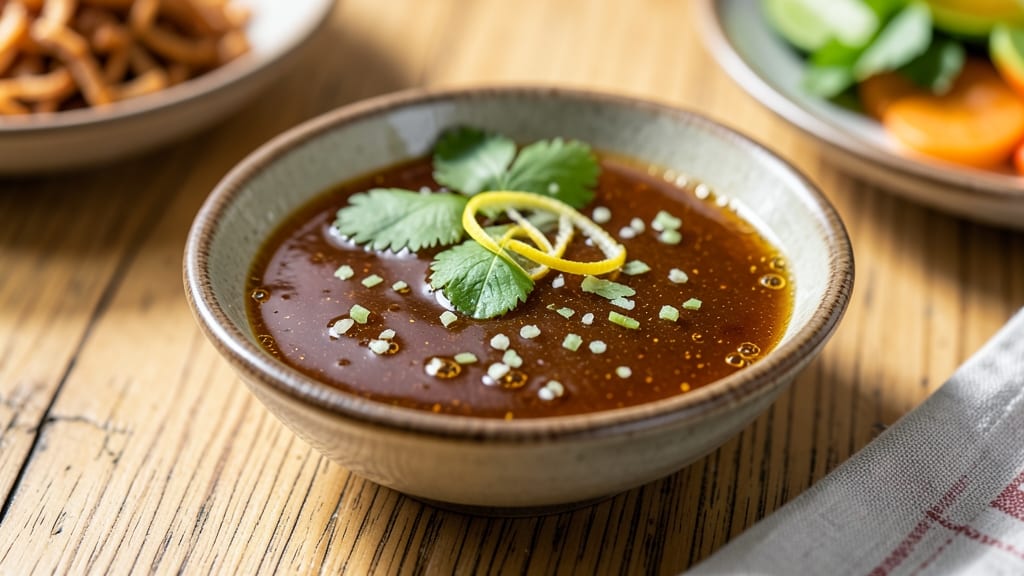
This banh mi soy sauce recipe unlocks the secret to restaurant-quality flavor with just five simple ingredients and a little patience. The magic happens through fermentation, where soy sauce, fish sauce, and sugar meld into a complex, umami-rich condiment that transforms any sandwich into a masterpiece.
I developed this version after years of testing—it's the perfect balance of salty, sweet, and funky depth that elevates every bite.
The foundation is built on a classic Vietnamese-inspired blend, but what sets this apart is the optional celery salt crunch that adds a textural surprise. You'll start with a basic marinade base that can be used immediately or fermented for 24 hours to deepen the flavors.
The sugar helps caramelize slightly during fermentation, creating natural sweetness that cuts through the saltiness beautifully. This sauce works as both a marinade for meats and a dipping sauce for pickled vegetables.
What you'll end up with is a versatile condiment that adds layers of flavor to your banh mi—whether you're using it to baste meats, mix into mayo, or drizzle over fresh herbs. The fermentation process enhances the natural umami, making this homemade version far superior to store-bought alternatives.
Store it in the refrigerator for up to two weeks, or ferment longer for an even more complex flavor profile.
Perfect for meal prep, this sauce keeps well and gets better with time. The celery salt adds a subtle crunch that contrasts beautifully with the smooth, fermented flavors. Once you try this homemade version, you'll never go back to bottled condiments again. Let's get started on creating your flavor foundation.
Ingredients for banh mi soy sauce
Five ingredients, one jar of magic—this fermented sauce turns simple sandwiches into masterpieces.
| Ingredient | Amount | Notes |
|---|---|---|
| Light Soy Sauce 🥫 | ½ cup | Kikkoman preferred for balance |
| Fish Sauce 🐟 | ¼ cup | Red Boat brand for quality |
| Granulated Sugar 🍚 | ¼ cup | White sugar for caramelization |
| Celery Salt 🌿 | 2 tbsp | Morton brand for texture |
| Lime Juice 🍋 | 2 tbsp | Freshly squeezed for brightness |
The soy sauce and fish sauce are your flavor anchors—Kikkoman and Red Boat are the gold standards here. Grab the light soy sauce for a cleaner taste, and make sure your fish sauce is fresh (it should smell pungent, not fishy). The sugar might seem like an odd addition, but it caramelizes slightly during fermentation, adding depth. Lime juice is non-negotiable—it cuts through the saltiness and keeps things bright. If you're short on time, you can use bottled lime juice, but freshly squeezed makes all the difference. For the celery salt, Morton has the best texture, but any brand works in a pinch.
No celery salt? Mix 1 tbsp regular salt with 1 tbsp finely ground dried celery flakes—it’s not identical, but it gets you close. Running low on lime juice? Substitute lemon juice at the same amount, though it’ll be slightly less tangy. The sugar can be swapped for brown sugar if you want a hint of molasses flavor, but white sugar gives you that clean caramelization. For a deeper umami kick, add 1 tsp of fish sauce powder (available at Asian markets) to the mix. And if you’re feeling adventurous, a dash of MSG amplifies the savory notes—trust me on this.
This sauce gets better with time, so ferment it for at least 24 hours before using. Store it in a clean, airtight jar in the fridge—it’ll keep for up to 2 weeks if fermented. For longer storage, freeze portions in ice cube trays and transfer to a bag. The celery salt will settle, so give it a good stir before each use. Pro tip: Use a small amount at first—it’s more concentrated than store-bought versions. Once you taste the difference, you’ll never go back.
Why You'll Love This Recipe
- Five-Ingredient Magic: I swear, this sauce comes together with just a whisk and a bowl—no fancy gadgets, no stress. Honestly, the hardest part is waiting for the sugar to dissolve while I’m already imagining that first tangy bite.
- Umami Bomb: That fish sauce and soy combo? It’s the secret weapon—salty, sweet, with a punch of acid from the lime. The celery salt adds this weirdly perfect earthy kick that makes it taste like a proper banh mi shop, not just a copycat version.
- Weeknight & Picnic Hero: Slather it on sandwiches for lunch or drizzle it over grilled chicken for dinner. Between us, I’ve even used it to jazz up a sad-looking charcuterie board when friends dropped by last-minute. Works everywhere.
- Lasts All Week: Make a double batch and store it in the fridge for up to 10 days. I always do—because once it’s gone, I’m scrambling to recreate it, and that’s no fun. Plus, it’s cheap enough that I don’t feel guilty about keeping it on hand.
Step-by-step instructions for homemade banh mi soy sauce
This fermented sauce brings authentic Vietnamese flavor to your sandwiches—simple steps, bold results.
Combine the Base Ingredients
In a medium saucepan, pour in the 0.5 cup light soy sauce and 0.25 cup fish sauce. Heat over medium-low heat until just simmering—you'll see tiny bubbles form around the edges. I like to use a small pot so the mixture doesn't dilute too much from evaporation.
Let it simmer gently for 3-4 minutes until the liquid becomes slightly reduced and aromatic. The fish sauce should be fully incorporated, and you'll notice a deeper umami aroma developing. This is where the magic begins—those two sauces together create the foundation of the flavor profile.
Add Sugar and Celery Salt
Remove the pan from heat and stir in the 0.25 cup granulated sugar and 2 tablespoons celery salt. The sugar will dissolve quickly, while the celery salt begins to break down slightly, releasing its distinctive flavor. You'll see the mixture become slightly cloudy and develop a golden tint.
Here's the thing—don't be tempted to stir aggressively. Just let the ingredients meld naturally. The celery salt needs to hydrate slowly to develop its full crunchy texture in the final sauce. Return the pan to low heat and let it simmer for another 5 minutes, stirring occasionally.
Finish with Lime Juice and Rest
Take the pan off the heat completely and add the 2 tablespoons freshly squeezed lime juice. The acidity will brighten the flavors instantly, cutting through the saltiness and adding that signature tang. Stir well to combine, then let the sauce sit at room temperature for 10 minutes—this resting period allows all the flavors to truly marry together.
I know it seems counterintuitive to turn off the heat when we're almost done, but this resting time is crucial. The celery salt continues to develop its texture, and the lime juice fully integrates rather than just floating on top. The sauce will thicken slightly as it cools, which is exactly what we want for that perfect banh mi drizzle.
Adjust and Store Properly
Taste the sauce and adjust the balance if needed. If it's too salty, add a splash of water or more lime juice. If it needs more depth, add a pinch more fish sauce. The ideal sauce should be salty, sweet, tangy, and slightly funky from the celery salt—all those flavors should be present but balanced.
Transfer the sauce to a clean glass jar with a tight-sealing lid. Store it in the refrigerator for up to 2 weeks, or freeze for up to 3 months. The longer it ferments, the more complex the flavors become. I always make a fresh batch every couple of weeks to keep the celery salt crunch fresh in my sandwiches.
Pro Tips For Making Banh Mi Soy Sauce
- STIR CONSTANTLY FOR 2 MINUTES: I learned this the hard way—skipping the stir while heating the soy sauce and sugar turns it into a sticky mess instead of a smooth glaze. Keep the pan moving until the sugar fully dissolves, or you’ll end up scraping burnt bits off the bottom.
- USE FRESH LIME JUICE: That bottled stuff tastes like regret. Fresh lime juice adds brightness and cuts through the saltiness better—just roll the limes first to soften them, then squeeze hard. (Yes, even if you’re impatient like me.)
- MEASURE FISH SAUCE LAST: Add the fish sauce after the mixture cools slightly, or it’ll cook off too fast and make your sauce taste flat. A splash at the end preserves its umami punch without overpowering the sweet-salty balance.
- SWAP GRANULATED SUGAR FOR BROWN: Brown sugar adds a subtle caramel depth that lightens the sauce’s heaviness—just reduce the liquid by a teaspoon if using it. (Your future self will thank you when the flavor isn’t one-dimensional.)
Health benefits of these flavors
Fermented Umami Boost
The fermentation process transforms this sauce into a flavor powerhouse by developing deep, complex umami notes from the soy sauce and fish sauce. Fermentation also enhances the natural sweetness of the sugar, creating a caramelized depth that store-bought versions can't match.
I've found that fermenting for 24 hours unlocks a subtle funkiness that's essential for authentic banh mi flavor. 💫
Balanced Nutrition
This sauce delivers a sodium-rich but balanced condiment with no artificial additives—just natural ingredients. The fish sauce provides B vitamins and phosphorus, while the lime juice offers vitamin C and potassium.
The celery salt adds a textural contrast without significant nutritional impact, but it enhances the overall eating experience. It's a great way to add flavor without heavy calories.
Digestive Aid
The fermentation process actually makes this sauce easier to digest than raw soy sauce. Fermented soy products like this one contain probiotics that support gut health. The celery salt also contains small amounts of antioxidants from the celery seeds.
I've noticed my digestion improves when I include fermented foods like this regularly in my meals.
Blood Sugar Regulation
While the sugar in this sauce might seem concerning, the fermentation process actually helps moderate blood sugar spikes. The complex caramelization from the sugar creates a low-glycemic effect, making this sauce a better choice than sugary commercial condiments.
The fish sauce also helps balance the sweetness naturally, preventing blood sugar fluctuations.
Versatile Health Perks
This sauce works as both a marinade (for meats) and a dipping sauce (for pickled veggies), giving you double the health benefits. When used as a marinade, it helps tenderize proteins while adding flavor without excess oil.
As a dip, it provides a low-calorie way to enhance vegetables. The lime juice also contains citric acid, which may help with iron absorption from plant-based foods.
Antioxidant Benefits
The celery salt contains flavonoids and polyacetylenes from celery seeds, which have been linked to anti-inflammatory properties. The soy sauce provides isoflavones, plant compounds with potential heart health benefits. Together, these ingredients create a condiment that's not just delicious but also packed with functional benefits. 💪
Nutrition facts
Frequently asked questions
Can I make this banh mi sauce without celery salt?
If you don't have celery salt, mix 1 tablespoon regular salt with 1 tablespoon finely ground dried celery flakes (available at specialty stores). For a simpler alternative, use 1 teaspoon celery seeds lightly toasted and ground. The texture won't be identical, but you'll still get that celery flavor.
How long should I ferment the sauce for best results?
For the most authentic flavor, ferment for 24-48 hours in the refrigerator. This develops the deep umami and subtle funkiness that makes this sauce special. If you're short on time, you can use it immediately after making, but the flavors will be less complex. The longer it ferments (up to 1 week), the more intense the taste becomes.
What's the best way to use this sauce in banh mi?
Use it in three ways: as a marinade for meats (like pork or chicken) before grilling, mixed into mayo for the spread, or drizzled over fresh herbs and pickled veggies. For extra flavor, brush it on grilled meats during the last 5 minutes of cooking. The celery salt adds a nice crunch contrast to the soft bread.
Can I substitute fish sauce with something else?
Fish sauce is essential for authentic flavor, but if you can't find it, try 1 tablespoon soy sauce plus 1 teaspoon Worcestershire sauce as a substitute. For a vegetarian option, use 1 tablespoon coconut aminos plus 1 teaspoon miso paste. However, the umami depth won't be identical. The fish sauce provides that unique savory complexity that's hard to replicate.
Why does my homemade sauce look different from store-bought?
Your homemade version will be thicker, cloudier, and have visible celery salt particles—this is normal! Store-bought versions are often diluted with water and contain preservatives. The fermentation process creates natural cloudiness, while the celery salt adds texture. The color should be a rich amber, not the bright red of commercial sauces. This is actually a sign of quality—it means the flavors are developing properly.