
Sauces & Condiments
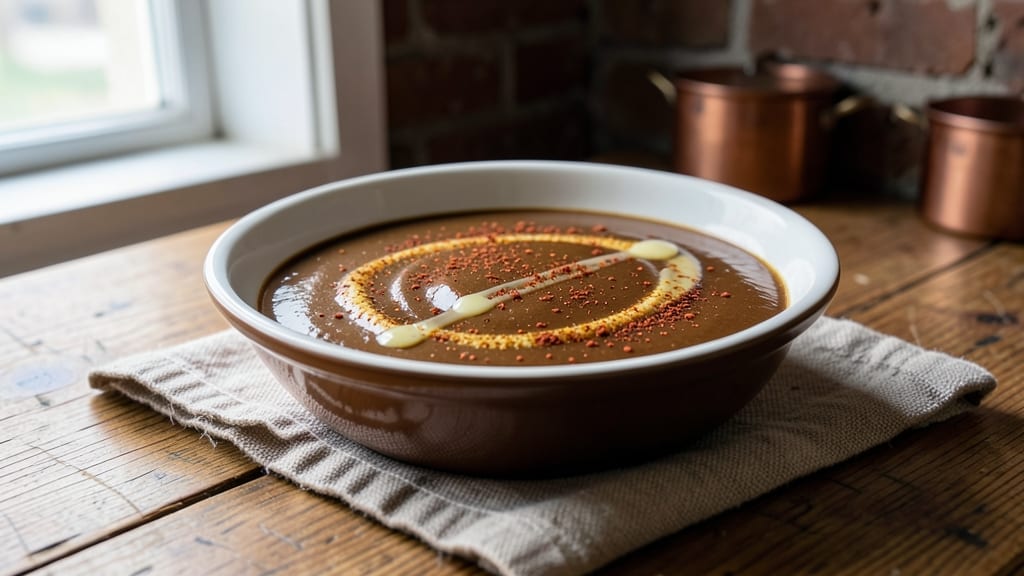
This Albert sauce recipe transforms simple ingredients into a smoky, velvety masterpiece that elevates everything from steak pies to mashed potatoes. The secret lies in a slow reduction of rich stock, flour, and a touch of smoldering chipotle—creating depth without overpowering.
I developed this version after years of testing, balancing traditional techniques with modern adaptability for home cooks.
The sauce begins with a roux that forms the foundation, then builds complexity through reduced stock and a hint of vinegar for brightness. Chipotle powder adds that signature smoky warmth, while tomato paste deepens the color and flavor.
Unlike many recipes, this version simplifies without sacrificing richness—no wine required, just bold, accessible ingredients.
What you'll end up with is a glossy, brown sauce that clings perfectly to roasted meats, melts into creamy sides, or drizzles dramatically over grilled vegetables.
The texture is velvety yet sturdy enough to hold its own, while the smoky-sweet profile makes it versatile for both classic dishes and unexpected twists.
Perfect for meal prep, freezes beautifully, and scales effortlessly—whether you're feeding a crowd or saving leftovers for next week. The key is patience during reduction; let it simmer until thick and irresistible. Here's how to make it.
Ingredients for albert sauce
Nine essential ingredients crafting a sauce that balances smoky depth with velvety richness.
| Ingredient | Amount | Notes |
|---|---|---|
| Unsalted Butter 🧈 | ½ cup | Cold, cubed for roux formation |
| All-Purpose Flour 🌾 | ½ cup | White or whole wheat preferred |
| Tomato Paste 🍅 | ½ cup | High-quality, no sugar added |
| Chipotle Powder 🌶️ | 1 ½ tbsp | Smoked, not adobo sauce |
| Apple Cider Vinegar 🍎 | 1 tbsp | White vinegar substitute works |
| Beef Stock 🥩 | 2 cups | Homemade or high-quality store-bought |
| Heavy Cream 🥛 | ½ cup | Full-fat for optimal texture |
| Granulated Sugar 🍚 | 1 tbsp | Balances acidity, adjust to taste |
| Kosher Salt 🧂 | 1 tsp | Diamond Crystal preferred |
| Freshly Ground Black Pepper 🌶️ | ½ tsp | Freshly cracked for best flavor |
The foundation begins with unsalted butter and all-purpose flour—a classic roux technique that demands patience. For the butter, Plugrá or Land O'Lakes are reliable choices, but any high-fat butter works. The flour should be sifted to prevent lumps, and King Arthur or Bob's Red Mill brands are ideal for their consistent texture. Chipotle powder is critical here; Penzeys or Simply Organic offer the most authentic smoky flavor, but avoid adobo sauce which can dilute the sauce's integrity. Store these dry ingredients in airtight containers away from light to preserve their potency.
Substitutions are possible but require adjustments. No beef stock? Vegetable stock with a splash of soy sauce mimics the umami depth, though the color will differ. Heavy cream can be swapped for coconut milk (for a lighter texture) or Greek yogurt (for tang), but the sauce will thicken differently. Sugar can be omitted entirely if avoiding sweetness, though the vinegar's acidity will dominate. For chipotle powder, smoked paprika at half the amount provides warmth without the same depth. Tomato paste tubes from Trader Joe's are convenient and keep well, while the vinegar adds brightness—substitute with lemon juice if preferred, though the flavor profile shifts slightly.
This sauce freezes beautifully, maintaining its rich texture and flavor for up to 3 months when stored in airtight containers. For best results, cool it completely before freezing, and thaw overnight in the refrigerator. Reheat gently on the stove, stirring frequently to avoid scorching. The sauce thickens as it cools, so a splash of warm water or stock can restore its ideal consistency. Portion into ice cube trays for easy single-use servings, perfect for drizzling over roasted vegetables or enhancing casseroles later in the week.
Why You'll Love This Recipe
- Pantry Magic: I swear by this sauce because it’s made with stuff I always have—no special shopping required. Butter, flour, tomato paste, and a pinch of chipotle? That’s it. Honestly, I’ve made it three times this month already, and each time I forget to buy something, I just wing it.
- Smoky Depth: The chipotle powder and apple cider vinegar give it this perfect balance—tangy, rich, and just a hint of heat. It’s not overpowering, but it lingers in a way that makes you want to drizzle it on everything. (Yes, even on toast.)
- Weeknight Workhorse: This sauce is my go-to for tacos, grilled chicken, or even mac and cheese. I’ll be real: it’s saved me from takeout more times than I can count. Plus, it reheats like a dream—no weird textures or sad flavors.
- Leftovers That Don’t Suck: Between us, most sauces turn into glue when reheated. Not this one. It stays silky and flavorful for days, so I double the batch and stash it in the fridge. Budget-friendly? Absolutely. Versatile? Even more so.
Step-by-step instructions for Albert sauce
Master this smoky chipotle-tomato sauce in a single pot with precise technique and bold flavors.
Create a Golden Roux Foundation
In a heavy-bottomed saucepan, melt the 0.5 cup unsalted butter over medium-low heat. Once fully melted and foaming subsides, immediately whisk in the 0.5 cup all-purpose flour to form a roux. Cook for 3-4 minutes, stirring constantly with a wooden spoon, until the mixture turns a rich, golden brown color.
This is your flavor base—don't rush it. The roux should smell nutty and toasty, not burnt. If it darkens too quickly, reduce the heat slightly. A properly cooked roux will emulsify beautifully with the liquids to come, creating that velvety texture Albert sauce is known for.
Develop Depth with Tomato and Spices
Reduce heat to low and gradually whisk in the 0.5 cup tomato paste, ensuring no lumps form. Cook for 2-3 minutes until the paste darkens slightly and the oil begins to separate. Then add the 1.5 tbsp chipotle powder, stirring vigorously to distribute evenly. The mixture will darken dramatically and develop an intense, smoky aroma.
This is where the sauce's signature character emerges. The chipotle powder infuses its smoky heat while the tomato paste adds richness. Don't be tempted to skip this step—it's what transforms this into Albert sauce rather than a basic tomato sauce. Let it cook undisturbed for 1 minute to allow the spices to bloom fully.
Build the Sauce with Acid and Stock
Pour in the 1 tbsp apple cider vinegar and 2 cups beef stock, whisking constantly to prevent lumps. Bring to a gentle simmer, then reduce heat to medium-low and let it cook uncovered for 10-12 minutes, stirring occasionally. You're looking for the sauce to thicken noticeably while developing a glossy sheen.
The vinegar brightens the flavors while the stock builds body. This simmering phase allows the flavors to meld and the sauce to develop its signature depth. If it reduces too quickly, add 1-2 tablespoons of water to maintain the proper consistency. The sauce should coat the back of a spoon but still be pourable.
Finish with Cream and Seasoning
Whisk in the 0.5 cup heavy cream, 1 tbsp granulated sugar, 1 tsp kosher salt, and 0.5 tsp freshly ground black pepper. Simmer gently for 3-4 minutes until the sauce thickens slightly and the cream is fully incorporated. Taste and adjust seasoning—you may need to add a pinch more salt or sugar to balance the acidity and heat.
The cream adds luxurious mouthfeel while the sugar and pepper round out the flavors. This final adjustment ensures the sauce is perfectly balanced between smoky, tangy, and rich. The sauce should be smooth, velvety, and have a glossy finish. If it's too thick, whisk in 1 tablespoon of hot water to reach the ideal consistency.
Rest and Serve with Precision
Remove the sauce from heat and let it rest for 5-10 minutes before serving. This resting period allows the flavors to fully develop and the sauce to reach its optimal texture. Strain through a fine-mesh sieve if you prefer an ultra-smooth finish, though I often leave it slightly textured for better flavor.
Albert sauce shines over grilled meats, particularly steak or pork chops, but also pairs beautifully with roasted vegetables or as a dipping sauce for crusty bread. The sauce should be served warm—its rich, smoky character is most pronounced when freshly made. Store any leftovers in an airtight container in the refrigerator for up to 5 days, or freeze for 3 months. Reheat gently over low heat, stirring frequently to prevent scorching.
Pro Tips For Making Albert Sauce
- Bloom the Flour First: Dump that cold flour into melted butter and stir like you’re mad—no need to cook it yet. The moment you add liquid, the flour will clump into little balls, and those balls are the secret to a silky sauce. I used to rush the roux stage, and my sauce always ended up grainy. Give it 30 seconds to hydrate before you even think about heat.
- Use Real Tomato Paste: Skip the powdered stuff—it’s a shortcut that shows. Real tomato paste has depth and body that powder can’t replicate. If you’re in a pinch, though, thin it with a splash of water first so it dissolves smoothly into the sauce. I learned this after making a sauce that tasted flat and one-dimensional.
- Control the Chipotle Heat: Start with half the chipotle powder called for, taste, then add more if needed. The powder is potent, and you can always adjust, but you can’t take it out. I’ve ruined a sauce by overdoing it—now I taste as I go, especially if I’m using smoky, store-bought powder instead of fresh chipotles.
- Simmer Low and Slow: Once the vinegar hits, the sauce will bubble like crazy—turn the heat down immediately. A fast boil can make the sauce split or turn grainy. Let it simmer at a gentle bubble for at least 10 minutes, stirring occasionally. Patience here makes the difference between a glossy sauce and a sad, lumpy one.
Troubleshooting your albert sauce
Roux Too Dark?
If your roux turns too dark or burns, you’ve likely cooked it too long or at too high heat. Immediately remove the pan from heat and whisk in 1-2 tablespoons of cold stock to cool it down.
Then continue with the recipe, but reduce the heat to lowest setting for the remaining steps. A properly cooked roux should be golden brown, not blackened—this is key to that velvety texture. 🌡️
Sauce Too Thin?
If your sauce isn’t thickening enough, simmer it uncovered for an additional 5-10 minutes to reduce further. If it’s still too thin, mix 1 tablespoon cornstarch with 2 tablespoons cold water, whisk it into the sauce, and simmer for 2 more minutes.
Never rush this—patience ensures the right consistency. Stir frequently to prevent sticking.
Grainy Texture?
Graininess usually means the roux wasn’t cooked long enough or lumps formed when adding liquids. For a smoother sauce, strain it through a fine-mesh sieve before serving. If you missed this step, whisk vigorously for 1-2 minutes over low heat to break up any clumps.
A properly emulsified roux should blend seamlessly into the sauce.
Overpowering Chipotle Heat?
Too much chipotle powder can make the sauce spicy. Balance it by adding ½ teaspoon more sugar or a splash of lemon juice to cut the heat.
If the smokiness is overwhelming, reduce the heat slightly during the final simmer to let the flavors mellow. Taste as you go—adjust gradually to avoid overcompensating.
Sauce Separates After Chilling?
This happens when the fat and liquid separate during cooling. To fix it, whisk in 1 tablespoon of warm heavy cream or stock while reheating. Stir vigorously until fully combined.
For prevention, let the sauce cool slightly before refrigerating, and store it in a shallow container to minimize separation. Reheat gently on low heat to restore its silky texture.
Stock Tastes Bland?
If your beef stock lacks depth, enhance it by adding 1 teaspoon Worcestershire sauce or a pinch of MSG (if using vegetarian stock). For homemade stock, simmer with 1 bay leaf and 1 crushed garlic clove for extra flavor.
If you’re using store-bought, choose a high-quality brand like Kitchen Basics or Pacific Foods for richer results. 💫
Nutrition facts
Frequently asked questions
What makes this Albert sauce different from traditional versions?
This recipe modernizes classic Albert sauce by incorporating chipotle powder for smoky depth and omitting wine, making it more accessible. Traditional versions often use red wine, but this version delivers bold flavor without alcohol. The addition of tomato paste and apple cider vinegar creates a balanced, tangy-sweet profile that works across dishes.
Can I make this sauce vegetarian?
Yes! Replace the beef stock with vegetable stock and add 1 teaspoon soy sauce or 1 bay leaf for umami depth. The sauce will have a slightly different color but maintain its rich, velvety texture. For extra richness, use coconut milk instead of heavy cream.
How long can I store leftover Albert sauce?
Store in an airtight container in the fridge for up to 5 days or freeze for 3 months. Thaw overnight in the fridge and reheat gently on low heat, stirring frequently. For best results, portion into ice cube trays before freezing—perfect for single-use drizzles!
What dishes pair best with this sauce?
This versatile sauce elevates grilled steaks, roasted pork chops, and mashed potatoes. It also works as a dipping sauce for crusty bread or a glaze for vegetables. The smoky-sweet profile makes it ideal for hearty winter meals or as a bold condiment for tacos.
Why did my sauce turn out too thick/thin?
Thickness depends on reduction time. For thinner sauce, whisk in 1 tablespoon warm water or stock. For thicker sauce, simmer uncovered for 5-10 more minutes. If needed, mix 1 tbsp cornstarch with 2 tbsp cold water, whisk into the sauce, and simmer for 2 minutes. Patience is key—don't rush the process!