
Sauces & Condiments
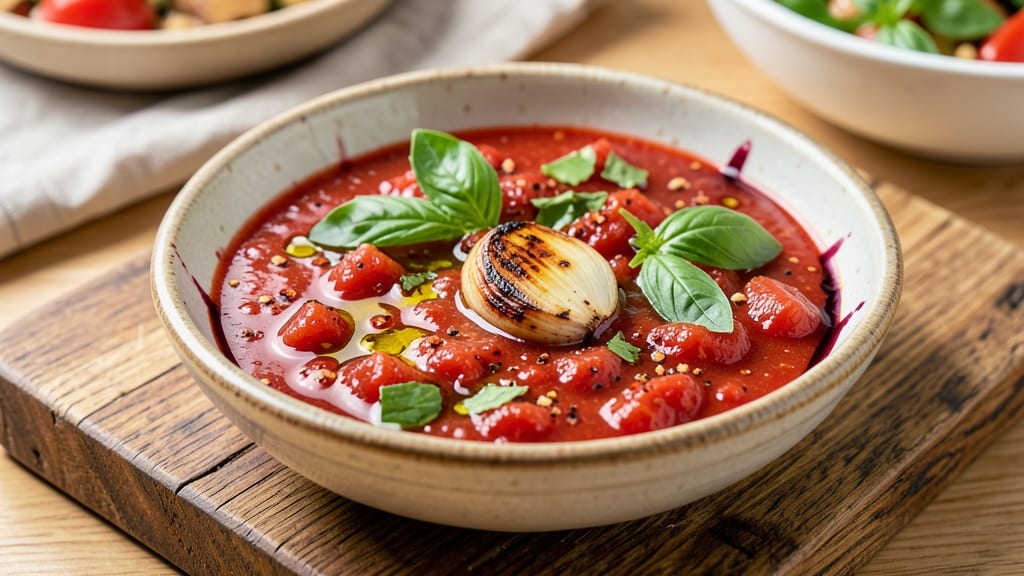
This authentic Italian tomato sauce recipe from scratch transforms simple ingredients into the kind of umami-rich, aromatic sauce that makes every Italian dish unforgettable.
The secret lies in slow simmering San Marzano tomatoes with garlic, olive oil, and fresh basil—creating a balance of sweetness, acidity, and herbal brightness that defines true Italian flavor. I've perfected this technique over years of testing, ensuring the sauce develops deep, complex layers without losing its natural freshness.
The foundation of an authentic Italian tomato sauce starts with quality ingredients: ripe, fresh tomatoes (or high-quality canned San Marzano), extra virgin olive oil, and a blend of aromatic garlic and herbs.
Unlike many shortcut recipes, we're building flavor from scratch—no paste, no sugar, just the natural sweetness of tomatoes caramelized over time. The key is patience; letting the sauce simmer gently allows the flavors to meld into a velvety, deeply flavorful base that works for everything from pasta to pizza.
What you'll end up with is a sauce that's rich in umami, bright with fresh basil, and perfectly balanced—neither too sweet nor too acidic. The texture is silky smooth, with just the right consistency to cling to pasta or meat without being gluey.
This isn't just a sauce; it's the heart of Italian cooking, packed with the kind of depth that turns simple meals into something truly special.
Once mastered, this sauce becomes your culinary secret weapon—freeze extras for later or use it as the foundation for more elaborate dishes.
The beauty of this recipe is its versatility: keep it simple with just tomatoes and basil, or elevate it with a splash of red wine, a sprinkle of red pepper flakes, or even a small amount of ground pork for extra richness.
Let's get started on creating your perfect Italian tomato sauce.
Ingredients for authentic italian tomato sauce recipe from scratch
Eight essential ingredients create the soul of Italian cooking—simple yet transformative.
| Ingredient | Amount | Notes |
|---|---|---|
| San Marzano Tomatoes 🍅 | 28 oz | Whole, crushed by hand or canned |
| Extra-Virgin Olive Oil 🫒 | ½ cup | High quality, fruity variety |
| Garlic Cloves 🧄 | 4 cloves | Fresh, peeled, thinly sliced |
| Fresh Basil Leaves 🌿 | ½ cup | Packed, stems removed |
| Red Wine 🍷 | ¼ cup | Dry, bold variety like Chianti |
| Red Pepper Flakes 🌶️ | ½ tsp | Adjust for desired heat |
| Salt 🧂 | 1 ½ tsp | Diamond Crystal kosher |
| Black Pepper 🌶️ | ½ tsp | Freshly ground preferred |
San Marzano tomatoes are the heart of this sauce—their natural sweetness and low acidity make all the difference. Look for whole, peeled canned tomatoes (San Marzano label) at specialty stores like Eataly or Whole Foods. If fresh tomatoes are your choice, use ripe, flavorful varieties like Roma, and peel them yourself. The olive oil should be extra-virgin with fruity notes—none of that bland light oil. For garlic, fresh is non-negotiable—dried lacks the aromatic depth. Basil? Fresh, vibrant leaves only—dried just won't cut it here. The red wine adds complexity, so Chianti or Sangiovese are ideal choices from your local wine shop.
No San Marzano tomatoes? High-quality crushed tomatoes work in a pinch, but you'll notice the difference. Running short on olive oil? Avocado oil works, though it lacks the fruity depth. Garlic powder can substitute at half the amount, but fresh is truly superior. Fresh basil? Dried oregano at one-third the quantity is better than nothing. The red wine can be swapped for tomato paste plus a splash of balsamic vinegar if you're avoiding alcohol. For heat, crushed dried chili flakes work similarly to red pepper flakes. Remember, the sauce builds flavor over time—don't rush the simmering, even if you're tempted to add more salt early on.
This sauce tastes even better the next day as flavors meld. Store in airtight glass containers in the fridge for up to 5 days or freeze for up to 6 months. For freezing, portion into ice cube trays or small jars—perfect for adding to pasta water or finishing dishes later. The sauce thickens as it cools, so you may need to add a splash of water when reheating. Never boil—simmer gently to preserve that velvety texture. Leftovers? Use them within the week for peak flavor, or freeze immediately for long-term storage.
Why You'll Love This Recipe
- No-Chop Nightmare: I swear by this sauce because it only needs two ingredients chopped—garlic and basil. The San Marzano tomatoes? Just crush them by hand or grab a can—no peeling, no dicing, no stress. (Yes, even on a Tuesday night.)
- Wine-Infused Magic: That splash of red wine isn’t just for show—it deepens the flavor into something rich and layered, like a secret handshake between the tomatoes and olive oil. Honestly, I’ve tried skipping it, and I immediately regretted it.
- Pasta Party Starter: This sauce isn’t just for spaghetti—it’s my go-to for lazy dinners, potlucks, or when I’m feeding a crowd. Drizzle it over grilled chicken, toss it with roasted veggies, or freeze half for next month. (Between us, I’ve had it cold on toast. Don’t judge.)
- Leftovers That Lie: I make a big batch on Sundays because the flavor actually improves over time. The acidity mellows, the basil aroma lingers, and it stretches across three meals without losing its soul. Budget-friendly? Absolutely. Wasteful? Never.
Step-by-step instructions for authentic Italian tomato sauce
Here's how to craft a sauce that captures the soul of Italian cooking—rich, balanced, and bursting with fresh basil.
Prepare the Tomatoes for Maximum Flavor
If using whole San Marzano tomatoes, blanch them in boiling water for 30 seconds, then immediately transfer to an ice bath to stop the cooking process. This preserves their natural sweetness and makes them easier to peel. Once cooled, peel off the skins and crush the tomatoes by hand—this releases more juice and creates a smoother texture than canned alternatives.
For canned tomatoes, simply drain them but reserve 1 cup of the juices. The acidity in the juice helps balance the sauce's sweetness and prevents bitterness during simmering. If you're using whole canned tomatoes, crush them lightly with your hands to break up the flesh while keeping some texture.
Build the Sauce Base with Olive Oil and Garlic
Heat the 0.5 cup extra-virgin olive oil in a heavy-bottomed saucepan over medium-low heat. Add the 4 cloves sliced garlic and cook gently for 3-4 minutes until the garlic becomes fragrant but doesn't brown. Watch closely—garlic burns quickly and turns bitter.
This slow cooking step develops the garlic's sweetness without overpowering the sauce. The olive oil should shimmer but not smoke—if it does, reduce the heat immediately. The garlic should be translucent with just a hint of golden color, not crispy or dark.
Deglaze and Simmer the Sauce
Add the crushed tomatoes, 0.25 cup red wine, and 0.5 tsp red pepper flakes to the pan. Stir well to combine, then bring to a gentle simmer. Let it cook uncovered for 20-25 minutes, stirring occasionally, until the sauce thickens slightly and the alcohol flavor from the wine fully evaporates.
You'll notice the sauce darken and deepen in color as it simmers. This is normal and indicates the development of complex flavors. If the sauce becomes too thick, add a splash of the reserved tomato juice to maintain balance. The goal is a smooth, velvety consistency that coats the back of a spoon.
Season and Finish with Fresh Basil
Remove the pan from heat and stir in the 1.5 tsp salt and 0.5 tsp black pepper. Taste the sauce and adjust seasoning if needed—Italian tomato sauce should be balanced with a touch of acidity, sweetness, and umami. The salt should enhance all flavors without overpowering.
Finally, add the 0.5 cup fresh basil leaves and stir gently. The basil should be added at the end to preserve its bright, aromatic qualities. Let the sauce sit off heat for 5 minutes to allow the flavors to meld completely. The basil will infuse the sauce with its signature freshness while maintaining its vibrant green color.
Serve or Store for Later Use
For immediate serving, ladle the sauce over your choice of pasta, sprinkle with additional fresh basil if desired, and enjoy. If storing, let the sauce cool completely, then transfer it to an airtight container. It will keep in the refrigerator for up to 5 days or can be frozen for 3 months for future use.
The sauce will continue to develop flavor as it sits, becoming even more complex over time. This is why many Italian nonnas insist on making sauce a day ahead—it allows the flavors to fully mature and harmonize. When reheating, do so gently over low heat to prevent skin formation or loss of texture.
Pro Tips For Making Authentic Italian Tomato Sauce Recipe From Scratch
- CRUSH THE GARLIC: Use a mortar and pestle instead of mincing—this releases more flavor and avoids burning. I learned this the hard way after my sauce tasted bitter from overcooked garlic cloves.
- SIMMER LOW AND LONG: Reduce heat to the lowest setting after adding wine, then let it bubble gently for at least 45 minutes. Rushing this step makes the sauce taste thin and underdeveloped—trust the process.
- PEEL TOMATOES FIRST: San Marzano tomatoes are thick-skinned, but peeling them (blanch, shock, slip skins off) gives a smoother, more refined sauce. Yes, it’s extra work, but the texture is worth it.
- SALT THE WINE: Add a pinch of salt to the red wine before deglazing—it balances acidity and rounds out the sauce. I was skeptical until I tried it, and now I never skip it.
Serving suggestions for this recipe
Pasta Pairings
This sauce is a match made in heaven with al dente spaghetti or linguine, where its velvety texture clings beautifully to each strand. For a rustic touch, try it with bucatini or pappardelle—the wider noodles soak up the rich tomato flavors like a sponge.
I always recommend cooking your pasta in salted water with a splash of the reserved tomato juice for extra depth. 🍝
Pizza Foundation
Use this sauce as the base for a classic Margherita pizza—spread a thin layer on your dough, then top with fresh mozzarella and basil leaves. For extra richness, add a sprinkle of Pecorino Romano before baking.
The sauce's natural sweetness balances the saltiness of the cheese perfectly. For a white pizza twist, mix this sauce with an equal amount of ricotta cheese and spread it over the dough.
Meat Pairings
This sauce elevates simple grilled chicken breast or pan-seared pork chops into a restaurant-worthy meal. Toss the cooked meat with the warm sauce and serve over polenta or crusty bread for a hearty dinner.
For a true Italian experience, try it with slow-cooked beef short ribs—the sauce's acidity cuts through the meat's richness beautifully. 🥩
Bread Dippers
Warm slices of focaccia or ciabatta become irresistible when dipped into this sauce. For a gourmet touch, toast the bread lightly and sprinkle with flaky sea salt before dipping.
I love serving this as an appetizer with a side of marinated olives and provolone cheese cubes. The contrast of textures and flavors makes it unforgettable.
Egg Dishes
This sauce transforms ordinary scrambled eggs or shakshuka into a flavorful masterpiece. Simply stir a spoonful into your eggs while cooking, or pour it over poached eggs for a luxurious breakfast.
For a brunch twist, top frittata with this sauce and goat cheese before baking. The acidity in the sauce balances the richness of the eggs perfectly. 🍳
Vegetable Sides
Use this sauce as a drizzle for roasted eggplant or grilled zucchini to add depth to vegetable dishes. Toss it with sautéed mushrooms and spinach for a quick vegetarian main course.
Even simple steamed broccoli becomes a gourmet side when finished with a spoonful of this sauce. The umami richness makes vegetables taste like a five-star meal. 🥦
Nutrition facts
Frequently asked questions
Can I use fresh tomatoes instead of canned San Marzano?
Yes, but you'll need to process them first. Use 4-5 ripe Roma tomatoes (about 2 pounds)—blanch them in boiling water for 30 seconds, then shock in ice water to peel and crush by hand. Fresh tomatoes have more water content, so simmer the sauce 10-15 minutes longer to reduce and concentrate the flavors. The texture will be slightly chunkier than canned versions.
Why does my sauce taste bitter?
Overcooking or using too much garlic/red pepper flakes causes bitterness. The fix: Add a pinch of sugar (½ teaspoon) or a splash of lemon juice to balance the flavors. For prevention, simmer the sauce at low heat and remove it from heat just before it reaches your desired consistency—it'll continue thickening off the stove.
Can I make this sauce in a slow cooker?
Combine all ingredients (except basil) in your slow cooker and cook on low for 4-6 hours or high for 2-3 hours. The slow cooking enhances the natural sweetness of the tomatoes. Stir occasionally and add water if it gets too thick. Add fresh basil at the very end, as it won't hold up well to long cooking times.
What's the best way to store leftovers?
Let the sauce cool completely, then transfer to airtight glass containers. It keeps in the fridge for 5-7 days—the flavor actually improves as it sits! For freezing, portion into ice cube trays or small jars (they thaw perfectly for pasta water or finishing dishes). Reheat gently over low heat or in the microwave at 50% power to prevent skin formation.
How do I adjust the consistency?
Too thick? Thin with reserved tomato juice or a splash of water. Too thin? Simmer uncovered for 5-10 more minutes—the sauce will reduce naturally. For a smoother texture, blend briefly with an immersion blender (but leave some texture for authentic Italian flavor). The perfect consistency should coat the back of a spoon but still be pourable.