
Sauces & Condiments
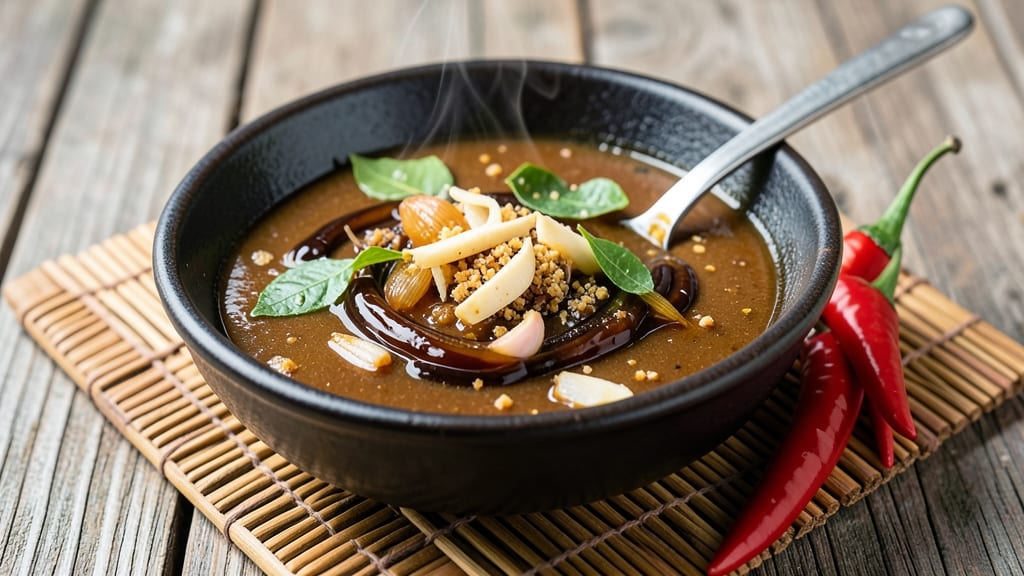
This authentic Thai brown sauce transforms simple ingredients into a complex, umami-rich condiment that elevates everything from grilled meats to fresh spring rolls.
The secret lies in balancing fermented fish sauce with tamarind's tangy depth, creating a sauce that's both bold and versatile—perfect for those who crave restaurant-quality flavor at home. Unlike store-bought versions, this recipe builds layers of flavor through slow simmering and precise ingredient ratios.
What sets this sauce apart is its authentic foundation: high-quality fish sauce (the heart of Thai cuisine), palm sugar for caramelized richness, and tamarind for that signature tang. The process is straightforward—simmering the ingredients until they meld into a glossy, aromatic paste—but the result is anything but basic.
This isn't just a dipping sauce; it's a flavor multiplier that turns ordinary dishes into something extraordinary.
The sauce's versatility is its greatest strength. Use it as a marinade for satay skewers, a dipping sauce for crispy spring rolls, or a glaze for grilled meats.
The balance of sweet, salty, and umami ensures it works in both spicy and mild dishes, making it a pantry staple for any Thai-inspired meal.
With just 15 minutes of active time and 30 minutes of simmering, you'll have a sauce that tastes like it came from a Bangkok street market.
One of the best parts? This sauce keeps well in the refrigerator for up to two weeks, allowing you to make a big batch and use it throughout the week.
The flavors actually deepen over time, making it even more irresistible. Whether you're a seasoned home cook or new to Thai cuisine, this recipe delivers authentic results without the guesswork.
Ingredients for authentic thai brown sauce
Nine essential ingredients combine to create this restaurant-quality Thai brown sauce.
| Ingredient | Amount | Notes |
|---|---|---|
| Fish Sauce 🐟 | ½ cup | High-quality, Thai brand preferred |
| Palm Sugar 🍯 | ½ cup | Granulated or light brown |
| Tamarind Paste 🍈 | ¼ cup | Unsweetened, thick consistency |
| Fresh Garlic Cloves 🧄 | 6 cloves | Peeled, minced finely |
| Fresh Ginger 🌿 | ½ cup | Finely grated, skin removed |
| Shallots 🧅 | ¼ cup | Finely minced, skin removed |
| Kaffir Lime Leaves 🍋 | 2 whole | Torn into strips, seeds removed |
| White Vinegar 💧 | ¼ cup | Distilled preferred |
| Red Chili Peppers 🌶️ | 2 whole | Bird's eye or Thai chili, seeds removed |
The foundation of authenticity lies in the fish sauce—Red Boat or Tiparos brands deliver the deepest umami. Palm sugar should be finely granulated for even dissolving; Thai or Indonesian brands work best, though regular brown sugar in a pinch will suffice. Tamarind paste can be tricky to find outside Asian markets, but Mae Ploy or Rama brands are reliable. Fresh ginger and shallots must be finely grated or minced—no chunky bits in this sauce. Kaffir lime leaves are non-negotiable for that signature aroma; if unavailable, substitute 1 tsp lime zest plus 1 tsp lime juice, though it won't be identical.
No palm sugar? Light brown sugar at 1:1 ratio works, though the flavor won't be identical. Substituting tamarind paste with lime juice plus a pinch of citric acid (1 tbsp lime juice + 1/4 tsp citric acid) mimics the tang. For heat, substitute cayenne pepper at half the amount if chilies are unavailable. The vinegar can be swapped for rice vinegar or apple cider vinegar, though white vinegar's sharpness is traditional. All ingredients must be fresh—stale fish sauce or old spices will ruin the balance. The sauce relies on precise ratios, so measure carefully.
This sauce develops best when made in batches—store in a sealed glass jar in the refrigerator for up to two weeks. The flavors actually improve with time, deepening as the ingredients meld. For longer storage, freeze in ice cube trays for single-use portions. Before using, gently reheat and stir—no need to add water. The sauce thickens as it cools, so thin with a splash of water if needed. Always taste before serving; adjust sweetness with more palm sugar or saltiness with additional fish sauce.
Why You'll Love This Recipe
- Few Ingredients, Big Payoff: I swear by this—just five things in a pot, simmered until the garlic turns golden and the ginger melts into the sauce. No fancy gadgets, no stress, just pure flavor from the fish sauce cutting through the sweetness of palm sugar.
- Umami Magic: That first taste? Chef’s kiss. The tamarind paste brings the tang, the garlic hits with a punch, and the ginger adds warmth—like a hug in a bottle. It’s the kind of sauce that makes you want to eat it straight from the spoon.
- Weeknight Wonder: Drizzle it over rice bowls, toss it with noodles, or slather it on grilled meats—it’s my go-to when I’m too tired to think. Honestly, I’ve used it for everything from quick stir-fries to lazy Sunday brunch, and it never lets me down.
- Budget-Friendly Staple: A little goes a long way, and what’s left? It keeps for weeks in the fridge, so I’m always stocked. Between us, I’ve made this sauce three times in a month and still have jars of it—because it’s cheap, easy, and so worth it.
Step-by-step instructions for authentic Thai brown sauce
This traditional Thai brown sauce balances umami, sweetness, and heat with precision.
Bloom the Aromatics in White Vinegar
In a small saucepan, combine the 0.25 cup white vinegar with the 2 whole red chili peppers and 2 whole kaffir lime leaves. Bring to a gentle simmer over medium-low heat and cook for 3-4 minutes until the chilies soften slightly and the lime leaves release their citrusy aroma. This step extracts their flavors without overpowering the sauce.
Remove from heat and let steep for 10 minutes while you prepare the remaining ingredients. The vinegar acts as a solvent here, drawing out the chilies' heat and the lime leaves' floral notes. Strain out the solids through a fine-mesh sieve, pressing gently to extract every last drop of flavor. Discard the used chilies and lime leaves—they've done their job.
Cook the Ginger and Garlic Base
In a clean saucepan, combine the 0.5 cup finely grated fresh ginger and 0.25 cup finely minced shallots. Cook over medium heat for 4-5 minutes, stirring frequently, until the mixture becomes fragrant and the raw aroma disappears. This step develops the aromatic foundation of the sauce.
Add the 6 cloves minced fresh garlic cloves and cook for another 1-2 minutes until the garlic is golden around the edges but not browned. The key here is patience—overcooking garlic turns it bitter. Immediately add the strained vinegar-chili mixture and reduce heat to low. Let it simmer for 5 minutes to meld these flavors together.
Incorporate Tamarind and Palm Sugar
Stir in the 0.25 cup tamarind paste and 0.5 cup palm sugar, breaking up any lumps in the tamarind with a whisk. Return the heat to medium-low and cook for 8-10 minutes, stirring constantly, until the sugar dissolves completely and the mixture thickens slightly. You're looking for a syrupy consistency that coats the back of a spoon.
This is where the sauce's signature balance emerges—the tamarind provides tartness while the palm sugar adds natural sweetness. The mixture should smell complex, with notes of ginger, garlic, lime, and a hint of caramelized sugar. If you notice any graininess, whisk vigorously or strain through a fine-mesh sieve to achieve perfect smoothness.
Finish with Fish Sauce and Balance Flavors
Remove the sauce from heat and let it cool for 5 minutes. Gradually whisk in the 0.5 cup fish sauce, starting with 2 tablespoons at a time. Taste as you go—this is where you'll determine the final balance. The sauce should have a deep umami richness from the fish sauce, but it shouldn't overpower the other flavors.
Adjust the balance by adding 1-2 tablespoons more fish sauce if needed for more depth, or a pinch of palm sugar if it needs more sweetness to counterbalance. The finished sauce should be glossy, with a rich mahogany color and a complex flavor profile that's simultaneously salty, sweet, tangy, and slightly spicy. For best results, let it rest at room temperature for 30 minutes before using, allowing all the flavors to fully meld.
Pro Tips For Making Authentic Thai Brown Sauce
- Simmer Low and Slow: After burning three batches trying to rush the reduction, I learned to keep the heat at a bare simmer—just enough to see tiny bubbles, not a rolling boil. This lets the fish sauce and tamarind deepen without turning bitter or scorching, which is especially important when you’re balancing the sweetness of palm sugar.
- Peel and Grate Ginger: Skip the mincing—peel the ginger first, then grate it directly into the sauce while it’s hot. The fresh, fibrous texture dissolves better and adds a bright, aromatic punch that pre-minced ginger can’t match. (Yes, even if you’re impatient like me.)
- Balance Tamarind with Water: Tamarind paste is thick and stubborn. Thin it with warm water first—about 1 part water to 2 parts paste—until it’s smooth enough to whisk into the sauce. This prevents clumpy bits that ruin the silky texture, and it’s the non-negotiable step that actually changes the outcome.
- Add Garlic Last: I used to sauté the garlic with the ginger, but that turns it bitter. Instead, toss in the minced garlic raw at the very end—just before you finish reducing the sauce—and let it bloom for 30 seconds. The result is a bright, fresh garlic flavor that cuts through the richness without overpowering.
Best sauces and condiments for this recipe
Classic Pairings
This sauce shines as a dipping sauce for Thai spring rolls or satay skewers—its glossy texture and balanced flavors make every bite irresistible. I love drizzling it over grilled lemongrass chicken or using it as a marinade for pork tenderloin before roasting.
The tamarind's tang cuts through fatty meats beautifully, while the fish sauce adds depth. 🌶️
For seafood lovers, toss it with shrimp or scallops before searing for a quick pan sauce. The umami from the fish sauce enhances the natural sweetness of shellfish.
I also use it as a glaze for tofu or tempeh when baking—just brush it on and broil for 3-5 minutes until caramelized.
Sweet Heat Balance
Adjust the heat level by controlling the chili peppers. For mild heat, remove seeds and membranes before cooking. If you prefer extra spice, add 1-2 extra bird's eye chilies during the vinegar bloom.
I often keep a small batch with no chilies for dipping sauces where kids are involved.
For sweetness adjustments, add 1-2 tablespoons more palm sugar if the sauce tastes too tangy. If it's too sweet, balance it with ½ teaspoon more fish sauce. The key is tasting as you go—this sauce should taste complex, not one-dimensional.
Storage Secrets
Store in an airtight glass jar in the fridge for up to 2 weeks. The flavors deepen over time, so it tastes even better after 3-4 days. For longer storage, freeze in ice cube trays—thaw cubes in the fridge overnight or microwave for 10 seconds to use.
When reheating, warm gently in a saucepan over low heat for 2-3 minutes, stirring occasionally. If it thickens too much, thin with 1 teaspoon water at a time. Never boil—this sauce is delicate and can separate if overheated.
Global Twists
Add 1 teaspoon soy sauce for a Japanese-inspired twist—this works beautifully with teriyaki dishes. For a Vietnamese fusion, stir in ½ teaspoon fish sauce and ¼ teaspoon black pepper. Both versions keep the sauce's core balance while adding new layers.
For a vegetarian version, replace fish sauce with ½ cup coconut aminos (though the umami won't be identical). I also experiment with miso paste (1 tbsp) for depth, but it changes the sauce's character significantly.
Nutrition facts
Frequently asked questions
Why does this sauce need to simmer for so long?
The extended simmering (8-10 minutes) is crucial for developing the sauce's complex flavors. This process allows the palm sugar to caramelize slightly, the tamarind's tang to fully integrate, and the fish sauce's umami to meld with the aromatic base. Skipping this step results in a flat, one-dimensional sauce rather than the rich, balanced condiment you want.
Can I make this sauce without kaffir lime leaves?
Yes, but the flavor won't be identical. Substitute with 1 teaspoon lime zest + 1 teaspoon lime juice for the citrus notes, though you'll miss the floral aroma kaffir lime leaves provide. For a closer match, try 1 bay leaf + ½ teaspoon lime zest as an alternative.
How do I adjust the spice level for sensitive eaters?
For milder heat, remove all seeds and membranes from the chilies before cooking. If you prefer no heat at all, simply omit them entirely and add ½ teaspoon ground coriander instead for depth. The sauce will still have complexity without the spice. Always taste as you go—you can adjust sweetness or saltiness to compensate.
What's the best way to use leftover brown sauce?
This versatile sauce works as a marinade for meats, a dipping sauce for spring rolls or dumplings, or even a glaze for grilled vegetables. For extra richness, reduce it by half on the stovetop before using. It also makes an excellent base for quick stir-fries—just add a splash of water and toss with your favorite proteins and veggies.
Can I make this sauce without fish sauce?
While traditional Thai brown sauce relies on fish sauce for its umami depth, you can substitute with ½ cup coconut aminos for a vegetarian version (though the flavor will differ). For a closer match, try 1 tablespoon soy sauce + 1 tablespoon miso paste, though the sauce will taste more savory than authentically Thai. The balance of sweet, sour, and umami will be altered but still delicious.