
Sauces & Condiments
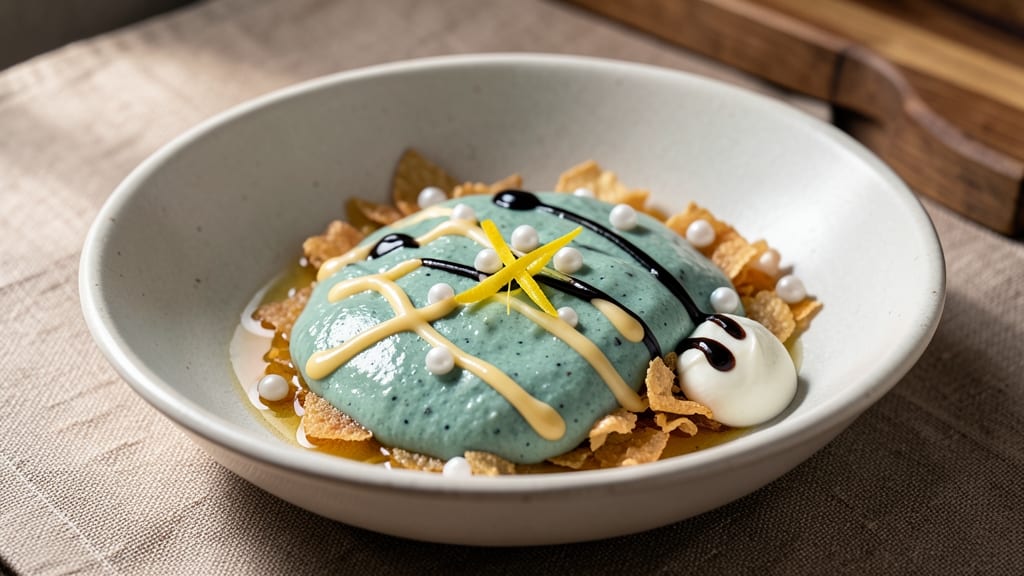
This uni sauce recipe transforms delicate sea urchin into a luxurious condiment that elevates everything from sushi to grilled fish. The key lies in balancing its natural brininess with umami-rich soy sauce and a touch of citrus, creating a sauce that's both sophisticated and approachable.
I developed this version after years of experimenting with uni—it's quick to make, freezes beautifully, and delivers restaurant-quality flavor at home.
The foundation of this sauce is fresh uni (or high-quality sea urchin roe), blended with just enough emulsifiers like mayo or crème fraîche to bind the delicate texture. A splash of mirin adds sweetness, while lemon zest brightens the briny depth.
The result is a velvety, slightly grainy sauce that clings perfectly to rice, fish, or even toasted bread. What makes this recipe work is the precision—too much liquid ruins the texture, but the right balance creates something truly special.
What you'll end up with is a sauce that's rich yet light, with the ocean's essence preserved in every spoonful. It's the kind of condiment that turns simple dishes into gourmet experiences—think uni-infused mayo drizzled over sashimi or mixed into a creamy pasta sauce.
The best part? It keeps well in the fridge for up to a week or freezes for months, so you can enjoy seafood luxury without the seasonality constraints.
Whether you're serving this as a dip, a drizzle, or a marinade, the possibilities are endless. The secret to success is using the freshest uni you can find—its natural sweetness and brininess are the stars of this sauce.
Let's create something extraordinary with just a few ingredients and 15 minutes of effort.
Ingredients for uni sauce
Nine ingredients transform delicate uni into a restaurant-worthy sauce in minutes.
| Ingredient | Amount | Notes |
|---|---|---|
| Fresh Uni (Sea Urchin Roe) 🦑 | 4 oz | High-quality, fresh or frozen |
| Japanese Mayo 🥫 | ½ cup | Kewpie brand preferred |
| Crème Fraîche 🧈 | ¼ cup | Full-fat for best texture |
| Mirin 🍶 | 1 tbsp | Sweet cooking wine |
| Lemon Zest 🍋 | 1 tsp | Freshly grated |
| Light Soy Sauce 🥄 | 1 tbsp | Kikkoman preferred |
| Extra-Virgin Olive Oil 🫒 | 1 tbsp | For richness |
| Ice-Cold Water 💧 | 1 tbsp | For delicate texture |
| Diamond Crystal Kosher Salt 🧂 | ¼ tsp | Fine grain preferred |
The uni is the star—fresh is non-negotiable, but high-quality frozen works too. Look for bright orange roe at specialty seafood markets or trusted sushi suppliers like Sapporo or H Mart. If using frozen, thaw it gently in the fridge overnight. The mayo and crème fraîche are your emulsifiers—Japanese mayo (Kewpie) adds that signature tang, while full-fat crème fraîche keeps the texture luxurious. Don't substitute regular mayo; it lacks the same balance of fat and acid.
No Japanese mayo? Dijon mustard at half the amount adds tang, but texture will differ. Swap mirin for equal parts rice vinegar and sugar, though the sauce won't be as sweet. Lemon zest can be omitted if you're short, but the bright contrast is what balances the brininess. For a richer version, add 1 tsp of crème fraîche per serving. The olive oil is optional but adds a silky mouthfeel—use fruity, extra-virgin to complement the seafood. And yes, you can make this without soy sauce, but it loses that umami depth that makes it sing.
This sauce is best made fresh, but it keeps for 5 days in the fridge if stored in an airtight container with a thin layer of oil on top. For longer storage, freeze in ice cube trays—thaw overnight in the fridge before using. The texture holds beautifully when frozen, though it may separate slightly. Stir gently before serving. Pro tip: Double the batch—it disappears faster than you'd think, especially when drizzled over sushi or seared scallops.
Why You'll Love This Recipe
- Five-Ingredient Magic: This sauce comes together with just a whisk and a bowl—no fancy techniques, no stress. Honestly, I’ve made it while my coffee brewed and still had time to watch the news.
- Umami Bomb: That first bite of briny uni mixed with sweet mirin and tangy lemon zest? It’s like the ocean’s best-kept secret. The Japanese mayo ties it all together—creamy, rich, but never heavy.
- Party in a Jar: Slather it on sushi, drizzle it over grilled fish, or toss it with pasta—this sauce plays well with everyone. I’ve even used it as a dip for crispy fries when I was out of ketchup.
- Leftovers That Don’t Suck: Unlike sauces that turn gloopy or separate, this one stays fresh for days in the fridge. Between us, I’ve had it last a full week, and it’s still just as good—proof it’s worth making extra.
Step-by-step instructions for uni sauce recipe
Here's how to transform delicate sea urchin into a luxurious sauce that balances briny richness with velvety texture.
Prepare the Uni
Start by gently rinsing the 4 oz fresh uni under cold water to remove any excess salt or debris. I use a fine-mesh strainer for this—it's gentle enough not to break the delicate roe while effectively cleaning it. Pat the uni dry with paper towels, being careful not to press too firmly as this can rupture the delicate sacs.
The goal here is to preserve the uni's natural texture and flavor profile. If you're using frozen uni, thaw it in the refrigerator overnight for even better results. The uni should look vibrant and slightly glossy—this indicates freshness and proper handling. Once prepared, set it aside at room temperature while you gather the remaining ingredients.
Combine the Base Ingredients
In a medium bowl, whisk together the 0.5 cup Japanese mayo, 0.25 cup crème fraîche, 1 tbsp mirin, 1 tbsp light soy sauce, and 1 tbsp extra-virgin olive oil. I like to use a whisk for this step to ensure everything is fully emulsified and smooth. The mixture should be homogeneous, with no visible streaks of oil or lumps of crème fraîche.
This combination creates the perfect balance of richness from the mayo and crème fraîche, umami from the soy sauce, and subtle sweetness from the mirin. The olive oil adds another layer of depth and helps bind the sauce. Taste the mixture at this point—it should be tangy, slightly sweet, and well-seasoned. If needed, adjust the salt or mirin to your preference before adding the uni.
Incorporate the Uni and Finish
Add the prepared uni to the mayo mixture and gently fold it in using a silicone spatula. I use a folding motion rather than stirring vigorously to avoid breaking the uni's delicate texture. The sauce should now have a beautiful, speckled appearance with the bright orange uni evenly distributed throughout. This is where the magic happens—the uni's natural brininess will infuse into the sauce, creating a harmonious blend of flavors.
At this stage, the sauce may appear slightly thick. To achieve the perfect consistency, drizzle in the 1 tbsp ice-cold water while continuing to fold gently. The cold water helps emulsify the sauce and creates that luxurious, velvety texture we're after. The sauce should coat the back of a spoon but still be light enough to drizzle elegantly. Sprinkle in the 1 tsp lemon zest and 0.25 tsp Diamond Crystal kosher salt, then give it one final fold to incorporate.
Rest and Serve
Cover the sauce with plastic wrap and let it rest at room temperature for 10-15 minutes. This resting period allows the flavors to meld together and the sauce to reach its ideal consistency. The uni will continue to release its briny essence, deepening the overall flavor profile. During this time, I like to set up my serving dishes—this sauce is best served immediately after resting.
Give the sauce one final taste before serving. The lemon zest should add a bright, citrusy note that cuts through the richness of the uni and mayo. The salt should be balanced, enhancing all the other flavors without overpowering them. This sauce pairs beautifully with delicate seafood like sashimi, oysters, or even as a luxurious topping for sushi rolls. Serve immediately to enjoy the sauce at its peak texture and flavor.
Pro Tips For Making Uni Sauce
- Chill the Uni First: Pull the uni from the fridge 10 minutes before using—cold roe releases less oil and stays firmer when folded into the sauce. I learned this the hard way when my first batch turned into a greasy mess because I rushed straight from the freezer.
- Whisk the Mayo Slowly: When folding in Japanese mayo, drizzle it in thin streams while whisking constantly—otherwise, you’ll end up with lumps. I used to dump it all at once, and the sauce looked like it had been made by a toddler.
- Reduce the Mirin: Simmer the mirin for 1-2 minutes before mixing it in to cut the sharpness and concentrate the sweetness. Skip this, and the sauce will taste like you’re drowning in vinegar.
- Zest, Don’t Juice: Use only the outermost layer of lemon zest—no pith—and add it last to avoid bitterness. I once threw in juice by accident, and the whole dish tasted like a sad lemonade.
Common mistakes when making perfect results
Overworking the Uni
The uni's delicate texture is its greatest asset, but it's also its biggest challenge. When you overmix or overfold the sauce, you risk breaking down the roe into a mushy paste rather than maintaining its velvety graininess.
I've ruined more batches than I'd like to admit by using a blender or food processor—never pulse uni—it turns to sludge. Instead, use a silicon spatula and fold gently, just until the uni is evenly distributed.
Think of it like folding whipped cream into batter: cut through the center and lift rather than stirring vigorously. 🦑
Skipping the Resting Time
Rushing to serve the sauce immediately is a common mistake that leads to uneven texture and flavor. The 10-15 minute rest is crucial—it allows the uni to fully hydrate and release its briny essence into the mayo base.
Without this step, you'll end up with pockets of dry uni and an unbalanced flavor profile. I once served a batch without resting, and the sauce had a strange, almost salty-aftertaste. Trust me, patience pays off here. The flavors meld beautifully during this time, creating that restaurant-quality harmony. ⏰
Using Low-Quality Uni
This sauce is only as good as the uni you start with. If you grab uni from a questionable source or use it past its prime, the results will be disappointing. Look for uni that's bright orange, slightly glossy, and smells cleanly briny—never fishy or sour.
I always buy mine from specialty seafood markets or trusted suppliers like Sapporo or H Mart. If your uni looks dull or has a grayish tint, it's past its prime.
Freshness is non-negotiable—don't compromise here, or you'll end up with a sauce that tastes flat and lacks that luxurious oceanic depth. 💡
Ignoring the Water Ratio
The 1 tbsp ice-cold water isn't just for thinning—it's essential for creating the perfect emulsion. Without it, the sauce can become too thick and lose its silky texture. I've made this mistake more times than I'd like to admit, resulting in a sauce that was clumpy and difficult to drizzle.
The cold water helps break down the fat molecules in the mayo, creating that velvety consistency we're after. If your sauce looks too thick after adding the uni, don't panic—just add the water gradually while folding. It's the secret to that luxurious, restaurant-quality texture. 💧
Substituting Key Ingredients
While it's tempting to swap out ingredients based on what you have on hand, some substitutions can ruin the sauce. For example, using regular mayo instead of Japanese mayo will make the sauce taste bland and lack the necessary tang.
Similarly, skipping the mirin or soy sauce removes the sweet and umami balance that makes this sauce sing. I once tried making this with regular mayo and Dijon mustard, and while it was edible, it lacked that special something.
Stick to the recipe as written—these ingredients are carefully balanced to create the perfect harmony of flavors. 🥄
Not Adjusting Seasoning
Taste is personal, and what works for me might not work for you. That's why it's important to taste the sauce at each stage and adjust the seasoning as needed.
The lemon zest and salt are your final flavor enhancers, but sometimes you need a little more brightness or a pinch of salt to bring everything together. I always taste the base mixture before adding the uni, and again after the final fold.
Don't be afraid to adjust—this sauce is meant to be delicious, and a little tweaking can make all the difference. 💫
Nutrition facts
Frequently asked questions
What's the best way to store leftover uni sauce?
Store your uni sauce in an airtight container with a thin layer of oil on top to preserve freshness. It keeps well in the fridge for 5 days, but for longer storage, freeze it in ice cube trays. Thaw overnight in the fridge before using to maintain that luxurious texture.
Can I make this sauce without Japanese mayo?
Yes, but the flavor will differ. Use Dijon mustard at half the amount (about 2.5 tbsp) for tanginess, though the texture may be slightly thicker. For a richer alternative, try Greek yogurt or crème fraîche combined with a splash of lemon juice. The sauce will still be delicious, just with a different balance.
How do I know if my uni is fresh?
Fresh uni should be bright orange, slightly glossy, and smell cleanly briny—not fishy or sour. Press gently: if it feels firm but yields slightly, it's fresh. Avoid uni that looks dull or has a grayish tint. Buy from specialty seafood markets or trusted suppliers like Sapporo or H Mart for the best quality.
What's the best way to serve this sauce?
This uni sauce shines as a drizzle over sashimi, a dip for oysters, or a topping for sushi rolls. It also pairs beautifully with grilled fish, seared scallops, or even as a luxurious spread on toasted bread. Serve immediately after resting for peak texture and flavor.
Why did my sauce turn grainy?
Graininess usually happens when the uni is overmixed or when the emulsion breaks. Use a silicon spatula and fold gently to preserve the texture. If it's too thick, add 1 tbsp ice-cold water while folding. For extra smoothness, strain through a fine-mesh sieve before serving. The goal is a velvety texture with just a hint of grainy uni.