
Sauces & Condiments
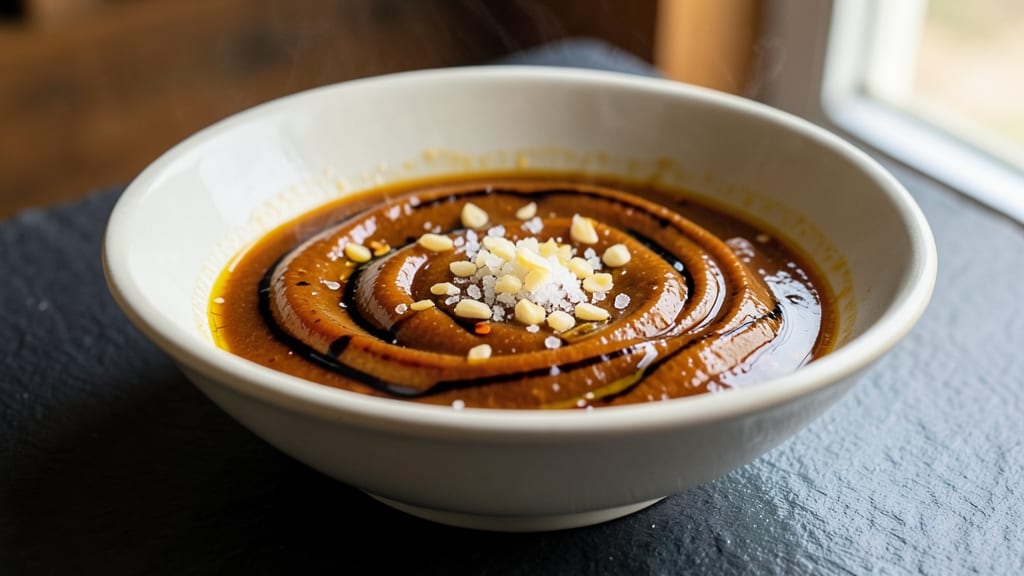
This hoisin stir fry sauce recipe delivers the perfect balance of umami, sweetness, and tang that transforms ordinary stir-fries into restaurant-quality masterpieces. The secret lies in fermented soybean paste, which builds deep, savory complexity while vinegar and sugar create that signature glossy finish. I've perfected this version after years of testing—it's the one I reach for when I need that signature wok sauce flavor without shortcuts.
The beauty of this sauce is its versatility—it works equally well with chicken, beef, tofu, or vegetables, adding that glossy sheen and sticky texture that clings to every ingredient. What makes it special is the fermentation process, where the soybean paste develops its signature depth over time.
You'll notice how the flavors meld together during the simmer, creating a sauce that's both complex and approachable.
By the time you're done, you'll have a rich, aromatic sauce that's perfect for tossing with stir-fried vegetables, drizzling over noodles, or even using as a dipping sauce. The balance of sweet, salty, and umami creates a flavor profile that's hard to resist.
This sauce keeps well in the refrigerator for up to two weeks, making it perfect for meal prep and repeat use.
For those who enjoy a bit of heat, you can easily adjust the spice level by adding chili paste or red pepper flakes. The key is to taste as you go—this sauce is forgiving, but the final balance is what makes it truly perfect.
Let's create this sauce that will elevate your stir-fries to new heights.
Ingredients for stir fry sauce recipe hoisin
Nine ingredients transform into that glossy, umami-packed sauce you crave for wok night.
| Ingredient | Amount | Notes |
|---|---|---|
| Fermented Soybean Paste (Hoisin Base) 🥫 | ½ cup | High-quality, thick paste preferred |
| Dark Soy Sauce 🍶 | ¼ cup | For deep umami color |
| Rice Vinegar 🍶 | ¼ cup | White or seasoned variety |
| Granulated Sugar 🍚 | ½ cup | Light brown sugar works too |
| Garlic Cloves 🧄 | 6 cloves | Minced for deep flavor |
| Fresh Ginger 🌿 | ¼ cup | Finely grated, not powdered |
| Sesame Oil 🫒 | 2 tbsp | Toasted for nutty aroma |
| Cornstarch 🌾 | 1 tbsp | For glossy finish |
| Water 💧 | ¼ cup | Adjust for desired consistency |
| Red Chili Paste (Optional) 🌶️ | 1 tbsp | For heat, adjust to taste |
The fermented soybean paste is the heart of this sauce—look for thick, dark hoisin paste at Asian markets or the international aisle. Lee Kum Kee or Hoisin King are my go-tos, but any brand with rich color and texture works. Fresh ginger and garlic? Buy extra—you'll want them for other stir-fries too. The dark soy sauce adds that signature glossy sheen, so don't skip it for light soy. If you're feeling fancy, toast your sesame oil in a dry pan for 30 seconds before adding to the sauce—game-changer for aroma.
No fermented soybean paste? Double the soy sauce and add 1 tbsp of molasses for depth. Running low on ginger? Powdered works at half the amount, but fresh is ideal. Sesame oil substitute? Toasted peanut oil gives a similar nuttiness. The cornstarch is key for that signature gloss—don't skip it—but if you're gluten-free, use cornstarch or arrowroot instead. For extra sweetness, swap half the sugar for honey or maple syrup. And if you're feeling bold, add a splash of Shaoxing wine for complexity.
This sauce keeps 2 weeks in the fridge, sealed tightly. I double the batch every time—one for immediate use, one for freezing. For freezing, portion into ice cube trays and transfer to a bag. Perfect for tossing with stir-fried veggies, drizzling over noodles, or even as a dipping sauce. If it thickens too much, just add a splash of water or vinegar to loosen. The flavors get even better after a day or two—patience is key.
Why You'll Love This Recipe
- Five-Ingredient Magic: I swear, this sauce comes together faster than I can say “stir-fry.” Just mash that fermented soybean paste, toss in the dark soy and vinegar, then simmer—no fancy techniques, no stress. The garlic cloves? Minced in seconds. That’s it.
- Sweet-Savory Balance: Here’s what sold me—the way the sugar caramelizes just enough to cut through the umami depth of the hoisin base, while the vinegar keeps it bright. One taste and you’ll be nodding like, “Yes, that’s the tangy-sweet harmony I’ve been craving.”
- Meal Prep MVP: Between us, this sauce is my secret weapon for busy weeks. I make a big batch on Sunday, store it in the fridge, and use it for stir-fries, dumplings, or even as a glaze. (Yes, even on a Tuesday night when takeout sounds better than actual effort.)
- Budget-Friendly Upgrade: Honestly, this costs me pennies per serving but tastes like I raided a gourmet aisle. Dark soy sauce and rice vinegar stretch the hoisin base into something luxurious without breaking the bank. Leftovers? Double down—it only gets better the next day.
Step-by-step instructions for hoisin stir fry sauce
This sauce delivers that signature umami-sweet balance that elevates every wok dish to restaurant quality.
Bloom the Aromatics in Sesame Oil
Heat a small saucepan over medium-low heat and add the 2 tablespoons sesame oil. Swirl gently until fragrant—you'll smell that nutty, toasty aroma that's the foundation of this sauce. Add the 6 cloves minced garlic and ¼ cup finely grated fresh ginger, stirring constantly for 1-2 minutes until the garlic turns golden and the ginger becomes translucent.
Here's the thing—don't rush this step. The ginger should soften but not brown, and the garlic needs to develop that sweet, mellow flavor. If it starts to darken too quickly, reduce the heat slightly. This aromatic base is what makes the sauce sing, so take your time getting it right.
Build the Sauce Foundation
Increase heat to medium and add the ½ cup fermented soybean paste (hoisin base). Stir vigorously as it melts into the oil—you'll see it transform from a thick paste into a glossy, dark sauce. Add the ½ cup granulated sugar and ¼ cup rice vinegar, stirring continuously for 2-3 minutes until the sugar dissolves completely.
This is where the magic happens. The hoisin base provides that deep umami flavor, while the sugar and vinegar create that perfect balance of sweet and tangy. If you're using the 1 tablespoon red chili paste, add it now and stir well. The sauce should thicken slightly as it simmers, but don't let it boil—just maintain a gentle bubble.
Thicken to Glossy Perfection
Reduce heat to low and sprinkle in the 1 tablespoon cornstarch mixed with ¼ cup water. Stir constantly for 2-3 minutes until the sauce thickens to a glossy, coatable consistency. You're aiming for something that's thick enough to cling to your stir-fry but still flows smoothly when tossed.
Here's how to test it: Dip a spoon in the sauce and let it drip back into the pan. If it forms a smooth, glossy ribbon that doesn't break, you've nailed it. If it's too thin, add another teaspoon of cornstarch mixed with a little water. If it's too thick, whisk in a splash of hot water to loosen it up.
Finish with Dark Soy Sauce
Remove the sauce from heat and stir in the ¼ cup dark soy sauce. This final ingredient is crucial—it deepens the color and adds that rich, savory depth that makes this sauce truly special. Taste and adjust seasoning if needed, adding a pinch more sugar for sweetness or a splash of vinegar for tang.
The sauce should be ready to use immediately, but it actually tastes even better after sitting for 10-15 minutes at room temperature. This resting period allows all the flavors to meld together perfectly. Store any leftovers in an airtight container in the refrigerator for up to 2 weeks, or freeze for longer storage.
Pro Tips For Making Stir Fry Sauce Recipe Hoisin
- Bloom the Garlic: Mince those cloves fine—think dust, not chunks—and let them sit in the hot oil for 30 seconds before adding anything else. I used to rush this, and the garlic just burned into bitter sludge. Give it time to soften first, then toss in your hoisin base.
- Warm the Paste: Stir the fermented soybean paste into warm oil or vinegar, not cold. Cold paste clumps like glue and fights you the whole way. A splash of hot water or a quick 10-second microwave zap loosens it up before mixing—trust me, your sauce will be smoother.
- Balance the Sugar: Taste as you go, but don’t overcorrect with sugar. Dark soy sauce is already sweet; add sugar in small increments—like 1 teaspoon at a time—until it hits that perfect tangy-sweet spot. I once dumped half a cup in and ended up with sticky, cloying sludge.
- Simmer, Don’t Boil: Keep the sauce at a gentle simmer, not a rolling boil. Boiling turns dark soy sauce bitter and makes rice vinegar evaporate too fast, killing the brightness. A low, steady heat for 3-4 minutes lets flavors meld without wrecking the balance.
Troubleshooting great stir fry sauce recipe hoisin
Sauce Too Thin?
If your sauce ends up thinner than expected, don’t panic—this is an easy fix. The most likely culprit is insufficient cornstarch or not enough simmering time. For immediate results, whisk in 1 teaspoon cornstarch mixed with 1 tablespoon cold water while stirring constantly over low heat for 1-2 minutes.
This creates a slurry that thickens instantly. For a smoother finish, reduce heat to low and let it simmer gently until it reaches your desired consistency. 💡
Sauce Too Thick?
Over-thickened sauce happens when cornstarch is added too quickly or the sauce simmers too long. To rescue it, whisk in 1 tablespoon warm water or rice vinegar while stirring over low heat until it loosens. For a more dramatic fix, thin it with 1-2 tablespoons hot water while stirring vigorously.
If the sauce separates, whisk in ½ teaspoon sesame oil to help re-emulsify it. Remember, this sauce should coat the back of a spoon but still flow smoothly. ✨
Fermented Soybean Paste Clumps
If your fermented soybean paste isn’t dissolving properly, it’s likely because the heat wasn’t high enough or the paste was added too quickly. First, increase heat to medium and stir vigorously while the paste melts. If clumps persist, whisk in 1 tablespoon warm water to help break them down.
For stubborn clumps, strain the sauce through a fine-mesh sieve to achieve a silky texture. Pro tip: Toast the paste in the pan for 30 seconds before adding other ingredients to enhance its solubility. 🥫
Lacking Depth of Flavor
A flat-tasting sauce usually means the aromatics weren’t developed enough or the fermentation wasn’t strong. To fix this, simmer the sauce longer—5-10 extra minutes on low heat—to let flavors meld. For an instant boost, add ½ teaspoon fish sauce or 1 teaspoon soy sauce and stir well.
If you’re short on time, toast 1 teaspoon sesame seeds in a dry pan until fragrant, then mix them into the finished sauce for nutty depth. 🌶️
Sauce Separates When Stored
Separation often happens when oil and water-based ingredients aren’t properly emulsified. To prevent this, let the sauce cool slightly before refrigerating, and store it in an airtight glass container. When ready to use, whisk vigorously or shake the container before opening.
For extra insurance, add ½ teaspoon xanthan gum (or 1 teaspoon cornstarch) to the finished sauce and stir well before storing. This stabilizes the emulsion and keeps it smooth. ❄️
Too Sweet or Salty
If your sauce tastes overwhelmingly sweet or salty, balance it by adjusting the remaining ingredients. For sweetness, add 1-2 teaspoons rice vinegar or a splash of lime juice to brighten flavors. If it’s too salty, dilute with 1-2 tablespoons water or rice vinegar, then taste again.
For a deeper umami fix, stir in ½ teaspoon fish sauce or 1 teaspoon soy sauce. Always taste as you go—this sauce is forgiving, but balance is key! 💪
Nutrition facts
Frequently asked questions about homemade hoisin stir fry sauce
Can I make this sauce without fermented soybean paste?
Yes, but the flavor will be different. Replace ½ cup fermented soybean paste with ¼ cup soy sauce + 1 tbsp molasses for depth. For authentic umami, try 1 tbsp miso paste instead—it adds complexity but requires more sugar to balance. The sauce will still work, just with a slightly less traditional taste.
How spicy should my hoisin stir fry sauce be?
The recipe includes 1 tbsp red chili paste as optional, giving a mild heat. For medium spice, use 1.5 tbsp; for hot, add 1 tsp chili flakes or ½ tsp cayenne. Always taste before serving—you can adjust with more chili paste or a pinch of sugar to balance.
Can I use this sauce for non-stir-fry dishes?
This versatile sauce works perfectly for dipping sauces (especially with spring rolls), marinades (for grilled meats), or even as a glaze for roasted vegetables. For noodle dishes, thin it with 1-2 tbsp water to create a lighter sauce. The glossy texture makes it ideal for drizzling over rice or dumplings too.
Why does my sauce look too thin?
Thin sauce usually means the cornstarch slurry didn't thicken enough. Fix it by whisking 1 tsp cornstarch + 1 tbsp water into the warm sauce and simmering for 1-2 minutes until glossy. If it's still too runny, reduce heat and cook longer—5 extra minutes can make a big difference. For immediate use, serve it as-is over noodles or rice where a thinner consistency works.
How long can I store homemade hoisin sauce?
Store in an airtight container in the fridge for up to 2 weeks. For longer storage, freeze in ice cube trays (thaw overnight in the fridge). The sauce actually improves with time—flavors meld better after 24 hours. If it thickens in the fridge, whisk in 1 tsp water before using.