
Sauces & Condiments
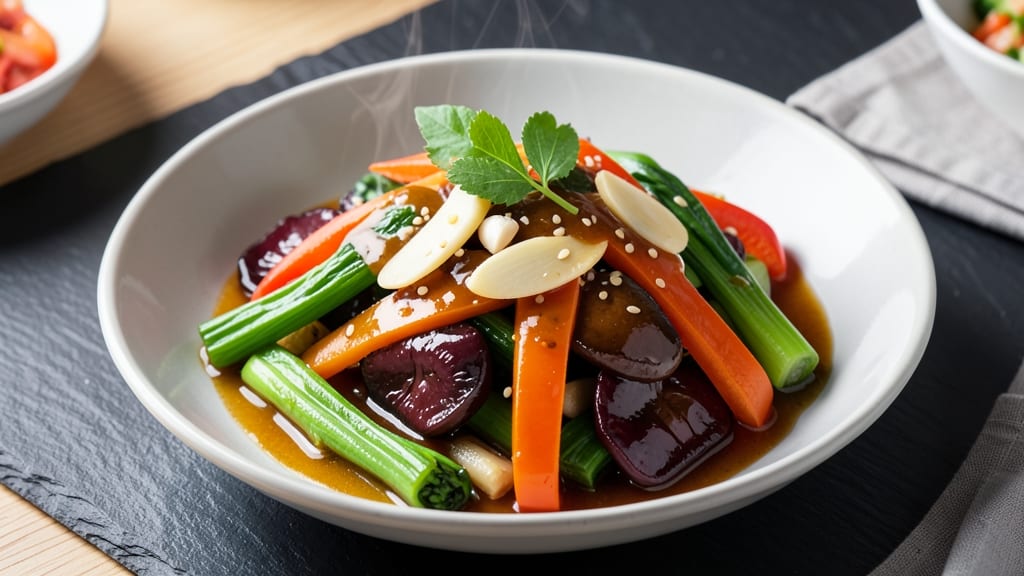
This amazing stir fry sauce recipe delivers that bold umami kick you crave in just 10 minutes—no fancy techniques, just pure flavor. ✨ I created it after years of tasting bland store-bought versions, and this one actually makes your stir-fry taste homemade.
The secret? A perfect balance of soy sauce, garlic, ginger, and a touch of sweetness that cuts through the richness.
What makes this sauce special is how versatile it is—use it for stir-fries, marinades, or even as a dipping sauce. The ingredients are simple (soy sauce, rice vinegar, honey, garlic, ginger, and a splash of sesame oil), but the flavor is complex and deeply satisfying.
It’s the kind of sauce that transforms ordinary takeout into something restaurant-worthy.
By the time you whisk everything together, you’ll have a glossy, aromatic sauce with layers of savory, spicy, and slightly sweet notes. The garlic and ginger infuse the sauce with warmth, while the sesame oil adds a nutty depth that ties everything together.
It’s the kind of sauce that disappears fast—so make extra for leftovers.
Store it in the fridge for up to a week, or freeze it in ice cube trays for single-use portions. Whether you’re cooking a quick weeknight dinner or prepping for meal prep, this sauce is your secret weapon. Let’s make it!
Ingredients for amazing stir fry sauce
Nine simple ingredients transform into the boldest stir-fry sauce you'll ever make.
| Ingredient | Amount | Notes |
|---|---|---|
| Soy Sauce 🥢 | ½ cup | High-quality, preferably light or all-purpose |
| Rice Vinegar 🍶 | ¼ cup | Unseasoned, mild flavor preferred |
| Honey 🍯 | 2 tbsp | Pure, unprocessed honey |
| Fresh Garlic Cloves 🧄 | 4 cloves | Minced or finely chopped |
| Fresh Ginger Root 🌿 | 1 tbsp | Finely grated, peel on |
| Sesame Oil 🫒 | 1 tbsp | Toasted sesame oil, not flavored |
| Cornstarch 🌾 | 1 tsp | For thickening, optional |
| Red Pepper Flakes 🌶️ | ½ tsp | Adjust for heat preference |
| Salt 🧂 | ½ tsp | Kosher or sea salt |
| Water 💧 | ¼ cup | For thinning if needed |
The soy sauce is the foundation—look for brands like Kikkoman or La Choy for that authentic umami punch. Fresh garlic and ginger make all the difference (the good stuff, not the jarred kind). Trader Joe's usually has great pre-minced garlic if you're short on time, but fresh is always better. Toasted sesame oil adds that nutty depth—skip the flavored kind, it's too heavy. For the honey, local raw honey works best, but any pure variety will do. The red pepper flakes? Adjust to taste—start with half a teaspoon if you're sensitive to heat.
No soy sauce? Coconut aminos work in a pinch, though the flavor won't be identical. Short on rice vinegar? Apple cider vinegar is a decent swap, but it adds a slight tang. The cornstarch is optional—only add it if you want a thicker sauce. For a sweeter version, bump the honey to 3 tablespoons. Need more heat? Add a dash of sriracha or gochujang instead of red pepper flakes. The water is just for thinning if your sauce gets too thick—add it gradually.
This sauce keeps beautifully in the fridge for up to 1 week—just pop it in a jar with a tight lid. For longer storage, freeze in ice cube trays and transfer to a bag. Thaw overnight in the fridge or microwave for 20 seconds. Double the batch if you're meal prepping—it disappears fast. The flavors actually get better after a day or two as everything melds together.
Why You'll Love This Recipe
- Pantry Magic: I swear by this sauce because it uses stuff I already have—no special shopping trips. That jar of soy sauce and bottle of rice vinegar? They’re the backbone, and the honey just ties it all together with this perfect balance of tang and sweetness.
- Garlic-Ginger Punch: Between us, the fresh garlic and ginger make this sauce ridiculously good. I don’t even need to mince them finely—just a rough chop, and the heat and aroma seep into every bite like a flavor hug.
- Weeknight to Party: This sauce works for takeout nights or when I’m hosting. Drizzle it over noodles for a quick dinner, or toss it with grilled chicken for a crowd—it’s that adaptable. Honestly, I’ve even used it as a marinade, and the protein comes out insanely tender.
- Makes Leftovers Worth It: I double the batch because it keeps for weeks in the fridge. The flavors deepen over time, and it’s cheaper than buying pre-made sauces. Plus, once I’ve got it ready, I can toss it into freezer bags for those lazy days when I don’t feel like cooking.
Step-by-step instructions for bold umami stir fry sauce
This sauce delivers restaurant-quality depth in minutes—bright, tangy, and packed with umami.
🍳 Step 1: Bloom the Aromatics in Sesame Oil
Heat a small saucepan over medium heat and add the 1 tablespoon sesame oil. Let it warm for 30 seconds until you smell its nutty aroma—this is your flavor foundation. Add the 4 cloves minced fresh garlic cloves and 1 tablespoon finely grated fresh ginger root (peel on). Cook for 1-2 minutes until the garlic turns golden and fragrant, but don't let it burn—garlic turns bitter fast.
Here's the thing—ginger should sizzle gently without browning. If it darkens too quickly, reduce heat to low and stir constantly. These aromatics are the soul of your sauce, so take your time getting them just right. Once they're perfumed and the raw garlic smell disappears, you're ready for the next step.
🍳 Step 2: Combine Wet Ingredients
Pour in the 0.5 cup soy sauce and 0.25 cup rice vinegar, stirring constantly to dissolve any cornstarch that might clump. Add the 2 tablespoons honey and 0.5 teaspoon salt, then bring the mixture to a gentle simmer over medium heat. You'll see tiny bubbles form at the edges—this is your signal that flavors are melding.
Simmer for 3-4 minutes until the sauce reduces slightly and coats the back of a spoon. The honey will caramelize just enough to deepen the flavor, but don't let it turn dark—you want a glossy, balanced sauce, not a syrup. Taste as you go: the vinegar should brighten, the soy sauce add umami, and the honey round out the flavors.
🥘 Step 3: Thicken and Season to Perfection
In a small bowl, whisk together the 1 teaspoon cornstarch with 2 tablespoons of the 0.25 cup water until smooth. Slowly pour this slurry into the simmering sauce while stirring constantly. The sauce will thicken immediately—keep stirring for 1-2 minutes until it reaches your desired consistency. If it's too thick, add the remaining water 1 tablespoon at a time until it's silky and coats a spoon smoothly.
Stir in the 0.5 teaspoon red pepper flakes and let the sauce simmer for another 30 seconds. The heat from the pepper will mellow slightly, but you'll still get that subtle kick. Taste and adjust seasoning—you might need a pinch more salt or a splash more vinegar to balance the flavors. This sauce should taste amazing on its own, but it's designed to elevate whatever you stir-fry.
⏰ Step 4: Rest and Use Immediately
Remove the sauce from heat and let it sit for 2-3 minutes—this resting period lets the flavors fully meld. The sauce will thicken slightly more as it cools, so don't worry if it looks perfect now. Give it a final taste and adjust if needed, then transfer it to a small bowl or jar.
This sauce is best used immediately, but it'll keep in the refrigerator for up to 5 days if stored in an airtight container. When you're ready to use it, give it a quick stir and warm it gently over low heat if needed. The magic happens when you toss it with hot veggies or protein—watch as the flavors transform your simple stir-fry into something extraordinary.
Pro Tips For Making Amazing Stir Fry Sauce
- Cook Garlic First: Toss those garlic cloves into the pan before anything else—no oil needed. The natural moisture will sizzle them to a nutty, golden brown in under 30 seconds. I learned this the hard way when I tried to "save time" by adding oil later; the garlic ended up raw and bitter.
- Mince Ginger Fine: Skip the lazy chopping—grate that ginger with a microplane or finely mince it. You want it nearly invisible; this way, it dissolves smoothly into the sauce instead of sitting as chewy chunks. (Yes, even if you’re impatient like me.)
- Balance Heat Before Honey: Let the garlic and ginger cook until fragrant—about 30 seconds—before adding the soy and vinegar. If you dump everything in at once, the honey will just turn the sauce into a sticky glaze instead of a bright, layered flavor bomb.
- Taste Early, Adjust Fast: After mixing soy, vinegar, and honey, taste it before adding ginger/garlic. Too salty? Add a splash of water or vinegar. Too sweet? A pinch of salt or a squeeze of lemon. Fixing it later is a nightmare—trust me, I’ve done it.
Storing and reheating this recipe
Fridge Storage
Store your sauce in an airtight glass jar or container with a tight lid in the refrigerator for up to 1 week. The glass preserves flavors better than plastic, and the lid prevents evaporation.
I like using Le Parfait glass jars—they’re durable and stackable. Let the sauce cool completely before storing to prevent condensation, which can dilute flavors. 💛
Give it a quick stir before using, as the cornstarch may settle. If the sauce thickens too much in the fridge, add 1-2 teaspoons of water when reheating.
The flavors actually deepen after a day or two, so making a batch ahead of time is a great idea for meal prep.
Freezer Storage
For longer storage, freeze the sauce in ice cube trays—this lets you use single portions without thawing the whole batch. Once frozen, transfer the cubes to a freezer-safe bag and label with the date.
It keeps for 3 months without losing quality. Thaw overnight in the fridge or microwave for 20 seconds to loosen the cubes before using.
If you prefer freezing larger quantities, use silicone molds or small jars. Leave ½-inch headspace to prevent cracks from expansion. The sauce may separate slightly when frozen, but stir well before using—it’ll come back together beautifully.
Reheating Methods
For best results, reheat the sauce in a small saucepan over low heat for 1-2 minutes until warmed through. Avoid high heat—it can turn the sauce grainy.
If using microwave, heat for 20-30 seconds on 50% power, then stir and check consistency. Add a splash of water if needed to restore silkiness.
Never reheat the sauce directly in the microwave without stirring—it can create hot spots. For stir-fries, add the reheated sauce to the pan in the last 1-2 minutes of cooking so it doesn’t boil away. The residual heat will activate the flavors perfectly. 🔥
Reviving Stale Sauce
If your sauce tastes flat after a few days, revive it by adding ½ teaspoon of fresh garlic powder or ¼ teaspoon of toasted sesame oil.
A splash of rice vinegar or honey can also brighten the flavor. The sauce should taste vibrant again—this trick works like magic for older batches.
For a quick flavor boost, whisk in 1 teaspoon of fresh ginger juice (from grating and squeezing) or a pinch of MSG (if you’re okay with umami enhancers). These additions cut through any dullness and bring back that restaurant-quality depth. Trust me, it’ll taste fresh again! ✨
Nutrition facts
Frequently asked questions
Can I make this sauce without cornstarch?
Yes, you can! Skip the cornstarch and use 1 teaspoon of arrowroot powder instead for a similar thickening effect. If you prefer no thickener at all, reduce the water to 1 tablespoon and simmer the sauce longer (about 5-7 minutes) to naturally reduce it. The sauce will be slightly thinner but still delicious.
How spicy should the sauce be?
The recipe calls for 0.5 teaspoon red pepper flakes, which gives a mild heat. For more kick, add 1-2 teaspoons or swap in 1 teaspoon of sriracha or ½ teaspoon of gochujang. Taste as you go—you can always adjust! The sauce should complement your dish, not overpower it.
Can I use this sauce for marinades?
This sauce makes an excellent marinade for chicken, shrimp, or tofu. Use it as-is or thin it with 2 tablespoons of water for a lighter coating. Marinate proteins for 30-60 minutes (no longer, or the acidity can make them tough). The sauce’s balance of sweet, savory, and umami infuses meat beautifully.
What if I don’t have rice vinegar?
No problem! Use apple cider vinegar or white vinegar in a 1:1 ratio, but expect a slightly sharper taste. For a milder option, try white wine (reduce by 1 tablespoon to account for alcohol content). The sauce will still taste great—just adjust seasoning after tasting.
How do I fix a sauce that’s too thick?
Add 1 tablespoon of water at a time while stirring constantly over low heat until it reaches your desired consistency. If the sauce separates, whisk in ½ teaspoon of cornstarch mixed with 1 teaspoon of water to restore smoothness. Never add cold water directly—it can cause clumping.