
Sauces & Condiments
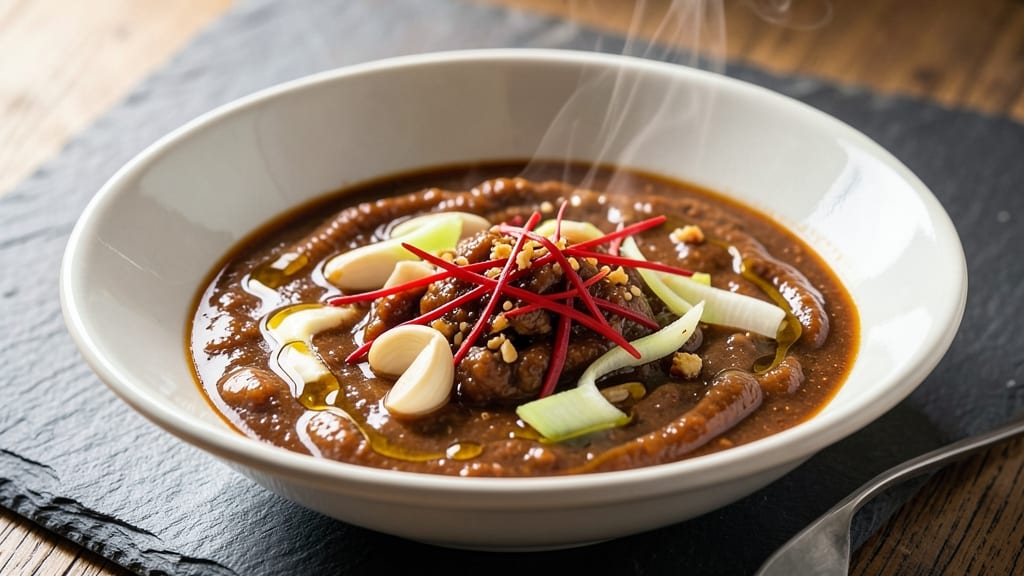
This gochujang stir-fry sauce recipe transforms simple stir-fries into bold, umami-packed masterpieces with just 10 minutes of work. The fermented heat of gochujang blends perfectly with sweet, tangy, and savory elements, creating a sauce that clings to every ingredient while adding depth you won’t find in store-bought versions.
I developed this after years of experimenting with Korean-inspired flavors—balancing the spice, sweetness, and richness is the secret to making it restaurant-quality at home.
The beauty of this sauce lies in its versatility and ease. With just a handful of pantry staples—gochujang, soy sauce, rice vinegar, and a touch of honey—you’ll create a sauce that’s quick to make but packed with layers of flavor.
The aromatics (garlic, ginger, and sesame oil) infuse the sauce with warmth, while a splash of vinegar brightens the richness. It’s the kind of sauce that elevates even the simplest stir-fry into something special, whether you’re cooking for a weeknight dinner or a weekend feast.
What makes this recipe stand out is how it balances heat and sweetness without overpowering the natural flavors of your proteins and vegetables. The gochujang provides a deep, fermented spice, while the honey or sugar adds a caramelized sweetness that rounds out the tanginess of the vinegar.
The result? A glossy, sticky sauce that coats everything beautifully, with just the right amount of kick to keep things exciting.
Once you’ve made it, you’ll want to keep this sauce on hand—it stores perfectly in the fridge for up to 2 weeks or freezes for months. Use it on stir-fries, noodles, grilled meats, or even as a marinade.
The possibilities are endless, and the flavor only gets better with time. Let’s get started—your taste buds will thank you.
Ingredients for gochujang stir fry sauce
Pantry staples meet bold Korean flavors—just ten minutes to transform stir-fries forever.
| Ingredient | Amount | Notes |
|---|---|---|
| Gochujang Paste 🌶️ | ½ cup | Korean fermented chili paste (essential for depth) |
| Kosher Soy Sauce 🥫 | ⅓ cup | Low-sodium preferred for balance |
| Rice Vinegar 🍶 | ¼ cup | White or seasoned variety |
| Honey 🍯 | ¼ cup | Or light brown sugar (1:1 ratio) |
| Sesame Oil 🫒 | 1 ½ tbsp | Toasted for nutty aroma |
| Fresh Garlic Cloves 🧄 | 4 cloves | Minced for aromatic punch |
| Fresh Ginger 🌿 | 1 tbsp | Grated, not powdered |
| Toasted Sesame Seeds 🥜 | 1 ½ tbsp | For crunchy texture |
| Water 💧 | ¼ cup | Adjust for desired consistency |
| Diamond Crystal Kosher Salt 🧂 | ½ tsp | To enhance all flavors |
The gochujang is non-negotiable here. Maesil Chochujang from Korean markets delivers the best depth, but Hanjin or Dae Yang work too. If you can only find the red jar at the grocery store, it's still better than store-bought stir-fry sauce. Fresh ginger and garlic are worth the extra minute to grate and mince—powdered or jarred versions lack the bright, zesty kick. For sesame oil, Kadoya is my go-to, but any toasted variety will work. The honey should be pure, nothing with added corn syrup—it makes a difference in the final balance.
No gochujang? Sriracha plus a dash of miso paste gets you close, though you'll lose that fermented complexity. Substituting brown sugar for honey? Use the same amount, but expect slightly less glossiness. Running low on rice vinegar? Apple cider vinegar works in a pinch, though it adds a fruitier note. The sesame seeds can be skipped if you're in a rush, but they add that satisfying crunch. For extra richness, swap 1 tbsp of the water for chicken or vegetable stock. And if you're sensitive to heat, reduce the gochujang to 0.33 cup and add 1 tsp of sugar to balance.
This sauce keeps beautifully—2 weeks in the fridge with a thin layer of oil on top, or 3 months frozen in ice cube trays. I always make double batches because it disappears fast. For stir-fries, reheat gently with a splash of water to restore glossiness. Use it on everything from tofu and noodles to grilled chicken—just remember, the longer it sits, the more the flavors meld together. Perfect for meal prep when you want restaurant-quality flavor with minimal effort.
Why You'll Love This Recipe
- Five-Ingredient Magic: I swear by this combo—just stir, taste, adjust. No measuring cups, no stress. That gochujang depth hits instantly, and the honey cuts through the heat like a cool breeze.
- Umami Bomb: The kosher soy and gochujang paste team up for a flavor punch that sticks with you. One taste and you’ll understand why I keep this bottle in my fridge at all times—it’s that good.
- Weeknight Workhorse: Slap this on stir-fried veggies, toss it with noodles, or drizzle it over grilled chicken. It’s my go-to when I’m too tired to think but still want something restaurant-worthy.
- Leftovers That Don’t Suck: Make a double batch—it keeps for weeks in the fridge. The vinegar keeps it fresh, and the sesame oil adds richness even after reheating. (Yes, I’ve tested this.)
Step-by-step instructions for gochujang stir-fry sauce
Here's how to craft this bold, balanced sauce that marries heat, sweetness, and umami in minutes.
Bloom the Aromatics
Heat the 1.5 tablespoons sesame oil in a small saucepan over medium-low heat. Add the 4 cloves minced fresh garlic and 1 tablespoon grated fresh ginger, stirring constantly for 30-45 seconds until fragrant but not browned. This step unlocks the aromatic foundation of your sauce—don't rush it or the garlic will burn and turn bitter.
I like to use a wooden spoon here because it helps distribute the aromatics evenly without scratching the pan. Once you catch that warm, toasty garlic scent, it's time to move quickly to the next step before those flavors fade.
Combine Wet Ingredients
Reduce heat to low and add the 0.5 cup gochujang paste, stirring constantly to incorporate. Let it cook for 1 minute to deepen the fermented flavors. Then add the 0.33 cup kosher soy sauce, 0.25 cup rice vinegar, and 0.25 cup honey, whisking vigorously to blend completely.
The sauce will look thick and vibrant at this stage—almost like a rich, spicy jam. This is where the magic happens as all the flavors begin to meld. If you're using light brown sugar instead of honey, add it now and stir until fully dissolved.
Simmer and Thicken
Pour in the 0.25 cup water and add the 0.5 teaspoon diamond crystal kosher salt. Bring to a gentle simmer over medium heat, then reduce to low heat and let it cook for 3-4 minutes, stirring occasionally. You're looking for the sauce to thicken slightly but remain pourable—it should coat the back of a spoon without being gluey.
This simmering step is crucial for developing depth. The acidity from the rice vinegar will brighten as it cooks, while the heat helps the gochujang's natural sugars caramelize just enough to round out the sharpness. Taste occasionally—if it needs more balance, add a touch of honey or a splash of water.
Finish with Toasted Sesame Seeds
Remove the sauce from heat and stir in the 1.5 tablespoons toasted sesame seeds. Let it sit for 1-2 minutes to allow the seeds to infuse their nutty aroma into the sauce. The seeds add both texture and complexity—don't skip this step or you'll miss that satisfying crunch and depth.
For best results, let the sauce cool slightly before using it. The flavors will continue to develop as it sits, and the texture will become even more balanced. This sauce keeps well in the refrigerator for up to 1 week, making it perfect for batch cooking and meal prep.
Pro Tips For Making Gochujang Stir Fry Sauce
- Warm the Gochujang First: Dump cold gochujang straight into hot oil and you’ll end up with a weird, grainy mess. Instead, mix it with the honey and soy sauce first, then let the whole batch sit for 30 seconds—just long enough for the paste to soften and blend smoothly. Trust me, your sauce won’t separate on you mid-stir-fry.
- Balance the Vinegar: Rice vinegar’s acidity can turn your sauce sharp if you’re not careful. Taste as you go, but here’s the real trick: add the vinegar last and only a splash at a time. You can always add more, but you can’t take it out. (And no, a full tablespoon isn’t “safe”—start with half.)
- Skip the Crowding: Tossing everything into the pan at once? Your veggies will steam instead of sear, and the sauce will turn into a sad, watery glaze. Work in batches—get the first layer crisp-tender before adding more, or your stir-fry will taste like it was microwaved.
- Toast the Sesame Oil: Drizzle that sesame oil in after the stir-fry’s done cooking, not before. Heat it up for 10 seconds—just until it smells nutty and fragrant—and swirl it in at the very end. Cold oil kills the aroma, and raw oil tastes flat. (Yes, even if you’re impatient like me.)
Storing and reheating your leftovers
Fridge Storage Tips
Transfer your gochujang stir-fry sauce to an airtight glass container—I prefer mason jars because they’re easy to grab and reuse.
Store it in the fridge for up to 2 weeks, but don’t forget to press a parchment paper over the surface before sealing to prevent a skin from forming.
This sauce actually tastes better after a day or two as the flavors meld together—trust me, the depth develops beautifully. 💫
Freezing for Long-Term Use
For longer storage, freeze the sauce in ice cube trays—this makes it perfect for single-use portions later. Once frozen solid, transfer the cubes to a freezer-safe bag and flatten to save space.
It’ll keep for 3-4 months without losing flavor, though I recommend using it within 2 months for peak freshness. Thaw overnight in the fridge before reheating. 🥶
Reheating for Stir-Fries
To restore that glossy, pourable texture, reheat your sauce gently in a small saucepan over low heat. Add 1-2 tablespoons of water to prevent sticking, and stir constantly until warmed through—about 2-3 minutes.
Never microwave it directly, or the sesame seeds will turn rubbery and the sauce will separate. For stir-fries, I like to toss the sauce with the cooked ingredients right before serving to keep everything hot and vibrant. ✨
Reviving Thickened Sauce
If your sauce thickens too much after refrigeration, simply whisk in 1-2 teaspoons of warm water until it reaches your desired consistency. The heat from the water helps break down the starches in the gochujang, restoring that perfect balance.
If it’s still too thick, add another splash—just don’t overdo it, or you’ll dilute the flavors. A little patience here makes all the difference. 💡
Sauce for Meal Prep
Double or triple the recipe and store it in small portions for easy meal prep. I keep one jar in the fridge for quick stir-fries and freeze the rest in 1-tablespoon portions—perfect for drizzling over rice bowls or noodles.
The sauce’s bold flavors hold up well, so you won’t sacrifice taste even after reheating. Just
Nutrition facts
Frequently asked questions
Can I make this sauce without gochujang?
You can substitute with 3 tablespoons sriracha plus 1 teaspoon miso paste for heat, but you'll lose that deep fermented complexity. For a closer match, blend 2 tablespoons tomato paste + 1 teaspoon smoked paprika + 1 teaspoon sugar to mimic gochujang's umami-sweet profile. The sauce will still be delicious but won't have the same layered flavor.
How do I adjust the heat level?
Start with 0.33 cup gochujang for mild heat, or increase to 0.67 cup for extra spice. For a smoky kick, add ½ teaspoon gochugaru (Korean chili flakes)—but taste first! The rice vinegar naturally balances heat, so if it's too spicy, add 1 extra teaspoon honey to sweeten. Always adjust gradually.
What's the best way to use this sauce?
This versatile sauce works on stir-fries, grilled meats, noodles, and even as a marinade (thin with water first). For stir-fries, toss with veggies and protein at the end for 2-3 minutes to prevent overcooking. Try it on tofu, chicken, or shrimp—the gochujang's umami clings beautifully. For noodles, add sauce directly to hot water for instant flavor.
Why did my sauce separate?
Sauce separation happens when oil and water ingredients aren't properly emulsified. Fix it by whisking vigorously or using an immersion blender for 10-15 seconds. If reheating, add 1 tablespoon water and simmer gently. To prevent this, always whisk the sauce well after making, and store it in a glass jar (not plastic) to maintain consistency.
Can I make this sauce vegan?
Use vegan gochujang (check labels) and swap honey for agave or maple syrup. For extra depth, add 1 teaspoon mushroom powder to replace umami from animal products. The sauce will still be rich and flavorful—just ensure all ingredients are certified vegan.