
Sauces & Condiments
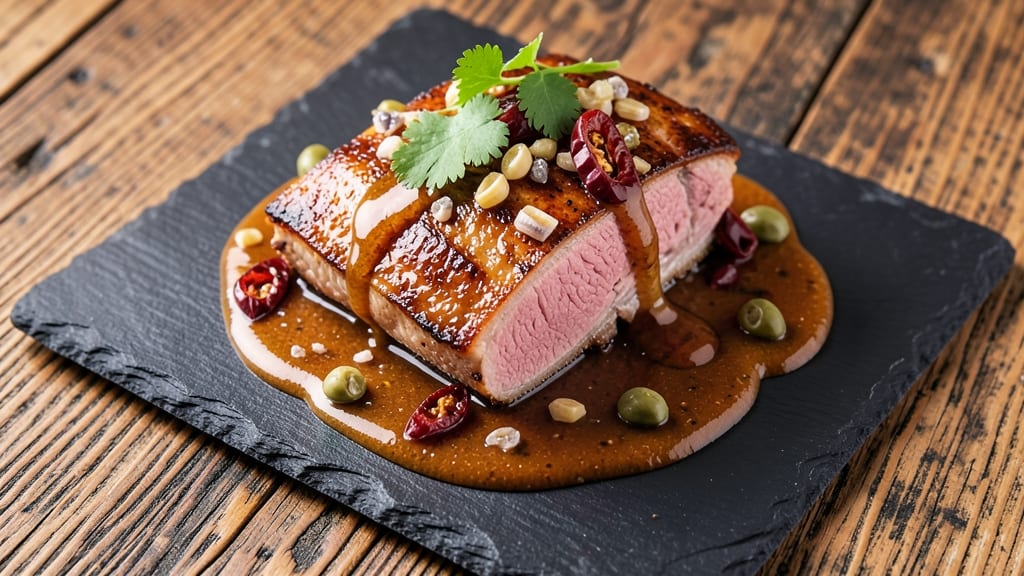
Campagnola sauce transforms simple meals into something extraordinary with its smoky depth and velvety texture—just one spoonful elevates bread, pasta, or seafood to restaurant-quality. This traditional Italian condiment combines anchovies, capers, and chipotle for a complex flavor profile that's both bold and balanced. I've refined this recipe over years to ensure it's foolproof, with a technique that guarantees smoothness without the bitterness that often plagues homemade versions.
The secret lies in slow simmering the sauce until it reaches that perfect velvety consistency, where the smoky chipotle and briny anchovies meld into a harmonious blend.
What sets this apart is the addition of tomato paste and a touch of sweetness from honey, which rounds out the flavors and prevents any harshness. The result is a sauce that's rich yet light, with a depth that makes it irresistible.
This versatile sauce works as a dipping oil for crusty bread, a finishing touch for grilled seafood, or a pasta enhancer that turns simple noodles into a gourmet experience.
The preparation is straightforward—just 15 minutes of active time followed by a gentle simmer—but the impact is undeniable. Once you taste the difference, store-bought versions will never measure up.
Perfect for meal prep, this sauce keeps well in the refrigerator for up to two weeks, allowing you to enjoy its smoky-sweet goodness throughout the week. Whether you're serving it at a dinner party or simply elevating your everyday meals, this campagnola sauce will become a staple in your kitchen.
Let's get started on creating this flavor-packed condiment that's sure to impress.
Ingredients for campagnola sauce
Eleven ingredients combine to create this restaurant-quality sauce that turns simple meals extraordinary.
| Ingredient | Amount | Notes |
|---|---|---|
| Extra-Virgin Olive Oil 🫒 | 1 cup | High-quality, fruity variety preferred |
| Anchovy Fillets 🐟 | ¼ cup | High-quality, packed in oil |
| Capers 🫒 | ¼ cup | Nonpareils, drained and rinsed |
| Chipotle Peppers in Adobo 🌶️ | 2 whole | Adjusted for medium heat |
| Tomato Paste 🍅 | 2 tbsp | San Marzano preferred for sweetness |
| Honey 🍯 | 1 tbsp | Wildflower or clover variety |
| Garlic Cloves 🧄 | 4 cloves | Freshly minced, vibrant color |
| Shallots 🧅 | 2 whole | Minced, substitute with onions |
| Red Wine Vinegar 🍷 | 1 tbsp | Dry, bold variety preferred |
| Diamond Crystal Kosher Salt 🧂 | ½ tsp | Fine grain preferred |
| Freshly Ground Black Pepper 🌶️ | ¼ tsp | Freshly cracked for best flavor |
The anchovies and capers are the flavor anchors here—look for high-quality brands like Caviar House or Whole Foods Market for anchovies packed in oil, not salt. Chipotle peppers in adobo should be freshly opened for maximum smokiness; Penzeys Spices carries excellent options. If you can't find San Marzano tomato paste, any high-quality brand works, but avoid the watery, low-sugar varieties. Honey should be wildflower or clover—avoid overly processed types that can taste artificial. Fresh garlic and shallots are non-negotiable; organic varieties from the grocery store's produce section work perfectly.
No anchovies? High-quality fish sauce at half the amount gets you close, though the flavor profile shifts slightly. Capers unavailable? Lemon juice and a pinch of salt mimic their brininess, though texture will differ. Chipotle too spicy? Remove seeds and membranes first, or use just one pepper. Substituting honey with maple syrup works, but the sauce will taste slightly less refined. For the vinegar, white wine vinegar in a pinch lacks the depth of red wine vinegar. The olive oil must be extra-virgin—regular olive oil won't have the same fruity complexity. If you're short on time, pre-minced garlic from the jar works, but fresh is always better.
This sauce keeps beautifully in the fridge for up to 2 weeks when stored in an airtight jar with a layer of olive oil on top to preserve freshness. For longer storage, freeze in ice cube trays—6 months with no flavor loss. I always make a double batch; one jar stays in the fridge for daily use, and the other goes in the freezer for special occasions. The sauce thickens as it cools, so stir in a splash of olive oil before serving if it seems too stiff. Perfect for drizzling over grilled seafood, tossing with pasta, or serving with crusty bread—every spoonful feels like a little taste of Italy.
Why You'll Love This Recipe
- Pantry Magic: I swear by this sauce because it’s made with things I already have—no special trips to the market. Anchovies and capers? They’re my secret stash for adding depth without extra effort. The chipotle peppers in adobo give it that smoky kick, but I just chop one into the pot and call it done.
- Umami Bomb: The combo of anchovies, tomato paste, and a slow simmer in olive oil creates a flavor that’s ridiculously rich. It’s not just tangy or spicy—it’s this perfect balance of salty, sweet, and heat that makes you want to slather it on everything. Honestly, the first time I tasted it, I nearly licked the spoon.
- Pasta Party Fix: This sauce is my go-to for weeknight dinners, but it also shines at gatherings. Drizzle it over grilled fish, toss it with roasted veggies, or use it as a marinade—it’s that adaptable. My roommates still joke that I “invented” it, but really, it’s just a clever way to elevate simple meals.
- Budget-Friendly Luxury: A jar of capers and a can of chipotles stretch for ages when you’re making this. I’ve fed four people for under $10 using this sauce as the star. Plus, it keeps well in the fridge, so I make a big batch and use it all week—no wasted ingredients, just flavor-packed leftovers.
Step-by-step instructions for campagnola sauce
This velvety sauce builds layer by layer—smoky, tangy, and rich with umami depth.
Bloom the Anchovies and Render the Chipotle
Heat the 1 cup extra-virgin olive oil in a medium saucepan over medium-low heat. Add the 0.25 cup anchovy fillets and let them dissolve completely, about 2 minutes. This creates the sauce's umami foundation—don't rush it or you'll get a bitter flavor.
While the anchovies melt, remove the seeds and membranes from the 2 whole chipotle peppers in adobo, then finely chop them. Add the chopped chipotles to the oil and cook for 3-4 minutes until fragrant. The oil should take on a subtle smoky aroma—this is where the sauce gets its signature heat. Keep the heat low to prevent burning the delicate peppers.
Sweat the Aromatics
Add the 2 whole minced shallots and 4 cloves minced garlic to the pan. Cook for 3-4 minutes over medium-low heat, stirring occasionally, until the shallots turn translucent and the garlic is fragrant but not browned. This step develops their sweetness and removes any raw bite—critical for balancing the sauce's acidity and heat.
I like to watch for the garlic's color here. It should be pale golden, not dark brown. If it starts to brown, reduce the heat immediately. Overcooked garlic turns bitter and ruins the sauce's harmony.
Build the Base with Tomato and Vinegar
Stir in the 2 tbsp tomato paste and cook for 2 minutes until it darkens slightly and loses its raw flour taste. This thickens the sauce and deepens its color. Add the 1 tbsp red wine vinegar next, letting it simmer for 1 minute to mellow its sharpness.
The vinegar brightens the sauce and cuts through the richness. If you're sensitive to acidity, you can reduce this to ½ tbsp, but the full amount balances the smoky chipotle beautifully. Keep stirring gently to prevent the tomato paste from sticking to the bottom.
Finish with Honey and Seasonings
Add the 0.25 cup capers, 1 tbsp honey, 0.5 tsp diamond crystal kosher salt, and 0.25 tsp freshly ground black pepper. Simmer for 5-6 minutes over medium-low heat, stirring occasionally, until the sauce thickens to a velvety consistency. You're looking for a sauce that coats the back of a spoon smoothly—this should take about 5 minutes of gentle simmering.
Taste and adjust seasoning. The honey should mellow the acidity while adding subtle sweetness, and the capers add briny contrast. If the sauce is too thick, whisk in 1-2 tablespoons of water to reach your desired consistency. For extra richness, you can stir in 1-2 tablespoons of heavy cream at the end, but the sauce is already luxurious as-is.
Rest and Serve
Remove the sauce from heat and let it rest for 10 minutes. This allows the flavors to meld and the sauce to thicken further. The resting period is crucial—it's when the sauce transforms from a collection of ingredients into a cohesive, harmonious whole.
Serve the campagnola sauce warm over pasta, drizzled generously with extra-virgin olive oil, or use it as a marinade for grilled meats. The sauce keeps well in the refrigerator for up to 5 days, and its flavors actually deepen over time. For extra depth, let it come to room temperature before serving—this enhances the smoky notes and makes the sauce even more velvety.
Pro Tips For Making Campagnola Sauce
- Bloom the Anchovies First: Toss those anchovy fillets into a splash of warm olive oil for 30 seconds before adding them to the pan—this melts them into a silky paste instead of letting them clump like fishy gravel. I used to just dump them in raw, and the sauce always tasted like you’d forgotten to stir.
- Deglaze with Adobo Juice: Don’t toss the chipotle peppers’ adobo sauce—it’s liquid gold for this sauce. After searing your aromatics, pour in the adobo juice (about 2 tablespoons) and scrape every last bit from the pan before adding the tomato paste. That’s where the smoky depth hides.
- Low and Slow for Tomato Paste: Once you add the tomato paste, turn the heat down to medium-low and let it cook for at least 5 minutes, stirring often. Rushing this step makes the sauce taste raw and bitter—like you shortchanged the flavor. (Yes, even if you’re impatient like me.)
- Salt the Capers Right: Rinse the capers briefly under cold water to remove excess brine, then pat them very dry with a paper towel. Wet capers dilute the sauce and make it watery—this sauce should be bold, not briny. Trust me, your future pasta will thank you.
Pro cooking tips for perfect results
Low-Heat Simmering
This sauce thrives on gentle heat—never let it boil or the delicate flavors will break down. I use medium-low heat throughout the entire process to prevent the chipotle from burning and the anchovies from turning bitter.
A heavy-bottomed saucepan like my All-Clad Stainless Steel distributes heat evenly, which is critical for maintaining that velvety texture. If you notice the sauce starting to bubble, immediately reduce the heat to the lowest setting possible. 🔥
Anchovy Dissolving Technique
The key to avoiding bitterness is letting the anchovies dissolve completely before adding anything else. I crush them with the back of a spoon first to speed up the process, then let them melt into the oil for atstrong>2 minutes without stirring.
This creates a smooth umami base that won't clump or overpower the other flavors. If you see any undissolved pieces, strain the sauce through a fine-mesh sieve before proceeding. Pro tip: Use anchovies packed in oil, not salt—salted anchovies add unwanted mineral notes.
Balancing Heat and Sweetness
The chipotle provides the smoky heat, while the honey and tomato paste work together to balance it. I always taste the sauce after adding the chipotle to gauge the heat level—if it's too intense, reduce it by removing the saucepan from heat for 1 minute to let the flavors mellow.
For extra depth, I add ½ tsp smoked paprika at the end, which enhances the smoky notes without adding heat. The honey should be added last to preserve its delicate sweetness, and I recommend wildflower honey for its floral complexity. ✨
Sauce Consistency Secrets
Achieving that perfect velvety consistency requires patience. If your sauce thickens too quickly, whisk in 1 tbsp water at a time until it reaches a spreadable but still glossy texture. I find that simmering uncovered helps evaporate excess moisture naturally.
For an even silkier finish, I blend the cooled sauce briefly with an immersion blender to break down any caper chunks while keeping the texture smooth.
The sauce should coat the back of a spoon but still flow freely—this balance is what makes it work beautifully over pasta or as a dipping oil. 💫
Flavor Layering Order
Adding ingredients in the correct sequence is everything. Start with the anchovies and chipotle to build the umami and smoky base, then add the aromatics to sweeten them. The tomato paste and vinegar come next to brighten the flavors, followed by the honey and capers to add sweetness and brininess.
Finally, the salt and pepper tie everything together. If you rush this process or skip steps, the sauce will taste flat or one-dimensional. I always let each component cook just until it's fragrant but not overdone—this careful layering creates the complex flavor profile that makes this sauce so special.
Resting for Depth
Never skip the 10-minute resting period—this is when the sauce truly comes together. During this time, the flavors meld, the texture thickens slightly, and any sharpness mellows. I cover the saucepan loosely with a lid to let it breathe while it rests.
If you're in a hurry, you can reduce the resting time to 5 minutes, but the longer it sits, the more balanced and cohesive the flavors become.
For best results, let the sauce come to room temperature before serving—this enhances the smoky notes and makes the sauce even more velvety. Trust me, this extra step makes all the difference! 💡
Nutrition facts
Frequently asked questions
What makes this campagnola sauce different from traditional versions?
This recipe incorporates chipotle peppers in adobo and tomato paste for a smoky-sweet depth that traditional Italian campagnola often lacks. The addition of honey balances the briny anchovies and capers, creating a more complex, restaurant-quality flavor profile while keeping the sauce velvety smooth.
Can I make this sauce without anchovies?
Yes! Substitute 1 tablespoon high-quality fish sauce for the anchovies, but reduce the amount by half. For a vegetarian option, use 1 tablespoon nutritional yeast plus ½ teaspoon smoked salt—though the umami depth will differ slightly. The sauce will still work, just with a milder flavor.
How do I adjust the heat level?
For milder heat, remove the seeds and membranes from the chipotle peppers before chopping. For extra spice, use 3 peppers instead of 2 or add ½ teaspoon cayenne pepper at the end. Always taste after adding the chipotle—you can mellow intense heat by simmering uncovered for 1-2 extra minutes to let the oils dissipate.
What are the best ways to use this sauce?
This versatile sauce shines as a dipping oil for crusty bread, a pasta finishing sauce, or a marinade for grilled seafood or chicken. Drizzle it over creamy polenta or use it to elevate simple garlic toast. The smoky-sweet profile also pairs beautifully with roasted vegetables or as a condiment for charcuterie boards.
Why does my sauce taste bitter?
Bitter flavors usually come from overcooking the anchovies or chipotle. Keep heat medium-low and never let the sauce boil. If you notice bitterness, immediately remove from heat and stir in ½ teaspoon honey or 1 teaspoon tomato paste to balance it. Also ensure you're using anchovies packed in oil, not salt.