
Sauces & Condiments
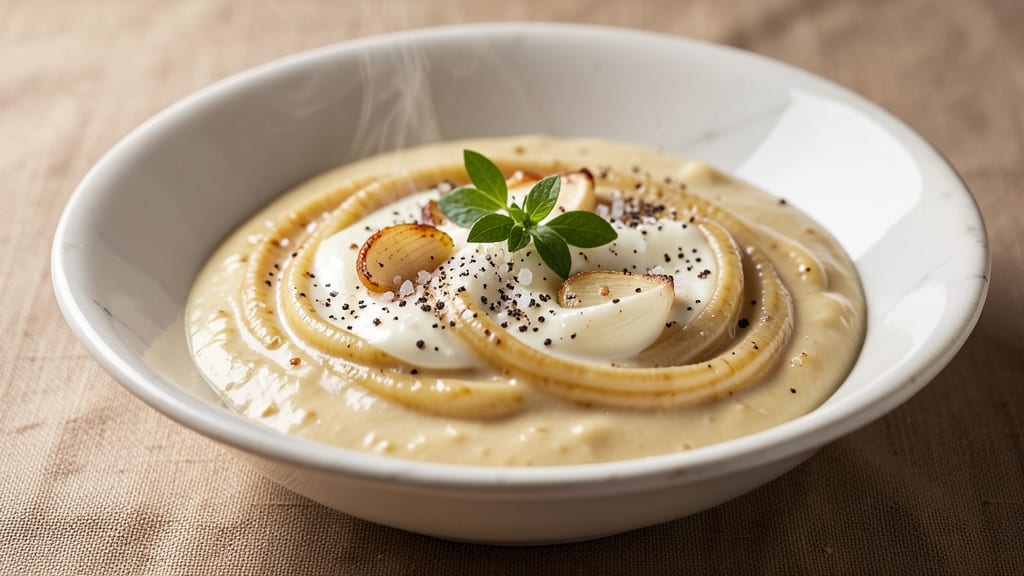
Alfredo sauce recipe with flour and heavy cream transforms simple pantry staples into a velvety, restaurant-quality sauce that coats every bite perfectly. The secret lies in a proper roux—cooking flour and butter until golden—before gradually whisking in heavy cream to create a smooth, lump-free base. This method ensures a sauce that's rich, creamy, and foolproof, whether you're serving it over fettuccine or using it as a dipping sauce.
The beauty of this recipe is its simplicity: just four core ingredients—flour, butter, heavy cream, and a touch of garlic—deliver professional results without requiring advanced techniques.
The key is patience during the roux stage and constant whisking to prevent lumps, which guarantees a sauce that's silky smooth and free of graininess. Even beginners can achieve a velvety texture with this straightforward approach.
What sets this sauce apart is its versatility—it works equally well as a classic pasta topping or a luxurious dip for breadsticks. The heavy cream adds unmatched richness, while the flour-butter roux provides structure, preventing the sauce from becoming too thin or separating.
With just 15 minutes of active time, you'll have a sauce that tastes like it came from an Italian trattoria.
For extra depth, consider adding minced garlic during the roux stage or stirring in grated Parmesan at the end. The sauce thickens as it cools, so you can adjust the consistency by adding a splash of warm milk or cream if needed.
This recipe scales effortlessly, making it perfect for feeding a crowd or prepping ahead for meal prep.
Ingredients for alfredo sauce recipe with flour and heavy cream
Four core ingredients elevate this sauce from ordinary to extraordinary, delivering velvety perfection every time.
| Ingredient | Amount | Notes |
|---|---|---|
| All-Purpose Flour 🌾 | ½ cup | Sifted for smooth texture |
| Unsalted Butter 🧈 | ½ cup | Cold, cubed for even cooking |
| Heavy Cream 🥛 | 2 cups | Full-fat for richness |
| Garlic Cloves 🧄 | 3 cloves | Minced for aromatic depth |
| Diamond Crystal Kosher Salt 🧂 | ½ tsp | Adjusts seasoning balance |
| Freshly Ground Black Pepper 🌶️ | ¼ tsp | Enhances flavor complexity |
| Parmesan Cheese 🧀 | ½ cup | Freshly grated for finishing |
| Extra-Virgin Olive Oil 🫒 | 1 tbsp | Optional for roux stability |
The flour and butter form the foundation, so prioritize quality: all-purpose flour with a high protein content (11-12%) ensures a proper roux, while European-style butter (like Plugrá or Land O'Lakes) adds unmatched richness. For the roux, Diamond Crystal kosher salt is preferred over table salt due to its finer grain—it dissolves completely without altering texture. The heavy cream should be full-fat (36% or higher) for authentic creaminess; store-brand options work fine, but brands like Organic Valley or Hormel deliver consistent results. Garlic selection matters too: fresh, plump cloves with tight skins yield the most flavor—avoid sprouting bulbs or overly pungent varieties.
Substitutions require strategic adjustments: whole milk can replace heavy cream at a 1:1 ratio, though the sauce will be lighter; for a dairy-free version, full-fat coconut milk works but may impart coconut flavor. Butter shortages? Olive oil or vegetable shortening can form the roux, though butter's flavor remains irreplaceable. Need to skip garlic? Garlic powder at half the amount provides a milder aroma. Parmesan can be omitted entirely or replaced with nutritional yeast for a dairy-free option (though texture will differ). The olive oil addition is optional but recommended for those with sensitive stomachs—it creates a more stable emulsion when combining with cream.
This sauce thickens as it cools, so test consistency immediately after removing from heat—it should coat the back of a spoon but remain pourable. For storage, transfer to an airtight container and refrigerate for up to 5 days; the sauce may separate slightly but re-emulsifies when reheated gently. Freeze for 3 months by portioning into ice cube trays (perfect for single servings). To reheat, warm over low heat while whisking constantly—never microwave, as this causes graininess. For meal prep, double the recipe and freeze half immediately; thaw overnight in the fridge before reheating.
Why You'll Love This Recipe
- One-Pot Wonder: I swear by this sauce because it’s all in one pan—no blender, no strainer, just butter, flour, and heavy cream melting into something velvety. The moment that roux thickens and the cream swirls in? Pure magic with zero cleanup.
- Garlic Butter Magic: That raw garlic sizzling in butter before the flour hits? It builds layers of flavor you can’t get from jarred sauce. Honestly, the first time I tasted it, I nearly burned my tongue waiting for the next bite.
- Pasta Party Ready: This sauce doubles as a creamy dip for breadsticks or a quick toss for fettuccine—no fancy plating needed. I’ve served it at game nights, potlucks, and even lazy Sundays, and no one ever asks what’s in it.
- Budget-Friendly Luxury: Heavy cream and butter feel indulgent, but a single batch stretches to two meals with leftovers that taste just as rich the next day. Between us, I’ve stretched this into soups, dips, and even a quick stroganoff—versatile without breaking the bank.
Step-by-step instructions for Alfredo sauce with flour and heavy cream
Mastering this classic sauce requires precise technique to achieve velvety texture without lumps or graininess.
Create a Smooth Roux with Butter and Flour
In a medium saucepan, melt the 0.5 cup Unsalted Butter over medium-low heat until completely liquid but not browned. I like to use cubed butter here—it melts more evenly and creates a smoother base. Remove the pan from heat and immediately whisk in the 0.5 cup All-Purpose Flour all at once.
Return the pan to medium heat and whisk continuously for 2-3 minutes until the mixture forms a pale golden roux. This step is critical—if the roux darkens, the sauce will develop a bitter flavor. You're looking for a texture that resembles wet sand, where the raw flour taste disappears completely. Keep the heat gentle to prevent cooking the flour too quickly.
Cook the Garlic Until Fragrant
Add the 3 cloves Garlic Cloves (minced) to the roux and cook for 30-45 seconds while stirring constantly. The garlic should sizzle gently but not brown—this ensures maximum flavor without bitterness. I usually add the garlic just before removing the pan from heat to prevent it from burning, which can happen in seconds.
Here's the thing—garlic burns faster than you think. If it starts to darken, immediately remove the pan and set it aside. The aroma should be intense but not smoky. This quick cooking time preserves the garlic's sweetness, which forms the aromatic foundation of your sauce.
Gradually Incorporate the Heavy Cream
Slowly pour in the 2 cups Heavy Cream while whisking vigorously to prevent lumps from forming. I add it in a steady stream, whisking continuously until the mixture returns to a smooth consistency. The sauce will thicken noticeably as it heats through.
Return the pan to low heat and simmer gently for 5-7 minutes, stirring occasionally. The sauce should thicken to a coatable consistency—it should leave a trail on your spoon rather than drip off. If it thickens too quickly, add 1-2 tablespoons of water to adjust the texture. This gradual heating prevents curdling and ensures a silky finish.
Season and Finish with Parmesan
Remove the pan from heat and stir in the 0.5 cup Parmesan Cheese (freshly grated) until fully melted and smooth. Add the 0.5 tsp Diamond Crystal Kosher Salt and 0.25 tsp Freshly Ground Black Pepper, then taste and adjust seasoning if needed. The pepper should enhance the richness without overpowering.
For extra stability, you can stir in the 1 tbsp Extra-Virgin Olive Oil at this stage. This optional step creates a more emulsified sauce that won't separate when tossed with pasta. Return the pan to low heat for just 1 minute to blend everything together, then remove from heat immediately to preserve the sauce's velvety texture.
Rest and Serve Immediately
Cover the sauce and let it rest for 5 minutes off the heat. This resting period allows the flavors to meld and the sauce to reach its ideal consistency. When ready to serve, toss it with freshly cooked fettuccine or your choice of pasta, adding a splash of pasta water if needed to loosen the sauce.
The sauce should coat the pasta completely with a glossy, creamy finish. If it thickens too much while serving, simply stir in additional pasta water 1 tablespoon at a time until you achieve the perfect cling. Serve immediately while hot for the ultimate creamy experience.
Pro Tips For Making Alfredo Sauce Recipe With Flour And Heavy Cream
- Whisk Like You Mean It: The roux for Alfredo isn’t just flour and butter—it’s a reaction, and stirring lazily means lumps. Use a wire whisk and keep it moving constantly over medium heat until it’s a uniform, pale gold color (about 2-3 minutes). I used to rush this, and my sauce always tasted thin and unfinished.
- Salt the Butter First: Diamond Crystal kosher salt dissolves unevenly, so add half the recipe’s salt to the butter before melting it. This guarantees every bite has consistent flavor—no clumpy salt surprises later. (Yes, even if you’re impatient like me.)
- Don’t Boil the Cream: Heavy cream scalds at 200°F, and once it hits that point, your sauce will curdle like a science experiment gone wrong. Keep the heat at a simmer (tiny bubbles, not rolling) and add the cream gradually. After burning three batches, I finally figured out: patience here = creamy perfection.
- Reserve Some Cream: If your sauce thickens too much, you’re stuck. Before adding the full amount of cream, set aside ¼ cup. Stirring in a splash at the end fixes consistency without diluting flavor. Sounds weird, but it works—your future self will thank you.
Best sauces and condiments for alfredo sauce recipe with flour and heavy cream
Garlic-Infused Depth
Fresh minced garlic transforms this sauce from basic to aromatic. I always use 3 cloves of the freshest garlic I can find—look for plump, firm bulbs with tight skins. Cook them for just 30-45 seconds in the roux until fragrant but never browned.
Overcooking turns garlic bitter, while undercooking leaves it raw and sharp. For extra flavor, try 1 tsp garlic powder if fresh isn't available, though it won't have the same depth. 🧄
Creamy Variations
Heavy cream delivers that signature richness, but you can adapt this sauce for different dietary needs. For a lighter version, replace 1 cup of heavy cream with 1 cup whole milk—it’ll be less decadent but still creamy.
For a dairy-free option, use 2 cups full-fat coconut milk and add 1 tbsp nutritional yeast for a cheesy note. The texture will be slightly thinner, but it’s a great plant-based alternative.
Cheese Alternatives
Parmesan is classic, but you can experiment with other cheeses for different flavor profiles. Pecorino Romano adds a sharper, saltier kick, while Asiago brings a milder, nuttier taste.
For a vegetarian option, try vegan Parmesan (like Follow Your Heart brand) or omit the cheese entirely and boost umami with 1 tsp white miso paste stirred in at the end. Freshly grated cheese always melts better than pre-shredded.
Stabilizing the Sauce
The secret to a sauce that doesn’t separate when tossed with pasta is the 1 tbsp extra-virgin olive oil at the end. It acts as an emulsifier, binding the fat and liquid for a smoother finish.
If you skip it, stir in 1 tbsp cornstarch mixed with 2 tbsp water to thicken the sauce slightly. For extra stability, whisk in 1 egg yolk at the end—it adds body and helps the sauce cling to noodles.
Just be sure to temper the yolk first by whisking it with a little warm sauce before adding it all at once. 💡
Flavor Boosters
Elevate your sauce with a few simple additions. A pinch of nutmeg (about ¼ tsp) adds warmth, while ½ tsp onion powder deepens the savory notes. For a touch of acidity, stir in 1 tsp lemon juice at the end—it brightens the richness.
If you love herbs, fold in 1 tbsp fresh parsley or chives just before serving. These small tweaks make a big difference in complexity.
Make-Ahead Tips
This sauce reheats beautifully, making it perfect for meal prep. Let it cool completely, then store in an airtight container in the fridge for up to 5 days. To reheat, warm over low heat on the stovetop while whisking constantly—never microwave, as it causes graininess.
For freezing, portion into ice cube trays, then transfer to a freezer bag. Thaw overnight in the fridge before reheating. The sauce may thicken slightly when reheated, so add a splash of warm milk or cream to restore its consistency. ❄️
Nutrition facts
Frequently asked questions
Why does my Alfredo sauce turn out grainy or lumpy?
Lumpy sauce happens when flour isn't fully incorporated or when cream is added too quickly. Always whisk continuously when combining ingredients, especially during the roux stage and when adding cream. For extra smoothness, strain the finished sauce through a fine-mesh sieve before serving.
Can I make this sauce without butter?
Yes! Replace butter with an equal amount of olive oil or vegetable shortening for the roux. While butter adds flavor, these alternatives work well for a lighter sauce. Just remember that olive oil may impart a slightly different taste. For a dairy-free version, use coconut oil instead.
How do I adjust the thickness of my sauce?
Alfredo sauce naturally thickens as it cools. If it's too thick while hot, thin with warm milk or cream (1 tbsp at a time). For a thicker sauce, simmer uncovered for 2-3 minutes to evaporate excess liquid. The ideal consistency should coat the back of a spoon but remain pourable.
What's the best way to store leftover Alfredo sauce?
Store in an airtight container in the fridge for up to 5 days. For longer storage, freeze in ice cube trays for single servings. Reheat gently over low heat while whisking constantly—never microwave, as this causes graininess. The sauce may separate slightly when refrigerated but re-emulsifies when reheated.
Can I use this sauce for dishes other than pasta?
This versatile sauce works beautifully as a dip for breadsticks, a topping for grilled chicken or fish, or even a creamy base for stuffed shells. For meat dishes, reduce the garlic slightly (to 2 cloves) to avoid overpowering flavors. The sauce's rich texture makes it perfect for any dish needing a creamy element.