
Sauces & Condiments
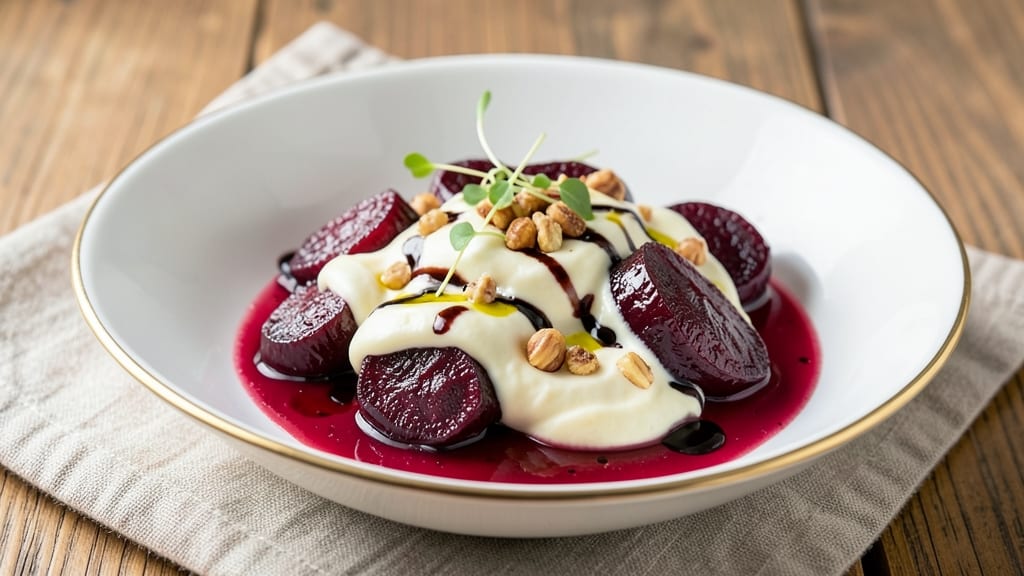
This beetroot sauce recipe transforms humble roasted beets into a velvety, earthy condiment with a secret tangy kick from vinegar. The rich, deep color and natural sweetness make it perfect for elevating everything from sandwiches to charcuterie boards—without needing any animal products.
What sets this sauce apart is the balance of flavors: the deep beets meet bright vinegar and aromatic herbs, creating a versatile spread that keeps well in the fridge for up to two weeks.
The foundation of this sauce is slow-roasted beets, which soften into a naturally sweet puree when blended with vinegar and olive oil. Garlic and mustard add depth, while a touch of balsamic vinegar introduces that signature tang that makes this sauce irresistibly zesty.
Unlike store-bought versions, this recipe lets you control the texture—whether you prefer a smooth, drizzlable sauce or a thicker spread for dipping.
What you’ll end up with is a vibrant, vegan-friendly sauce that adds color and complexity to any dish. Use it as a dip for crudités, a spread for toasted baguette slices, or a glaze for roasted vegetables.
The sauce’s natural sweetness and tangy notes make it a standout on cheese boards or as a marinade for tofu and tempeh. Best of all, it’s simple to make ahead and stores beautifully in an airtight container.
For extra versatility, adjust the vinegar to taste—more for tang, less for sweetness—and experiment with herbs like thyme or rosemary for different flavor profiles. This sauce is a game-changer for plant-based cooking, bringing restaurant-quality depth to everyday meals with minimal effort.
Ingredients for beetroot sauce
Nine ingredients transform roasted beets into a velvety, vibrant vegan sauce with hidden tangy depth.
| Ingredient | Amount | Notes |
|---|---|---|
| Medium Beets 🍠 | 1 ½ lb | Roasted until tender, peeled |
| Extra-Virgin Olive Oil 🫒 | ½ cup | High quality, fruity |
| Red Wine Vinegar 🍷 | ¼ cup | Bright and tangy |
| Balsamic Vinegar 🍷 | 1 tbsp | For depth of flavor |
| Yellow Mustard 🍯 | 1 tbsp | Dijon preferred for tang |
| Garlic Cloves 🧄 | 4 cloves | Peeled, minced |
| Fresh Thyme Leaves 🌿 | 1 tbsp | Or 1 tsp dried thyme |
| Sea Salt 🧂 | 1 tsp | Diamond Crystal preferred |
| Black Peppercorns 🌶️ | ½ tsp | Freshly cracked |
| Maple Syrup 🍁 | 1 tbsp | For subtle sweetness |
The beets are the star—look for firm, medium-sized ones with deep red color. Trader Joe's often carries pre-washed organic beets, which saves time. Roast them until fork-tender (about 45 minutes at 400°F), then peel while still warm. For extra richness, some chefs add a pinch of smoked paprika to the roasting pan. The olive oil here should be extra-virgin with fruity notes—none of that cheap grocery store stuff. If you can't find red wine vinegar, apple cider vinegar works too, though it'll have a slightly different profile.
No balsamic vinegar? Substitute with extra red wine vinegar plus 1/2 tsp sugar to mimic the depth. Fresh thyme is ideal, but dried works at one-third the amount. For a nutty twist, swap the maple syrup for agave nectar or date syrup. The garlic can be roasted with the beets for a sweeter flavor—just toss whole cloves in the roasting pan before adding the beets. If you're making this ahead, let the sauce sit overnight—flavors meld beautifully. For a smoother texture, strain through a fine-mesh sieve after blending.
This sauce keeps for up to 2 weeks in the fridge, sealed in an airtight container with a thin layer of olive oil on top. For longer storage, freeze in ice cube trays—perfect for single-use portions. The color intensifies as it sits, so if you're using it for garnishes, make a fresh batch. To reheat, warm gently in a saucepan with a splash of water or vinegar. If it thickens too much, thin with water or a bit more vinegar. The sauce also freezes beautifully for up to 6 months, though texture may change slightly upon thawing.
Why You'll Love This Recipe
- Here’s what sold me: the balance. Earthy beets meet bright red wine vinegar and rich balsamic, then that mustard kick ties it all together. It’s bold, not cloying—like a fancy dip without the fuss.
- No Roasting Required: I’ll admit, I used to dread roasting beets—peeling, boiling, waiting. This sauce? Just blend raw beets with olive oil, vinegars, and mustard. Fifteen minutes max, no mess, and zero cleanup beyond the blender.
- Sweet-Tangy Magic: Here’s what sold me: the balance. Earthy beets meet bright red wine vinegar and rich balsamic, then that mustard kick ties it all together. It’s bold, not cloying—like a fancy dip without the fuss.
- Game for Any Plate: Slather it on sandwiches, drizzle over roasted chicken, or toss with grains. My kids even slather it on toast like Nutella (but better). Honestly, I’ve used it for everything from charcuterie boards to a quick pasta sauce.
Step-by-step instructions for earthy beetroot sauce
Here's how to create a vibrant, balanced beetroot sauce that marries sweetness with tangy depth.
Roast the Beets Until Tender
Preheat your oven to 400°F and line a baking sheet with parchment paper. Place the 1.5 lb medium beets directly on the sheet—their natural sugars will caramelize beautifully. Roast for 45-50 minutes until a knife slides in easily and the edges are tender. I like to turn them halfway through for even cooking.
When the beets are done, let them cool slightly before peeling. The skin should slip off effortlessly once they've rested for 10 minutes. This cooling step prevents steam burns and makes peeling much easier. Cut the peeled beets into ½-inch cubes and set aside—they'll be the base of our sauce.
Build the Flavor Base in a Skillet
Heat the 0.5 cup extra-virgin olive oil in a medium saucepan over medium heat. Add the 4 minced garlic cloves and cook for 1 minute until fragrant—don't let them brown or they'll turn bitter. Stir in the 1 tbsp fresh thyme leaves and cook for another 30 seconds until the thyme releases its aroma.
This aromatic base is where the magic happens. The olive oil carries the flavors while the garlic and thyme provide depth. I always use fresh thyme here because dried thyme can taste harsh when used in large quantities. Keep the heat at medium to prevent burning these delicate ingredients.
Combine Wet Ingredients for Balance
Add the 0.25 cup red wine vinegar and 1 tbsp balsamic vinegar to the pan, scraping up any browned bits from the bottom. Let the mixture simmer for 2-3 minutes until slightly reduced and the vinegars have melded with the aromatics. This step develops the sauce's signature tangy brightness.
Next, stir in the 1 tbsp yellow mustard and 1 tbsp maple syrup. The mustard adds tangy complexity while the maple syrup balances the acidity with subtle sweetness. Let everything simmer together for 1 minute to allow the flavors to integrate completely. This is where you can taste and adjust—add a touch more vinegar if it needs more acidity or a bit more syrup if it's too sharp.
Incorporate the Roasted Beets
Add the cubed roasted beets to the pan and stir gently to coat them in the flavorful oil and vinegar mixture. Let everything simmer together over low heat for 8-10 minutes, stirring occasionally. The beets will soften further and absorb the sauce's flavors, creating a vibrant, earthy consistency.
Season with the 1 tsp sea salt and 0.5 tsp freshly cracked black peppercorns, then taste again. The sauce should be balanced—sweet from the beets and maple syrup, tangy from the vinegars, with a subtle peppery finish. If it's too thick, add 1-2 tablespoons of water to reach your desired consistency.
Finish and Rest for Maximum Flavor
Remove the pan from heat and let the sauce rest for 5 minutes. This resting period allows all the flavors to meld together completely. The sauce will thicken slightly as it cools, so adjust the consistency with water if needed before serving.
For an extra touch of elegance, I like to strain the sauce through a fine-mesh sieve to remove any thyme stems or beet skin fragments. This gives you a silky-smooth texture that's perfect for drizzling over meats, roasted vegetables, or even as a dip. The finished sauce should be vibrant pink with a glossy sheen from the olive oil.
Pro Tips For Making Beetroot Sauce
- ROAST BEETS UNTIL TENDER: Cook them until a knife slips in like butter—not just soft, but collapsing when pierced. Undercooked beets turn the sauce gritty, and nobody wants that texture fight in their dressing.
- PEEL WHEN COOL: Skip the peeling rush—let beets cool 10 minutes first. The skins slide off effortlessly, and you’ll save your knuckles from a raw beet battle. (Yes, I’ve lost three nails to impatient peeling.)
- VINEGAR IN STAGES: Add red wine vinegar first, then balsamic—let the first one mellow for 2 minutes before mixing in the deeper, thicker balsamic. This prevents a harsh tang and lets the flavors marry properly. (I learned this after a dinner where the sauce tasted like a vinegar punch.)
- WHISK IN OLIVE OIL LAST: Temper the mustard with a splash of warm water or vinegar before drizzling in the olive oil. Cold oil shocks the mustard and can turn it into a stubborn lump—no one has time for that cleanup mid-dressing.
Serving suggestions for this dish
Dip for Crudités
This vibrant beetroot sauce is perfect for dipping fresh vegetables like carrots, celery, and radishes. Arrange them on a platter with hummus or tzatziki for a colorful, plant-based spread.
I like to serve it with sliced cucumbers and cherry tomatoes for extra freshness. The sauce's creamy texture and earthy flavor make every bite satisfying. 🥕
Sandwich Spread
Spread this sauce on toasted sourdough or rye bread for a flavorful sandwich base. Pair it with avocado slices, sprouts, and smoked paprika for a vegan twist on a classic.
The tangy-sweet balance cuts through rich ingredients like creamy cashew cheese or grilled portobello mushrooms. For extra crunch, add toasted walnuts or sunflower seeds.
Charcuterie Board Elevator
Add this sauce to your charcuterie board as a dip for marinated olives, pickled vegetables, or cheese cubes. Its deep color contrasts beautifully with aged cheddar or goat cheese.
I often drizzle it lightly over brie or camembert before serving to add a sweet-tangy element. The sauce also pairs well with cured meats like prosciutto for a balanced bite.
Roasted Veggie Glaze
Brush this sauce over roasted Brussels sprouts, sweet potatoes, or asparagus in the last 10 minutes of roasting for a caramelized glaze. The natural sugars in the beets caramelize beautifully, adding depth to the vegetables.
For extra richness, sprinkle with toasted pumpkin seeds or crumbled feta after roasting. 🌱
Plant-Based Marinade
Use this sauce as a marinade for tofu, tempeh, or seitan before grilling or baking. The vinegar tenderizes while the garlic and herbs add flavor. Marinate for 30-60 minutes for best results.
I love using it on extra-firm tofu cubes before air-frying for crispy, flavorful bites. The sauce also works well as a dipping sauce for grilled portobello mushrooms.
Garnish for Bowls
Drizzle this sauce over grain bowls with quinoa, farro, or brown rice for a pop of color and flavor. Pair it with roasted chickpeas, avocado, and pickled red onions for a balanced meal.
The sauce’s tangy notes complement the earthiness of grains perfectly. For extra flair, sprinkle with toasted sesame seeds or fresh dill.
Nutrition facts
Frequently asked questions
Can I use raw beets instead of roasted ones?
Raw beets will work, but the flavor won't be as rich or sweet. Roasting caramelizes their natural sugars, creating a deeper, more complex taste. If you must use raw beets, boil them first for 15-20 minutes until tender, then proceed with the recipe. The texture will be slightly different but still delicious!
How do I adjust the thickness of this sauce?
If your sauce is too thick, thin it with 1-2 tablespoons of water or vinegar at a time, stirring well after each addition. For a thicker consistency, simmer uncovered for 5-10 minutes to reduce the liquid. The sauce will naturally thicken as it cools, so adjust before serving.
Can I make this sauce without vinegar?
While vinegar adds the signature tang, you can substitute with lemon juice or orange juice for a fruity twist. Use ¼ cup juice plus ½ teaspoon sugar to mimic the acidity. Just note that the flavor profile will be brighter and less complex than the original vinegar-based version.
Will this sauce work as a salad dressing?
Yes! Thin it with 2-3 tablespoons of water or vinegar per ½ cup sauce until it reaches a pourable consistency. Drizzle over mixed greens with walnuts, goat cheese, and pomegranate seeds for a stunning, flavorful salad. The earthy beets pair beautifully with bitter greens like arugula.
Can I freeze this beetroot sauce?
Freeze in ice cube trays for single-use portions or in an airtight container with a layer of olive oil on top. Thaw overnight in the fridge and stir well. The texture may become slightly grainier after freezing, but it's still delicious. For best results, use within 3 months.