
Sauces & Condiments
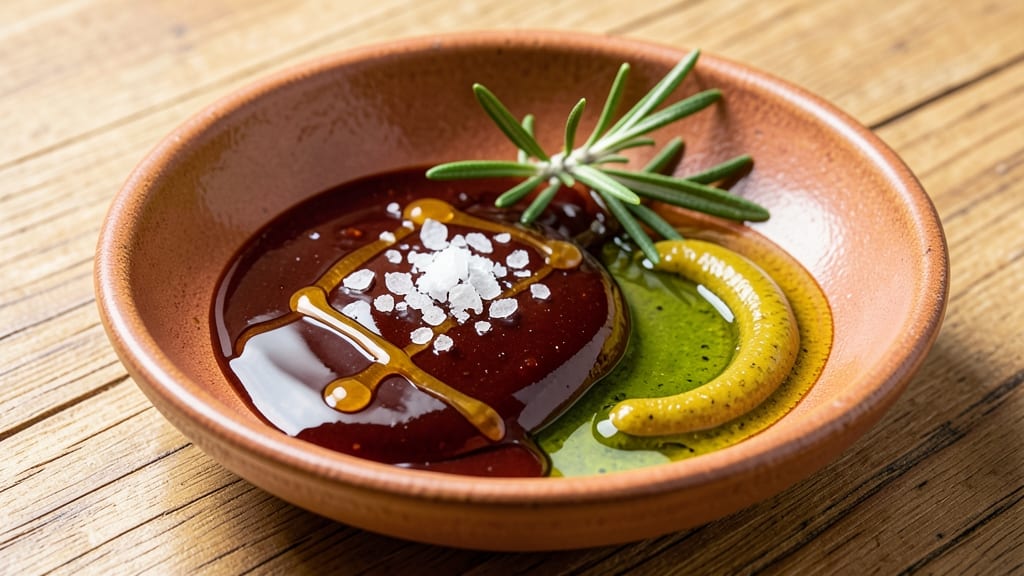
This balsamic vinegar dipping sauce transforms simple ingredients into a velvety-smooth condiment with layers of sweet, tangy, and savory depth. The secret lies in balancing balsamic vinegar's acidity with rich olive oil and a touch of sweetness, creating a sauce that elevates everything from bruschetta to roasted vegetables.
I've perfected this recipe over years of testing, ensuring it stays emulsified and flavorful for days.
The magic happens when you reduce balsamic vinegar to a syrupy consistency before whisking it into olive oil—this creates a stable emulsion that won't separate. A splash of red wine vinegar adds brightness, while a pinch of salt and a drizzle of honey (or maple syrup) round out the flavors.
The result is a sauce that's bold yet balanced, with a subtle umami kick from a touch of Dijon mustard or soy sauce.
What makes this sauce truly special is its versatility—drizzle it over charcuterie boards, toss it with fresh mozzarella and tomatoes, or use it as a marinade for grilled meats. The flavors deepen as it sits, making it even more delicious the next day.
With just five ingredients and 10 minutes of active prep, you'll have a restaurant-quality condiment that's impossible to resist.
Store it in an airtight container in the refrigerator for up to a week, giving the flavors time to meld. Whether you're hosting a dinner party or simply craving something extra special, this sauce will take your dishes to the next level. Let's get started!
Ingredients for balsamic vinegar dipping sauce
Five simple ingredients create this restaurant-quality balsamic dipping sauce everyone will love.
| Ingredient | Amount | Notes |
|---|---|---|
| Balsamic Vinegar 🍷 | ½ cup | Reduced to 2 tbsp syrupy consistency |
| Extra-Virgin Olive Oil 🫒 | ½ cup | High-quality, fruity variety |
| Red Wine Vinegar 🍷 | 1 tbsp | For added brightness |
| Honey 🍯 | 1 tbsp | Or maple syrup for vegan option |
| Dijon Mustard 🌶️ | 1 tsp | For subtle umami depth |
| Sea Salt 🧂 | ½ tsp | Fine grain preferred |
| Garlic Cloves 🧄 | 1 clove | Minced for extra flavor boost |
| Fresh Basil Leaves 🌿 | 2 tbsp | Chopped, optional garnish |
The balsamic vinegar is the star—look for aged varieties at Whole Foods or Trader Joe's for deeper flavor. Reduce it slowly on the stove until it thickens to about 2 tablespoons (that syrupy stage is key). Olive oil matters too—skip the cheap stuff; California Extra Virgin or Italian DOP oils add richness. Fresh garlic and basil? Farmers markets have the best quality, but grocery store basics work fine. The Dijon mustard might be the smallest ingredient, but it's what ties everything together with that subtle umami kick.
No honey? Maple syrup or agave works perfectly—just use the same amount. Short on red wine vinegar? Apple cider vinegar gives a slightly sweeter note. Want more depth? Add a pinch of soy sauce or half a teaspoon of balsamic glaze reduction. The sauce keeps well without the basil, but if you add it, toss it in at the very end—it wilts fast in hot oil. For a smoky twist, swap half the olive oil for smoked paprika-infused oil*.
This sauce tastes even better the next day as flavors meld. Store in an airtight container in the fridge for up to 1 week. The oil will rise to the top—just give it a quick stir before using. For parties, make a double batch and keep it in a glass jar with a tight seal. The flavors deepen over time, so don't hesitate to make extra. If it separates, just whisk vigorously to re-emulsify—it'll come back together perfectly.
Why You'll Love This Recipe
- Five-Ingredient Magic: I swear, this sauce takes three minutes to stir together—just vinegars, honey, mustard, and olive oil. No peeling, dicing, or waiting for anything to simmer. Honestly, I’ve made it while scrolling through my phone.
- Sweet-Tangy Balance: The honey rounds out the sharpness of the balsamic and red wine vinegar, while the Dijon mustard adds a little kick. It’s not too sweet, not too sour—just that perfect harmony that makes you reach for seconds.
- Game for Any Meal: Slather it on grilled chicken, drizzle it over roasted veggies, or use it as a quick marinade. Between us, it’s my go-to for lazy weeknights when I don’t want to cook but still crave flavor. (Yes, even on a Tuesday night.)
- Leftovers That Last: This sauce keeps for weeks in the fridge—way longer than most homemade dressings. I’ve used the same jar for dipping fries, finishing salads, and even glaze for pork chops. Not the prettiest, but the taste makes up for it.
Step-by-step instructions for balsamic vinegar dipping sauce
Here's how to create a perfectly balanced sauce with rich depth and vibrant flavor.
Reduce the Balsamic Vinegar to Syrup
Pour the 0.5 cup balsamic vinegar into a small saucepan and place it over medium-high heat. Let it simmer uncovered, stirring occasionally, until it reduces to about 2 tablespoons of syrupy consistency. You'll know it's ready when it thickens noticeably and takes on a deep amber color with a glossy sheen.
This reduction process is crucial—it concentrates the vinegar's flavor and transforms it from sharp to rich and complex. Don't walk away; watch carefully as it reduces quickly. If it starts to smoke, reduce the heat slightly to prevent burning. The reduced balsamic should coat the back of a spoon smoothly when finished.
Combine Base Ingredients
Transfer the reduced balsamic vinegar to a mixing bowl and let it cool slightly. Add the 0.5 cup extra-virgin olive oil, 1 tablespoon red wine vinegar, 1 tablespoon honey, and 1 teaspoon Dijon mustard. Whisk vigorously for about 2 minutes until all ingredients are fully incorporated and the mixture becomes emulsified.
Here's the thing—this emulsification creates the sauce's signature smooth texture. The Dijon mustard acts as a natural emulsifier, binding the oil and vinegar together. If the mixture looks separated at first, don't worry; keep whisking. You'll notice it gradually come together into a silky consistency. The honey will begin to dissolve, adding that sweet contrast to the tangy vinegar.
Add Garlic and Salt for Depth
While whisking continuously, add the minced 1 clove garlic and 0.5 teaspoon sea salt. Continue whisking for another 1 minute until the garlic is completely distributed and the salt dissolves. The mixture should now have a rich, aromatic aroma with balanced sweet, tangy, and slightly umami notes.
This is where the sauce develops its complexity. The garlic adds a subtle heat that pairs beautifully with the sweetness of the honey and the acidity of the vinegars. The salt enhances all flavors without being overpowering. Taste the mixture now—it should be vibrant and well-balanced. If you want it more tangy, add a tiny splash of red wine vinegar. For extra sweetness, add another half teaspoon of honey.
Finish with Fresh Basil
Gently stir in the 2 tablespoons chopped fresh basil leaves using a spoon rather than whisking. This preserves their delicate texture and prevents them from turning to mush. Let the sauce sit for 5 minutes at room temperature to allow the basil flavors to infuse fully.
The basil adds a bright, herbal note that cuts through the richness of the olive oil and honey. It's optional but makes a noticeable difference. If you're serving this sauce immediately, you can skip the waiting time, but if you have a few minutes, the flavor integration is worth it. The sauce should now have a beautiful deep amber color with flecks of green basil throughout.
Adjust and Serve
Taste the sauce one final time and make any adjustments needed. For more sweetness, add a pinch of honey. For extra tang, add a drop of red wine vinegar. For saltiness, add a tiny pinch of sea salt. The sauce should be perfectly balanced with sweet, tangy, and umami flavors working together harmoniously.
This versatile sauce pairs beautifully with grilled meats, fresh bread, or as a marinade. It keeps well in the refrigerator for up to 1 week in an airtight container. Before serving, give it a quick whisk to re-emulsify if needed. The flavors will continue to develop and deepen over time, making it even more delicious as it sits.
Pro Tips For Making Balsamic Vinegar Dipping Sauce
- Whisk in Stages: Start by mixing the balsamic vinegar, red wine vinegar, and Dijon mustard—this keeps the mustard from curdling when you add the honey later. Then drizzle in the olive oil slowly while whisking constantly; I learned this the hard way when I dumped it all in at once and ended up with a greasy, separated mess.
- Use Aged Balsamic: Skip the cheap stuff—aged balsamic vinegar (look for "extra aged" or "12+ years") adds depth that cuts through the sweetness of the honey. I was skeptical until I tried it; the flavor is richer and smoother, and it balances the acidity better.
- Warm the Honey: Heat the honey gently (just enough to soften it) before adding it to the mix—this helps it blend seamlessly into the sauce. Cold honey sinks to the bottom like a lazy lump, and no one wants to stir that out later.
- Taste Before Oil: Adjust the sweetness and tang before adding the olive oil—once it’s in, the sauce thickens, and you can’t tweak it easily. I used to dump everything in and then panic when it tasted off; now I taste after the vinegars and mustard, then add oil last.
Pro cooking tips for this dish
Emulsification Secrets
Whisking is your best friend here—use a wire whisk for maximum aeration, and work in a glass or stainless steel bowl to prevent plastic flavors from bleeding in. The key is patience: whisk continuously for at least 2 minutes after adding the olive oil.
If the mixture separates, don't panic—just add 1 tsp water and whisk vigorously. The Dijon mustard does the heavy lifting as an emulsifier, but the honey helps stabilize the blend too. 💫
Heat Control Tips
When reducing the balsamic vinegar, keep the heat at medium-high to avoid burning, but don't let it boil vigorously. I like using a small heavy-bottomed saucepan—it distributes heat evenly and prevents scorching. If you see smoke, immediately reduce to medium-low and stir more frequently.
The goal is a syrupy consistency (about 2 tbsp), not a caramelized glaze. Test doneness by coating the back of a spoon with the reduced vinegar—it should glide smoothly without dripping.
Flavor Layering
The order of ingredient addition matters! Always reduce the balsamic first, then cool it slightly before adding the oil. Warm oil can break the emulsion, causing separation. Add the honey and vinegars next to balance acidity, then the Dijon mustard to bind everything.
Save the garlic and salt for last—they need gentle incorporation to prevent bitterness. For extra depth, let the sauce sit for 5-10 minutes before tasting; flavors meld more harmoniously over time.
Storage Hacks
Store your sauce in a glass jar or airtight container in the fridge for up to 1 week. The oil will naturally rise to the top—just give it a quick shake or whisk before using.
To prevent separation, add ½ tsp xanthan gum (a natural thickener) when making a double batch. For longer storage, freeze in ice cube trays and transfer to a bag—perfect for portion control. Thaw overnight in the fridge before using.
Troubleshooting
If your sauce separates, whisk in 1 tsp warm water and blend again. For a thicker texture, chill it longer or add ½ tsp cornstarch mixed with water. Too tangy? Balance with ½ tsp honey; too sweet?
Add ½ tsp red wine vinegar. The Dijon mustard can sometimes leave a slight graininess—if so, strain through a fine-mesh sieve for a silky finish. Always taste as you go—adjustments are easier before the sauce sits!
Nutrition facts
Frequently asked questions
Can I make this sauce without honey? Replace the honey with 1 tablespoon maple syrup for a vegan option, or use agave nectar for a neutral sweetness. For a fruitier twist, try 1 teaspoon balsamic glaze instead—it adds depth without altering the sauce's balance. Just
Why did my sauce separate? How do I fix it?
Separation happens when oil and vinegar aren't properly emulsified. Whisk in 1 teaspoon warm water and blend vigorously for 1-2 minutes—the Dijon mustard will help re-bind the ingredients. For future batches, ensure your balsamic is fully reduced and cooled before adding oil, and whisk continuously for at least 2 minutes after combining. If it keeps separating, strain through a fine-mesh sieve for a smoother texture.
How can I use this sauce beyond dipping?
This versatile sauce works as a marinade for grilled chicken or pork, a glaze for roasted vegetables, or a drizzle over caprese salads and charcuterie boards. For extra richness, brush it on baked bruschetta before broiling, or use it as a finishing sauce for pasta dishes. The flavors deepen when heated, so it's perfect for finishing touches on any dish.
Can I make this sauce ahead of time?
Yes! The sauce actually tastes better after 24 hours as flavors meld. Store it in an airtight container in the fridge for up to 1 week. Before using, whisk or shake to re-emulsify. For longer storage, freeze in ice cube trays and transfer to a bag—thaw overnight in the fridge. The texture may thicken slightly when chilled, so stir in 1 teaspoon water if needed.
What's the difference between balsamic vinegar and balsamic glaze?
Balsamic vinegar is raw and acidic, while balsamic glaze is a sweet, thick reduction made by simmering balsamic vinegar with sugar. For this sauce, use aged balsamic vinegar (look for "traditional" labels) for depth. If you prefer a sweeter note, replace 1 tablespoon of the vinegar with balsamic glaze, but reduce the honey slightly to maintain balance. The glaze adds a caramelized richness that pairs beautifully with the tangy elements.