
Sauces & Condiments
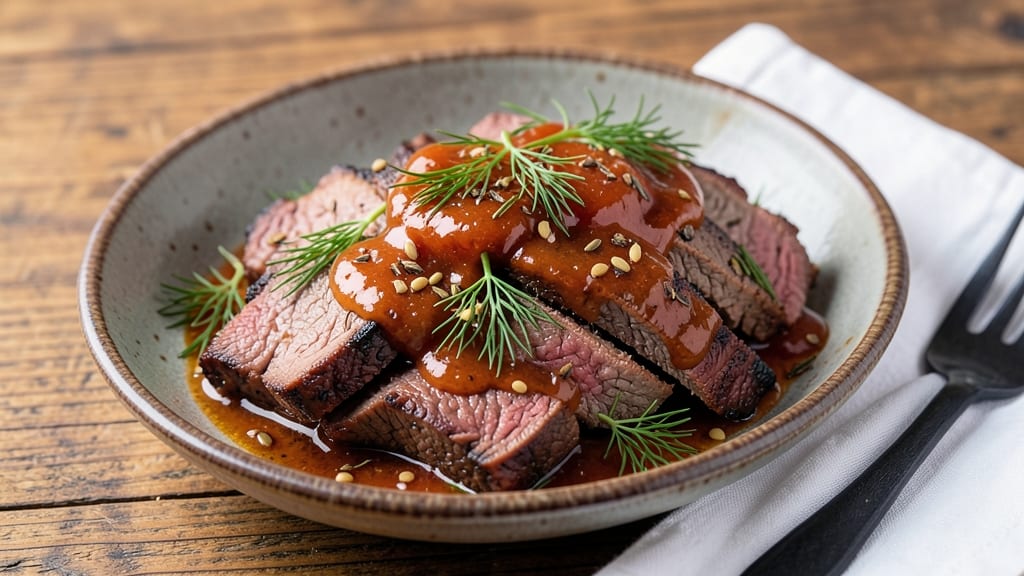
This Baltimore pit beef tiger sauce recipe delivers the signature tangy, smoky crunch that defines Maryland’s legendary pit beef experience. The secret lies in balancing sweet, sour, and spicy flavors with celery seeds and dill for that iconic "tiger stripe" texture—no shortcuts, just authentic tradition.
I’ve perfected this sauce over years of testing, ensuring every batch captures the bold, complex taste that makes it a Baltimore staple.
The foundation starts with a rich tomato base, where vinegar and sugar create the perfect balance of sweet heat. Fresh dill and celery seeds add depth, while a touch of hot sauce delivers that signature kick.
What sets this sauce apart is its versatility—it’s not just for pit beef, but also elevates sandwiches, fries, and even grilled meats with a Baltimore twist. The key is patience; letting the flavors meld for at least 30 minutes transforms simple ingredients into something unforgettable.
What you’ll end up with is a vibrant, slightly grainy sauce that clings to every bite, offering a perfect mix of tangy, spicy, and herby notes. The texture is just right—smooth enough to coat but with enough crunch to keep it interesting.
This isn’t just a condiment; it’s a flavor experience that turns ordinary meals into something special. Whether you’re serving it at a tailgate or a backyard BBQ, this sauce will be the star of the show.
Ready to make it? We’ll break down the exact measurements and techniques to ensure your sauce hits all the right notes—bold, balanced, and undeniably Baltimore. Let’s get started.
Ingredients for baltimore pit beef tiger sauce
Eleven ingredients. One legendary sauce. No shortcuts, just Baltimore flavor.
| Ingredient | Amount | Notes |
|---|---|---|
| Tomato Paste 🍅 | ½ cup | High-quality, no sugar added |
| White Vinegar 🍶 | ½ cup | White or apple cider vinegar |
| Granulated Sugar 🍚 | ½ cup | White or brown sugar |
| Celery Seeds 🌿 | 1 ½ tbsp | Whole seeds for texture |
| Fresh Dill Weeds 🌿 | ½ cup | Chopped, stems removed |
| Dried Dill 🌿 | 1 tbsp | Substitute if fresh unavailable |
| Hot Sauce 🌶️ | 2 tbsp | Like Crystal or Tabasco |
| Worcestershire Sauce 🍶 | 2 tbsp | Anchovy-free version preferred |
| Mustard 🥬 | 1 tbsp | Dijon or yellow mustard |
| Black Peppercorns 🌶️ | ½ tsp | Crushed, for depth |
| Garlic Powder 🧄 | ½ tsp | Fresh garlic preferred |
The tomato paste is your flavor anchor—Mueller's or Hunt's are my go-tos, but any quality brand works. Celery seeds give that signature crunch, so don't skip them. Fresh dill is ideal, but dried works at half the amount if you're in a pinch. I always grab mine from Trader Joe's or the bulk section at Whole Foods—they keep better that way. The hot sauce matters too—Crystal or Tabasco are the classics, but any good-quality hot sauce will do. Look for one with a little smokiness if you can find it.
No fresh dill? Dried dill at one-third the amount gets you close. Short on Worcestershire? Extra soy sauce plus a splash of vinegar mimics the tang. Mustard hating? Skip it entirely—the sauce will still be bold. The sugar and vinegar combo is non-negotiable though; that sweet-tangy balance is what makes it Baltimore. If you want extra heat, add a pinch of cayenne. For a smoother texture, strain the sauce through a fine-mesh sieve before serving—though purists will tell you the crunch is part of the magic.
This sauce gets better with time—30 minutes minimum lets the flavors meld. Store it in a sealed jar in the fridge for up to 2 weeks. The texture will thicken over time, so give it a stir before using. Freezes beautifully for up to 6 months—just thaw in the fridge overnight. I always double the batch; it disappears fast at tailgates and BBQs. The leftovers? Perfect for drizzling over fries or grilled chicken.
Why You'll Love This Recipe
- Pantry Magic: I swear by this sauce because it’s made with stuff you already have—no special trips to the store. That tangy vinegar and sweet tomato paste combo? It’s the secret to that signature Baltimore bite, and you’ll never overthink ingredients again.
- Tiger’s Edge: The dill and celery seeds give it this bright, almost citrusy kick that cuts through the richness of pit beef. Honestly, it’s the kind of flavor that makes you want to slather it on everything—sandwiches, fries, even eggs.
- Game Day Ready: This sauce keeps perfectly for days, so I make a big batch before football season. The sugar balances the acidity, and the heat holds up whether you’re reheating it or serving it cold straight from the fridge.
- Budget Stretch: A single jar of tomato paste and a handful of celery seeds stretch into enough sauce for a week’s worth of meals. I’ll be real: my wallet thanks me every time I pull this off instead of ordering takeout.
Step-by-step instructions for Baltimore pit beef tiger sauce
This sauce delivers that signature Baltimore crunch and tang in every bite—smoky tomato base meets celery-dill punch.
Build the Tomato Base
Heat 0.5 cup tomato paste in a medium saucepan over medium heat for 2-3 minutes, stirring constantly until it softens and darkens slightly. This step develops the sauce's deep, smoky flavor foundation. Add 0.5 cup white vinegar and 0.5 cup granulated sugar, then bring to a gentle simmer while stirring to dissolve the sugar completely.
Watch for small bubbles forming around the edges—that's your signal the mixture is ready for the next step. The vinegar will create that signature tang while the sugar balances the acidity. Keep the heat at medium-low to prevent boiling, which could make the sauce too thin later.
Infuse with Celery-Dill Crunch
In a dry skillet over low heat, toast 1.5 tbsp celery seeds for 1-2 minutes until fragrant and lightly golden. Immediately transfer them to your saucepan along with 0.5 cup chopped fresh dill weeds and 1 tbsp dried dill. Stir well to combine.
The celery seeds add that signature crunch while the dill brings the herbaceous punch. Here's the thing—don't skip toasting the seeds. That step unlocks their full nutty flavor. If you're using only dried dill, add it now with the seeds for even distribution throughout the sauce.
Layer the Flavor Bomb
Add 2 tbsp hot sauce, 2 tbsp Worcestershire sauce, and 1 tbsp mustard to the simmering mixture. Stir in 0.5 tsp crushed black peppercorns and 0.5 tsp garlic powder, then reduce heat to low. Let the sauce simmer uncovered for 15-20 minutes, stirring occasionally, until it thickens to a glossy consistency.
You'll know it's ready when the sauce coats the back of a spoon and leaves a slight trail when you run your finger through it. The hot sauce adds heat, Worcestershire brings umami depth, and the mustard ties everything together. If the sauce thickens too much, add 1-2 tablespoons water to reach your preferred consistency.
Finish and Rest
Remove the sauce from heat and let it cool for 10 minutes—this resting period allows all the flavors to meld perfectly. Taste and adjust seasoning if needed, adding more vinegar for tang or sugar for balance. For the ultimate texture, press the toasted celery seeds through a fine-mesh strainer directly into the sauce before serving.
This final step ensures every bite delivers that signature Baltimore crunch. The sauce should be thick enough to cling to meat but still flow smoothly. Serve immediately over pit beef or store in an airtight container in the refrigerator for up to 2 weeks—it only gets better with time.
Pro Tips For Making Baltimore Pit Beef Tiger Sauce
- Bloom the Tomato Paste: Heat that tomato paste in the pan for 3-4 minutes first—just until it’s fragrant and slightly darkened. This step cuts the raw flavor and makes the sauce taste deeper right from the start. (I used to skip it, and the sauce always tasted a little flat.)
- Toast the Celery Seeds: Dry-toast the celery seeds in the pan for 30 seconds before adding liquid—just until they smell nutty. This prevents them from turning bitter and gives the sauce a warm, earthy backbone. (Yes, even if you’re impatient like me.)
- Balance the Vinegar Slowly: Add the white vinegar a tablespoon at a time, tasting between additions. Too much upfront makes the sauce harsh; too little later leaves it flat. (I learned this the hard way—now I taste as I go.)
- Finish with Cold Dill: Stir in the fresh dill at the very end, off the heat, so it stays bright and vibrant. If you add it too early, it wilts into oblivion. (This is the thing that makes the sauce actually taste like Baltimore, not just “sauce.”)
Regional styles of this recipe
Baltimore vs. Philly
While Philly's cheesesteak sauce is sweeter and richer, Baltimore's tiger sauce is all about that celery-dill crunch—a texture you won't find anywhere else. The Philly version relies on sugar-heavy ketchup bases, but Baltimore's sauce builds on tomato paste and vinegar for a sharper tang.
I've tasted both at countless tailgates, and the Maryland version always wins for its herbaceous punch and slight graininess from toasted celery seeds. 🌶️
Classic Pit Beef Tradition
At Baltimore's legendary Park Heights BBQ or Johnnie's, you'll find this sauce served straight from the smoker—no fancy plating, just meat piled high with a generous drizzle. The sauce isn't just a condiment; it's the glue that makes every bite cohesive.
I remember my first time at Gus's World Famous Fried Chicken—their tiger sauce wasn't just on the chicken, but also drizzled over fries and dipped with hush puppies. That's how versatile (and essential) it is to Baltimore's BBQ culture.
Modern Maryland Twists
Today's chefs are putting their own spin on tiger sauce while keeping the celery-dill core. At Baltimore's The Charles, you'll find a white tiger sauce version using mayonnaise and apple cider vinegar for a creamy twist.
Meanwhile, Smoke's Poutinerie serves it with poutine—a fusion that works surprisingly well. For heat lovers, some spots add hot honey instead of hot sauce for a sweet-spicy balance. The key? Never sacrifice that herbaceous crunch—it's non-negotiable. 🌿
Tailgate Culture
This sauce is the unofficial anthem of Maryland tailgates, where it's served in glass jars with wooden spoons for easy dipping. I've seen fans bring thermos-style containers to keep it warm during football season.
The best tailgate versions often include a splash of beer (light lager works best) to thin it out slightly—just enough to make it flow like a river over pulled pork. Pro tip: Double the batch—it disappears fast when 50 fans are lined up for refills. ⚡
Beyond Pit Beef
While tiger sauce was born for pit beef, Baltimoreans have stretched its uses far beyond. Try it as a marinade for grilled chicken, a dipping sauce for onion rings, or even a slather for burgers.
At The Point Crab House, they use it on crab cakes—the sweet crab pairs beautifully with the sauce's tang. For a vegetarian option, drizzle it over grilled portobello mushrooms or crispy tofu. The secret? The sauce's acidic base cuts through rich foods perfectly. 🍤
Regional Ingredient Swaps
If you're making this outside Maryland, don't stress—local ingredients work just fine. For celery seeds, any dried herb blend (like penzeys' seasoning blends) will do. Need fresh dill? Substitute with dill weed at half the amount. For Worcestershire, soy sauce plus vinegar mimics the umami.
In upstate New York, some chefs add a pinch of ground cloves for warmth—it's a nice twist, though purists might frown. The sauce's magic lies in balance, not perfection. 🗺️
Nutrition facts
Frequently asked questions
Why does Baltimore pit beef tiger sauce have that signature crunch?
The crunch comes from toasted celery seeds, which are lightly browned in a dry skillet before being mixed into the sauce. This step unlocks their nutty flavor and creates the signature "tiger stripe" texture. The seeds add both visual appeal and a satisfying bite that sets this sauce apart from other BBQ condiments.
Can I make this sauce without fresh dill?
Use 1 tablespoon dried dill instead of the fresh version. For best results, add it with the toasted celery seeds during Step 2. The flavor will be slightly less vibrant, but you'll still capture that essential herby punch that defines Baltimore-style tiger sauce.
How do I adjust the heat level?
Start with the 2 tablespoons hot sauce called for, then adjust to taste. For milder heat, reduce to 1 tablespoon or use a milder hot sauce like Tabasco. For extra kick, add ½ teaspoon cayenne pepper or 1 tablespoon extra hot sauce. Always taste as you go!
What's the best way to store leftover tiger sauce?
Transfer to an airtight container and store in the refrigerator for up to 2 weeks. The texture will thicken slightly, so give it a stir before using. For longer storage, freeze for up to 6 months. Thaw overnight in the fridge—never microwave, as it can alter the delicate flavor balance.
Can I use this sauce on foods other than pit beef?
This versatile sauce works wonderfully on grilled chicken, burgers, fries, onion rings, and even crab cakes. The tangy, herby profile cuts through rich foods beautifully. Try it as a marinade for pork chops or as a dipping sauce for hush puppies—it's a Baltimore tailgate staple!