
Sauces & Condiments
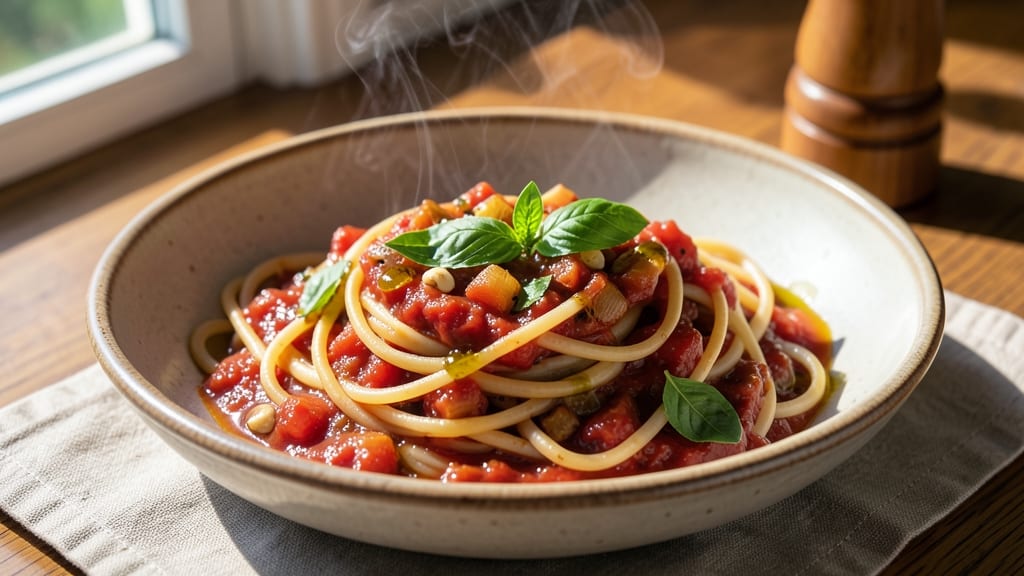
This awesome spaghetti sauce recipe transforms simple ingredients into a deeply flavorful, slow-simmered masterpiece that rivals any restaurant-quality version. The secret lies in a balanced blend of tomatoes, aromatics, and herbs that develop rich, layered umami over time—far beyond what jarred sauces can offer.
I've perfected this technique through years of testing, ensuring every spoonful delivers that perfect balance of sweetness, acidity, and depth.
The foundation begins with high-quality canned tomatoes (or fresh if you prefer) that simmer for hours, allowing their natural sugars to caramelize while absorbing the flavors of garlic, onions, and aromatic herbs.
A splash of red wine adds complexity, while a touch of sugar and herbs like oregano and basil create that signature Italian taste. The sauce thickens naturally as it reduces, creating a velvety texture that clings beautifully to pasta without being overly heavy.
What makes this sauce truly exceptional is its versatility—use it immediately for a fresh dinner or store it in the freezer for months. The flavors deepen with time, making leftovers even more delicious.
Whether you're serving it over spaghetti, tossing it with meatballs, or using it as a pizza topping, this sauce elevates every dish it touches. The process is straightforward, but the results are undeniably restaurant-quality.
Ready to make your own? This recipe delivers a sauce so rich and flavorful, you'll never reach for a jar again. The key is patience—letting the flavors meld and develop over time. Once you taste the difference, you'll understand why this sauce is worth the effort. Let's get started!
Ingredients for awesome spaghetti sauce
Nine simple ingredients transform into restaurant-quality spaghetti sauce with hours of slow simmering.
| Ingredient | Amount | Notes |
|---|---|---|
| San Marzano Crushed Tomatoes 🍅 | 28 oz | High-quality, whole peeled |
| Red Wine 🍷 | ½ cup | Bold dry variety like Cabernet |
| Yellow Onion 🧅 | 1 whole | Medium, finely diced |
| Garlic Cloves 🧄 | 4 cloves | Fresh, minced |
| Extra-Virgin Olive Oil 🫒 | ¼ cup | Fruity, high-quality |
| Fresh Basil Leaves 🌿 | ½ cup | Packed, chopped |
| Dried Oregano 🍃 | 1 tsp | Italian variety preferred |
| Granulated Sugar 🍚 | 1 tbsp | Balances acidity |
| Sea Salt 🧂 | 1 ½ tsp | Diamond Crystal preferred |
| Black Peppercorns 🌶️ | ½ tsp | Freshly cracked |
San Marzano tomatoes are the backbone here—their natural sweetness and low acidity make all the difference. Grab a 28-ounce can from Whole Foods or Trader Joe's for the best quality. The red wine adds depth, so any bold, dry red works—Cabernet, Merlot, whatever's open. For the garlic, fresh is non-negotiable—pre-minced from jars lacks flavor. The olive oil should be fruity and peppery, not mild. I always grab a small bottle of California extra-virgin from the store's olive oil section—it's worth the extra few bucks.
No red wine? Substitute with beef broth plus a splash of balsamic—it mimics the depth. Fresh basil is ideal, but dried works at one-third the amount if you're in a pinch. The sugar balances the acidity, but honey or maple syrup work too if you prefer. For the oregano, Italian seasoning blends from Penzeys or Spicewalla add that authentic touch. The onions can be yellow or red, but yellow has a slightly sweeter flavor. If you're short on time, jarred marinara sauce can be used as a base—just add the aromatics and herbs.
This sauce tastes even better the next day—flavors meld beautifully when refrigerated. For long-term storage, freeze in airtight containers or ice cube trays for single servings. It keeps for up to 6 months in the freezer. I always make a double batch—one for immediate use and one to freeze. When reheating, add a splash of water or broth to prevent thickening. The sauce thickens naturally as it cools, so don't over-reduce it during cooking.
Why You'll Love This Recipe
- One-Pot Magic: I swear by this—just toss everything into one pot and let it simmer. No chopping mountains of veggies, no extra bowls to wash. That red wine deglazes the pan while you’re still stirring the onions, and by the time the garlic’s golden, you’re halfway done.
- Wine-Infused Depth: The red wine isn’t just for flavor—it’s the secret weapon. It cuts through the acidity of the San Marzanos, leaving behind this rich, velvety base that tastes like a restaurant sauce. Honestly, I’ve tried cheaper tomatoes, but this? This is the difference between "good" and "I’ll make it again."
- Weeknight to Party: Same sauce, endless uses. Slap it on spaghetti for a Tuesday dinner, or serve it in a bread bowl for game day. Between us, I’ve even used it as a marinade for chicken—works every time. It’s the kind of sauce that makes you look like a hero, no matter the occasion.
- Freezer-Friendly Gold: Make a double batch, and you’ve got dinner covered for months. The flavors actually improve after a few days, and it reheats like it was just simmered. I keep a jar in my freezer for those nights when I’d rather eat than cook—and it’s still cheaper than takeout.
Step-by-step instructions for slow-simmered umami spaghetti sauce
Here's how to build deep, complex flavor from scratch—no shortcuts, just pure technique.
Sweat the Onion Until Translucent
Heat the 0.25 cup extra-virgin olive oil in a heavy-bottomed pot over medium-low heat. Add the finely diced yellow onion and cook for 8-10 minutes until completely soft and translucent, stirring occasionally. You're not looking for color here—just a gentle breakdown of the onion's structure that will form the sauce's base.
This slow cooking releases the onion's natural sugars, which will caramelize later and create that fundamental sweetness that balances acidity. If you see the onions starting to brown too quickly, reduce the heat slightly. Patience here prevents bitterness down the line.
Add Garlic and Tomatoes for the Base
Stir in the minced garlic cloves and cook for 30 seconds until fragrant but not browned. Immediately add the 28 oz San Marzano crushed tomatoes and 1 tbsp granulated sugar, stirring well to incorporate. The sugar helps balance the tomatoes' natural acidity while letting their sweetness shine through.
Bring the mixture to a gentle simmer, then reduce heat to low. Let it cook uncovered for 20 minutes while you prepare the remaining ingredients. This initial simmer breaks down the tomatoes' cell walls, releasing their juices and starting the flavor extraction process.
Deglaze with Wine and Season
Pour in the 0.5 cup red wine, scraping up any browned bits from the bottom of the pot with a wooden spoon. These bits—called fond—are packed with concentrated flavor. Let the wine simmer for 3-4 minutes until mostly evaporated, then add the 1 tsp dried oregano, 1.5 tsp sea salt, and 0.5 tsp black peppercorns.
Here's where the magic begins: the wine's acidity cuts through the tomatoes' richness while adding depth. The oregano provides that classic Italian herbal note, and the salt and pepper create the perfect flavor foundation. Stir everything together and let it simmer uncovered for another 15 minutes.
Finish with Basil and Simmer Low
Stir in the chopped fresh basil leaves and adjust the heat to maintain a very gentle simmer. Cover the pot and cook for 45-60 minutes, stirring occasionally. The sauce should reduce slightly and develop a thick, velvety consistency. You're looking for a sauce that coats the back of a spoon but isn't glued to it.
This long, slow cook time is crucial—it allows all the flavors to meld together and develop that deep, complex umami character. If the sauce gets too thick, add 1-2 tablespoons of water to loosen it. The basil should infuse its bright, fresh flavor without overpowering the other ingredients.
Rest and Serve
Remove the pot from heat and let the sauce rest for 10 minutes before serving. This resting period allows the flavors to fully integrate and the sauce to thicken slightly. Taste and adjust seasoning if needed—you might need a touch more salt or a splash of red wine to balance the flavors.
Serve immediately over al dente spaghetti, reserving some pasta water to thin the sauce if needed. The sauce should cling beautifully to each strand of pasta, delivering layers of sweet tomato, wine-infused depth, and fresh basil brightness with every bite. This isn't just spaghetti sauce—it's a flavor experience that puts store-bought versions to shame.
Pro Tips For Making Awesome Spaghetti Sauce
- SWEAT THE ONIONS LOW: I used to rush this and end up with bitter, watery onions—now I cook them on medium-low for 8-10 minutes until they’re translucent and just starting to caramelize. That’s where the sweetness comes from, and it’s the base of everything else.
- DEGLAZE WITH WINE IMMEDIATELY: As soon as you remove the onions, pour in that red wine right away—don’t let it sit in the pot. Scrape every last bit with a wooden spoon, or you’ll miss out on the rich, jammy flavor that clings to the bottom.
- CRUSH THE TOMATOES BY HAND: Skip the can’s built-in crush—use your fingers to break up the San Marzano tomatoes before adding them. You’ll get bigger chunks and less water, which means a thicker, more concentrated sauce that doesn’t turn into a soup.
- LET THE SAUCE SIT OFF HEAT: After simmering, turn off the heat and let it rest for 10 minutes, covered. I know, it’s tempting to serve it right away, but this lets the flavors meld and the acidity mellow—trust me, the difference is noticeable.
Storing and reheating this awesome spaghetti sauce
Refrigerator Storage
Let your sauce cool to room temperature (about 1 hour) before transferring to airtight glass containers—I use Pyrex measuring cups with lids for portion control. Store in the fridge for up to 5 days, but the flavors actually deepen after 24 hours as the herbs infuse further.
The sauce will thicken slightly when chilled, so add 1-2 tablespoons of water when reheating. 🌱
Freezer Storage
For long-term storage, freeze in 1-cup portions using silicone ice cube trays or quart-sized freezer bags. Leave ½-inch headspace to prevent expansion cracks. Label with the date—this sauce keeps for up to 6 months without losing quality.
When ready to use, thaw overnight in the fridge or reheat directly from frozen on the stovetop with 1 tablespoon of water per cup. ❄️
Stovetop Reheating
My preferred method: transfer sauce to a saucepan and warm over medium-low heat for 8-10 minutes, stirring occasionally. Add 1-2 tablespoons of water or pasta water if it's too thick. For extra richness, stir in 1 teaspoon of olive oil at the end.
Never microwave—it destroys the sauce's texture and depth of flavor. The gentle heat preserves that velvety consistency you worked so hard to create. 🔥
Freezer-to-Stovetop
If using frozen sauce, add it directly to a cold pot and bring to a simmer over medium heat. The cold sauce will lower the temperature, so you won't scorch it. Stir frequently and add 2-3 tablespoons of water as it warms.
This method takes about 15 minutes total and yields restaurant-quality results every time. The sauce will be slightly watery at first but thickens as it heats. 💫
Sauce Texture Tips
The sauce naturally thickens when cooled, so never over-reduce it during cooking. If it's too thick after reheating, add pasta water (it's seasoned perfectly). For a smoother texture, blend briefly with an immersion blender—just 5-10 seconds is enough.
The sauce should coat the back of a spoon but still be pourable. If it's too thin, simmer uncovered for 5-10 minutes to reduce further. ✨
Flavor Boost After Reheating
After reheating, finish with a pinch of salt, a crack of black pepper, and a sprinkle of fresh basil. The basil adds brightness that's lost during storage. For extra depth, stir in ½ teaspoon of balsamic vinegar—it enhances the wine notes.
Taste before serving and adjust seasonings one element at a time. The goal is to restore that fresh, vibrant flavor you enjoyed the first time. 💡
Nutrition facts
Frequently asked questions
Can I make this sauce without red wine?
For a non-alcoholic version, substitute the 0.5 cup red wine with 0.5 cup beef broth plus 1 tablespoon balsamic vinegar. This combo mimics the wine's depth and acidity perfectly. The balsamic adds that same rich, slightly tangy note that complements the tomatoes beautifully.
How do I adjust this sauce for meatballs?
For meatballs, add 1 pound ground beef or Italian sausage to the sauce during the final 15 minutes of simmering. Break it into small pieces and stir gently to distribute evenly. For extra richness, brown the meat first in a separate pan with 1 teaspoon Italian seasoning before adding to the sauce. The meat will absorb the flavors beautifully, creating a heartier version perfect for meatball subs.
Why does my sauce taste too acidic?
Acidity usually comes from unbalanced tomatoes or wine. To fix it, add ½ teaspoon sugar or 1 teaspoon honey to sweeten, or a pinch of baking soda (⅛ teaspoon max) to neutralize acidity. Stir well and taste before serving. The sugar helps round out the sharpness, while the baking soda works like a natural pH balancer—just use sparingly.
Can I make this sauce in a slow cooker? Yes! Follow the same steps until adding the wine and herbs, then transfer everything to a slow cooker. Cook on low for 6-8 hours or high for 3-4 hours. The slow cooker's gentle heat enhances the flavors even more. Just
What's the best pasta to serve with this sauce?
This rich sauce pairs perfectly with spaghetti, linguine, or fettuccine—any long, thin pasta that lets the sauce cling beautifully. For extra texture, try rigatoni or penne, which hold the sauce in their ridges. Avoid delicate pastas like angel hair, as they can get overwhelmed by the sauce's thickness.