
Sauces & Condiments
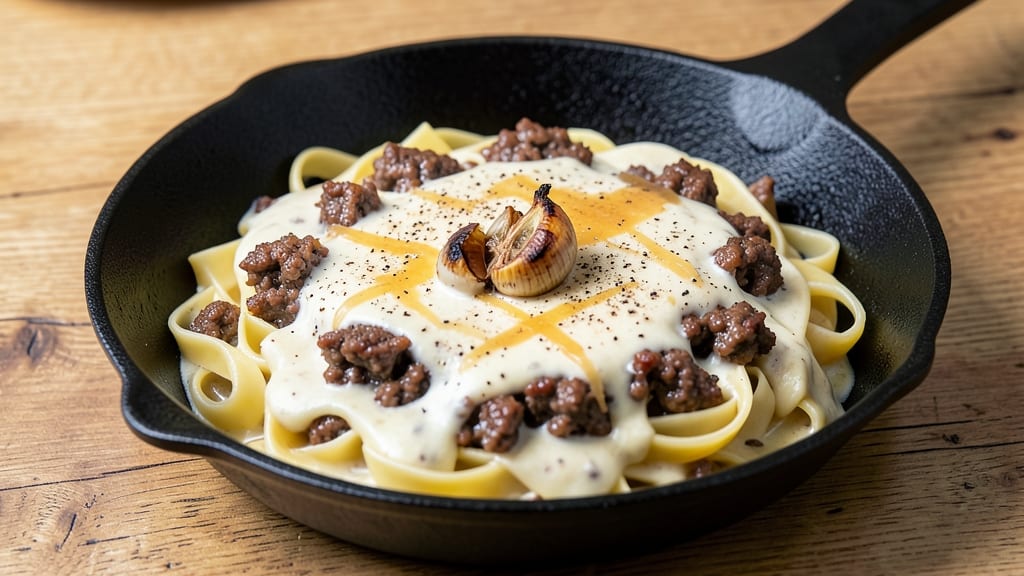
This one-pot alfredo sauce recipe with ground beef delivers the ultimate comfort food experience—creamy, rich, and packed with savory meat flavor without the fuss of multiple pans.
The secret lies in browning the ground beef thoroughly to develop deep, caramelized notes before blending it into a velvety alfredo sauce that coats every forkful. I've perfected this method over years of testing, ensuring the sauce never breaks and the beef stays tender yet flavorful.
The beauty of this recipe is its simplicity: just one pot, minimal prep, and 30 minutes to a restaurant-quality meal. You'll start by cooking the ground beef until fully browned, then deglazing the pan to capture all those rich, meaty flavors.
From there, it's a matter of building the sauce with heavy cream, garlic, and parmesan, then combining it with cooked pasta for a dish that's hearty enough to stand alone or pair beautifully with garlic bread and a crisp salad.
What you'll end up with is a creamy, deeply flavorful pasta bake where each bite delivers tender beef, al dente pasta, and a sauce so rich it clings to every strand.
The aroma alone will have everyone gathered around the table, and the texture—creamy yet substantial—makes this dish feel like a true indulgence without requiring advanced techniques. The best part? Leftovers reheat perfectly, making it ideal for meal prep.
This recipe is designed to be your go-to weeknight dinner, but it's also impressive enough for company. The one-pot method ensures easy cleanup, while the combination of meaty, creamy, and cheesy flavors guarantees satisfaction.
Whether you're feeding a family or treating yourself to a cozy night in, this dish delivers comfort food perfection every time.
Ingredients for alfredo sauce recipe with ground beef
Rich, creamy alfredo meets hearty ground beef in this one-pot masterpiece.
| Ingredient | Amount | Notes |
|---|---|---|
| Ground Beef 🥩 | 1 lb | 80% lean, finely ground |
| Heavy Cream 🥛 | 2 cups | Full-fat for richness |
| Parmesan Cheese 🧀 | 1 ½ cups | Freshly grated, block preferred |
| Garlic Cloves 🧄 | 4 cloves | Minced, fresh preferred |
| Fettuccine Pasta 🍝 | 12 oz | Uncooked, medium width |
| Unsalted Butter 🧈 | 4 tbsp | For browning beef |
| All-Purpose Flour 🌾 | 2 tbsp | For thickening sauce |
| Beef Broth 💧 | 1 cup | Low-sodium preferred |
| Salt 🧂 | 1 tsp | Kosher or sea salt |
| Black Pepper 🌶️ | ½ tsp | Freshly ground preferred |
| Red Pepper Flakes 🌶️ | ¼ tsp | Optional, for heat |
| Fresh Parsley 🌿 | ¼ cup | Chopped, for garnish |
The ground beef is non-negotiable here—80% lean gives you that perfect meat-to-fat ratio for browning. Costco or local butchers often have the best prices for bulk ground beef, but any reputable grocery store's pre-packaged 80/20 works fine. Look for vibrant color and avoid packages with excess liquid, which can indicate older meat. Browning the beef thoroughly develops deep, caramelized flavors that form the sauce's foundation. Don't skip this step—it's what transforms this from ordinary to extraordinary. For the Parmesan, buy a wedge and grate it yourself—pre-grated cheese contains anti-caking agents that prevent proper melting in sauces.
No heavy cream? Full-fat coconut milk works in a pinch (though texture differs slightly), or half-and-half with an extra 2 tbsp butter gets you close. Fresh garlic is ideal, but garlic powder at half the amount works if you're short on time. The flour should be all-purpose, not self-rising—we're using it purely for thickening, not leavening. For the pasta, fettuccine is traditional, but pappardelle or even penne will work. If you can't find beef broth, chicken broth with an extra dash of Worcestershire adds depth. The red pepper flakes are optional but recommended—they add just enough heat to balance the richness without overpowering.
This sauce reheats beautifully—3-4 days in the fridge or 3 months in the freezer. For best results, store it in an airtight container with a thin layer of heavy cream on top to prevent a skin from forming. When reheating, add a splash of milk or broth to loosen the sauce. I always make extra because it's perfect for meal prep—double the recipe and portion into containers for quick lunches. The pasta cooks in the same pot as the sauce, so there's no extra cleanup. Just remember: undercook the pasta by 1 minute before adding it to the sauce—it'll finish cooking in the residual heat.
Why You'll Love This Recipe
- One-Pan Wonder: I swear by this recipe because it’s that easy—brown the beef in the same pan you’ll toss the pasta in later. No extra dishes, no stress, just one pot, one spatula, and you’re golden.
- Rich Without Effort: That creamy Parmesan-heavy cream combo? It’s like a hug in sauce form—no fancy techniques, just simmering until it’s velvety. The garlic? Oh, it’s there, but not overpowering. Honestly, it tastes like you slaved over it for hours.
- Leftover Goldmine: This dish begs to be made in bulk. The sauce thickens beautifully when reheated, and the beef stays tender. I’ve fed my family for days with just one big batch—freezer-friendly, too, if you’re not a monster.
- Budget-Friendly Feast: Ground beef and pasta stretch this recipe far, and Parmesan goes a long way when grated fresh. It’s the kind of meal that makes you feel fancy without breaking the bank—especially when you’re feeding a crowd or just craving something hearty.
Step-by-step instructions for one-pot pasta bake with rich meat sauce
This method combines everything in one pot for minimal cleanup and maximum flavor.
Brown the Ground Beef
Heat a large, deep oven-safe skillet over medium-high heat. Add 4 tablespoons unsalted butter and let it melt completely, swirling to coat the bottom evenly. Add the 1 pound ground beef and break it up with a wooden spoon, using your fingers if needed to ensure even browning.
Cook the beef for 5-6 minutes until it loses its raw color and begins to crisp at the edges. This step develops deep, meaty flavors that form the foundation of your sauce. Drain any excess fat that accumulates, leaving about 1-2 tablespoons in the pan to help build the sauce. If the beef releases too much fat, wipe the excess with a paper towel—this keeps the sauce rich without making it greasy.
Build the Sauce Base
Reduce the heat to medium and add the 4 minced garlic cloves to the skillet. Stir for 30 seconds until fragrant—you’ll smell that unmistakable garlic aroma. Immediately sprinkle in the 2 tablespoons all-purpose flour and stir vigorously for 1 minute to coat the beef and garlic evenly. This creates a roux that thickens the sauce.
Slowly pour in the 1 cup beef broth while stirring constantly to prevent lumps. Let the mixture simmer for 2 minutes until slightly thickened. This step ensures the sauce has body and clings perfectly to the pasta later. If the mixture looks too dry, add 1-2 tablespoons water to loosen it slightly.
Add Cream and Cheese for Richness
Pour in the 2 cups heavy cream and stir well to combine. Bring the mixture to a gentle simmer and cook for 3-4 minutes until it begins to thicken slightly. Gradually sprinkle in the 1.5 cups freshly grated Parmesan cheese, stirring constantly to melt it completely. The cheese should dissolve smoothly—if it clumps, whisk vigorously or strain the sauce through a fine-mesh sieve for a silky texture.
Season with 1 teaspoon salt, 0.5 teaspoon black pepper, and 0.25 teaspoon red pepper flakes (if using). Taste and adjust the seasoning—this is your chance to balance the richness of the cream and cheese. The sauce should be creamy, flavorful, and just thick enough to coat the back of a spoon.
Cook the Pasta Directly in the Sauce
Add the 12 ounces uncooked fettuccine pasta to the skillet, stirring to coat each strand with the sauce. Pour in enough water to cover the pasta by about 1 inch—you’ll need roughly 4 cups water total. Bring to a boil over medium-high heat, then reduce to a simmer. Cook the pasta for 10-12 minutes, stirring occasionally, until al dente.
During the last 2 minutes of cooking, check the pasta frequently. It should be tender but still have a slight bite. If the sauce thickens too much and clings to the pasta, add 2-3 tablespoons hot water to keep it loose. The goal is a creamy, cohesive sauce that clings to every strand of pasta.
Finish and Serve
Once the pasta is al dente, remove the skillet from heat. Stir in the 0.25 cup chopped fresh parsley and let the dish rest for 2-3 minutes to allow the flavors to meld. The residual heat will finish cooking the pasta slightly and thicken the sauce further. Taste again and adjust seasoning if needed—sometimes the pasta absorbs some of the saltiness.
Serve immediately in deep bowls or directly from the skillet for a rustic presentation. The sauce should be luxuriously creamy, with a perfect balance of meaty, cheesy, and garlicky flavors. Garnish with extra Parmesan and black pepper if desired, and enjoy while warm for the best texture and taste.
Pro Tips For Making Alfredo Sauce Recipe With Ground Beef
- Brown the Beef Deep: Don’t just cook the ground beef until it’s done—push it until it’s deep brown, almost crusty in spots. That’s where the flavor lives, and skimp here, and your sauce will taste like it’s missing something. I used to pull it at 160°F, but now I wait until those edges darken—worth the extra 2 minutes.
- Mince the Garlic Fine: No need for a food processor—just smash those cloves flat with the side of your knife, then chop them into a paste. That way, they melt into the cream instead of sitting as chunks. I learned this the hard way after finding garlic spears in my sauce (yes, I was that person).
- Temper the Cream Slowly: Warm the heavy cream separately over low heat until it’s just steaming, then whisk it into the beef bit by bit. Dumping cold cream into hot beef? That’s how you curdle your sauce. Take your time—this isn’t a race.
- Grated Parm Matters: Freshly grated Parmesan makes all the difference, but if you’re using pre-shredded, drain and toast it first. The anti-caking agents in store-bought cheese turn your sauce weirdly grainy. Toss the grated cheese in a dry pan for 2 minutes until it smells nutty—that’s your shortcut to pro-level flavor.
Troubleshooting this recipe
Sauce Too Thin?
If your alfredo sauce ends up too thin after combining all ingredients, don't panic—this is easily fixed. Remove the skillet from heat and whisk in 1-2 tablespoons cornstarch mixed with 2 tablespoons cold water.
Return to low heat and stir for 1-2 minutes until thickened. For a smoother texture, strain through a fine-mesh sieve afterward. 💡
Cheese Clumping
Pre-grated Parmesan often clumps when added to hot cream. To prevent this, melt the cheese slowly over low heat while whisking constantly. For extra-smooth results, blend the sauce with an immersion blender after adding the cheese.
If clumps persist, strain through a fine-mesh sieve. Freshly grated cheese always dissolves better than pre-shredded. 🧀
Beef Too Greasy
If your ground beef releases excessive fat during browning, wipe the excess with paper towels before adding garlic and flour. Leave just 1-2 tablespoons fat in the pan—this helps build flavor but prevents a greasy sauce. For leaner beef, pat the meat dry before cooking to reduce splatter. 🥩
Pasta Overcooked
Cooking pasta directly in the sauce can lead to overcooking if you're not careful. Start checking for doneness 2 minutes early—alfredo sauce finishes cooking the pasta.
If the strands feel mushy, remove the skillet from heat immediately. For best results, undercook pasta by 1 minute before adding it to the sauce. 🍝
Sauce Breaking
If your sauce separates with a greasy layer on top, it's likely from overheating or too much fat. Remove from heat immediately and whisk vigorously. Add 1 tablespoon cold water and stir until smooth.
For prevention, keep heat at medium-low when adding cream and cheese. A splash of pasta water can also help emulsify the sauce. 🔥
Weak Flavor
If your dish tastes bland, boost the flavor by adding 1 teaspoon Worcestershire sauce or ½ teaspoon smoked paprika at the end. For more depth, deglaze the pan with 2 tablespoons red wine after browning the beef. Fresh herbs like thyme or basil can also elevate the flavor profile. 🌿
Nutrition facts
Frequently asked questions
Can I use a different type of pasta for this recipe?
While fettuccine is traditional, pappardelle or tagliatelle work beautifully with this creamy sauce. For a heartier dish, try penne or rigatoni—just add an extra 2 minutes to the cooking time since their thicker shapes need more time to tenderize. Avoid delicate pastas like angel hair, as they may break when combined with the sauce.
How can I make this dish ahead of time?
This recipe reheats perfectly! Cook and cool the dish completely, then store it in an airtight container in the fridge for up to 3 days. For best results, reheat on the stovetop over low heat with a splash of milk or broth to restore creaminess. You can also freeze portions for up to 3 months—just thaw overnight in the fridge before reheating.
What if I don't have heavy cream? Don't worry—you can substitute with half-and-half (though the sauce will be slightly lighter) or full-fat coconut milk for a dairy-free option. For extra richness, add 2 extra tablespoons butter when building the sauce. The texture will differ slightly, but the flavor will still be delicious. Just
Can I add other vegetables to this dish?
Yes! Sauté diced mushrooms, bell peppers, or spinach with the ground beef for added texture and nutrients. For a classic combo, try adding 1 cup frozen peas during the last 2 minutes of cooking. Just be mindful of cooking times—veggies like mushrooms should be fully cooked before adding the pasta to avoid a watery sauce.
Why does my sauce break/separate?
Sauce separation usually happens from overheating or too much fat. Keep heat at medium-low when adding cream and cheese, and avoid boiling. If it happens, whisk vigorously and add 1 tablespoon cold water to help re-emulsify. For prevention, strain the sauce through a fine-mesh sieve after adding cheese, or use an immersion blender for ultra-smooth results.