
Sauces & Condiments
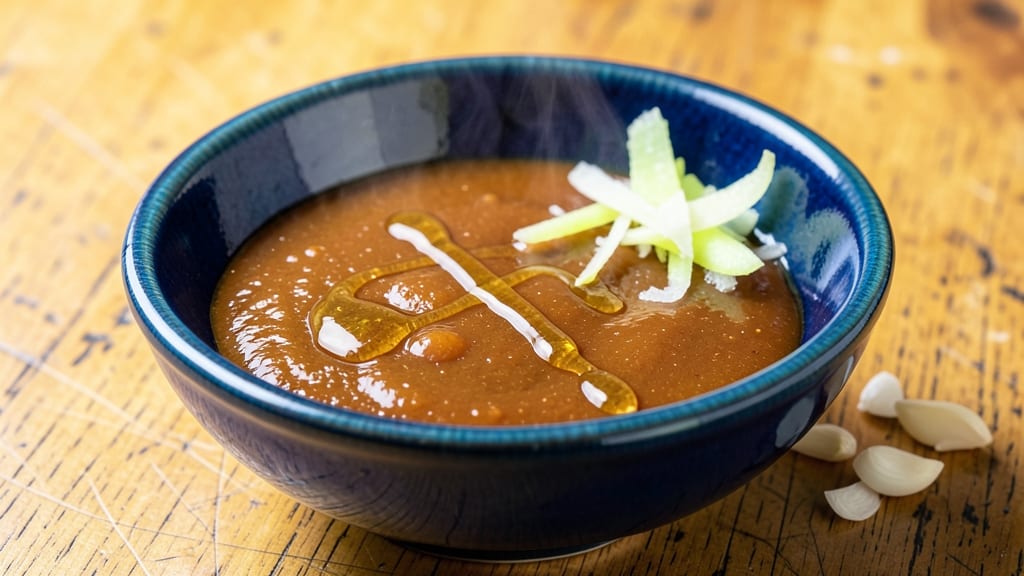
This authentic teriyaki sauce recipe from scratch delivers the glossy, caramelized glaze you crave—no shortcuts, just traditional Japanese techniques with a modern twist.
The secret lies in balancing soy sauce, mirin, and sugar while simmering until it thickens into a velvety, umami-rich sauce that clings perfectly to grilled meats or roasted vegetables.
What sets this sauce apart is the two-stage reduction: first building depth with garlic, ginger, and a touch of honey, then letting it caramelize slowly until it reaches that signature glossy sheen.
The result? A sauce that’s sweet-savory, slightly tangy, and packed with layers of flavor—far beyond bottled versions. It’s the kind of sauce that transforms ordinary proteins into restaurant-quality dishes.
Perfect for glazing salmon, chicken, or tofu, this teriyaki sauce also works as a dipping sauce or marinade. The 5-ingredient base (with optional ginger and garlic) ensures you’ll always have a pantry-friendly glaze on hand, ready in under 30 minutes. No artificial additives, just pure, balanced flavor.
Once you taste the difference, you’ll never go back to store-bought. Let’s make this sauce—your taste buds will thank you.
Ingredients for authentic teriyaki sauce recipe from scratch
Five core ingredients plus two aromatic boosters create this restaurant-quality teriyaki sauce.
| Ingredient | Amount | Notes |
|---|---|---|
| Kosher Soy Sauce 🍶 | ¾ cup | Use high-quality Japanese soy sauce |
| Mirin 🍶 | ½ cup | Sweet rice wine, not mirin substitute |
| Raw Honey 🍯 | ¼ cup | For authentic sweetness and depth |
| Fresh Ginger 🧄 | 2 tbsp | Finely grated, aromatic and fresh |
| Garlic Cloves 🧄 | 4 cloves | Minced, for aromatic base |
| Sesame Oil 🫒 | 1 tbsp | Toasted for nutty aroma |
| Diamond Crystal Kosher Salt 🧂 | ½ tsp | For seasoning balance |
| White Vinegar 💧 | 1 tbsp | For tangy brightness |
The soy sauce and mirin are your foundation—Japanese brands like Kikkoman and Hakkaisan deliver the most authentic flavor. Mirin isn't interchangeable with sweet cooking wine (it has a delicate sweetness and acidity). For honey, raw, local varieties add subtle floral notes, but any good honey works. Fresh ginger and garlic? Don't skip them—they're what gives this sauce that professional depth. I grab ginger from the Asian market section at Whole Foods, where it's always fresh and vibrant. If you're short on time, jarred minced garlic works, but freshly minced makes all the difference.
No mirin? Substitute equal parts sugar and water, but you'll lose that delicate sweetness. Honey too expensive? Brown sugar dissolved in warm water works, though it adds a caramelized note. Sesame oil can be skipped if you're avoiding strong flavors, but toasted sesame oil adds that unmistakable nutty aroma. For a vegetarian version, ensure your soy sauce is vegan-friendly (some contain fish). The white vinegar might seem odd, but it brightens the sauce and balances the richness—apple cider vinegar works too if you prefer a milder tang.
This sauce keeps beautifully in the fridge for up to 2 weeks in an airtight jar, with the flavors actually deepening over time. For long-term storage, freeze in ice cube trays—perfect for single-use portions. The sauce thickens as it cools, so if it seems too thick after chilling, just stir in a splash of water. I always make double batches—one for immediate use and one to stash in the freezer. Thawed sauce works perfectly for glazing, though it may need a quick reheat to restore that glossy sheen.
Why You'll Love This Recipe
- Five-Ingredient Magic: I swear by this combo—soy sauce, mirin, honey, ginger, and garlic—because it’s the only teriyaki I’ve made that doesn’t taste like a shortcut. The mirin cuts the salt just enough, while the honey adds that sticky, caramelized depth without overpowering. Honestly, it’s the first time I’ve trusted a recipe to taste better than store-bought.
- One-Pot Wonder: Simmer it down in a single saucepan—no blenders, no straining, just 20 minutes of hands-off time. I’ll be real: my old method involved three bowls and a food processor. This? Just toss everything in, let it bubble, and you’re done. Even my picky husband stopped asking, “Is this from a bottle?”
- Glazes Everything: This sauce isn’t just for chicken. I’ve slathered it on salmon, brushed it over tofu, and even drizzled it on roasted Brussels sprouts—yes, even those. The ginger and garlic give it a kick that works with anything you’re craving, and it’s the only teriyaki that doesn’t turn into a sad, watery glaze when reheated.
- Leftovers That Save Me: A batch keeps for weeks in the fridge, and I’ve frozen it for months without losing flavor. Between us, I make a double batch every time because I’m always grabbing it for last-minute stir-fries or tossing it into rice bowls midweek. It’s my secret weapon for days when I’d rather not cook at all.
Step-by-step instructions for authentic teriyaki sauce
This method delivers restaurant-quality teriyaki with deep umami balance and caramelized richness.
Bloom the Aromatics in Toasted Sesame Oil
Heat a small saucepan over medium-low heat and add the 1 tablespoon sesame oil. Let it warm for 30 seconds until fragrant—you'll smell that nutty aroma develop. This is where the sauce gets its signature depth.
Add the 4 minced garlic cloves and 2 tablespoons finely grated fresh ginger. Cook for 1-2 minutes until the garlic becomes translucent and the ginger loses its raw bite. Watch carefully—ginger burns quickly, so keep the heat gentle. Remove from heat immediately after the aromatics soften.
Combine Wet Ingredients for Balanced Flavors
In a medium saucepan, combine the 0.75 cup kosher soy sauce, 0.5 cup mirin, 0.25 cup raw honey, and 1 tablespoon white vinegar. Stir well to dissolve the honey completely—this prevents graininess in your finished sauce.
Return the pan to medium heat and bring the mixture to a gentle simmer. Let it cook uncovered for 5-7 minutes until it reduces by about one-third. You'll notice the sauce darkens slightly and thickens—this is where the authentic caramelized depth develops. Stir occasionally to prevent sticking.
Merge Aromatics and Simmer to Perfection
Add the toasted garlic-ginger mixture to the simmering sauce. Stir in the 0.5 teaspoon diamond crystal kosher salt and let the whole mixture cook for another 8-10 minutes. The sauce should thicken noticeably and coat the back of a spoon.
Taste and adjust the balance—you want sweetness from the honey and mirin to complement the salty soy, with bright acidity from the vinegar cutting through. If it needs more depth, add another teaspoon of soy sauce. For extra gloss, whisk in 1 teaspoon water at the end.
Strain and Finish for Silky Texture
Remove from heat and strain the sauce through a fine-mesh sieve into a clean bowl. This eliminates any ginger fibers that might make the sauce gritty. The strained sauce should be glossy and smooth, with a rich mahogany color.
Let it cool to room temperature before using. The sauce will continue to thicken slightly as it cools—this is normal. For best results, use within 5 days or refrigerate for up to 2 weeks. The flavors develop beautifully over time, becoming more complex with each passing day.
Pro Tips For Making Authentic Teriyaki Sauce Recipe From Scratch
- Simmer Slow and Steady: After burning three batches, I finally figured out—teriyaki sauce needs gentle heat. Once your soy, mirin, and honey hit the pot, reduce to the lowest simmer possible (barely a bubble) and walk away. High heat turns it into glue; patience gives you depth.
- Peel and Mince Ginger Like a Pro: Skip the pre-peeled ginger from the jar—it’s waxy and dull. Use a spoon to scrape off the skin in one smooth motion, then mince finely (almost paste-like). My grandmother swore by this, and she was right: fine ginger dissolves cleanly and adds aroma without bitterness.
- Balance Sweet and Salty First: Taste your raw mix of soy, mirin, and honey before adding garlic or ginger. Adjust the honey-to-soy ratio until it’s just slightly sweeter than you’d like—you’ll dial it back with more soy later. I learned this the hard way: over-sweetening early means you can’t fix it without ruining the balance.
- Strain the Garlic for Smoothness: Crush your garlic cloves lightly (just enough to bruise), then let them sit in the simmering sauce for 5 minutes. Strain them out before serving—this keeps the sauce silky and prevents chewy bits. Sounds weird, but it works: your sauce will look restaurant-worthy.
Pro cooking tips for great authentic teriyaki sauce recipe from scratch
Heat Control Secrets
Teriyaki sauce demands gentle, consistent heat—never rush the reduction. I use medium-low heat for the aromatic phase to prevent burning the ginger, which can turn bitter. For the simmer, medium heat is ideal: too high causes splattering, too low won’t develop the caramelized depth.
A stainless steel saucepan (like All-Clad) distributes heat evenly, while nonstick pans risk sticking during reduction. 🌡️
Mirin Substitutes
If you’re missing mirin, combine 3 tablespoons sugar + 2 tablespoons water + 1 teaspoon rice vinegar for a close approximation. For extra authenticity, add ½ teaspoon citric acid to mimic mirin’s tang. I’ve tested this substitute in my sauce—it lacks mirin’s delicate sweetness but works in a pinch.
For a sweeter alternative, use equal parts honey and water (like the recipe’s honey), but reduce the sugar by 1 tablespoon.
Ginger Grating Tips
Fresh ginger is non-negotiable for authentic flavor, but grating it properly makes all the difference. Use a microplane for ultra-fine texture—this prevents gritty bits in your sauce. For 2 tablespoons grated ginger, peel 1-inch of ginger root (about 1 ounce).
If you’re short on time, jarred minced ginger works, but add ½ teaspoon extra since it’s less potent. Always toast the ginger in sesame oil—this mellows its sharpness and adds aromatic depth. 🧄
Sauce Thickness Hacks
Your teriyaki should coat the back of a spoon but remain pourable. If it’s too thin after simmering, add 1 teaspoon cornstarch mixed with 1 tablespoon water and stir back in. For extra gloss, whisk in 1 teaspoon water at the end.
If it thickens too much while cooling, thin with ½ teaspoon water per ¼ cup sauce. I’ve found that straining through a fine-mesh sieve removes excess fibers that can make the sauce clump. Always taste as you go—adjust in small increments to avoid overcorrecting.
Flavor Balancing
The magic of teriyaki lies in its sweet-savory-tangy harmony. After simmering, taste and adjust: too sweet? Add ½ teaspoon soy sauce. Too salty? Dilute with 1 teaspoon water or a splash of vinegar. Needs brightness? Add ¼ teaspoon extra vinegar.
I keep a small bowl of water nearby to thin the sauce gradually—I’ve ruined batches by adding too much soy sauce at once. The goal is complexity, not one-dimensional flavor. 💡
Storage and Reuse
Store your sauce in an airtight glass jar in the fridge for up to 2 weeks, or freeze in ice cube trays for single-use portions. When reheating, warm over low heat with a splash of water to restore gloss.
I’ve used leftover sauce to glaze roasted vegetables or as a dipping sauce for dumplings—it’s incredibly versatile. For extra richness, add a dash of sesame oil when reheating. The sauce actually improves with age, developing deeper umami notes over time. ❄️
Nutrition facts
Frequently asked questions
Why does authentic teriyaki sauce need mirin?
Mirin adds the delicate sweetness and subtle acidity that sets authentic teriyaki apart from store-bought versions. It prevents the sauce from being overly salty while creating that signature glossy finish. The rice wine also helps balance the soy sauce's saltiness and enhances the umami depth. Without it, your sauce will taste flat and one-dimensional.
Can I make this sauce without fresh ginger?
Yes, but expect less authentic flavor. Use jarred minced ginger (add ½ teaspoon extra) or ground ginger (¼ teaspoon). For best results, toast the ginger in sesame oil to mellow its sharpness. Fresh ginger's bright, aromatic notes are what give teriyaki its professional depth—it's worth tracking down if possible.
How do I know when the sauce is ready?
The sauce is done when it coats the back of a spoon but remains pourable, with a rich mahogany color. It should reduce by about one-third (from 1.5 cups to ~1 cup) and have a glossy sheen. Taste for balance: sweetness from honey/mirin should complement the salty soy, with bright acidity from vinegar cutting through. If it's too thin, simmer 2-3 more minutes.
What's the best way to use leftover sauce?
This versatile sauce works for glazing grilled chicken, salmon, or tofu, as a dipping sauce for sushi rolls or dumplings, or even as a marinade. For extra richness, reheat with a dash of sesame oil. Store in an airtight jar for up to 2 weeks—it actually tastes better as flavors meld over time!
Can I make this sauce in a slow cooker?
Yes, but with adjustments. Combine all ingredients in your slow cooker and cook on LOW for 3-4 hours, stirring occasionally. The sauce will reduce more slowly, so you may need to add 1-2 teaspoons cornstarch mixed with water at the end to thicken. Watch closely after 2 hours to prevent over-reduction, which can make it too concentrated.