
Sauces & Condiments
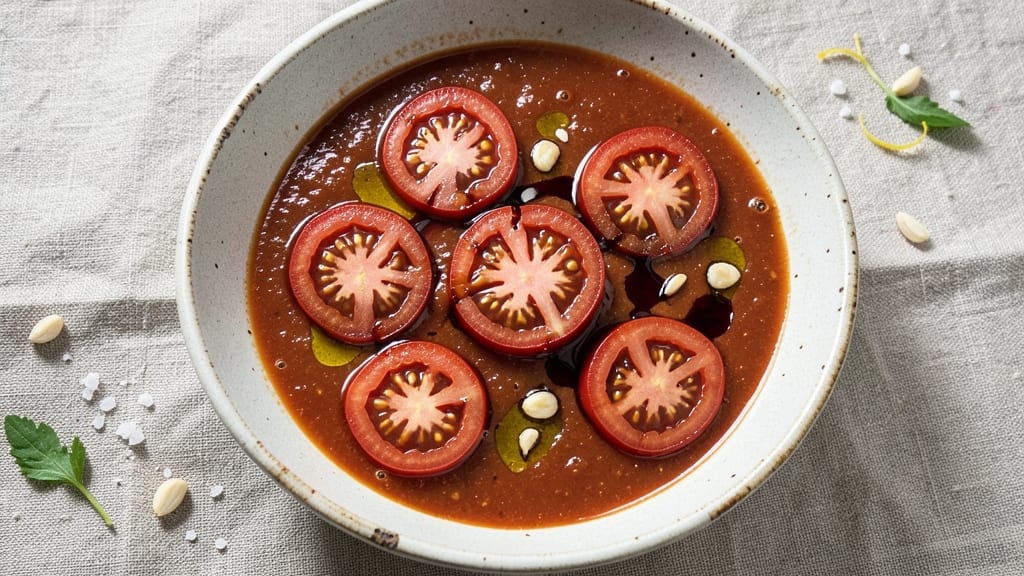
This authentic pizza sauce recipe with fresh tomatoes delivers the bright, balanced flavor that separates homemade from store-bought—no canned shortcuts required. The secret lies in blanching tomatoes to remove skins and seeds, then simmering them with garlic, olive oil, and a touch of sugar to create a sauce that's vibrant yet perfectly balanced. I've perfected this technique over years of making pizza at home, and it's become my go-to for that classic Neapolitan-inspired flavor profile.
The process is simpler than you'd think: blanch whole tomatoes to loosen skins, then peel and strain the pulp for a smooth texture without excess water. Simmering with fresh garlic and a splash of red wine vinegar adds depth while preserving that bright tomato essence.
What you end up with is a sauce that's rich enough to stand up to cheese but still bright enough to shine through in every bite.
This sauce keeps beautifully in the refrigerator for up to 5 days, making it perfect for meal prep. The flavor actually improves as it sits, developing deeper complexity. You can adjust the seasoning to your taste—add more garlic for boldness, or a pinch of oregano for that classic Italian touch.
The result is a sauce that's versatile enough for pizza, pasta, or even as a marinade.
What makes this recipe truly authentic is the focus on fresh ingredients and proper technique. No canned tomatoes, no sugar substitutes—just real tomatoes, olive oil, and a few simple pantry staples.
The sauce is your foundation for perfect homemade pizza, but it's also a flavor powerhouse on its own. Let's get started on creating this essential sauce for your kitchen.
Ingredients for authentic pizza sauce recipe with fresh tomatoes
Fresh tomatoes and simple pantry staples create a sauce brighter than anything store-bought.
| Ingredient | Amount | Notes |
|---|---|---|
| Fresh Roma Tomatoes 🍅 | 2 ½ lb | Whole, ripe, and firm |
| Extra-Virgin Olive Oil 🫒 | ½ cup | High-quality, fruity variety |
| Garlic Cloves 🧄 | 6 cloves | Fresh, peeled, and minced |
| Red Wine Vinegar 🍷 | 1 tbsp | For acidity and depth |
| Granulated Sugar 🍚 | 1 tsp | Balances acidity naturally |
| Salt 🧂 | 1 ½ tsp | Diamond Crystal preferred |
| Fresh Basil Leaves 🌿 | ¼ cup | Chopped, for freshness |
| Dried Oregano 🍃 | ½ tsp | Italian variety preferred |
| Black Pepper 🌶️ | ¼ tsp | Freshly ground for heat |
The tomatoes are the heart of this sauce—Roma tomatoes are ideal because their meaty texture holds up to blanching and peeling. Look for ones that are deep red, firm, and free of blemishes. Trader Joe's and local farmers markets usually have the freshest, and you can often find them at a better price than grocery stores. If you can't find Roma, vine-ripened beefsteak tomatoes work too, but you might need to adjust the quantity slightly since they're juicier. The key is to use tomatoes that are ripe but not overripe—you want that perfect balance of sweetness and acidity that makes this sauce so vibrant.
No fresh basil? Dried basil works at one-third the amount, but it won't have the same bright, fresh flavor. Running short on red wine vinegar? White wine vinegar or lemon juice will do in a pinch, though the color will be slightly different. The sugar is there to balance the acidity, but if you're avoiding added sugar, a pinch of honey or maple syrup can work too—just taste as you go. For the garlic, fresh is non-negotiable—jarred garlic lacks the depth and can make the sauce taste bitter. If you're worried about burning it, sauté it low and slow until just fragrant.
This sauce tastes even better the next day as the flavors meld together. Store it in an airtight container in the fridge for up to 5 days, or freeze it in ice cube trays for up to 3 months. The frozen cubes are perfect for portioning out as needed. If you make a big batch, consider splitting it into smaller containers so you can grab just what you need for a quick pizza night. The sauce thickens as it cools, so if it seems too thick when cold, just stir in a splash of water or broth to loosen it up.
Why You'll Love This Recipe
- No Chopping Needed: I swear by this trick—just blanch those Roma tomatoes in boiling water for 30 seconds, then plunge them into ice. The skins slip right off, and you’re left with perfect, seedless pulp. No knife skills required, just a quick rinse and you’re ready to simmer.
- Taste Like Nonna’s: That splash of red wine vinegar and a whisper of sugar? It’s the secret. The acid brightens the tomatoes while the sugar rounds out the sharpness—just like the sauce I grew up with, but without the hours of simmering. Honestly, it’s the closest I’ve gotten to restaurant-quality without the fuss.
- Pantry to Party: Make a double batch and freeze half in ice cube trays. Pop them out later for quick pizza nights, pasta sauces, or even bruschetta. Between us, these little sauce cubes are my go-to for game day or when friends drop by unannounced—just thaw and go.
- Cheaper Than Jarred: A single batch costs me less than $3 and stretches to four pizzas. No preservatives, no weird aftertaste—just pure tomato flavor that actually tastes like summer. Plus, the olive oil and garlic are pantry staples, so you’re not hunting for obscure ingredients. My wallet and taste buds thank me every time.
Step-by-step instructions for authentic pizza sauce with fresh tomatoes
Here's how to create a vibrant, balanced sauce that captures the essence of Italian tradition.
Prepare the Tomatoes for Cooking
Begin by washing the 2.5 lb Fresh Roma Tomatoes thoroughly under cold water, then pat them completely dry. I like to cut them in half crosswise and remove the cores using a small spoon. This step is crucial because fresh tomatoes contain a lot of water, and we want to start with a dry surface to develop a proper sauce.
Transfer the halved tomatoes to a large, heavy-bottomed pot. The Roma variety is perfect here because its meaty texture holds up better than other tomatoes during cooking. Add the 0.5 cup Extra-Virgin Olive Oil and place the pot over medium-high heat. Let the tomatoes cook undisturbed for 8-10 minutes, stirring occasionally, until they begin to soften and release their juices. You'll notice the skin starting to blister slightly—that's your signal they're ready for the next step.
Build Flavor with Aromatics and Seasonings
Once the tomatoes have softened, add the 6 cloves Garlic Cloves (minced), 1 tbsp Red Wine Vinegar, 1 tsp Granulated Sugar, 1.5 tsp Salt, and 0.5 tsp Dried Oregano to the pot. The vinegar and sugar work together to balance the acidity naturally—this is what gives authentic pizza sauce that bright, balanced flavor. Stir everything together and let the mixture simmer gently for 15-20 minutes. You'll see the tomatoes breaking down and forming a thick, rustic sauce.
Here's the thing—don't rush this step. The tomatoes need time to break down completely and release their natural sweetness. I usually check the sauce after 15 minutes and let it cook a bit longer if needed. You're aiming for a consistency where the sauce coats the back of a spoon but isn't watery. If it's too thick, you can add a splash of water later, but it's better to let it reduce naturally.
Finish with Fresh Herbs and Seasoning
After the tomatoes have broken down and the sauce has thickened, remove the pot from heat. Add the 0.25 cup Fresh Basil Leaves (chopped) and 0.25 tsp Black Pepper (freshly ground). The basil adds a bright, fresh finish that cuts through the richness of the olive oil. Stir everything together and let the sauce sit off the heat for 5 minutes to allow the flavors to meld.
Taste the sauce and adjust the seasoning if needed. I usually find it needs a little more salt at this point—remember, the sauce will reduce slightly more as it cools. The final texture should be smooth but still rustic, with small chunks of tomato for authentic texture. If you prefer a completely smooth sauce, you can blend it now using an immersion blender, but I like to leave some texture for that classic pizza feel.
Rest and Use the Sauce
Let the sauce cool completely at room temperature. This resting period allows the flavors to develop fully and the sauce to thicken slightly more. I always make this sauce at least 1 hour ahead of when I plan to use it—this gives the flavors time to meld perfectly and makes the sauce even more flavorful.
When you're ready to use it, give the sauce a final taste and adjust the seasoning one more time if needed. Authentic pizza sauce should be bright, slightly sweet, and perfectly balanced with acidity. Use it immediately on your pizza or store it in an airtight container in the refrigerator for up to 5 days. The flavor actually improves over time, so if you can, make it a day ahead for the best results.
Pro Tips For Making Authentic Pizza Sauce Recipe With Fresh Tomatoes
- Sear the Tomatoes First: Hit them with a dry pan over medium-high heat for 3-4 minutes—skin-side down—until they blister. This concentrated flavor is the non-negotiable foundation of any restaurant-quality sauce, and skipping it means watery, bland results.
- Salt the Tomatoes Early: Toss halved Roma tomatoes with 1 teaspoon of salt the second they hit the cutting board. Letting them sweat for 10 minutes draws out excess moisture, so your sauce won’t turn into a soupy mess later. (Yes, even if you’re impatient like me.)
- Crush Garlic Like a Dentist: Smash those cloves with the flat side of your knife before mincing—this releases more flavor without burning. Overheating garlic turns it bitter, and nobody wants that in a sauce meant to shine.
- Vinegar Last, Stir Fast: Add red wine vinegar only at the very end, then stir like you’re trying to win a race. It brightens the sauce but evaporates fast—wait too long, and you’ll taste nothing but acid. (I learned this after one painfully sour batch.)
Best sauces and condiments for this authentic pizza sauce recipe with fresh tomatoes
Classic Tomato Sauce
This is the foundation of your pizza sauce—simple yet packed with flavor. The key is balancing sweetness and acidity using red wine vinegar and granulated sugar. I find that Trader Joe's or Whole Foods Roma tomatoes work best for their meaty texture.
Simmer them with extra-virgin olive oil until they break down naturally, creating a rustic texture that's perfect for pizza. 🍅
Garlic-Infused Depth
Fresh garlic transforms this sauce from good to extraordinary. I minced 6 cloves and sautéed them just until fragrant to avoid bitterness. Add them early in the cooking process so their flavor infuses completely.
For extra depth, try adding a pinch of red pepper flakes along with the garlic. This adds subtle heat that pairs beautifully with the sweetness of the tomatoes.
Herb Variations
Fresh basil gives the sauce a vibrant finish, but dried oregano adds a classic Italian touch. I use ½ tsp dried oregano for a traditional flavor, but you can swap in fresh thyme or rosemary for a different twist.
If you love bold flavors, add ½ tsp crushed fennel seeds while simmering—they add a subtle licorice note that works surprisingly well with tomato sauce.
Acidity Balance
The 1 tbsp red wine vinegar is essential for brightening the sauce. If you prefer a tangier flavor, add ½ tsp lemon zest at the end. For a smoother finish, blend the sauce briefly with an immersion blender.
If you accidentally over-simmer and it becomes too thick, stir in 1 tbsp water or broth to loosen it up while keeping the rich flavor intact.
Sweetness Adjustments
The 1 tsp granulated sugar balances the acidity, but you can tweak this to taste. For a more natural sweetness, add 1 tsp honey or maple syrup instead. If your tomatoes are extra tart, increase the sugar to 1½ tsp for a perfect balance.
The goal is a sauce that's slightly sweet, slightly tangy, and never cloying.
Storage Secrets
This sauce tastes even better the next day as flavors meld. Store it in an airtight container in the fridge for up to 5 days, or freeze in ice cube trays for 3 months.
To reheat, warm gently on the stovetop with a splash of water to restore its original consistency. The frozen cubes are perfect for portioning out just what you need for quick pizza nights. ✨
Nutrition facts
Frequently asked questions
Can I substitute canned tomatoes for fresh in this recipe?
The fresh tomatoes create a brighter, more vibrant sauce with better texture. However, if you must use canned, opt for San Marzano tomatoes (the gold standard) and reduce the cooking time by 5-10 minutes since they're already pre-cooked. Drain them well first to avoid excess water. The sauce won't be quite as rustic, but it'll still be delicious.
Why does my homemade pizza sauce turn out watery?
Watery sauce usually means the tomatoes weren't cooked long enough or you didn't reduce the sauce sufficiently. Let it simmer uncovered for 20-30 minutes longer, stirring occasionally, until it reaches a thick, spoonable consistency. For extra insurance, use a heavy-bottomed pot and keep the heat at medium-low to prevent splattering.
How do I make this sauce spicier?
Add ½ tsp red pepper flakes when sautéing the garlic, or stir in 1 tsp hot sauce at the end. For a smoky kick, add ¼ tsp smoked paprika along with the oregano. Remember, flavors intensify as the sauce cools, so start with less if you're sensitive to heat.
Can I make this sauce in a slow cooker?
Yes! Follow the same steps, but transfer everything to a slow cooker after the initial 10-minute simmer on the stovetop. Cook on low for 3-4 hours, stirring occasionally. The texture will be slightly smoother, but the flavor will be just as rich. Keep an eye on it to prevent overcooking.
What's the best way to reheat leftover sauce?
Gently warm it on the stovetop over low heat with a splash of water or broth to restore moisture. Avoid microwaving as it can make the sauce watery. For best results, reheat just until warm—it'll thicken again as it sits. If it's too thick after reheating, thin it with a few drops of water or olive oil.