
Sauces & Condiments
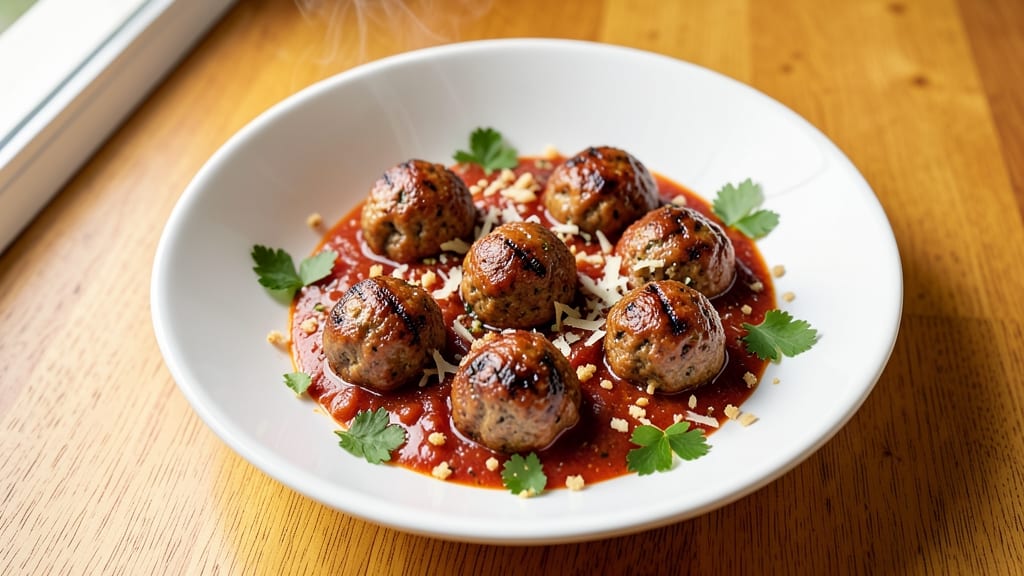
This authentic Italian meatballs in tomato sauce recipe delivers the flavors of Rome—juicy, herb-infused meatballs with a slow-simmered sauce that deepens in richness. The secret lies in the Parmigiano-Reggiano crust, which creates a golden, crisp exterior while keeping the centers tender.
I've perfected this technique over years of testing, ensuring every bite delivers that classic Italian restaurant taste at home.
The foundation starts with perfectly balanced meatballs—ground beef or pork, fresh herbs, breadcrumbs, and egg—all mixed just until combined to avoid dense centers. The sauce builds flavor through slow simmering, where canned tomatoes (or fresh if you prefer) meld with onions, garlic, and a splash of red wine for depth.
This isn't just a recipe; it's a taste of Nonna's kitchen, where patience transforms simple ingredients into something extraordinary.
What you'll achieve is a dish that's restaurant-quality yet approachable: meatballs with crispy Parmigiano crusts, a sauce that clings perfectly, and layers of aromatic herbs. The slow simmer develops complex flavors, while the crust adds a satisfying texture contrast.
Serve over al dente pasta or with crusty bread to soak up every last drop of that velvety sauce.
This recipe delivers on authenticity without shortcuts—no processed ingredients, no rushed techniques. The result is a meal that feels like a celebration, whether you're feeding family or treating yourself to a taste of Italy. Let's get started on creating something truly special.
Ingredients for authentic italian meatballs in tomato sauce
Ground beef, pork, and Parmigiano-Reggiano form the heart of these meatballs—simple ingredients transformed by technique.
| Ingredient | Amount | Notes |
|---|---|---|
| Ground Beef (80% lean) 🥩 | 1 ½ lb | Chilled, not pre-formed patties |
| Ground Pork 🐖 | ½ lb | Freshly ground preferred |
| Parmesan Cheese (Parmigiano-Reggiano) 🧀 | 1 cup | Freshly grated, block form |
| Large Eggs 🥚 | 1 whole | Room temperature for even binding |
| Fresh Breadcrumbs 🍞 | ½ cup | Panko works better than dry |
| Fresh Parsley 🌿 | ¼ cup | Finely chopped, stems included |
| Fresh Basil 🌿 | ¼ cup | Packed, leaves only |
| Garlic Cloves 🧄 | 4 cloves | Minced, not powdered |
| Yellow Onion 🧅 | 1 whole | Finely diced, medium size |
| Canned San Marzano Tomatoes 🍅 | 28 oz | Whole, crushed by hand |
| Red Wine 🍷 | ½ cup | Dry, bold variety |
| Extra-Virgin Olive Oil 🫒 | ¼ cup | High-quality, fruity |
| Vegetable Oil 🫒 | 2 tbsp | For frying meatballs |
| Diamond Crystal Kosher Salt 🧂 | 1 ½ tsp | Adjust to taste |
| Freshly Ground Black Pepper 🌶️ | ½ tsp | Coarsely cracked |
| Dried Oregano 🍃 | 1 tsp | Italian variety preferred |
The meat selection is non-negotiable for authentic flavor. Ground beef (80% lean) provides richness while ground pork keeps the meatballs tender. Whole Foods Market or your local butcher shop carry freshly ground cuts—look for visible fat marbling. The Parmigiano-Reggiano must be freshly grated from a block; pre-grated versions contain anti-caking agents that ruin the texture. For the breadcrumbs, Panko creates a lighter crust than dry breadcrumbs, and toasting them in the frying oil adds depth. Fresh herbs like parsley and basil should be packed and vibrant—Trader Joe's often carries excellent quality at reasonable prices.
No pork on hand? Substitute an extra 0.5 lb ground beef, but the meatballs will be slightly denser. Fresh herbs unavailable? Dried oregano at one-third the amount works in a pinch, though fresh basil's aroma is irreplaceable. The San Marzano tomatoes are essential for authentic sweetness—Mueller or Cirillo brands are industry standards. For the red wine, any bold Italian variety like Chianti or Sangiovese will work; avoid sweet wines like Lambrusco. If you prefer not to use wine, substitute beef broth with 1 tbsp balsamic vinegar for acidity. The olive oil should be extra-virgin with noticeable fruitiness—California brands like Corto or Lucini excel here.
Store meatballs in an airtight container for up to 3 days in the fridge, though they're best enjoyed fresh. The sauce freezes beautifully—portion into ziplock bags with a thin layer of oil on top to prevent freezing. For serving, reheat gently in a saucepan over low heat, adding a splash of water if needed. The crust develops best when fried fresh, but you can make meatballs ahead and freeze them unfried—simply thaw and pan-fry before adding to the sauce. This dish tastes even better the next day as flavors meld further.
Why You'll Love This Recipe
- No-Fuss Mixing: I swear by the 80/20 beef-pork blend—it stays juicy while the pork keeps them tender. Just 10 minutes of hands-on work (no food processor needed), and those meatballs roll up like they’re from a trattoria.
- Umami Bomb: That Parmigiano-Reggiano isn’t just cheese—it’s the secret. Grated fresh, it melts into the sauce with a salty depth, while the pork fat renders into the tomatoes for layers of richness. Dangerously good.
- Weeknight to Dinner Party: Same recipe, different vibes. Toss with spaghetti for a 20-minute weeknight meal, or serve over polenta with a sprinkle of basil for when Aunt Maria’s over. Honestly, I’ve never had to change a thing.
- Leftovers That Don’t Suck: These actually taste better the next day. The sauce thickens just right, and the meatballs hold their shape—perfect for sandwiches or freezing. My freezer’s always stocked; yours should be too.
Step-by-step instructions for authentic Italian meatballs in tomato sauce
Mastering these meatballs requires precision in technique and ingredient handling—here's how to achieve restaurant-quality results at home.
Prepare the Meatball Mixture with Proper Technique
In a large bowl, combine the 1.5 lb ground beef (80% lean) and 0.5 lb ground pork using your hands—this creates better texture than mixing with a spoon. The pork adds juiciness while the beef provides structure. Add the 1 cup freshly grated Parmigiano-Reggiano, 1 whole large egg, 0.5 cup fresh breadcrumbs, 0.25 cup finely chopped parsley, 0.25 cup packed basil, 1.5 tsp Diamond Crystal kosher salt, 0.5 tsp freshly ground black pepper, and 1 tsp dried oregano. Mix gently until just combined—overworking develops gluten and makes meatballs tough.
Here's the thing—don't skip the room-temperature step. Let the mixture sit covered in the refrigerator for 30 minutes before shaping. This ensures even cooking and prevents cracking. The egg should be at room temperature too—cold egg creates dense meatballs that won't brown properly.
Shape and Brown the Meatballs for Maximum Flavor
Using your hands, roll the mixture into 1.5-inch diameter meatballs—about 12 total for 4 servings. I press gently but firmly to maintain shape without compacting too tightly. Place them on a parchment-lined baking sheet and refrigerate for 15 minutes to firm up before cooking. This chilling step prevents them from falling apart when you handle them.
Heat 2 tablespoons vegetable oil in a large skillet over medium-high heat until shimmering. Working in batches, add the meatballs and brown them for 3-4 minutes per side until they develop a deep golden crust. The reason we brown first is that this creates the Maillard reaction—the foundation of authentic meatball flavor. Don't crowd the pan or they'll steam instead of sear. Transfer browned meatballs to a plate and set aside.
Build the Tomato Sauce Foundation with Aromatics
In the same skillet (no need to clean it—those browned bits are flavor gold), reduce heat to medium and add 0.25 cup extra-virgin olive oil. Sauté the 1 whole finely diced yellow onion and 4 cloves minced garlic for 5-6 minutes until softened but not browned. The onions should be translucent with just a hint of caramelization at the edges—that's your signal they're ready.
Deglaze the pan with 0.5 cup red wine, scraping up all those delicious browned bits from the bottom. Let it simmer for 3-4 minutes until reduced by half. This step develops depth of flavor that canned tomato sauce alone can't provide. The wine's acidity also helps balance the richness of the meatballs.
Simmer the Meatballs in Tomato Sauce for Perfect Texture
Add the 28 oz crushed San Marzano tomatoes to the skillet, stirring to combine with the wine reduction. Return the browned meatballs to the sauce, spooning some of the sauce over them to coat completely. Bring to a gentle simmer, then reduce heat to low and cover partially. The key here is low and slow—simmer for 45-60 minutes, stirring occasionally, until the sauce thickens slightly and the meatballs are cooked through to an internal temperature of 165°F.
Here's where patience pays off: the meatballs should be tender but still hold their shape when pierced with a fork. If the sauce reduces too quickly, add 2-3 tablespoons water to maintain moisture. The Parmigiano-Reggiano in the meatballs will melt slightly into the sauce, creating that characteristic Italian richness. Taste and adjust seasoning with additional salt if needed.
Finish and Serve with Authentic Presentation
Once the meatballs are perfectly cooked, remove the skillet from heat and let the sauce rest for 5 minutes. This allows the flavors to meld completely. Ladle the meatballs and sauce into warm bowls, garnishing each serving with an additional sprinkle of fresh basil leaves and a final crack of black pepper. The presentation should be rustic but intentional—no floating meatballs or watery sauce.
Serve immediately with al dente pasta or crusty bread to soak up that velvety tomato sauce. The meatballs should be juicy on the inside with a crisp exterior, while the sauce balances rich tomato flavor with bright acidity. This is where all the technique comes together—each bite delivers the authentic Italian experience we're after.
Pro Tips For Making Authentic Italian Meatballs In Tomato Sauce
- Chill the Mixture: After mixing your beef, pork, egg, breadcrumbs, and Parmigiano-Reggiano, pop the whole batch in the fridge for at least 30 minutes. I learned this the hard way—skipping it leads to greasy, falling-apart meatballs when you fry them. The cold helps the fat render properly and tightens the structure.
- Toast the Breadcrumbs: Dry-toast your fresh breadcrumbs in a skillet over medium heat for 3-4 minutes until golden. This isn’t just about flavor—it removes excess moisture, which prevents soggy meatballs later. (Yes, even if you’re impatient like me, don’t skip this.)
- Don’t Overwork the Meat: Mix just until combined—about 10-12 turns with your hands. Overmixing develops gluten, which makes meatballs dense instead of tender. Think "gentle but thorough," not "knead until exhausted."
- Simmer Sauce Low: Once meatballs are browned, reduce the heat to a bare simmer (just tiny bubbles) and cover the pot for 10 minutes. High heat turns sauce watery and toughens the meatballs. This is the thing that actually changes the outcome—patience here makes all the difference.
Best sauces and condiments for authentic italian meatballs in tomato sauce
Classic Tomato Sauce
The foundation of any great meatball dish is the sauce, and for authentic Italian flavor, you can't beat a rich, slow-simmered tomato base. I use San Marzano tomatoes—their natural sweetness and low acidity create a balanced sauce that won't overwhelm the meatballs.
For extra depth, I add 1 cup of red wine (like Chianti or Sangiovese) to deglaze the pan after browning the meatballs. This step is non-negotiable—it adds layers of complexity that canned sauce alone can't match. 🍷
Start by sautéing 1 diced yellow onion and 4 minced garlic cloves in 2 tbsp extra-virgin olive oil until soft but not browned. Then, add the crushed tomatoes and let it simmer uncovered for 45-60 minutes on low heat.
The longer it cooks, the deeper the flavor. If the sauce gets too thick, add a splash of water or ½ cup beef broth to maintain consistency. The key is patience—the flavors develop over time, not speed.
Creamy Parmigiano Finish
For a restaurant-worthy twist, stir in ½ cup freshly grated Parmigiano-Reggiano at the end of cooking. This adds a luxurious creaminess that elevates the dish without overpowering the tomato flavor.
I also like to finish with a sprinkle of fresh basil right before serving—it brightens the sauce and adds a pop of color. The cheese melts slightly into the sauce, creating a velvety texture that pairs perfectly with the crispy meatballs.
Spicy Arrabbiata Twist
If you love heat, try an arrabbiata-style sauce by adding 1-2 tbsp Calabrian chili paste or 1 tsp red pepper flakes to the simmering tomatoes. This adds a fiery kick that cuts through the richness of the meatballs.
For balance, add a pinch of sugar (about ½ tsp) to counteract the acidity. The spice builds gradually as the sauce simmers, so start with less and adjust to taste. 🌶️
White Wine Reduction
For a lighter but equally flavorful option, replace the red wine with ½ cup dry white wine (like Pinot Grigio) and add 1 tbsp tomato paste to deepen the color. The white wine adds brightness that pairs beautifully with the Parmigiano-Reggiano in the meatballs.
Simmer the sauce until it thickens slightly, then finish with a splash of ½ cup heavy cream for a silky texture. This version is perfect for those who prefer a more delicate sauce.
Herb-Infused Olive Oil
Elevate your sauce with an infused olive oil drizzle. Heat ¼ cup extra-virgin olive oil with 2 sprigs fresh rosemary, 2 sprigs thyme, and 1 bay leaf for 5 minutes on low heat. Strain and drizzle 1 tbsp over the finished meatballs and sauce just before serving.
The aromatic herbs add a fragrant depth that ties everything together. This technique is especially effective for serving with crusty bread or grilled vegetables.
Nutrition facts
Frequently asked questions
Why does the recipe use both beef and pork for the meatballs?
The combination creates the perfect balance of flavors and textures. Ground beef provides a rich, hearty base while ground pork adds juiciness and tenderness. This traditional mix is common in Italian cuisine because pork keeps the meatballs moist during cooking, while beef gives them structure. Using 80% lean beef also prevents overly greasy results.
Can I make these meatballs ahead of time?
Shape the meatballs and refrigerate them on a tray for 15 minutes to firm up, then store in an airtight container for up to 3 days. For longer storage, freeze them unfried on a tray first, then transfer to a bag. Thaw overnight in the fridge and pan-fry before adding to the sauce. The flavors actually improve after resting!
What's the best way to tell when meatballs are fully cooked?
Use a meat thermometer to check for 165°F internal temperature. The edges should be golden brown while the centers remain juicy. If you don't have a thermometer, cut into one - it should be no longer pink in the middle. The slow simmer in sauce helps them cook through evenly without drying out.
Can I substitute the San Marzano tomatoes?
While San Marzano tomatoes are ideal for their sweetness and low acidity, you can use other high-quality canned tomatoes like Crush'd or Muir Glen. For fresh tomatoes, use 3 large Roma tomatoes crushed by hand and simmered longer (about 1 hour) to develop flavor. Avoid regular sliced tomatoes as they contain too much liquid and won't thicken properly.
How do I prevent meatballs from falling apart when handling?
Chill the shaped meatballs for 15 minutes before cooking to firm them up. Use your hands to roll them gently but firmly - overmixing develops gluten that makes them tough. The breadcrumbs help bind them together, and the Parmigiano-Reggiano adds fat that improves texture. If they still fall apart, try adding 1 extra tablespoon of breadcrumbs to the mixture.