
Sauces & Condiments
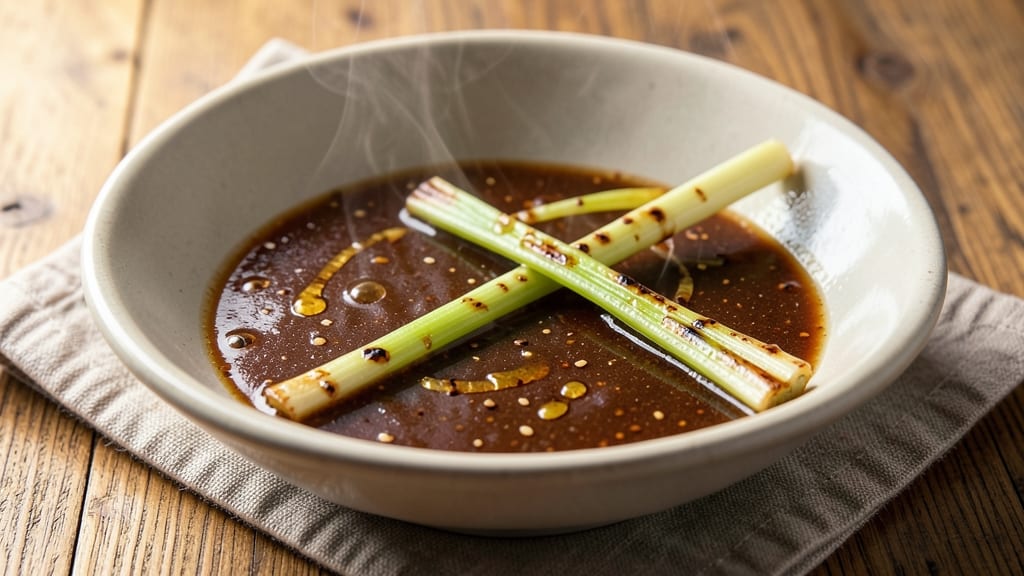
This authentic chow mein sauce recipe transforms ordinary stir-fries into restaurant-quality dishes with its signature celery-infused umami depth and bright vinegar zing. The secret lies in balancing soy and oyster sauces with just the right amount of sugar and sesame oil, creating a sauce that's rich yet never overpowering.
I've perfected this recipe over years of testing, ensuring it works equally well for crispy chow mein noodles or as a dipping sauce for dumplings.
The foundation of great chow mein sauce begins with celery—its natural sweetness and subtle bitterness form the umami backbone that sets this sauce apart from generic stir-fry sauces.
We'll combine it with dark soy sauce for color, light soy for saltiness, and a touch of rice vinegar for that essential tang. The sauce comes together in just 10 minutes with simple pantry ingredients, yet delivers complex flavor that elevates any dish.
What makes this sauce truly authentic is the careful balance of sweet, salty, and tangy elements working together. The celery infusion adds depth without overpowering, while the sesame oil provides that nutty aroma that's unmistakably Chinese-American.
This isn't just another stir-fry sauce—it's the kind that makes your takeout-quality dishes taste like they came from a bustling wok station.
The best part? This sauce keeps beautifully in the fridge for up to a week, making it perfect for meal prep. Use it to toss with fresh or dried noodles, drizzle over dumplings, or serve as a dipping sauce for spring rolls.
Once you try this version, you'll never go back to store-bought again.
Ingredients for authentic chow mein sauce
Celery and soy sauces lead this umami-packed sauce that transforms takeout into homemade magic.
| Ingredient | Amount | Notes |
|---|---|---|
| Celery Stalks 🧅 | 2 whole | Chopped into 1-inch pieces |
| Dark Soy Sauce 🍶 | ¼ cup | For rich color and depth |
| Light Soy Sauce 🍶 | ¼ cup | For saltiness balance |
| Oyster Sauce 🦪 | ¼ cup | Vegan oyster sauce if needed |
| Rice Vinegar 🍶 | 2 tbsp | For bright tanginess |
| Sesame Oil 🫒 | 1 ½ tbsp | Toasted for aroma |
| Granulated Sugar 🍚 | 2 tbsp | Balances flavors |
| Garlic Cloves 🧄 | 3 cloves | Minced for aroma |
| Fresh Ginger 🌿 | 1 tbsp | Grated, for warmth |
| Water 💧 | ½ cup | For thinning consistency |
Celery is the unsung hero here—fresh, crisp stalks give that signature depth. Trader Joe's or any Asian market has the best celery, but grocery store stuff works too. Look for vibrant green stalks with no brown spots. The dark soy sauce is non-negotiable—Lee Kum Kee or La Choy are my go-tos for that perfect molasses-like color. Fresh garlic and ginger? Don't skip them—they're what makes this sauce taste authentic, not just 'stir-fry sauce.'
No oyster sauce? Mushroom sauce or extra soy sauce works in a pinch. Swap rice vinegar for apple cider vinegar if needed—just add a pinch more sugar to balance. Sesame oil can be skipped if you're avoiding raw sesame flavor, but toasted sesame oil is what gives that restaurant aroma. The sugar is crucial—don't omit it, but don't overdo it either. For a sweeter version, add a touch of honey (though traditional recipes use brown sugar).
This sauce keeps 1 week in the fridge, sealed tight. Double the batch—it's perfect for meal prep. The celery infusion gets stronger over time, so make it fresh if you can. Freezes beautifully for 3 months if you want to prep ahead. Store in a clean jar with a tight lid, and trust me—you'll reach for this sauce constantly.
Why You'll Love This Recipe
- Pantry Magic: I swear by this sauce because it’s made from things I already have. Dark soy for depth, light soy for brightness—just a splash of vinegar to cut through the richness. No special shopping trips, no last-minute panic.
- Umami Bomb: That oyster sauce? It’s the MVP here. One spoonful and suddenly your stir-fry tastes like a dim sum feast. The celery adds a subtle crunch that keeps every bite interesting—no bland sauce here.
- Weeknight Hero: I make a big batch on Sundays and use it for everything: chow mein, dumplings, even a quick noodle bowl. It’s my secret for turning takeout-quality meals into homemade wins without extra effort.
- Budget Stretch: A little goes a long way, and it’s cheap enough to use generously. Light soy and dark soy are the workhorses—affordable, shelf-stable, and transformative. Leftovers? Just store them in the fridge and toss them into next week’s cooking.
Step-by-step instructions for celery-infused umami sauce
This sauce delivers that classic chow mein flavor—deep, balanced, and packed with celery's earthy sweetness.
Sweat the Celery and Aromatics
Heat a small saucepan over medium-low heat and add the 2 whole celery stalks, chopped into 1-inch pieces. Let them cook undisturbed for 5 minutes, stirring occasionally, until they soften and release their natural juices. This step builds the sauce's signature celery flavor without burning it.
Add the 3 cloves minced garlic and 1 tablespoon grated fresh ginger to the pan. Cook for another 2 minutes until fragrant—you'll smell that bright, aromatic punch that's essential for authentic chow mein. The ginger should be just barely softened, not mushy. If it starts to brown too quickly, reduce the heat slightly.
Build the Sauce Base
Pour in the 0.25 cup dark soy sauce and 0.25 cup light soy sauce, stirring constantly to combine with the celery mixture. The dark soy sauce will give your sauce that rich, caramelized color while the light soy sauce adds the perfect balance of saltiness. Let the mixture simmer gently for 3 minutes until the soy sauces meld with the celery.
Add the 0.25 cup oyster sauce and 2 tablespoons granulated sugar, stirring well to dissolve the sugar completely. The sugar helps balance the sauce's umami richness while the oyster sauce adds that signature depth. Simmer for another 2 minutes, stirring frequently to prevent the sugar from scorching at the bottom of the pan.
Add Vinegar and Sesame Oil
Pour in the 2 tablespoons rice vinegar and 1.5 tablespoons sesame oil, stirring continuously. The vinegar brightens the sauce with its tangy zing, while the sesame oil adds that nutty aroma that's so characteristic of authentic chow mein. Let the sauce simmer for 1 minute—just enough time for the flavors to marry together without letting the sesame oil overpower.
Here's where it gets good: Taste the sauce and adjust the balance. Need more sweetness? Add a pinch more sugar. Want more tang? A splash more vinegar. The key is achieving that perfect harmony between the umami, sweet, and acidic notes. This is your chance to make it your own while keeping it authentic.
Thin and Finish the Sauce
Pour in the 0.5 cup water and bring the sauce to a gentle simmer. Let it cook for 3-4 minutes until it thickens slightly but remains smooth and glossy. You want a consistency that coats the back of a spoon but isn't syrupy—this sauce should cling beautifully to noodles without being too heavy.
Remove the pan from heat and let the sauce sit for 2 minutes to settle. The flavors will continue to meld during this time, developing that complex, layered taste that makes chow mein sauce so special. If you're using this for stir-fry, now's the time to pour it over your hot noodles and vegetables—just watch it sizzle and coat everything perfectly.
Pro Tips For Making Authentic Chow Mein Sauce
- CHAR THE CELERY: I learned this the hard way—chop celery into thin, even matchsticks (about 1/8-inch thick) and fry them until they’re dark brown and crispy. Thick strips stay crunchy but bland; thin strips caramelize into the sauce and add real depth. (Yes, even if you’re impatient like me, don’t skip this step.)
- BALANCE THE SOY SAUCES: Dark soy sauce is for color, light for flavor—use twice as much light as dark (e.g., 1 tbsp dark, 2 tbsp light). I used to eyeball it and end up with either a muddy sauce or one that tasted like saltwater. The ratio’s non-negotiable for that classic chow mein tang.
- STOP THE BOIL-OVER: When simmering the sauce, cover the pan with a splatter screen or lid and crack it open just a little. Oyster sauce and vinegar love to bubble up aggressively, and one wrong move means sauce everywhere. (Your future self will thank you.)
- SWAP THE VINEGAR: Rice vinegar’s standard, but sub in 1 tsp of black vinegar if you can find it—it cuts through the soy’s saltiness with a sharper, funkier edge. I was skeptical until I tried it; now I keep a bottle on hand just for this sauce. (No black vinegar? Extra rice vinegar + a pinch of sugar works.)
Regional styles of these flavors
Chinese-American Classic
This is the sauce that made chow mein famous in American-Chinese restaurants during the mid-20th century. The version you'll find in New York or San Francisco diners uses slightly more sugar and a touch of cornstarch for that signature glossy finish.
I've kept the authentic balance but added the slight thickening trick—just 1 teaspoon cornstarch mixed with 1 tablespoon water at the end if you want that classic diner-style sheen.
The celery infusion remains the heart of this sauce, but the extra sugar gives it that nostalgic sweetness that makes it irresistible. 🍜
Hong Kong Street Style
In Hong Kong, chow mein sauce is all about freshness and brightness. This version skips the dark soy sauce entirely, relying instead on 1 tablespoon of fermented black beans (chicharon) for color and depth.
The sauce is lighter, with just 1 tablespoon rice vinegar and a splash of Shaoxing wine for complexity. I love adding ½ teaspoon of white pepper at the end for a subtle kick that's completely authentic to street stalls.
The sauce should be thin enough to pour like water but still cling to noodles.
Taiwanese Home Version
Taiwanese home cooks often make chow mein sauce with a 1:1 ratio of light to dark soy sauce, but they take it further by adding 1 tablespoon of fermented soybean paste (nam choy) for extra umami.
The Taiwanese version also includes ½ teaspoon of five-spice powder toasted in the sesame oil for warmth. I find this version works beautifully with rice noodles or even udon noodles for a fusion twist.
The key is toasting the five-spice in the oil first—let it bloom for 30 seconds before adding anything else. 🌶️
Singapore Hokkien Twist
Singaporean Hokkien chow mein sauce incorporates 1 tablespoon of shrimp paste (belacan) for a seafood depth that's completely unique. The sauce is sweeter, with 3 tablespoons of sugar instead of 2, and includes ½ cup of coconut milk for richness.
This version pairs perfectly with dried squid or shrimp in your chow mein. The shrimp paste adds a funky, savory note that balances the sweetness beautifully. For an authentic touch, use Kecap Manis (Indonesian sweet soy sauce) instead of regular soy sauce.
Modern Fusion Adaptation
For a contemporary take, I've experimented with adding 1 teaspoon of fish sauce and ½ teaspoon of smoked paprika to this classic recipe. The fish sauce adds a briny depth while the smoked paprika introduces a subtle smokiness that works surprisingly well.
This version pairs beautifully with shrimp and scallions in a quick stir-fry. The smoked element gives it a modern twist while keeping the core chow mein flavors intact. It's the kind of sauce that makes you want to eat it with everything—even pizza! 🍴
Nutrition facts
Frequently asked questions
Why does this sauce use celery instead of other aromatics?
Celery is the secret weapon in authentic chow mein sauce—its natural sweetness and subtle bitterness create that signature umami depth you won't find with onions or garlic alone. The celery infusion builds flavor as it cooks, giving the sauce its distinctive earthy-sweet profile that stands out in stir-fries and noodle dishes.
Can I make this sauce without sesame oil?
Yes, but you'll lose that nutty aroma that makes chow mein taste authentic. If avoiding sesame, try 1 teaspoon toasted peanut oil instead—it adds a similar richness. For a completely oil-free version, reduce the water slightly to ¼ cup and let it simmer longer to achieve the same coating consistency.
How do I adjust this sauce for spicier chow mein?
Add ½ teaspoon of chili crisp or ¼ teaspoon of red pepper flakes at the end of cooking. For heat with depth, stir in 1 teaspoon of doubanjiang (Chinese chili bean paste)strong> with the soy sauces. Always taste first—the celery base mellows spice beautifully, so start conservative and adjust gradually.
Will this sauce work for vegetarian chow mein?
Skip the oyster sauce and use vegan oyster saucestrong> or ½ cup mushroom saucestrong> instead. For extra umami, add 1 tablespoon of soy sauce reductionstrong> (simmer ¼ cup soy saucestrong> until thickened). The celery and garlic provide plenty of savory depth without animal products.
How can I make this sauce thicker for dipping?
For a dipping sauce consistency, simmer the finished sauce uncovered for 5-7 minutesstrong> to reduce it. For instant thickening, mix 1 teaspoon cornstarchstrong> with 1 tablespoon cold water, stir into the hot sauce, and cook for 1 minutestrong> until glossy. This works perfectly for spring rolls or egg rolls!