
Sauces & Condiments
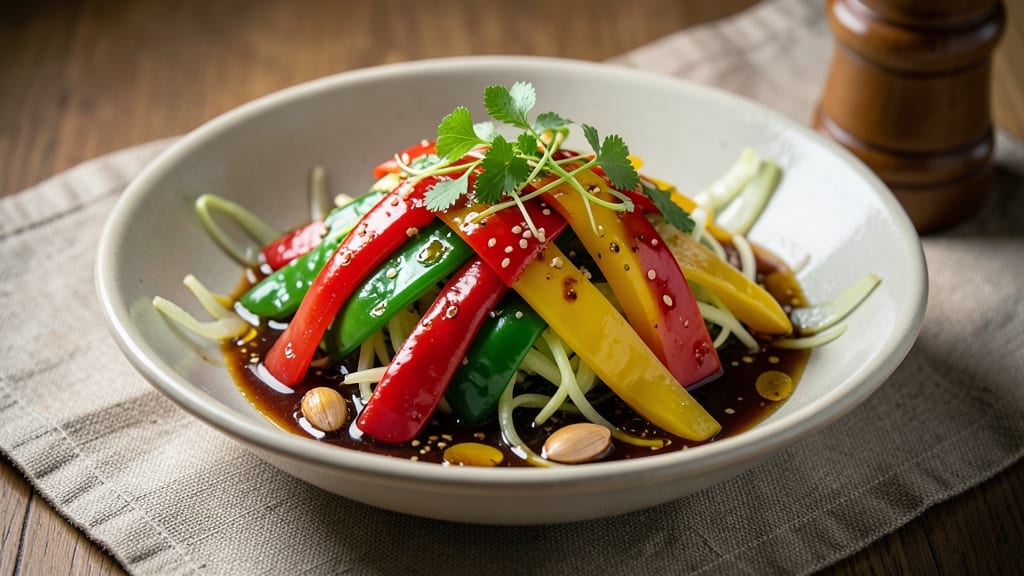
This Asian vegetable stir-fry sauce recipe delivers umami-packed, clump-free perfection that transforms simple vegetables into a restaurant-worthy dish. The secret lies in balancing sweet, tangy, and savory notes with just the right amount of garlic, ginger, and sesame oil—no lumps, no guesswork.
I developed this sauce after years of testing stir-fry techniques, and it’s become my go-to for vibrant, flavorful vegetable dishes that even picky eaters love.
The magic happens in the sauce’s texture and depth: a smooth, glossy finish that clings to every crisp-tender vegetable while delivering layers of flavor.
You’ll need just 10 minutes to whip up this sauce, and it keeps in the fridge for up to 2 weeks, making it the ultimate pantry staple. The recipe is vegan-friendly and packed with aromatic ingredients like fresh ginger, garlic, and a touch of chili for heat.
What sets this sauce apart is its versatility—it elevates stir-fried greens, tofu, noodles, or even grilled meats with equal brilliance. The umami-rich blend of soy sauce, sesame oil, and a hint of sugar creates a harmonious balance that’s both bold and refined.
Whether you’re cooking for a weeknight dinner or meal prepping for the week, this sauce ensures every bite is bursting with flavor.
Once you try this recipe, you’ll never reach for store-bought sauces again. The smooth, clump-free consistency and deep, complex flavors make it a game-changer for home cooks. Let’s get started—your wok is waiting!
Ingredients for asian vegetable stir fry sauce
Ten ingredients, umami magic—this sauce transforms stir-fries into restaurant-quality dishes.
| Ingredient | Amount | Notes |
|---|---|---|
| Fresh Ginger Root 🧄 | 2 tbsp | Finely grated, aromatic |
| Garlic Cloves 🧄 | 4 cloves | Minced, fresh preferred |
| Low-Sodium Soy Sauce 🍶 | ½ cup | Kikkoman preferred |
| Rice Vinegar 🍶 | ¼ cup | Seasoned or plain |
| Sesame Oil 🫒 | 2 tbsp | Toasted, for aroma |
| Granulated Sugar 🍯 | 2 tbsp | Or coconut sugar |
| Red Chili Flakes 🌶️ | 1 tsp | Adjust for heat |
| Toasted Sesame Seeds 🥜 | 1 tbsp | For garnish, optional |
| Cornstarch 🌾 | 1 tsp | For clump-free texture |
| Water 💧 | ¼ cup | For thinning |
The ginger and garlic are the flavor anchors here. Fresh ginger from the produce section (not the jarred kind) gives the best zing—look for firm, aromatic roots. Garlic should be plump and firm, not sprouting. For soy sauce, Kikkoman or San-J are reliable, but any low-sodium brand works. The sesame oil is non-negotiable for that nutty aroma—La Choy or Kadoya are my go-tos. Toast your own sesame seeds in a dry pan for 2-3 minutes until golden for extra flavor, but store-bought works in a pinch.
No fresh ginger? Ginger paste from the Asian aisle works, but add 1 extra tbsp. Short on garlic? Garlic powder at half the amount is fine, though fresh is ideal. Swap rice vinegar for apple cider vinegar or lime juice if needed—just balance the sweetness. The cornstarch is your secret weapon for that silky texture; arrowroot powder works too. For heat, gochujang or sambal oelek can replace chili flakes. And if you're vegan, double-check your soy sauce—some contain fish derivatives.
This sauce keeps for 2 weeks in an airtight jar in the fridge. For best texture, stir before each use. Freeze in ice cube trays for single-serving portions—just thaw in the fridge overnight. The sesame oil separates naturally; just shake before using. Double the batch and freeze half—it’s that good. Store sesame seeds in a cool, dark place to preserve their flavor for up to 6 months. The sauce thickens as it cools, so thin with a splash of water if needed.
Why You'll Love This Recipe
- Five-Ingredient Magic: This sauce comes together with just a knife, a cutting board, and a quick stir. No measuring cups cluttering your counter—just eyeball the ginger (a thumb-sized knob) and garlic (3 cloves max), then toss in the soy, vinegar, and oil. That’s it. Honestly, I’ve made it while waiting for pasta to boil.
- Umami Bomb: The fresh ginger and garlic sizzle in the sesame oil until they’re fragrant and slightly caramelized—this is where the sauce gets its soul. That low-sodium soy adds depth without overpowering, and the rice vinegar cuts through the richness just enough to make it addictive. It’s the kind of flavor that lingers, making you reach for seconds.
- Stir-Fry Swiss Army: This sauce doesn’t just work for veggies—it’s my go-to for tofu, noodles, or even grilled chicken. Double the batch and use half on dinner, half on lunch the next day. I’ve drizzled it over cold rice with a fried egg, tossed it with blistered shishito peppers, and even used it as a marinade. It’s the ultimate pantry multitasker.
- Budget Night Hero: A jar of fresh ginger lasts weeks, garlic is cheap, and sesame oil stretches far. You’re talking under $5 for enough sauce to feed four, with leftovers that taste just as good reheated as they do fresh. Between us, this is how I feed my college student on a tight budget—no takeout needed.
Step-by-step instructions for Asian vegetable stir fry sauce
Here's how to craft a velvety, umami-rich sauce that clings perfectly to wok-fried vegetables.
Bloom the Aromatics in Toasted Sesame Oil
Heat a small saucepan over medium-low heat and add the 2 tablespoons sesame oil. Let it warm for 30 seconds until fragrant—you'll smell that nutty, toasty aroma that's the foundation of the sauce. This gentle heating activates the oil's flavor without burning it.
Add the 2 tablespoons finely grated ginger root and 4 minced garlic cloves, stirring constantly for 1-2 minutes until the garlic becomes translucent and the mixture smells intensely aromatic. Be careful not to let it brown—garlic burns quickly and becomes bitter. Remove from heat immediately after the garlic softens.
Build the Sauce Base with Vinegar and Soy
Return the pan to medium heat and pour in the ½ cup low-sodium soy sauce and ¼ cup rice vinegar. Stir to combine, then add the 2 tablespoons granulated sugar and 1 teaspoon red chili flakes. Bring to a gentle simmer, stirring constantly for 3-4 minutes until the mixture reduces slightly and thickens.
You're looking for a glossy, syrupy consistency here—the sauce should coat the back of a spoon. If it starts to thicken too quickly, add 1 tablespoon water to keep it flowing. This step develops the sauce's signature balance of salty, tangy, and slightly sweet flavors that complement stir-fried vegetables perfectly.
Create a Silky Texture with Cornstarch Slurry
In a small bowl, whisk together the 1 teaspoon cornstarch with the remaining ¼ cup water until completely dissolved. This creates a smooth slurry that will give your sauce that perfect velvety texture without clumping. Pour the slurry into the simmering sauce and stir vigorously for 1-2 minutes until it thickens to a glossy, coatable consistency.
Here's the thing—cornstarch works faster than flour for this application. You'll know it's done when the sauce becomes slightly translucent and coats the spoon with a smooth, even layer. Remove from heat immediately to prevent over-thickening. If it's still too thin, add another ½ teaspoon cornstarch mixed with 1 teaspoon water to adjust the consistency.
Finish and Garnish for Restaurant-Quality Results
Taste the sauce and adjust seasoning if needed. You might want to add a pinch more sugar to balance the acidity or another ½ teaspoon soy sauce for deeper umami. The sauce should be vibrant, glossy, and perfectly balanced between sweet, salty, tangy, and slightly spicy.
For that authentic restaurant touch, stir in the 1 tablespoon toasted sesame seeds just before serving. They add beautiful texture and aroma that elevates the sauce from good to exceptional. Let the sauce sit for 5 minutes before using—this allows the flavors to meld completely and gives you that perfect cling to your stir-fried vegetables.
Pro Tips For Making Asian Vegetable Stir Fry Sauce
- MINCE THAT GINGER: I learned this the hard way—peeling and slicing ginger takes forever, but mincing it into tiny bits (almost like a paste) makes it dissolve faster and infuse the sauce evenly. Use a microplane or knife to get it down to rice-sized pieces—no one wants chewy ginger surprises in their stir-fry.
- BLOOM THE GARLIC: After burning three batches, I finally figured out: cook the garlic in sesame oil for exactly 30 seconds on medium heat before adding anything else. This makes it mellow and sweet instead of bitter—just enough time to smell the aroma, but not enough to turn it to ash.
- SALT THE VINEGAR: Sounds weird, but it works: add a pinch of salt to your rice vinegar before mixing it into the sauce. It balances the acidity and rounds out the flavor, so you don’t end up with a sharp, one-note sauce. Trust me, your taste buds will notice.
- LOW AND SLOW FINISH: Dump everything in the pan and crank the heat for the first 30 seconds, but then drop it to medium-low. Stir-frying sauce needs time to meld, not boil off—if you keep it too hot, you’ll end up with a concentrated, bitter mess instead of a smooth, glossy finish. Patience here makes the difference.
Common mistakes when making great asian vegetable stir fry sauce
Overcooking Aromatics
Burnt garlic and ginger ruin everything—don’t let them brown! When sautéing 4 minced garlic cloves and 2 tbsp grated ginger in 2 tbsp sesame oil, keep heat at medium-low and remove the pan immediately when garlic turns golden.
Overcooked aromatics turn bitter, overpowering the sauce’s delicate balance. I’ve learned this the hard way—trust me, your stir-fry will thank you. 🌶️
Skipping the Cornstarch
If you omit the 1 tsp cornstarch, your sauce will be watery and clump when tossed with vegetables. The cornstarch creates that silky, clingy texture that makes stir-fries shine.
For a quick fix, mix ½ tsp cornstarch with 1 tsp water and stir into the sauce if it’s too thin. Arrowroot powder works too—just use the same ratio.
Using High-Heat for Reduction
High heat burns sugar and evaporates flavors too quickly. Reduce the ½ cup soy sauce and ¼ cup rice vinegar over medium heat—not high—to develop depth without scorching.
I’ve seen sauces turn bitter from aggressive heat; patience here makes all the difference. A gentle simmer for 3-4 minutes is perfect.
Ignoring the Slurry Technique
Dumping dry cornstarch directly into the sauce causes lumps. Always whisk it into ¼ cup cold water first to create a smooth slurry. Pour it in while stirring constantly—this ensures a glossy, even texture.
If lumps appear, strain the sauce through a fine-mesh sieve. The result? A velvety finish that coats every bite. 💫
Not Balancing Flavors
Taste your sauce before using it! Adjust sweetness with ½ tsp sugar, saltiness with ½ tsp soy sauce, or tang with 1 tsp vinegar.
I often add a pinch of white pepper for depth. Skipping this step leaves your sauce flat—don’t rush it. A well-balanced sauce elevates even simple vegetables.
Storing Improperly
Store sauce in an airtight jar in the fridge for up to 2 weeks, but let it cool completely before sealing. If the sesame oil separates, shake gently before using—don’t stir vigorously, or you’ll emulsify it permanently.
For longer storage, freeze in ice cube trays and transfer to a bag. Thaw overnight in the fridge for best results.
Nutrition facts
Frequently asked questions
Can I make this sauce without sesame oil?
The nutty aroma of sesame oil is key to authentic flavor, but you can substitute 1 tablespoon neutral oil (like vegetable or canola) plus ½ teaspoon toasted sesame seeds stirred in at the end. For best results, use a high-quality sesame oil—it makes a noticeable difference. The sauce will still taste good, but the depth of flavor will be slightly different.
How much sauce should I use for stir-fried vegetables?
Start with 2-3 tablespoons of sauce for every 2 cups of stir-fried vegetables, then adjust to taste. Toss the sauce with the hot vegetables at the very end of cooking—this ensures it clings perfectly without steaming the veggies. For extra flavor, add a splash of water to the pan first, then stir in the sauce to create a glossy finish.
Can I use this sauce for proteins like tofu or chicken?
This sauce works beautifully with tofu, chicken, shrimp, or beef. For tofu or chicken, use 3-4 tablespoons of sauce per pound of protein, tossing it in during the last 2 minutes of cooking. For shrimp or delicate fish, reduce the chili flakes to ½ teaspoon to avoid overpowering the mild flavors. The sauce's balance of sweet, tangy, and umami makes it incredibly versatile.
What if my sauce turns out too thick or too thin?
If your sauce is too thick, thin it with 1 teaspoon water at a time, stirring constantly until smooth. For a thicker sauce, simmer it for an extra 1-2 minutes without adding water. The cornstarch slurry is your secret weapon—if you need to adjust, mix ½ teaspoon cornstarch with 1 teaspoon water and stir it in. Remember, the sauce will thicken slightly as it cools, so aim for a slightly thinner consistency when hot.
Can I make this sauce spicier or sweeter?
For extra heat, add ½ teaspoon more chili flakes or a dash of sriracha at the end. To sweeten it, increase the sugar to 3 tablespoons or add 1 teaspoon honey. For a deeper umami kick, stir in 1 teaspoon fish sauce (if not vegan) or ½ teaspoon mushroom powder. Always taste and adjust gradually—you can always add more, but you can't take it out!