
Sauces & Condiments
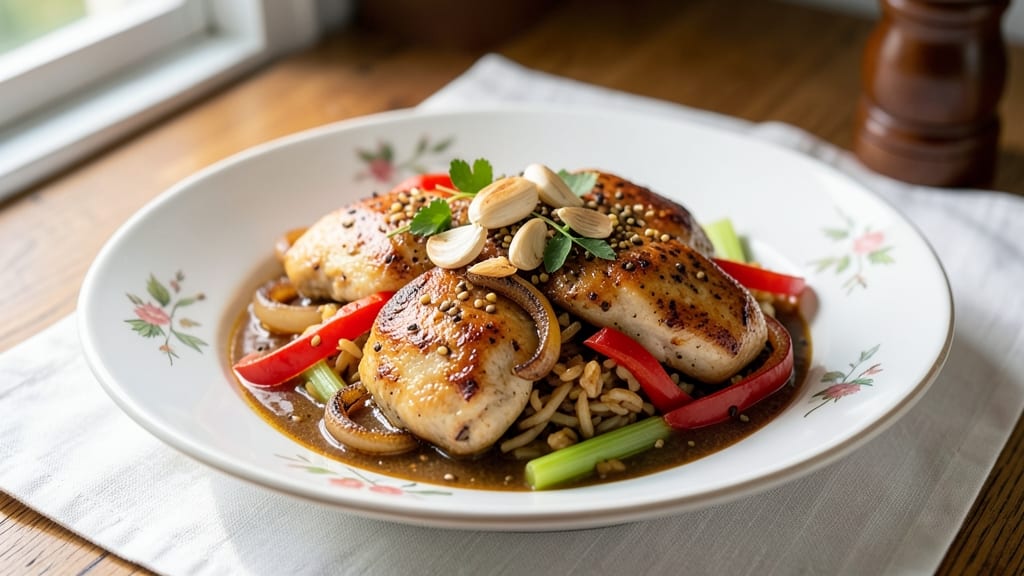
This arroz con pollo sauce recipe transforms simple ingredients into a rich, smoky tomato-celery base that forms the heart of Puerto Rican cuisine. The secret lies in slow-cooked sofrito—a blend of celery, onions, and bell peppers—that develops deep, caramelized flavors.
A touch of vinegar brightens the sauce, balancing the smokiness while letting the spices shine through. What makes this sauce special is its versatility. It simmers down into a thick, velvety consistency that clings perfectly to rice or chicken, infusing every bite with layers of flavor.
The combination of cumin, oregano, and garlic creates an aromatic foundation, while crushed tomatoes add natural sweetness and acidity. This isn't just a sauce—it's the soul of arroz con pollo, packed into a jar for future meals.
The result is a sauce that's bold enough to stand alone but subtle enough to let other ingredients shine. It reduces to a perfect consistency for serving over rice or drizzling over grilled chicken, with a depth of flavor that comes from hours of slow cooking.
The vinegar adds a hidden complexity that elevates it beyond basic tomato sauce. Store it in the refrigerator for up to a week or freeze for months—this sauce is worth making in bulk.
Whether you're preparing a full arroz con pollo or using it as a weeknight shortcut, it delivers restaurant-quality results with minimal effort. Let's get started on creating this essential Puerto Rican sauce.
Ingredients for arroz con pollo sauce
Twelve simple ingredients crafting Puerto Rican soul in every spoonful.
| Ingredient | Amount | Notes |
|---|---|---|
| Extra-Virgin Olive Oil 🫒 | ½ cup | High-quality, fruity variety preferred |
| Yellow Onion 🧅 | 1 whole | Medium size, finely chopped |
| Celery Stalks 🥬 | 3 whole | Stringless, finely chopped |
| Red Bell Pepper 🌶️ | 1 whole | Medium size, chopped |
| Garlic Cloves 🧄 | 4 cloves | Peeled, minced |
| Cumin Seeds 🌿 | 1 tbsp | Toasted for deeper flavor |
| Dried Oregano 🍃 | 2 tsp | Mexican oregano preferred |
| Crushed Tomatoes 🍅 | 28 oz | San Marzano preferred |
| White Vinegar 💧 | 1 tbsp | For brightness |
| Bay Leaves 🍃 | 2 whole | Fresh preferred |
| Salt 🧂 | 1 ½ tsp | Diamond Crystal preferred |
| Black Pepper 🌶️ | ½ tsp | Freshly ground |
The sofrito trio—onion, celery, and bell pepper—is where the magic begins. Fresh, vibrant produce makes all the difference; look for crisp stalks and firm peppers at Whole Foods or local markets. San Marzano tomatoes are worth the splurge for their sweet, meaty texture—canned options at Trader Joe's are a budget-friendly alternative. Toast the cumin seeds in a dry pan until fragrant (about 30 seconds)—this step unlocks their earthy depth. The vinegar might seem small, but it's the secret weapon balancing the sauce's richness. Apple cider vinegar adds subtle complexity if you prefer a fruity note.
No fresh bay leaves? Dried works at half the amount. Skip the crushed tomatoes? Fresh tomatoes blended with their juices deliver brighter acidity, though you'll need about 4-5 medium ones. Substituting bell pepper for green? Use equal amounts, but expect a slightly different flavor profile. The olive oil should be extra-virgin and fruity—cheap oil will make the sauce taste flat. For a smokier profile, add 1/2 tsp smoked paprika (though traditional recipes skip this). If you're making this ahead, freeze the sofrito base separately—it keeps for months and saves time later.
This sauce tastes even better the next day as flavors meld. Store in an airtight container in the fridge for up to 1 week or freeze for 6 months. For easy reheating, add a splash of water or broth to thin it out. The sauce thickens as it cools, so adjust consistency with a bit of water if needed. Double the batch—it disappears fast over rice or chicken. Label jars with the date to track freshness. If it separates, just stir vigorously before using. The vinegar prevents mold, so you can safely refrigerate for longer than typical tomato sauces.
Why You'll Love This Recipe
- Sofrito in Minutes: I swear by the olive oil base—just sauté the onion, celery, bell pepper, and garlic until they’re soft and sweet. That’s the flavor foundation, and it takes less time than waiting for a podcast to load.
- Layered Umami Magic: The slow-cooked sauce clings to the rice like a hug—garlicky, slightly smoky from the bell pepper, with just enough acidity to cut through the richness. Honestly? It’s the kind of dish that makes you pause mid-bite.
- Weeknight & Potluck Star: This sauce works over rice for a full meal, but I also drizzle it on grilled chicken or even scrambled eggs. (Yes, even on a Tuesday night.) And at gatherings? People always ask for the recipe.
- Budget-Friendly Staple: Onions, celery, and bell peppers stretch this sauce far—double the batch and freeze half. My freezer’s always stocked with it; it’s my secret weapon for lazy days when I don’t want to order takeout.
Step-by-step instructions for arroz con pollo sauce
Here's the method for building a rich, layered sauce that balances smoky depth with bright acidity.
Toast the Cumin Seeds for Maximum Flavor
Heat a dry skillet over medium heat and add the 1 tablespoon cumin seeds. Toast them for 1-2 minutes until they release their aroma and begin to sizzle gently—you'll smell their warm, earthy fragrance. This step unlocks their full potential, giving your sauce that authentic smoky backbone.
Watch carefully as they toast—too long and they'll burn, leaving bitter notes. When they're just beginning to darken slightly, remove them from the pan and set aside. You'll add them back later, but this initial toasting creates the flavor foundation for the entire sauce.
Sauté the Vegetable Base Until Soft and Fragrant
In a large Dutch oven or heavy pot, heat the ½ cup extra-virgin olive oil over medium heat. Add the 1 whole yellow onion, 3 whole celery stalks, and 1 whole red bell pepper, all chopped into similar-sized pieces for even cooking. Sauté for 8-10 minutes until the vegetables soften and their edges begin to caramelize.
Stir occasionally to prevent burning, especially the bell pepper which tends to cook faster. You're looking for a deep golden color and the vegetables should release their natural juices, creating a fragrant base. This step develops the sauce's sweetness and depth—don't rush it.
Add Aromatics and Build the Sauce Foundation
Push the vegetables to one side of the pot and add the 4 cloves minced garlic to the empty space. Cook for 30 seconds until fragrant—you'll smell that unmistakable garlic aroma. Then add the toasted cumin seeds, 2 teaspoons dried oregano, 2 whole bay leaves, 1.5 teaspoons salt, and 0.5 teaspoon black pepper.
Stir everything together for 1 minute to toast the spices briefly in the vegetable juices. This activates their flavors and prevents them from sitting at the bottom of the pot. The mixture should smell complex—earthy, slightly sweet, with hints of citrus from the oregano.
Simmer the Tomatoes and Vinegar for Depth
Pour in the 28 ounces crushed tomatoes and stir to combine with the vegetable mixture. Bring to a gentle simmer over medium-low heat, then reduce to low heat and let it cook uncovered for 20-25 minutes. This slow simmer allows the flavors to meld and the sauce to thicken slightly.
After 10 minutes of simmering, add the 1 tablespoon white vinegar. This might seem counterintuitive, but it brightens the sauce and cuts through the richness of the tomatoes and oil. The vinegar will cook off completely, leaving only its subtle acidity behind. Stir occasionally to prevent sticking.
Finish and Adjust for Perfect Balance
Remove the 2 bay leaves and taste the sauce. Adjust seasoning if needed—you might need a touch more salt or pepper to balance the flavors. The sauce should be rich but not overly thick, with a balance of smoky, sweet, and slightly tangy notes.
If the sauce is too thick, add ¼ cup water and simmer for another 5 minutes to reach your desired consistency. This sauce is designed to be versatile—it can be used immediately with chicken and rice or stored for later use. The flavors will actually deepen as it cools and rests.
Pro Tips For Making Arroz Con Pollo Sauce
- Sweat, Don’t Burn: The onion, celery, and bell pepper should release moisture and soften—not turn to charcoal. Keep the heat medium-low and stir every 30 seconds. I learned this the hard way when my first batch looked like a smoky disaster instead of a flavor base.
- Slice Garlic Thin: Mince those cloves into paper-thin slivers, not chunks. They cook faster and infuse the oil without burning. Skip the press—it releases bitter compounds and makes the sauce taste harsh.
- Salt the Oil First: Toss a pinch of salt into the olive oil before adding the veggies. It prevents bitter flavors from developing and helps the oil emulsify better with the sauce’s liquids later. (Yes, even if you’re impatient like me.)
- Deglaze Aggressively: After browning the chicken, don’t just splash in broth—scrape every last bit of fond from the pan with a wooden spoon. That stuck-on goodness is where half the flavor hides. A splash of white wine or beer here makes it even easier to lift.
Wine and beer pairings for this recipe
White Wine Pairings
For this rich, smoky tomato sauce, I reach for a dry Spanish Albariño—its crisp acidity and citrus notes cut through the sauce's depth while complementing the sofrito's caramelized sweetness. The wine's mineral finish enhances the sauce's earthy cumin and oregano flavors without overpowering them. 🍷
Another fantastic choice is a Vermentino from Sardinia, with its bright lemon and almond undertones. The wine's subtle bitterness pairs beautifully with the sauce's vinegar brightness, creating a harmonious balance. Serve slightly chilled to let its crispness shine alongside the warm sauce.
Red Wine Pairings
A light-bodied Tempranillo from Rioja offers a more robust pairing for those who prefer red wine. Its red fruit flavors and earthy notes mirror the sauce's tomato and cumin profile, while its moderate tannins won't clash with the dish.
Decant for 30 minutes before serving to soften the wine and enhance its aromatic qualities. 🍷
Beer Pairings
For beer lovers, a Mexican lager like Modelo Especial works perfectly—its clean, slightly malty profile lets the sauce's flavors take center stage. The beer's subtle sweetness complements the caramelized vegetables without competing.
Alternatively, try a Belgian witbier for a refreshing contrast, as its coriander and citrus notes play off the sauce's vinegar brightness.
Non-Alcoholic Options
Sparkling San Pellegrino Aranciata adds a festive touch while balancing the sauce's richness with its citrusy effervescence. For a more savory option, try a ginger beer—its spicy kick enhances the cumin and oregano flavors in the sauce. Serve slightly chilled for the best experience. 🥤
Serving Temperature
Serve your wine or beer at room temperature for reds and whites, while beers should be chilled to 40-45°F. The sauce itself should be served warm—around 160-170°F—to fully release its aromatic spices and caramelized depth.
The contrast between the warm sauce and cool beverage creates a perfect dining experience. ✨
Nutrition facts
Frequently asked questions
Can I make this sauce without tomatoes?
Yes, but the flavor profile will change significantly. For a tomato-free version, replace the crushed tomatoes with 2 cups tomato-free sofrito blend (made from sautéed onions, celery, bell peppers, and garlic) and add 1 cup chicken broth plus 1 tablespoon tomato paste for depth. The sauce will be lighter but still aromatic.
How do I adjust the thickness of the sauce?
For a thicker sauce, simmer uncovered for an extra 10-15 minutes to reduce the liquid. If it's too thick, stir in 1-2 tablespoons water or broth at a time until you reach your desired consistency. The sauce should coat the back of a spoon but still be pourable.
Can I use fresh tomatoes instead of crushed?
Use 4-5 medium fresh tomatoes, blend them with their juices, and strain out any seeds. Fresh tomatoes add brighter acidity, but you'll need to simmer the sauce longer (30-40 minutes) to develop the same depth as crushed tomatoes. Add a pinch of sugar if the sauce tastes too tart.
What's the best way to store leftovers?
Let the sauce cool completely, then transfer to an airtight container. It keeps in the fridge for up to 1 week or freezes beautifully for 6 months. For freezing, portion into ice cube trays or small jars for easy single-use servings. Thaw overnight in the fridge before reheating.
Why does my sauce taste bitter?
Overcooking the vegetables or cumin seeds can cause bitterness. To fix it, stir in 1 teaspoon sugar or ½ teaspoon honey and simmer for 5 minutes to balance the flavors. If the bitterness persists, add a splash of vinegar or lemon juice to brighten the sauce.